If you drive a 2018 Jeep Compass, you know how important it is to keep your vehicle running smoothly. One area many owners overlook is the transmission fluid. This fluid is crucial for protecting the transmission, ensuring smooth gear shifts, and extending the life of your Compass. Using the right type and following regular maintenance can save you from costly repairs down the road. Let’s explore what you need to know about transmission fluid for your 2018 Jeep Compass, how to choose the best option, when to change it, and common mistakes to avoid.
Why Transmission Fluid Matters
Transmission fluid does more than just lubricate parts. It cools the transmission, reduces friction, and helps the gears shift quietly. Without the correct fluid, you may notice hard shifting, slipping gears, or even transmission failure. For a 2018 Jeep Compass, using the recommended fluid is not just a suggestion—it’s a necessity.
Recommended Transmission Fluid For 2018 Jeep Compass
The type of transmission fluid depends on whether your Compass has a manual or automatic transmission. Most 2018 Jeep Compass models in the US come with a 6-speed automatic or 9-speed automatic transmission. Jeep recommends:
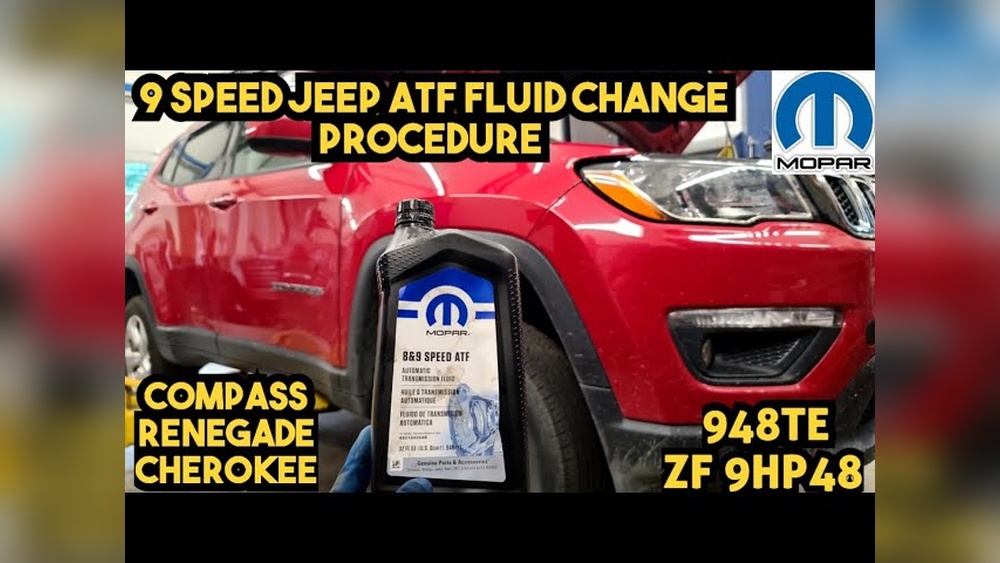
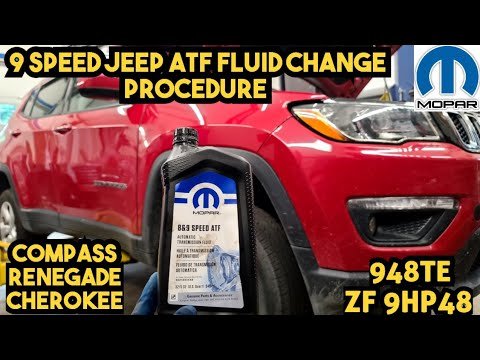
- Mopar ZF 8&9 Speed ATF for the 9-speed automatic (948TE transmission)
- ATF+4 for the 6-speed automatic (Aisin transmission)
- API GL-4 SAE 75W-85 for the manual transmission
Using other fluids may cause damage or affect performance. Always check your owner’s manual for confirmation.
| Transmission Type | Recommended Fluid | Capacity |
|---|---|---|
| 9-speed Automatic | Mopar ZF 8&9 Speed ATF | ~7.5 quarts |
| 6-speed Automatic | ATF+4 | ~6.9 quarts |
| Manual | API GL-4 SAE 75W-85 | ~2.1 quarts |
When And How To Change Transmission Fluid
Jeep suggests checking the fluid at 60,000 miles for most drivers, but real-world conditions can change this. If you drive in hot climates, tow, or sit in heavy traffic, you may need to change it sooner.
Steps To Change Transmission Fluid
- Warm up the engine: This helps the old fluid drain faster.
- Lift the vehicle: Use jack stands for safety.
- Drain the fluid: Remove the drain plug and let old fluid flow out.
- Replace the filter (if needed): Some automatics have a serviceable filter.
- Add new fluid: Use a funnel and pour the recommended fluid in.
- Check level: Start the car, shift through gears, and check the level.
Changing the fluid yourself saves money, but a professional service can check for other problems.
Signs Your Transmission Fluid Needs Attention
Ignoring your transmission fluid can lead to bigger issues. Watch for these warning signs:
- Delayed or rough shifting
- Burning smell
- Fluid leaks under the car
- Unusual noises when shifting
If you notice any of these, check your fluid level and color. Clean fluid is bright red (for ATF); dirty fluid looks brown or black.
Comparing Aftermarket And Oem Fluids
You might see cheaper fluids at auto stores, but not all are created equal. OEM fluids (Original Equipment Manufacturer) are tested for your vehicle. Aftermarket options may claim to work, but sometimes lack the additives or quality needed for Jeep’s transmissions.
| Fluid Type | Cost | Compatibility | Warranty |
|---|---|---|---|
| OEM | Higher | Guaranteed | Protected |
| Aftermarket | Lower | Varies | May Void |
Choosing OEM fluid gives peace of mind, especially since using the wrong fluid can void your powertrain warranty.
Common Mistakes To Avoid
Many owners make small mistakes that can have big consequences:
- Mixing fluid types: Never mix brands or types, as this can cause chemical reactions.
- Overfilling or underfilling: Both can cause shifting problems or damage.
- Ignoring leaks: Even small leaks can lead to low fluid and overheating.
- Using old or dirty fluid: Changing on time is cheaper than a new transmission.
One insight many miss: transmission fluid can break down even if you drive little. Short trips and stop-and-go traffic are just as hard on fluid as long drives.
Diy Vs Professional Service
Changing your transmission fluid at home is possible, but it’s not for everyone. The process can be messy, and some transmissions require special tools to check fluid levels.
A professional shop will have the correct tools and can spot early signs of wear.
However, if you like DIY projects, always use the right fluid and measure carefully. Dispose of old fluid responsibly never pour it down the drain.
Real-world Example
A 2018 Jeep Compass owner in Texas noticed rough shifting at just 50,000 miles. After checking, the fluid was low and dark. A fluid and filter change fixed the problem. This shows that catching issues early with regular checks prevents bigger repairs.
Where To Find More Information
Your owner’s manual is the best guide, but you can also find trusted information from the official Jeep website.
Frequently Asked Questions
What Color Should My Transmission Fluid Be?
It should be bright red for automatics and clear or light amber for manuals. Dark, burnt-smelling fluid means it’s time to change.
How Often Should I Check The Fluid?
Check every 6 months or at each oil change. If you drive in tough conditions, check more often.
Can I Use Universal Transmission Fluid?
No. The 2018 Jeep Compass requires specific fluids. Universal fluids may damage the transmission.
How Do I Know If My Fluid Is Low?
Warning signs include slipping gears, delayed shifts, and noises. Some models have a dipstick; others need a technician to check.
Will Changing My Fluid Fix Shifting Problems?
If the fluid is dirty or low, a change may help. But if there is damage inside the transmission, fluid alone may not fix it.
Taking care of your transmission fluid is one of the easiest ways to ensure your 2018 Jeep Compass stays reliable for years. A little maintenance now can save you thousands later.