—
Transmission Fluid For 2000 Jeep Cherokee
*Meta description: Learn which transmission fluid fits your 2000 Jeep Cherokee, how to check it, common issues, replacement tips, and FAQs for safe, smooth driving.*
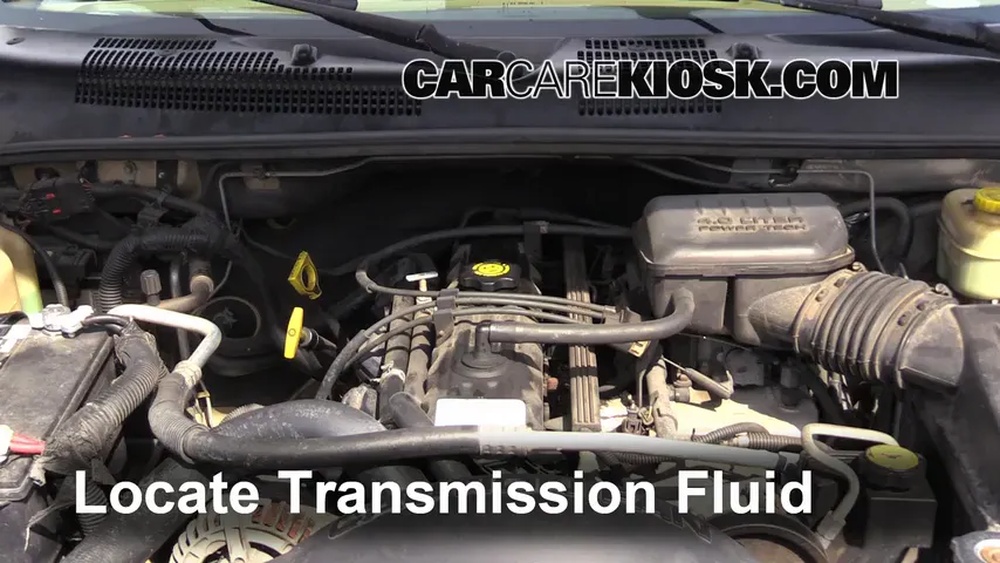
Keeping your 2000 Jeep Cherokee running strong means caring for its transmission. The right transmission fluid is essential for smooth shifting, long transmission life, and reliable off-road or daily driving. Many owners feel unsure about which fluid to use, how to replace it, or when to worry about transmission problems. This guide explains everything you need to know, with simple steps, expert tips, and clear answers for Jeep XJ owners.
Why Transmission Fluid Matters
Transmission fluid does more than lubricate gears. It cools, cleans, and protects the transmission’s internal parts. The right fluid helps your Cherokee shift smoothly, handles high temperatures from towing, and prevents costly repairs.
For the 2000 Jeep Cherokee, the main platforms are XJ (classic boxy SUV) with automatic or manual gearboxes. Other Jeep codes, like JK or JL, do not apply to this year’s Cherokee.
Recommended Transmission Fluid Types
Choosing the correct fluid depends on the transmission type:
- Automatic (AW4): Use Dexron III/Mercon or a high-quality synthetic equivalent.
- Manual (AX15 or NV3550): Use 75W-90 GL-3/GL-4 gear oil (not GL-5) or a fluid specified in your owner’s manual.
Using the wrong fluid can cause hard shifting or even damage.
Fluid Specification Table
Here’s a quick look at the main specs for each transmission:
| Transmission | Fluid Type | Capacity (approx.) |
|---|---|---|
| AW4 Automatic | Dexron III/Mercon | 4 quarts (service) |
| AX15 Manual | 75W-90 GL-3/GL-4 | 3.3 quarts |
| NV3550 Manual | 75W-90 GL-3/GL-4 | 3.5 quarts |
Always double-check in your owner’s manual or with your Jeep’s VIN for confirmation.

How To Check And Replace Transmission Fluid
Checking and changing fluid is a simple DIY job for most Jeep owners. Here’s how:
Automatic (aw4) Transmission
- Warm up the engine.
- Park on level ground, set the parking brake.
- With the engine idling, shift through all gears, then leave in Park.
- Pull out the transmission dipstick.
- Wipe, reinsert, and check level and color. Fluid should be red, not brown or burnt.
- Add fluid if needed, using a funnel.
To replace fluid:
- Remove the transmission pan bolts.
- Drain old fluid into a pan.
- Replace filter (if equipped).
- Reinstall pan with a new gasket.
- Add new fluid slowly, checking level.
Manual Transmission
- There’s usually a fill plug on the side of the case.
- Remove the plug; fluid should be at the bottom edge.
- Add fluid until it just starts to drip out.
- Reinstall the plug.
Tip: Use a hand pump for easier filling.
Symptoms Of Bad Transmission Fluid
Old or wrong fluid can cause:
- Slipping or delayed shifts
- Harsh or rough gear changes
- Burnt smell or dark color fluid
- Transmission overheating
If you see these signs, change the fluid soon. Ignoring them can lead to complete transmission failure.
Fluid Change Intervals And Cost
Jeep recommends changing automatic transmission fluid every 30,000 miles, especially if you tow or drive in tough conditions. Manual gearboxes usually need fluid changes every 60,000 miles.
DIY costs: $30–$60 (fluid, filter, gasket)
Shop costs: $120–$200 (labor, parts)
Choosing The Right Fluid: Compatibility Tips
Always check these before buying:
- Model year and trim: The 2000 XJ Cherokee with 4.0L engine uses AW4 automatic or AX15/NV3550 manual.
- Transmission code: Find it on a sticker on the driver’s door or check your build sheet.
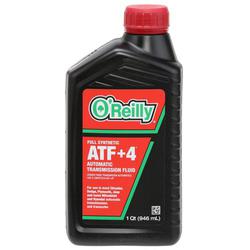
- Towing use: If you tow, use a full-synthetic ATF for better heat resistance.
- Aftermarket upgrades: Lifted or modified Cherokees may need more frequent fluid checks.
Never use GL-5 gear oil in AX15/NV3550—its additives can damage yellow metal parts inside.
Comparison: Popular Transmission Fluid Brands
Many brands meet Jeep’s specs. Here’s a side-by-side look:
| Brand | Type | Price (quart) | Compatible With 2000 Cherokee? |
|---|---|---|---|
| Valvoline MaxLife | Dexron III/Mercon ATF | $7 | Yes |
| Castrol Transmax | Dexron III/Mercon ATF | $8 | Yes |
| Red Line MTL | 75W-80 GL-4 | $16 | Yes (manual) |
Pro tip: Buy extra fluid in case of spills.
When To See A Mechanic
DIY fluid checks are simple. But get professional help if you notice:
- Slipping in all gears
- Fluid leaking under the Jeep
- No movement in Drive or Reverse
A mechanic can diagnose deeper problems, such as worn clutches or a faulty solenoid. Waiting too long can mean a full rebuild, costing $1,500–$2,500.

Real-world Example
A 2000 Cherokee XJ with 160,000 miles may shift rough if fluid is old. Replacing the fluid and filter often restores smooth shifting. If problems continue, have the transmission scanned for error codes.
External Resource
For more technical details, check the official Jeep Cherokee (XJ) Wikipedia page.
Frequently Asked Questions
What Transmission Does My 2000 Jeep Cherokee Have?
Most 2000 Cherokees (XJ) use the AW4 automatic with the 4.0L engine. Some have the AX15 or NV3550 manual transmissions. Check your VIN or door sticker to confirm.
Can I Use Dexron Vi In My Aw4 Transmission?
Dexron VI is a modern ATF and can work, but for older AW4 units, Dexron III/Mercon is safer. Some owners report firmer shifts with Dexron VI, but always check compatibility.
How Do I Know If My Transmission Fluid Is Bad?
Look for dark, burnt-smelling fluid, slipping gears, or delayed shifts. These are signs you need a fluid change soon.
How Often Should I Change Transmission Fluid?
Change automatic fluid every 30,000 miles. Manual gearboxes need changes every 60,000 miles. If you tow or off-road, check more often.
Is Synthetic Atf Better For My Jeep?
Synthetic ATF offers better protection, especially for towing or hot climates. It’s more expensive but can extend transmission life.
—
Suggested internal-link anchor texts:
- Jeep Cherokee maintenance schedule
- Signs of transmission problems
- How to check transmission fluid