If you’re shopping for a Jeep Wrangler, you’ll quickly notice two names pop up everywhere: Rubicon and Sport. Both are popular, both look rugged, and both carry the legendary Jeep badge. But they serve different drivers and needs. Choosing between them can be confusing, especially with so many options and features. This guide breaks down the real differences, uses simple comparisons, and helps you decide which Wrangler is right for you.
What Sets Rubicon And Sport Apart?
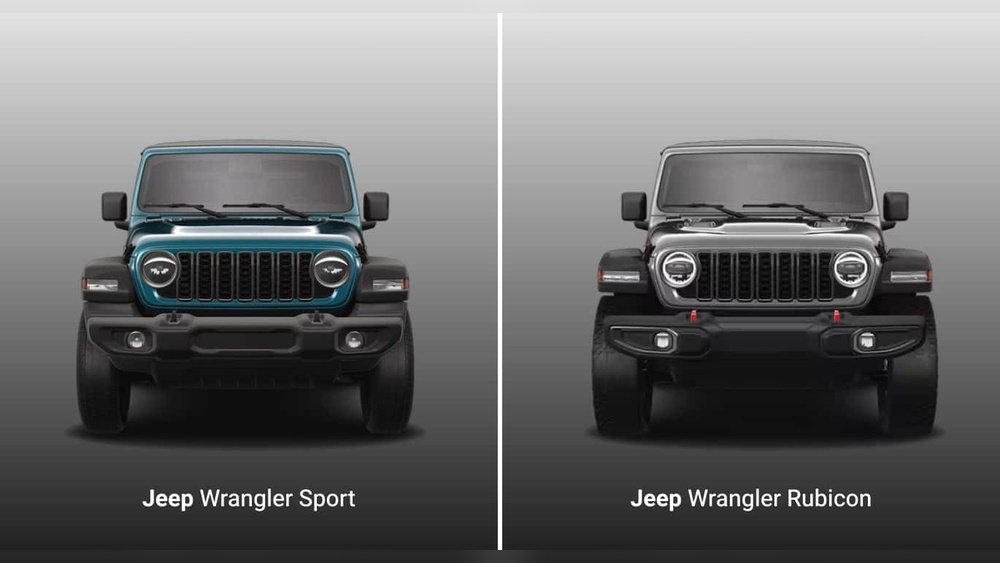
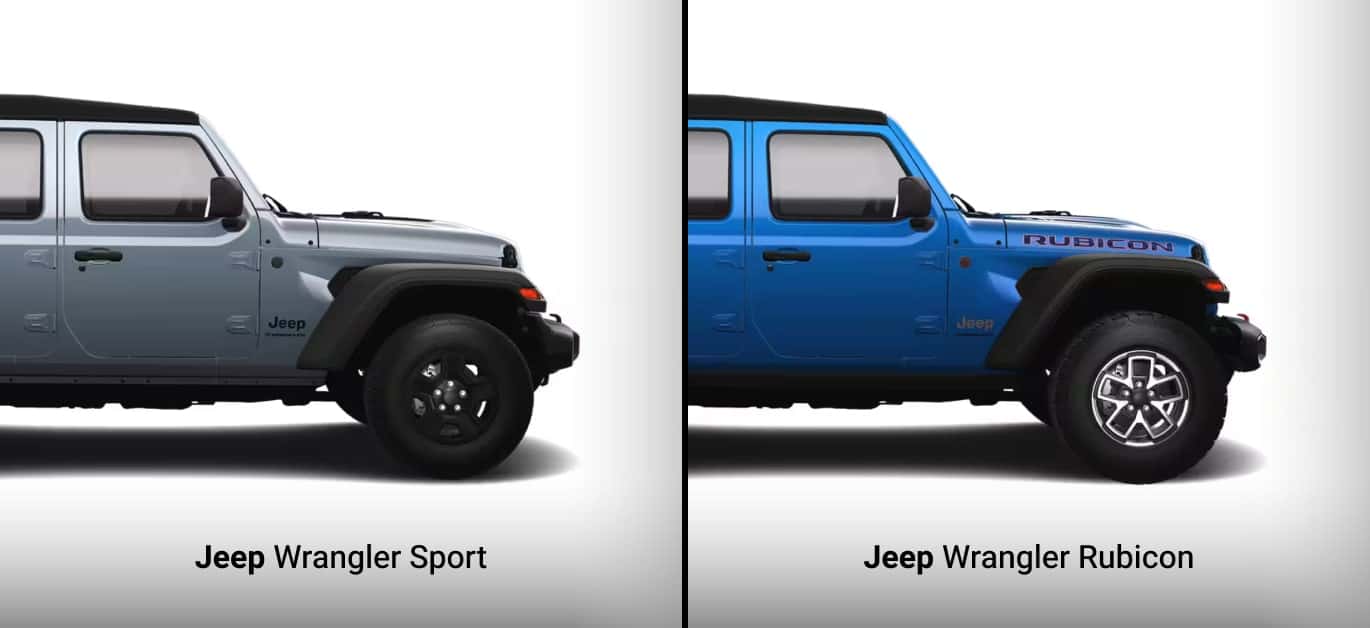
At first glance, the Jeep Wrangler Rubicon and Wrangler Sport may look similar. Both have the classic boxy style, removable top, and off-road spirit. But the key differences are under the surface—mainly in capability, features, and price.
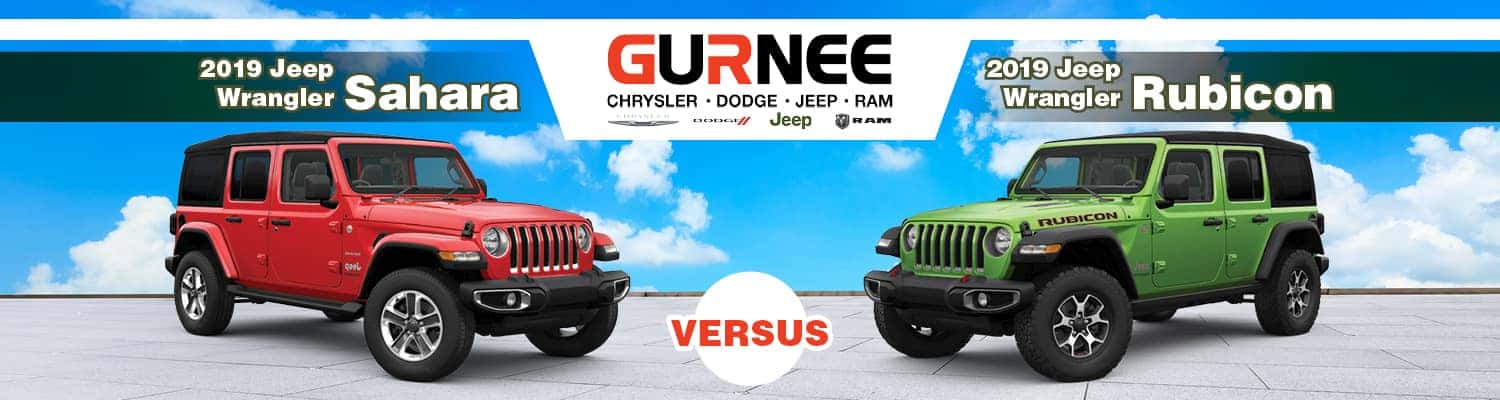
The Rubicon is designed for serious off-road adventure. It comes with heavy-duty axles, locking differentials, and special tires. The Sport is the entry-level model. It’s more basic, with fewer off-road upgrades, making it a better choice for daily driving and light trail use.
Here’s a quick overview:
| Feature | Wrangler Sport | Wrangler Rubicon |
|---|---|---|
| Starting Price | $33,690 | $45,295 |
| Engine (standard) | 3.6L V6 | 3.6L V6 |
| 4WD System | Command-Trac | Rock-Trac |
| Axles | Standard Dana 44 rear | Dana 44 front & rear, heavy duty |
| Locking Differentials | No | Front & rear |
| Tires | All-season, 245/75R17 | Off-road, 285/70R17 |
| Skid Plates | Basic | Upgraded |
Off-road Capability
The biggest reason people choose a Rubicon is for its off-road features. If you love tough trails, rocks, or mud, the Rubicon is a leader in its class.
Key Off-road Features
- Locking Differentials: Both front and rear, giving better control on tough terrain.
- Disconnecting Sway Bar: Lets the wheels move more, so the Jeep stays stable over rocks.
- Rock-Trac 4×4: Advanced system for crawling over obstacles.
- All-Terrain Tires: Stronger grip and more sidewall protection.
The Sport can handle dirt roads and easy trails, but it lacks these advanced features. If you want to climb mountains or cross rivers, the Rubicon is built for it.
Real-world Example
A Sport might get stuck in deep sand because its open differentials send power to the wheel with the least grip. The Rubicon, with lockers, sends power evenly, pulling you out of tough spots.
Comfort And Interior Features
While both models share the same basic interior, the Rubicon offers more comfort options and tech upgrades.
| Feature | Sport | Rubicon |
|---|---|---|
| Touchscreen (standard) | 7-inch | 12.3-inch |
| Speakers | 8 | 9 (Alpine premium optional) |
| Upholstery | Cloth | Cloth or leather |
| Heated Seats | Optional | Available |
| Navigation | Optional | Standard |
The Sport is more “bare-bones. ” This helps keep the price low, but it also means fewer luxuries. If you want more tech and comfort, the Rubicon is the better fit.
Daily Driving And Fuel Economy
Most Jeep buyers use their Wrangler for daily driving. Here, the Sport shines because it’s lighter and simpler, which usually means better fuel economy and easier handling.
- EPA Rating: Both models get about 17–25 mpg, depending on engine and setup.
- Ride Quality: The Sport’s all-season tires and basic suspension make it quieter and smoother on paved roads.
- Maneuverability: The Sport is easier to park and drive in cities.
The Rubicon’s off-road parts, like heavy tires and beefy axles, add weight and noise. This can lower fuel efficiency and make the ride rougher on city streets.
Cost And Value
The price gap between Sport and Rubicon can be huge—often more than $10,000.
What Are You Paying For?
- Rubicon: Off-road hardware, higher resale value, more standard features.
- Sport: Lower upfront cost, cheaper insurance, easier upgrades if you want to customize.
Long-term Value
The Rubicon often keeps its value well. But many owners of the Sport add their own off-road upgrades over time, sometimes for less than the Rubicon’s price difference.
Which Should You Choose?
Consider these questions:
- How often will you go off-road? If it’s a big part of your lifestyle, the Rubicon is worth it.
- Is your budget tight? The Sport offers the Wrangler experience for less.
- Do you like customizing? The Sport is a blank canvas.
- Do you want luxury? The Rubicon has more comfort and tech options.
Many beginners don’t realize the Rubicon’s resale value stays high, so even if you pay more, you may get more back when you sell. Another thing: some drivers buy the Sport and spend extra on aftermarket parts, but these upgrades may not match the Rubicon’s factory performance or warranty.
Detailed Comparison: Rubicon Vs Sport
Here’s a side-by-side look at the core specs:
| Category | Rubicon | Sport |
|---|---|---|
| Max Towing (lbs) | 3,500 | 3,500 |
| Ground Clearance (inches) | 10.8 | 9.7 |
| Approach Angle (degrees) | 44.0 | 41.4 |
| Water Fording (inches) | 33.6 | 31.5 |
| Wheels | 17-inch off-road | 17-inch standard |
Frequently Asked Questions
What Is The Main Difference Between Rubicon And Sport?
The Rubicon is designed for serious off-roading, with special hardware like locking differentials and stronger axles. The Sport is simpler, cheaper, and better for daily driving.
Can I Upgrade A Sport To Match A Rubicon?
You can add some features, like bigger tires or a lift kit. But some things, like the Rubicon’s heavy-duty axles or factory lockers, are hard and expensive to add later.
Which Model Is Better For Beginners?
Most beginners prefer the Sport for its lower cost and easier handling. But if you want to jump straight into tough trails, the Rubicon is ready out of the box.
How Much More Does The Rubicon Cost?
On average, the Rubicon costs about $10,000–$12,000 more than the Sport, depending on options and location. This is mainly due to advanced off-road gear.
Where Can I Learn More About Jeep Wrangler Models?
You can find detailed specs and reviews at the official Jeep website.
Choosing between Rubicon and Sport is about lifestyle and needs. Both offer the real Wrangler feel, but one is for wild adventure, the other for everyday driving. Think about where you’ll drive most, what features you need, and what matters most to you.
That way, you’ll be happy every time you get behind the wheel.