If you see an old Jeep Cherokee on the road, you might wonder how reliable it is. Many people are drawn to its rugged look and reputation for off-road capability. But does this classic SUV hold up over time, or is it a risky buy? Let’s explore the reliability of old Jeep Cherokees, focusing on the models from the 1980s to early 2000s, often called the XJ generation.
Understanding Old Jeep Cherokee Models
The Jeep Cherokee XJ was produced from 1984 to 2001. It became famous for its simple design, strong engines, and good driving experience both on and off the road. Most buyers focus on XJ Cherokees because they are easier to fix and parts are widely available.
Key Features
- 4.0-liter inline-six engine: Known for its durability
- Unibody construction: Light but strong frame
- 4WD options: Good for bad weather and off-road
- Simple electronics: Fewer parts that can fail
These features made the Cherokee popular with families, adventure seekers, and even the police.
Reliability: What The Data Says
Many older Cherokees are still running, but not every one is reliable. Let’s look at some important statistics and comparisons.
| Model Year | Average Mileage (Still Running) | Common Issues |
|---|---|---|
| 1984-1990 | 180,000+ | Rust, electrical, cooling system |
| 1991-1996 | 200,000+ | Transmission, rust, sensors |
| 1997-2001 | 220,000+ | Cooling system, window seals, exhaust |
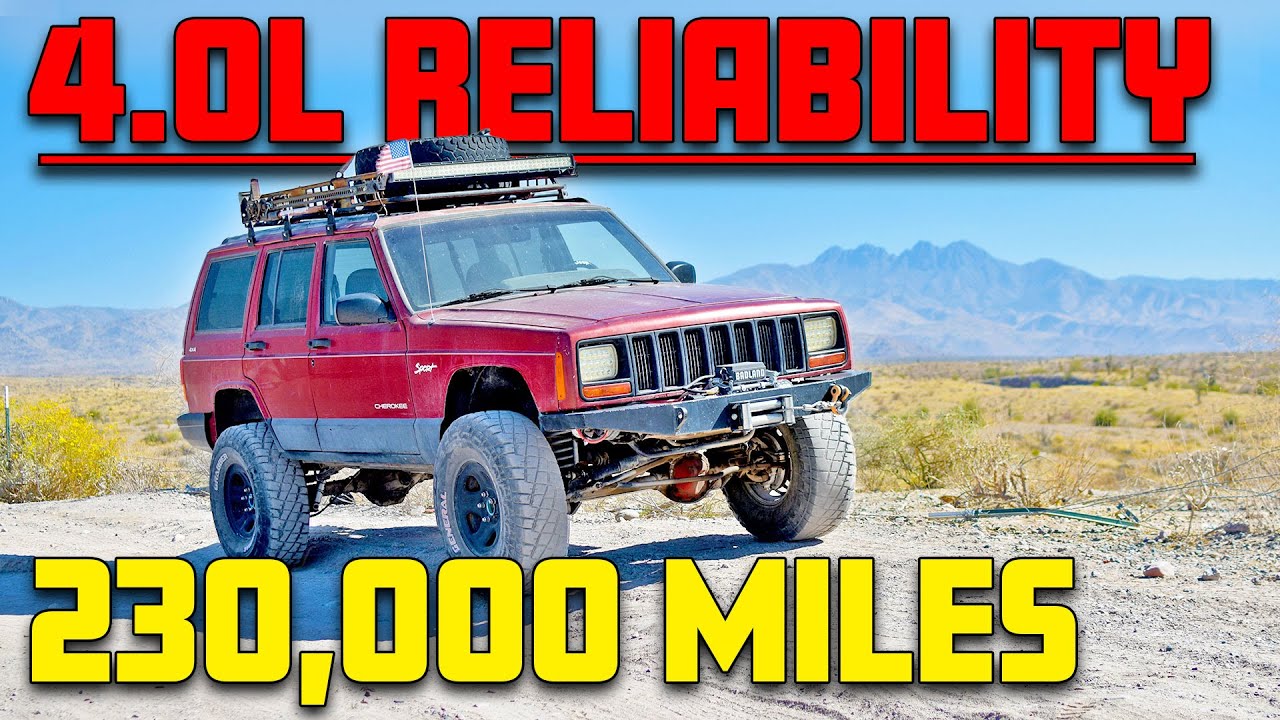
Most XJ Cherokees, especially with the 4.0-liter engine, can reach over 200,000 miles with regular care. According to owners and repair shops, the engine itself is rarely the problem. Instead, the issues are often with body rust, the cooling system, and electrical parts.
Common Problems To Watch For
If you’re thinking about buying an old Jeep Cherokee, you should know which problems happen most often. Some are easy to fix, while others can be expensive.
- Rust: Especially around the floor, door sills, and rear hatch. This is the biggest threat to long-term reliability.
- Cooling system failures: Radiators and water pumps can leak or break, leading to overheating.
- Electrical issues: Worn wiring and old sensors can cause warning lights or starting problems.
- Transmission wear: Automatic models sometimes shift roughly after high mileage.
- Suspension bushings: Worn bushings cause noises and poor handling.
Many owners say that fixing these issues is not too costly compared to other SUVs. Parts are easy to find and mechanics know how to work on Cherokees.
Maintenance: The Secret To Longevity
A well-maintained Cherokee is much more reliable than a neglected one. Here’s what keeps these vehicles running strong:
- Change engine oil every 3,000–5,000 miles
- Inspect and replace coolant every 2–3 years
- Check for rust and treat it early
- Replace worn suspension parts
- Use quality replacement parts
Many Jeep fans believe that regular care can double the life of the vehicle. In fact, some Cherokees have crossed 300,000 miles with only basic repairs.
Comparing Old Cherokees With Other Suvs
How does an old Cherokee compare to similar SUVs from its era? Let’s look at some popular rivals.
| Vehicle | Engine Reliability | Body Rust Resistance | Repair Cost (Avg.) |
|---|---|---|---|
| Jeep Cherokee XJ | Very High | Low | $500-$1,200/year |
| Toyota 4Runner (90s) | High | Medium | $700-$1,500/year |
| Ford Explorer (90s) | Medium | Medium | $600-$1,400/year |
The Cherokee XJ stands out for its tough engine and lower repair costs, but it is more prone to body rust than Toyota or Ford. However, it’s easier to fix and parts are cheaper.
Non-obvious Reliability Insights
While most people know about the Cherokee’s engine, a few lesser-known points can improve reliability:
- Manual transmission models are more reliable than automatics, especially after 150,000 miles. Owners report fewer problems and lower repair costs.
- Aftermarket support is strong. Many companies make improved cooling parts and rust-proof kits, which extend the life of the vehicle.
- The 1999–2001 models have better electrical systems and improved build quality, making them the best choice for reliability.

Practical Tips For Buyers
If you’re considering an old Cherokee, these steps can help you find a reliable one:
- Inspect the underbody and door sills for rust.
- Ask for maintenance records; regular oil changes are a good sign.
- Test heater and air conditioning—these systems often fail in older models.
- Listen for strange noises from the suspension during a test drive.
- Check the VIN for accident history.
Don’t forget, some sellers patch up problems just to sell. Take your time and look closely.
Who Should Buy An Old Cherokee?
An old Jeep Cherokee is a good fit for:
- People who like DIY repairs
- Drivers in rural or snowy areas needing 4WD
- Anyone wanting a classic SUV with simple technology
If you want a low-maintenance vehicle and don’t like fixing cars, the Cherokee might not be the best choice. But for those who enjoy working on their car, it’s a rewarding option.
Frequently Asked Questions
Is The Jeep Cherokee Xj Reliable For Daily Use?
Yes, with regular maintenance, the Cherokee XJ can be reliable for daily driving. Many owners report over 200,000 miles with few major issues.
What Is The Biggest Weakness Of Old Cherokees?
The most common problem is body rust. If rust is left untreated, it can cause expensive damage and affect safety.
Are Parts For Old Cherokees Still Available?
Most parts are easy to find and affordable. Many auto stores and online shops carry Cherokee parts, and some companies offer improved aftermarket options.
How Does The Cherokee Xj Compare To Newer Suvs?
Newer SUVs have more safety features and comfort, but the Cherokee XJ is easier to repair and cheaper to own. It also handles rough roads better than most modern crossovers.
Is It Expensive To Repair An Old Jeep Cherokee?
Repair costs are lower than many other old SUVs. On average, owners spend $500–$1,200 per year for maintenance and repairs.
If you want more technical details, you can check the official Jeep history at Wikipedia.
Owning an old Jeep Cherokee is about balancing adventure and responsibility. With careful maintenance and smart buying, it can be a reliable and fun classic SUV for years to come.