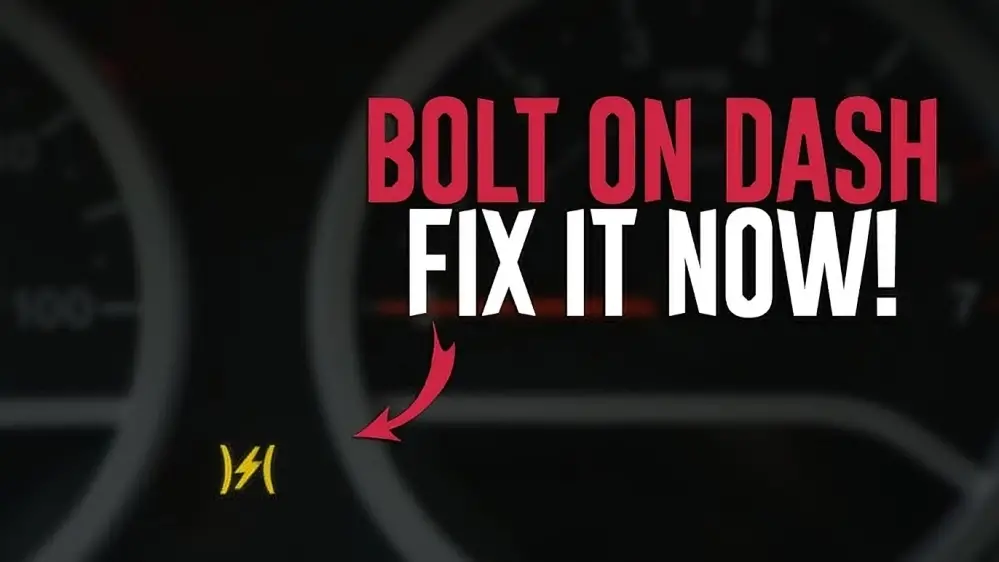
Red lightning bolt on dashboard Jeep signals a throttle system problem. This warning can cause limp mode, rough idle, or delayed acceleration if ignored. The vehicle may lose power or enter limp mode unexpectedly. Knowing causes and fixes prevents further damage and restores proper throttle function.
A red lightning bolt on a Jeep dashboard indicates an Electronic Throttle Control error. It occurs when throttle sensors or pedal sensors report mismatched signals. The ECU reduces engine power, triggering limp mode and limiting acceleration until the issue is fixed.
Modern Jeep throttle systems rely on sensors instead of a cable. Any mismatch triggers the warning. Immediate attention avoids damage to throttle motors and sensors.
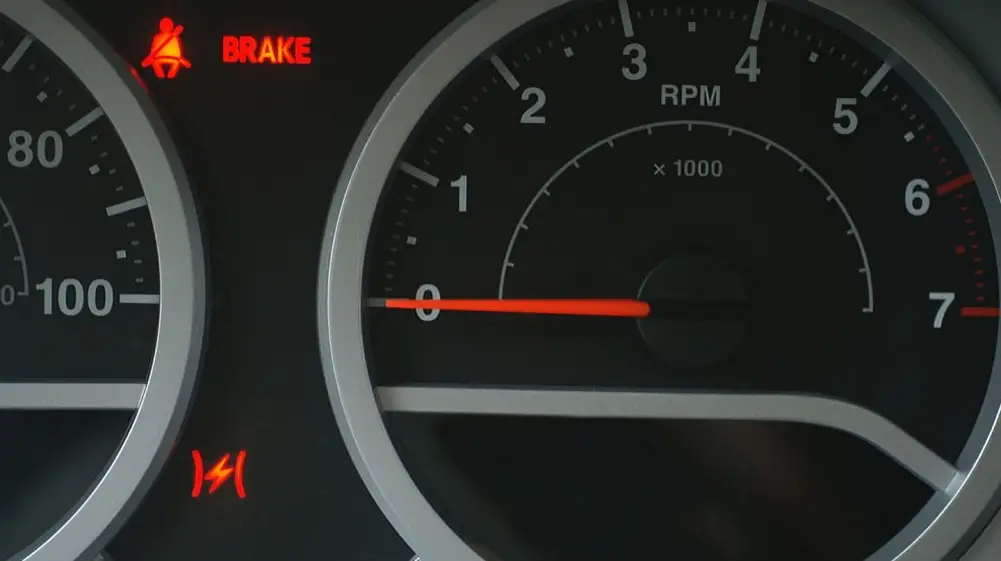
Meaning of the Red Lightning Bolt on a Jeep
A red lightning bolt on dashboard Jeep signals an Electronic Throttle Control error. Sensors track pedal input and throttle blade position. If data mismatches, the ECU reduces engine power.
This is a safety feature. It prevents internal engine damage. The warning restricts acceleration and may cause limp mode.
How the Throttle System Works in a Modern Jeep
Modern Jeeps use an electronic throttle system instead of a traditional cable. The pedal, sensors, and throttle body communicate with the ECU to control engine airflow.
Throttle Pedal Module
Pressing the accelerator pedal sends a voltage signal to the ECU. The ECU interprets this signal to determine how much the throttle blade should open.
ECU Processing
The ECU calculates the correct throttle position based on pedal input, engine load, air density, and temperature. It ensures smooth acceleration and prevents engine damage.
Throttle Body
The throttle body contains a motor and sensors that adjust and monitor the blade angle. The blade opens or closes according to ECU commands.
Feedback Loop
Sensors continuously report the actual blade position to the ECU. If the actual angle differs from the requested angle, the system triggers the red lightning bolt warning.
Symptoms You Notice When the Red Lightning Bolt Appears
When the red lightning bolt on dashboard Jeep lights up, your vehicle may show several noticeable issues. Recognizing them early helps prevent further damage and ensures safe driving.
- Sudden limp mode: Engine power drops to protect components.
- Slow or delayed acceleration: Throttle response is sluggish.
- Jerking during throttle application: Uneven power delivery causes shakes.
- Rough or unstable idle: RPM fluctuates at stops.
- Engine surging while stationary: RPM spikes unexpectedly.
- Hard starts or stalling: Vehicle struggles to start or stay running.
- RPM stuck at low range: Acceleration is limited, especially on highways.
- Loss of passing power: The Vehicle cannot accelerate quickly when overtaking.
These symptoms often indicate throttle body, sensor, or wiring issues. Addressing them promptly prevents long-term damage and costly repairs.
Main Causes of the Red Lightning Bolt Warning
Several issues can trigger the red lightning bolt on dashboard Jeep. Most relate to sensors, wiring, or the throttle body itself. Identifying the exact cause helps you fix the problem before serious damage occurs.
1. Dirty Throttle Body
Carbon buildup blocks airflow and makes the throttle blade stick. This prevents accurate sensor readings and triggers the warning.
2. Faulty Throttle Body Motor
A failing motor slows blade movement. ECU detects a slow response and triggers a warning.
3. Throttle Position Sensor Fault
Mismatched sensor signals confuse the ECU. A warning appears even with correct pedal input.
4. Pedal Position Sensor Fault
Voltage irregularities from the pedal module disrupt ECU communication.
5. Weak Battery
Low voltage causes unstable sensor outputs and triggers the warning.
6. Loose or Corroded Battery Terminals
Intermittent voltage spikes confuse the ECU. Cleaning terminals often solves the issue.
7. Damaged Wiring or Connectors
Rodent bites, heat, or moisture cause shorts. Loose connectors interrupt signals.
Common Causes vs Symptoms
| Cause | Symptom |
|---|---|
| Dirty throttle body | Sticking blade, rough idle |
| Throttle motor failure | Slow response, limp mode |
| Throttle sensor fault | Warning light, slow acceleration |
| Pedal sensor fault | Delayed RPM response |
| Weak battery | Random warning, poor throttle |
| Wiring or connectors | Intermittent warning, stalling |
How to Diagnose Red Lightning Bolt on Dashboard Jeep
- Scan for Codes – Use an OBD2 scanner for codes like P2135 or P2101.
- Check Battery Voltage – 12.4–12.6V at rest, 13.7–14.5V running.
- Inspect Battery Terminals – Remove corrosion, tighten clamps.
- Inspect Throttle Body – Remove intake, check for carbon, move blade.
- Check Connectors – Look for bent pins, moisture, or rust.
- Test Pedal Module – Slow pedal press should match RPM increase.
- Inspect Wiring Harness – Check for cracks, burns, or rodent damage.
- Perform Throttle Relearn – Disconnect battery 10 minutes, reconnect, idle, and drive slowly.
DIY Fixes You Can Try at Home
Before attempting any DIY fixes, ensure your Jeep is parked on a flat surface with the engine off and cooled down.
Safety First: wear gloves and eye protection when handling cleaners or battery terminals. These simple steps often resolve minor throttle issues and prevent the red lightning bolt warning from returning.
Performing these checks regularly helps maintain smooth throttle response and reduces unexpected limp mode incidents.
1. Clean Throttle Body
The throttle body controls airflow into the engine. Carbon and dirt build up over time, causing the blade to stick and sensors to send incorrect signals.
DIY Fix: Remove the intake hose, spray throttle cleaner inside, wipe off carbon on the blade and surrounding areas, then reinstall. This improves airflow and restores proper throttle response.
2. Clean Battery Terminals
Weak or intermittent voltage can trigger the red lightning bolt warning. Corroded or loose terminals reduce electrical flow to sensors.
DIY Fix: Remove battery clamps, use sandpaper or a terminal brush to remove corrosion, then retighten clamps. Stable voltage ensures sensors communicate correctly with the ECU.
3. Reseat Pedal and Throttle Connectors
Loose or dirty connectors cause intermittent sensor signals. The ECU may receive incorrect input from the pedal or throttle sensors.
DIY Fix: Disconnect connectors from the pedal module and throttle body, inspect pins for dirt or bent contacts, clean if necessary, then reconnect securely.
4. Reset ECU
Sometimes the ECU holds old fault data. Resetting it can clear minor glitches without part replacement.
DIY Fix: Disconnect the battery for about 10 minutes. Reconnect, start the engine, let it idle until warm, then drive slowly to allow the ECU to relearn throttle behavior.
5. Check Ground Wires
Loose or corroded ground wires create unstable electrical signals, affecting sensor accuracy.
DIY Fix: Inspect visible ground wires connected to the engine or chassis. Tighten any loose connections to ensure reliable grounding for sensors and ECU circuits.
6. Fix Intake Tube Leaks
Leaks in the intake system allow unmetered air into the engine, causing throttle irregularities and triggering warnings.
DIY Fix: Inspect intake tubes and clamps. Tighten all loose clamps and check for cracks or holes. This ensures proper airflow to the throttle body and accurate sensor readings.
Recommended:
Advanced Repairs That Need a Mechanic
Some red lightning bolt issues require professional attention. Attempting these repairs without experience can cause more damage or safety risks.
- Throttle Body Replacement: Needed when the motor or sensors fail. Replacing it restores proper throttle response.
- Pedal Position Sensor Replacement: Unstable voltage or sensor failure requires a new pedal module.
- Wiring Repair: Burnt, frayed, or damaged wires must be spliced or replaced by a professional.
- ECU Software Update: Dealers can flash the ECU to fix communication errors and update throttle logic.
- Intake System Repair: Oil leaks in the intake or PCV system need replacement and cleaning.
- Sensor Calibration: After repairs, the throttle system may require factory adaptation for accurate blade response.
These advanced repairs are crucial to restore full throttle performance and prevent recurring warnings.
When You Must Stop Driving Immediately
- No acceleration
- Strong jerking
- Repeated limp mode
- Sudden RPM spikes
- Stalling during turns
- The engine stops while braking
- Pedal input delay
- Warning with a burning smell
Repair Costs You Expect
| Repair Type | Cost Range | Labor Time |
|---|---|---|
| Throttle Body Cleaning | Low | 30–45 minutes |
| Throttle Body Replacement | Medium–High | 1–2 hours |
| Pedal Position Sensor Replacement | Medium | 30–60 minutes |
| Battery Replacement | Depends on type | 15–30 minutes |
| Wiring Repair | Varies | 1–3 hours |
| ECU Flash Update | Dealer pricing | 30 minutes |
Prevention Tips to Avoid Future Issues
Preventing the red lightning bolt on the dashboard Jeep is easier than fixing it. Regular maintenance ensures sensors, throttle, and electrical systems stay healthy.
- Clean the throttle annually
- Keep battery terminals clean
- Replace weak batteries promptly
- Inspect connectors during oil changes
- Avoid moisture in the engine bay
- Use quality air filters
- Check ground wires regularly
- Inspect wiring for rodent damage
- Replace PCV parts on schedule
- Avoid cheap pedal controllers
- Start the engine twice per week if parked long-term
Following these tips reduces throttle issues, avoids limp mode, and keeps your Jeep running smoothly.
Why does the warning appear during heat or long drives?
Heat expands wiring, causing unstable sensor signals.
Does the light disappear on its own?
Sometimes temporarily, but it returns until the root cause is fixed.
Can a weak battery trigger this warning?
Yes, low voltage produces unstable sensor readings.
Is it safe to drive with this warning?
Short trips may be okay, but power loss increases risk.
Does cleaning fix everything?
Cleaning solves airflow issues, but sensor or motor faults need replacement.
Conclusion
The red lightning bolt on a Jeep dashboard indicates an Electronic Throttle Control fault. Inspect sensors, throttle body, pedal module, battery, and wiring.
Apply DIY fixes first. Advanced repairs may require a mechanic. Regular maintenance prevents recurring problems and restores safe throttle response.
For more Jeep troubleshooting, check our Jeep dashboard warning lights guide.