If you drive a Jeep Wrangler and recently saw the P0138 code pop up, you’re probably wondering what it means and how to fix it. This code points to a problem with your vehicle’s oxygen sensor, which plays a important role in keeping your engine running smoothly and efficiently.
Ignoring it could lead to poor fuel economy or even more serious engine trouble. You’ll discover exactly what causes the P0138 code, how to spot the common issues, and the best steps to get your Jeep back on the road without hassle.
Keep reading, you’ll learn how to protect your Wrangler and save money on repairs.
What P0138 Means
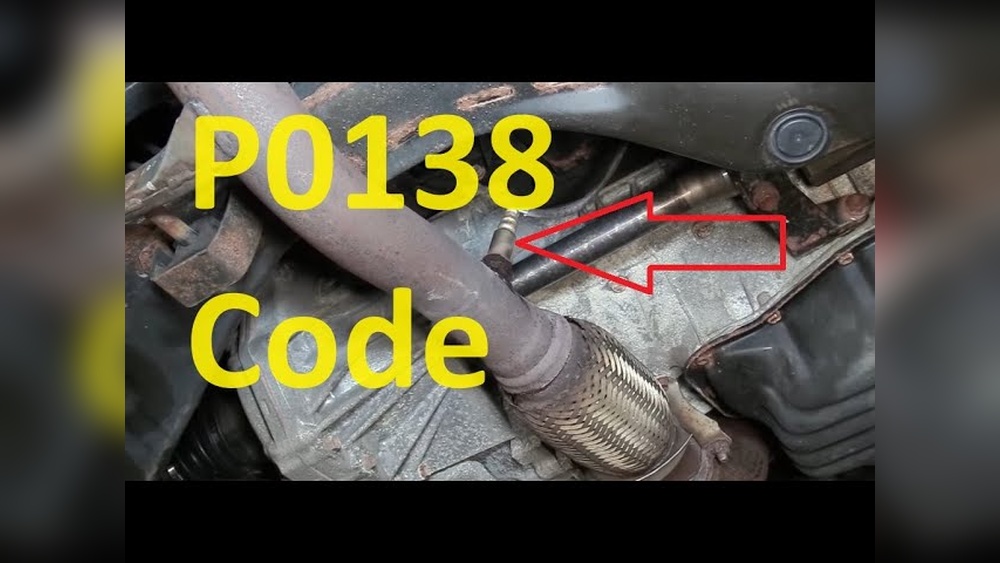
P0138 on a Jeep Wrangler means the oxygen sensor is sending a high voltage signal. This often points to a sensor or wiring problem.
Fixing it usually involves checking the sensor and nearby wiring for damage or leaks.
What The Code Means
The P0138 code signals an issue with your Jeep Wrangler’s oxygen sensor. This code means the sensor is sending a high voltage signal.
The signal stays high longer than it should.
Oxygen sensors measure the amount of oxygen in the exhaust gases. They help the engine control system adjust fuel delivery.
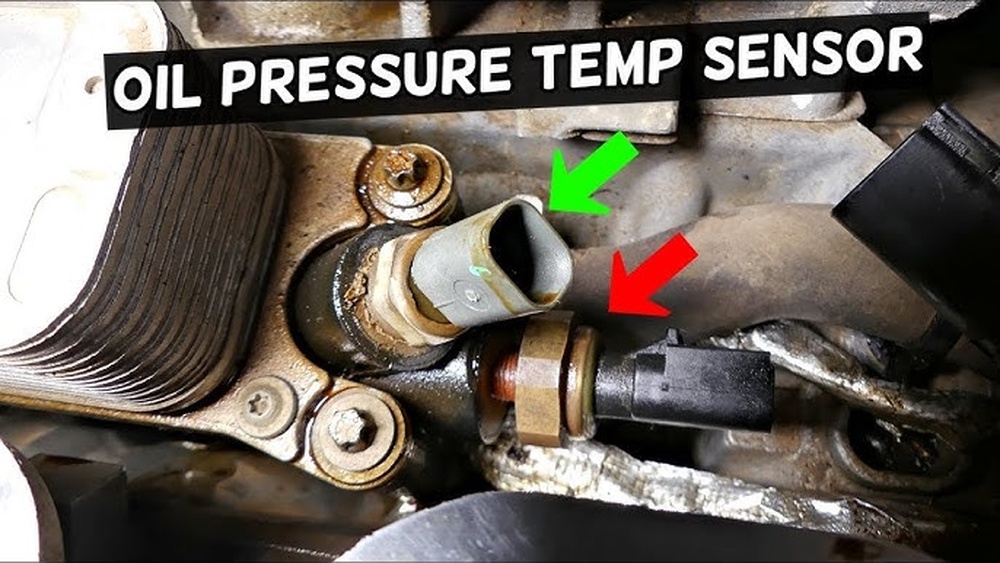
The sensor linked to P0138 is the oxygen sensor on bank 1, sensor 2. This sensor is located after the catalytic converter.
A high voltage signal means the sensor detects too little oxygen in the exhaust. This can confuse the engine control unit.
It may cause poor engine performance and higher emissions.
- Faulty Oxygen Sensor: The sensor may be old or damaged.
- Damaged Wiring: Wires to the sensor can melt, corrode, or break.
- Exhaust Leaks: Leaks near the sensor can let in extra air.
Recommended Fixes
- Check for Exhaust Leaks: Listen for ticking sounds or look for soot.
- Inspect Sensor Wiring: Repair or replace damaged wires and connectors.
- Replace Oxygen Sensor: Swap the sensor if it is faulty or worn out.

Common Causes
The P0138 code in a Jeep Wrangler often points to issues with the oxygen sensor circuit. This code means the sensor is reporting a high voltage signal.
Several factors can cause this problem. Identifying the common causes helps in fixing the issue quickly and correctly.
Faulty Oxygen Sensor
The oxygen sensor may wear out over time. A damaged sensor sends incorrect signals to the engine control unit.
This false high-voltage reading triggers the P0138 code. Sensors exposed to heat and exhaust gases have shorter lifespans. Replacing the sensor often resolves the problem.
Damaged Wiring
Wiring to the oxygen sensor can suffer damage from heat and movement. Wires may melt when touching hot exhaust parts.
Corrosion at connectors also disrupts the electrical flow. Wires rubbing against the transmission or driveshaft can break insulation.
Any wiring issue can cause wrong sensor readings.
Exhaust Leaks
Leaks in the exhaust system near the sensor cause false air to enter. This extra air changes the sensor’s readings.
Exhaust leaks often create ticking sounds or visible soot marks. The sensor detects this outside air and sends a high voltage signal. Fixing leaks can clear the P0138 code.
Symptoms To Watch For
The P0138 code in a Jeep Wrangler points to an issue with the oxygen sensor circuit. Recognizing symptoms early helps prevent bigger problems.
Watch for signs that indicate sensor failure or wiring issues.
Check Engine Light
The most common symptom is the check engine light turning on. It may stay on or flash.
This alerts you to an oxygen sensor fault or related circuit problem.
Poor Fuel Economy
A failing sensor can cause incorrect fuel mixture. Your Jeep may use more fuel than usual.
This leads to lower miles per gallon and more trips to the gas station.
Rough Idle Or Engine Stalling
The engine might run rough or stall unexpectedly. This happens because the sensor sends wrong data to the engine control unit. It cannot adjust fuel and air properly.
Failed Emissions Test
A bad oxygen sensor often causes high emissions. Your Jeep could fail state emissions tests.
This happens due to improper fuel combustion and exhaust gas control.
Unusual Exhaust Smell
You might notice a strong fuel or rotten egg smell. This signals incomplete fuel burning.
The faulty sensor affects exhaust system performance and emissions.
Quick Diagnostic Steps
Diagnosing the P0138 code on your Jeep Wrangler involves a few quick steps. These steps help identify the issue without costly repairs.
Follow them carefully to find the root cause.
Checking For Exhaust Leaks
Start by examining the exhaust system for leaks. Listen for ticking sounds near the exhaust manifold.
Look closely for black soot or damage on pipes and joints. Leaks can let extra air in, causing false sensor readings.
Inspecting Wiring And Connectors
Next, check the wiring connected to the oxygen sensor. Look for melted, frayed, or corroded wires.
Ensure connectors are tight and free from dirt or rust. Damaged wiring can disrupt the sensor’s signal.
Testing The Oxygen Sensor
Finally, test the oxygen sensor itself. Use a multimeter to measure voltage and resistance.
Compare readings to the Jeep’s specifications. A faulty sensor often shows a high voltage or no change at all.
Simple Fixes You Can Try
Fixing the P0138 code on your Jeep Wrangler might be easier than you think. Some simple repairs often clear the issue and get your vehicle running smoothly again.
These fixes target common causes like the oxygen sensor, wiring problems, and exhaust leaks. Trying these steps can save time and money before visiting a mechanic.
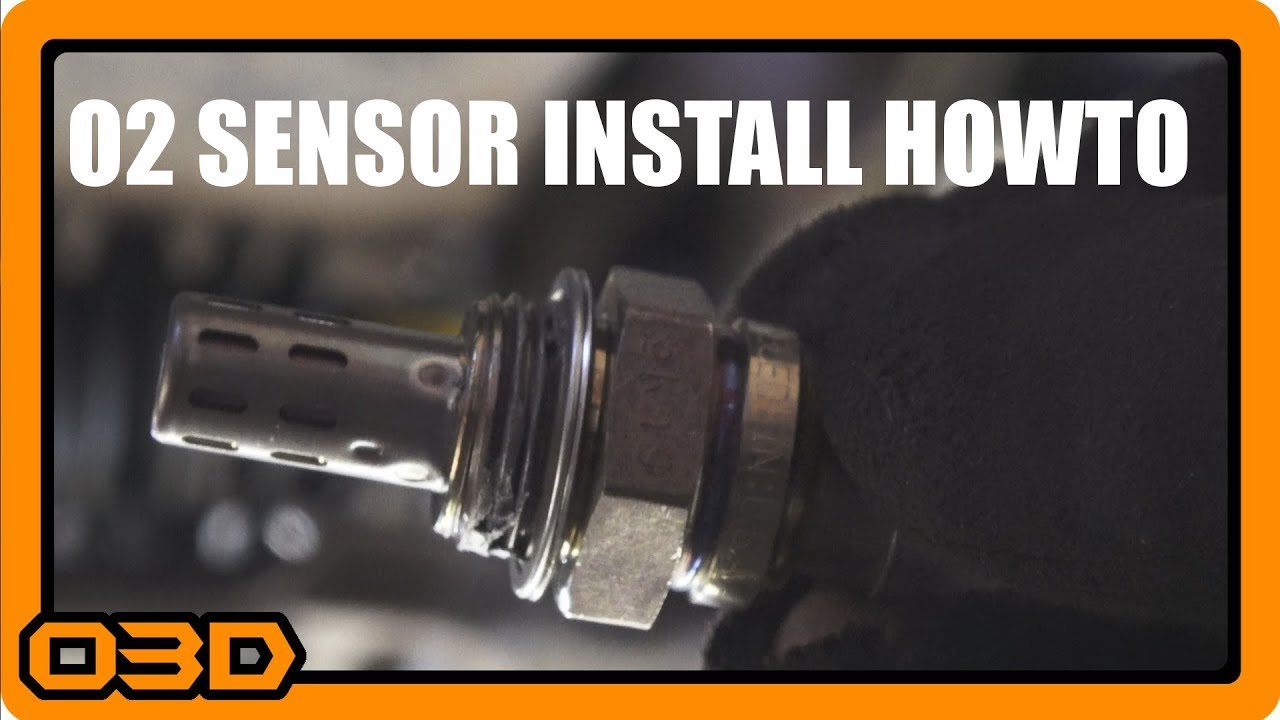
Replacing The Oxygen Sensor
The oxygen sensor often triggers the P0138 code. Over time, it can wear out and send wrong signals to the engine control unit.
Removing the old sensor and installing a new one is a straightforward task. Use the correct sensor model for your Jeep Wrangler.
Make sure the engine is cool before starting. Disconnect the battery to avoid electrical issues.
After replacement, clear the error code with a scanner to check if the fix worked.
Repairing Or Replacing Wiring
Wiring to the oxygen sensor can get damaged from heat or wear. Inspect the wires for burns, breaks, or corrosion.
Fix small damage with electrical tape or heat shrink tubing. For severe damage, replace the entire wiring harness section.
Proper connection is key to accurate sensor readings. Use a multimeter to test wire continuity.
Secure wires away from hot engine parts to prevent future problems.
Sealing Exhaust Leaks
An exhaust leak before the oxygen sensor can cause false readings. Check for any hissing sounds or visible cracks near the exhaust manifold and pipes.
Use a flashlight and mirror to spot leaks in hard-to-see areas. Small leaks can be sealed with exhaust putty or clamps.
Larger damage might require replacing parts of the exhaust system. Fixing leaks helps maintain correct oxygen sensor data and engine performance.
Tools Needed For Repairs
Fixing the P0138 code on a Jeep Wrangler requires the right tools. Having proper equipment makes repairs easier and safer.
It also helps to diagnose the problem accurately.
This section lists the essential tools needed for the repair. Each tool plays a key role in checking and fixing the oxygen sensor circuit.
Prepare these tools before starting any work on your Jeep.
Obd-ii Scanner
An OBD-II scanner reads trouble codes from your Jeep’s computer. It shows the exact code, like P0138, and clears it after repair. This device is important for accurate diagnosis and verification.
Multimeter
A digital multimeter checks electrical circuits and sensor voltage. It helps test the oxygen sensor heater and wiring for faults.
This tool finds shorts, opens, and resistance issues quickly.
Socket Set And Ratchet
A socket set and ratchet remove and install the oxygen sensor. They fit sensor bolts and connectors tightly.
Choose sizes that match your Jeep’s sensor fittings.
Oxygen Sensor Socket
This special socket fits around the sensor’s wiring harness. It allows easy removal without damaging wires.
Using this tool prevents costly sensor or wire damage.
Wire Brush Or Sandpaper
Cleaning sensor connectors and threads improves electrical contact. A wire brush or fine sandpaper removes rust and corrosion. Clean surfaces ensure stable sensor readings.
Penetrating Oil
Penetrating oil loosens rusted sensor bolts. It makes sensor removal smoother and reduces break risks.
Spray it on bolts and wait a few minutes before loosening.
When To Seek Professional Help
The P0138 code in a Jeep Wrangler signals a high voltage from the oxygen sensor circuit. This issue affects your vehicle’s performance and emissions.
Some fixes are simple and can be handled at home. Other times, the problem needs a professional’s attention.
Knowing when to seek expert help can save time and money.
Do not ignore warning signs that suggest deeper issues. Some problems can worsen and cause damage to the engine or exhaust system.
A professional mechanic has the tools and knowledge to diagnose and repair complex sensor faults.
Signs That Require Immediate Professional Attention
If your Jeep shows rough idling, poor fuel economy, or stalling, get professional help. Persistent check engine light with code P0138 needs expert diagnosis.
Strange smells or loud exhaust noises also point to serious problems.
Complex Electrical Problems
Wiring damage or shorts in the oxygen sensor circuit require skilled repair. Professionals can test the sensor’s heater circuit and wiring safely.
Avoid guessing or trying to fix electrical faults without proper tools.
Failed Diy Repairs
If you replaced the sensor but the code returns, visit a mechanic. The issue might be more than just the sensor.
Exhaust leaks or ECU faults may need special diagnostic equipment.
Regular Maintenance And Inspections
Schedule regular checkups to catch sensor problems early. Professionals can inspect the exhaust system and sensors thoroughly.
This prevents P0138 errors from turning into bigger issues.
Preventive Maintenance Tips
Preventive maintenance helps keep your Jeep Wrangler running smoothly. It reduces the chance of error codes like P0138.
Staying ahead with regular checks avoids costly repairs. Simple care steps protect the oxygen sensor and related parts.
Regular Oxygen Sensor Inspection
Check the oxygen sensor for damage or dirt. A clean sensor reads exhaust gases accurately.
Replace the sensor if it shows wear or malfunction signs. This helps prevent false high-voltage readings that trigger code P0138.
Protect Wiring From Heat And Damage
Inspect wiring harnesses near the sensor often. Look for melted insulation or corrosion at connectors.
Secure loose wires away from hot exhaust parts and moving components. Proper wiring prevents signal errors and sensor failures.
Check For Exhaust Leaks
Listen for ticking sounds near the exhaust manifold. Look for black soot marks around pipes and joints.
Exhaust leaks let extra air enter, causing wrong sensor readings. Fix leaks quickly to maintain correct sensor operation.
Use Quality Replacement Parts
Choose OEM or high-quality oxygen sensors for replacements. Cheap sensors may fail early or give inaccurate data.
Good parts ensure the sensor heater circuit works well. Reliable components reduce the chance of error codes.
Follow Scheduled Maintenance
Keep up with Jeep’s recommended service intervals. Regular tune-ups include checking the exhaust and sensors.
Proper maintenance supports sensor health and engine performance. It also helps catch issues before codes appear.
What Is The Code P0138 On A Jeep Wrangler?
Code P0138 on a Jeep Wrangler means the oxygen sensor heater circuit shows high voltage. Check the sensor, wiring, and exhaust leaks.
How Do You Fix A P0138 Code?
To fix a P0138 code, inspect and repair damaged wiring or connectors. Check for exhaust leaks near the sensor.
Replace the faulty oxygen sensor if needed. Clear the code after repairs and test drive to ensure the issue resolves.
Where Is The Oxygen Sensor Bank 2 Sensor 2 Located?
The oxygen sensor bank 2 sensor 2 is located on the rear exhaust pipe after the catalytic converter on the engine’s passenger side.
How Long Can I Drive With A P0138 Code?
You can drive a short distance with a P0138 code but limit driving to avoid damage. Have it fixed quickly.
Conclusion
The P0138 code signals a high voltage from the oxygen sensor heater circuit. It often means a faulty sensor or wiring problem.
Checking for exhaust leaks and damaged wires helps find the root cause. Fixing these issues keeps your Jeep Wrangler running smoothly.
Regular maintenance can prevent this error from coming back. Stay alert to warning signs and act quickly to avoid bigger repairs.
Understanding the P0138 code helps protect your vehicle's performance and safety.