If you own a Jeep Cherokee XJ, you might have heard about installing hood vents. These simple-looking upgrades are popular in the off-road and Jeep community, but are they really worth the cost and effort? Many Jeep XJ owners consider hood vents for better engine cooling, improved performance, and a more rugged look. This article looks at what hood vents do, their real-world benefits, possible downsides, and whether they are a smart choice for your Jeep XJ.
Why Do People Install Hood Vents On Jeep Xjs?
The Jeep Cherokee XJ is known for its durability and off-road capability. However, this model, especially those with the 4.0L inline-six engine, is also known for running hot. The engine bay is tight, and heat can build up quickly, especially during slow off-roading, towing, or hot summer days. Factory cooling systems can struggle, leading to high under-hood temperatures.
Hood vents are added to help hot air escape from the engine compartment. This can improve cooling, reduce the risk of overheating, and even protect engine components from heat damage. Many XJ drivers look for any advantage they can get, especially if they push their vehicles hard.
How Hood Vents Work
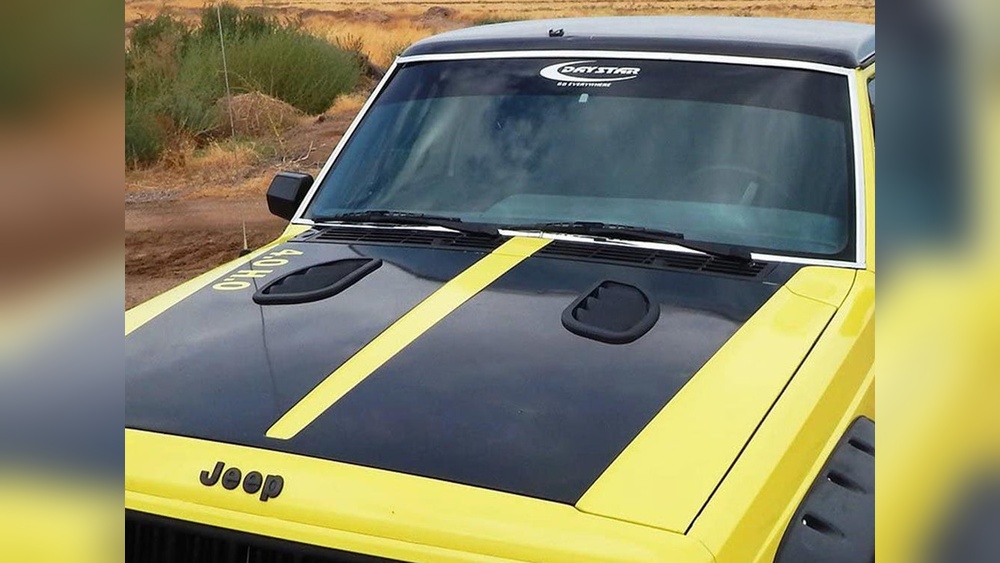
Hood vents, sometimes called louvers, are openings cut into the hood of your vehicle. They are usually covered by angled metal or plastic slats that allow hot air to escape while blocking rain and debris. The idea is simple: as your engine heats up, hot air rises and builds pressure under the hood. Hood vents give this air an exit, making it easier for cooler air to flow in and for the radiator to do its job.
Here’s a simple breakdown of how hood vents affect airflow:
| Without Hood Vents | With Hood Vents |
|---|---|
| Hot air trapped under hood | Hot air escapes through vents |
| High under-hood temperatures | Lower under-hood temperatures |
| Potential heat soak | Improved engine cooling |
This simple change can have a bigger impact than you might expect, especially if you use your Jeep in tough conditions.

Pros: Real Benefits Of Hood Vents For Jeep Xj
1. Lower Under-hood Temperatures
Many XJ owners report a drop in under-hood temperatures after installing hood vents. Some have measured temperature drops of 15–30°F in the engine bay. This can make a big difference in overall cooling, especially in slow, technical driving when the radiator fan is not moving a lot of air.
2. Improved Engine Longevity
High heat is hard on engine parts, wires, and hoses. By letting heat escape, hood vents can help extend the life of plastic and rubber components under the hood. Less heat can also help your oil and coolant last longer.
3. Less Heat Soak
Heat soak happens when hot air stays trapped after you shut off the engine. This can make restarting difficult and can damage electrical parts. Hood vents help reduce heat soak by allowing heat to escape even when the car is parked.
4. Performance In Off-roading
When crawling on rocks or mud, your Jeep moves slowly, and the engine works hard. This is when the cooling system is most likely to struggle. Hood vents can help keep temperatures in check during these moments, which is why many off-roaders see them as a must-have upgrade.
5. Visual Appeal
For many, hood vents add a rugged, custom look to their XJ. Some vents are designed to mimic factory options, while others look more aggressive or sporty.
Cons: What Are The Downsides?
1. Water Ingress
One common worry is rain or water entering through the vents. While most vents are designed to deflect rain away from sensitive parts, heavy downpours or deep water crossings can still send water into the engine bay. This is rarely a problem for most users, but it’s something to consider if you live in a very wet area.
2. Installation Difficulty
Installing hood vents means cutting holes in your hood—a step that can be stressful and hard to reverse. A careful, measured approach is needed, and mistakes can ruin the look or function. Many choose to have a shop do the work, which adds to the cost.
3. Noise
Some users report a slight increase in engine noise after installing vents. This is usually not a major problem, but it can make the cabin a bit louder, especially at idle.
4. Possible Warranty Concerns
If your Jeep is still under warranty, cutting the hood may affect coverage for rust or paint. Always check with your dealer before making this modification.
Types Of Hood Vents For Jeep Xj
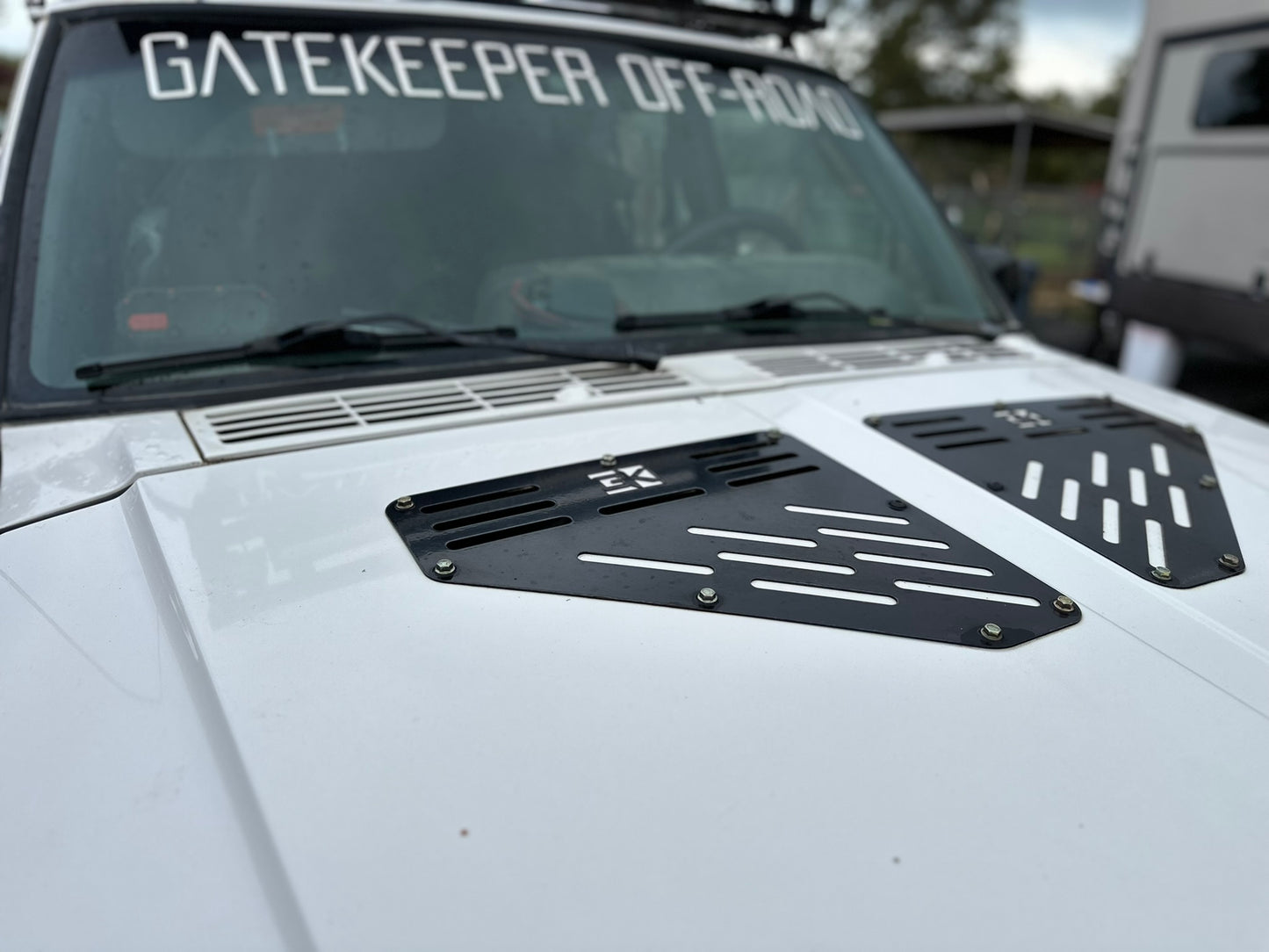
There are several styles and brands to choose from. Common options include:
- Factory-style louvers: These are usually made of stamped steel or aluminum and fit flush with the hood.
- Aftermarket kits: Many companies offer kits made specifically for the XJ. They come in different shapes and sizes.
- DIY vents: Some owners use vents from other vehicles (like old Mustangs or Firebirds) and adapt them to the XJ.
Here’s a quick comparison of the main types:
| Type | Material | Cost | Installation Difficulty |
|---|---|---|---|
| Factory-style | Steel/Aluminum | Medium | Moderate |
| Aftermarket | Aluminum/Plastic | Low-High | Easy-Moderate |
| DIY/Salvage | Varies | Low | Challenging |
Installation: What To Expect
Installing hood vents is not a small job, but it’s doable for most people with basic tools and patience. Here’s a simplified overview of the steps:
- Plan placement: Mark the vent locations. Most aim for the hottest spots above the engine and exhaust manifold.
- Mask and protect: Use tape to protect the paint around your work area.
- Cut the hood: Use a jigsaw or cut-off wheel. Go slow and double-check measurements.
- Deburr and paint edges: Prevent rust by smoothing and painting all raw edges.
- Attach vents: Most vents bolt or rivet into place.
- Test for leaks: After installation, hose down the hood and check for leaks.
A typical install takes 2–4 hours. If you’re not comfortable cutting your hood, a body shop can do the work for a fee.
Real-world Results: Do They Work?
Reports from Jeep XJ forums and owners show that hood vents really do help with engine cooling. Many users track engine bay temps before and after installation, noticing drops of 15–30°F. Some drivers in hot climates say they no longer worry about overheating during tough off-roading.
For daily drivers, the benefits might be less dramatic, but the engine bay will still run cooler. It’s not just about the temperature gauge—lower under-hood heat means less stress on your wiring, sensors, and hoses.
Here are some actual user-reported results:
| Condition | Temp Drop (°F) | Notes |
|---|---|---|
| City traffic, summer | 20°F | Measured at firewall |
| Off-road crawl | 25°F | Engine bay sensor |
| Highway speeds | 10°F | Less noticeable |
Are Hood Vents Worth The Cost?
The average hood vent kit costs between $60 and $200, depending on brand and materials. Shop installation can add another $100–$300. For off-roaders, this cost is often seen as good value for peace of mind and real cooling gains.
If you live in a hot climate, tow heavy loads, or spend time crawling trails, hood vents are almost always worth it. For those who use their XJ as a daily commuter in a mild climate, the value is less clear—but the added style and long-term protection for under-hood parts still matter.
Two Surprising Benefits Most People Miss
1. Transmission Cooling Help
Many Jeep XJ owners forget that the automatic transmission is cooled by a line running to the radiator. Lower under-hood temps can help keep transmission fluid cooler, which extends transmission life. This is especially important for towing or off-roading.
2. Better Air Conditioning Performance
High under-hood temperatures can make your A/C system less effective because the condenser sits in front of the radiator. With lower under-hood temps, the A/C can blow colder, especially in traffic or on slow trails.
Common Mistakes To Avoid
- Cutting the hood without a plan: Always measure twice and check vent placement for both function and looks.
- Skipping rust protection: Raw edges will rust quickly. Always paint or seal after cutting.
- Choosing the wrong vent size: Too small won’t help much; too large can weaken the hood or let in too much water.
- Overtightening hardware: This can crack plastic vents or deform thin metal hoods.
Alternatives To Hood Vents
If you’re not ready to cut your hood, there are other ways to help your XJ stay cool:
- Upgraded radiator: A high-flow aluminum radiator can improve cooling.
- Electric fan conversion: Replacing the mechanical fan with an electric one for better airflow at low speeds.
- Hood spacers: Raising the back of the hood with spacers lets hot air escape, but some dislike the look.
Hood vents work best when combined with a healthy cooling system. Make sure your radiator, thermostat, and fan clutch are all in good shape before adding vents.
Who Should Install Hood Vents?
Best for:
- Off-roaders and rock crawlers
- XJ owners in hot climates
- Those who tow regularly
- Anyone with overheating issues
Less important for:
- Daily drivers in cool climates
- Owners who want to keep their XJ stock
- Those worried about resale or warranty
A Note On Legality And Insurance
Cutting your hood and adding vents is legal in most areas, but local rules may vary, especially if you live in a place with strict vehicle inspections. Some insurance policies may require you to report modifications. It’s a good idea to check before you make changes.
For more information on how engine cooling works, see Wikipedia’s engine cooling article.
Frequently Asked Questions
Do Hood Vents Cause Engine Damage In The Rain?
Properly designed hood vents direct water away from sensitive engine parts. Normal rain rarely causes problems, but avoid parking under trees or in deep water. Always check your install for leaks.
Will Hood Vents Make My Jeep Xj Louder?
Some increase in engine noise is possible, but it’s usually minor. Most drivers notice a little more sound when idling or accelerating, but it’s not enough to bother most people.
Can I Install Hood Vents Myself?
Yes, if you’re comfortable with basic tools and measuring, you can install them at home. The hardest part is cutting the hood cleanly and protecting the new edges from rust.
Are There Any Maintenance Requirements For Hood Vents?
Check the vents for debris, leaves, or snow buildup, especially before long trips. Also, check the mounting hardware every few months to ensure it’s tight.
Will Hood Vents Void My Warranty?
They might affect your paint or rust warranty. Always check with your dealer if you’re worried about warranty coverage before cutting your hood.
Hood vents are a simple, proven way to help your Jeep XJ keep its cool. For those who demand more from their XJ, they’re almost always worth the upgrade. If you use your XJ hard or live where it’s hot, the peace of mind and real temperature drops make this a smart, practical choice.