Change the transmission fluid in your Jeep Wrangler, and you’ll keep your vehicle running smoothly for years. Many owners forget about this crucial service, risking expensive repairs. Whether you own a JK, JL, TJ, or XJ, knowing how and when to change transmission fluid is key for reliability, especially if you tow, off-road, or drive in extreme conditions.
Why Transmission Fluid Change Matters
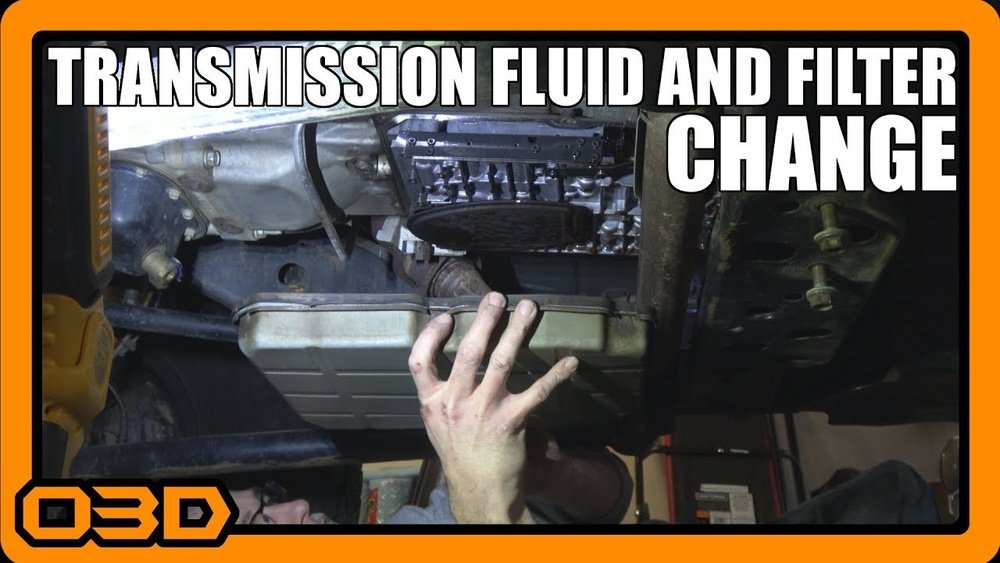
The transmission is one of the most expensive parts to repair or replace. Fluid lubricates gears, cools moving parts, and keeps everything shifting smoothly. Old fluid causes:
- Hard or delayed shifting
- Slipping gears
- Overheating
- Increased wear and tear
These symptoms can lead to full transmission failure if ignored. Regular fluid changes help you avoid a $2,500–$4,000 rebuild.
Jeep Wrangler Transmission Differences
Jeep Wranglers use different transmissions based on model year and trim. Before buying fluid or starting a service, check your specific Wrangler’s details.
| Platform | Years | Transmission Types | Capacity (qt) |
|---|---|---|---|
| TJ | 1997-2006 | 3-speed Auto, 5/6-speed Manual | 4.0–4.2 |
| JK | 2007-2018 | 5-speed Auto, 6-speed Manual | 5.5–7.4 |
| JL | 2018–present | 8-speed Auto, 6-speed Manual | 8.1–8.4 |
| XJ | 1984-2001 | 4-speed Auto, 5-speed Manual | 4.0–4.7 |
Tip: Always confirm with your owner’s manual or dealer. Some trims and engines use different fluids or capacities.

Signs You Need A Fluid Change
Don’t wait for transmission problems. Look for these signs:
- Rough or delayed shifting
- Transmission slipping (engine revs, but Jeep doesn’t move as expected)
- Fluid leaks under the Jeep
- Burnt smell or dark fluid on dipstick
- Strange noises when shifting
If you tow, off-road, or drive in hot/cold climates, change fluid more often.
How Often To Change Transmission Fluid
Change intervals depend on model, driving style, and transmission type:
| Model | Automatic Interval | Manual Interval |
|---|---|---|
| TJ | 30,000 miles | 60,000 miles |
| JK | 60,000 miles | 100,000 miles |
| JL | 60,000 miles | 100,000 miles |
| XJ | 30,000 miles | 60,000 miles |
Severe use (towing, heavy off-roading, dusty roads): Change every 30,000 miles.
What You Need: Fluids And Tools
Check compatibility for your model and transmission:
- Fluid: ATF+4 (most JK/JL automatics), Mopar Manual Transmission Fluid (manuals), Dexron II/III (older XJ/TJ automatics)
- Filter: Automatic transmissions only
- Gasket or RTV sealant
- Socket set and ratchet
- Drain pan
- Funnel
- Torque wrench
- Shop towels and gloves
Some Jeeps need a special tool to refill sealed transmissions.
Step-by-step: Transmission Fluid Change
Changing transmission fluid is a moderate DIY project. Here’s a simplified outline:
- Warm up the Jeep for a few minutes to thin the fluid.
- Raise the vehicle and secure with jack stands.
- Locate the transmission pan (usually under the center of the Jeep).
- Place drain pan under the transmission.
- Remove pan bolts carefully. Let fluid drain completely.
- Remove old gasket and filter. Clean the pan.
- Install new filter and gasket. Reattach pan and torque bolts to spec.
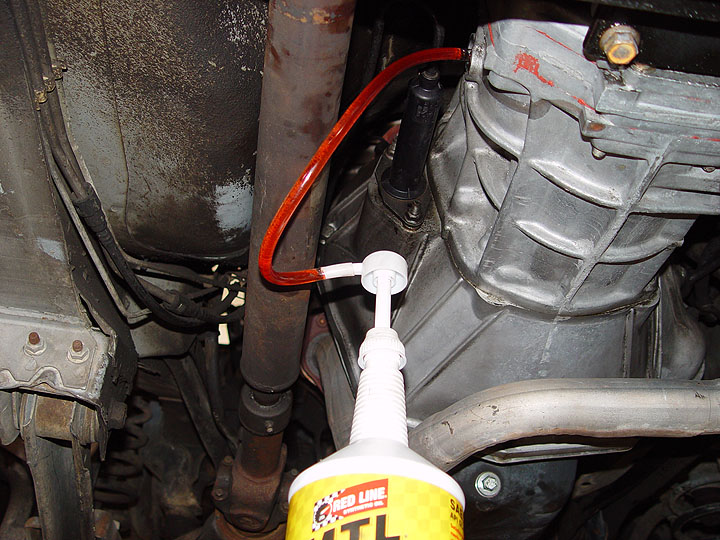
- Refill with new fluid through dipstick tube or fill plug.
- Start engine, shift through all gears, then check fluid level. Add more if needed.
- Check for leaks under the Jeep.
Non-obvious tip: Always measure the amount of fluid you drain. Add the same amount first, then top off as needed. Overfilling can cause problems.
Estimated Costs: Diy Vs. Shop
- DIY Parts: $45–$95 (fluid, filter, gasket)
- Mechanic/Lube Shop: $150–$350 (includes labor)
Automatics cost more due to fluid and filter. Manuals usually need less fluid and no filter.
Common Mistakes And How To Avoid Them
- Using wrong fluid: Always check the manual or parts store by VIN.
- Over-tightening pan bolts: Causes leaks or cracks.
- Not changing the filter: Dirty filters reduce flow and cause shifting issues.
- Forgetting to clean the magnet: Transmission pans have a magnet to catch metal shavings. Clean it every time.
Experience tip: On sealed transmissions (no dipstick), fluid must be added and checked at a specific temperature, often using a scan tool.

When To See A Mechanic
If you notice:
- Metal shavings in fluid
- Burnt or black fluid after short use
- Transmission warning lights
- Major leaks or shifting problems after service
Visit a certified Jeep mechanic. Modern JL and some JK models need special tools and knowledge. If you’re unsure, let a pro handle it.
Fluid Compatibility And Platform Differences
Jeep platforms have unique needs:
- JK/JL automatics: Use ATF+4 only. Mixing fluids can destroy the transmission.
- TJ/XJ automatics: Dexron III or equivalent. Never substitute with ATF+4 unless specified.
- Manuals: Use only Mopar or approved fluid, not gear oil.
Towing and off-roading: Change fluid more often. Heat and heavy loads break down fluid faster.
For detailed specifications, see the official Jeep maintenance resources.
Frequently Asked Questions
How Do I Know Which Fluid My Jeep Wrangler Needs?
Check your owner’s manual or call a Jeep dealer with your VIN. Different years and transmissions require specific fluids.
Can I Change Jeep Wrangler Transmission Fluid Myself?
Yes, if you have basic tools and follow instructions. Automatics are messier and take longer than manuals. Some sealed transmissions need special tools.
What Happens If I Never Change The Transmission Fluid?
Old fluid causes shifting problems, overheating, and can destroy your transmission. Regular changes protect your investment.
Do All Jeep Wranglers Have A Transmission Fluid Filter?
No. Only automatic transmissions have a filter. Manuals do not use a fluid filter.
Is It Normal For Fluid To Look Dark After Off-roading Or Towing?
Yes, heavy use makes fluid darken faster. If it smells burnt or has particles, change it soon.
—
Relevant internal-link anchor texts:
- “Jeep Wrangler maintenance schedule”
- “Common Jeep repair costs”
- “How to check transmission fluid”