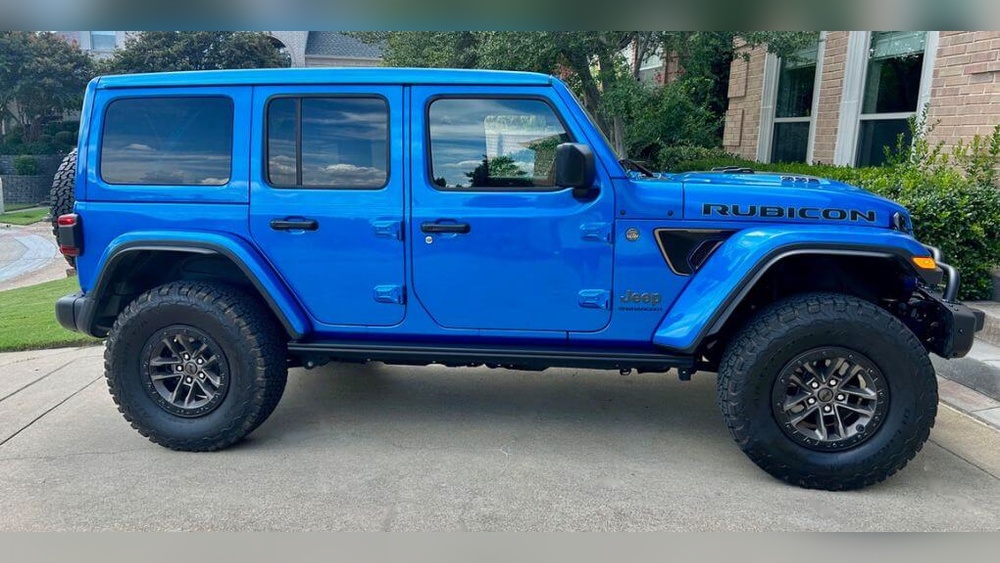
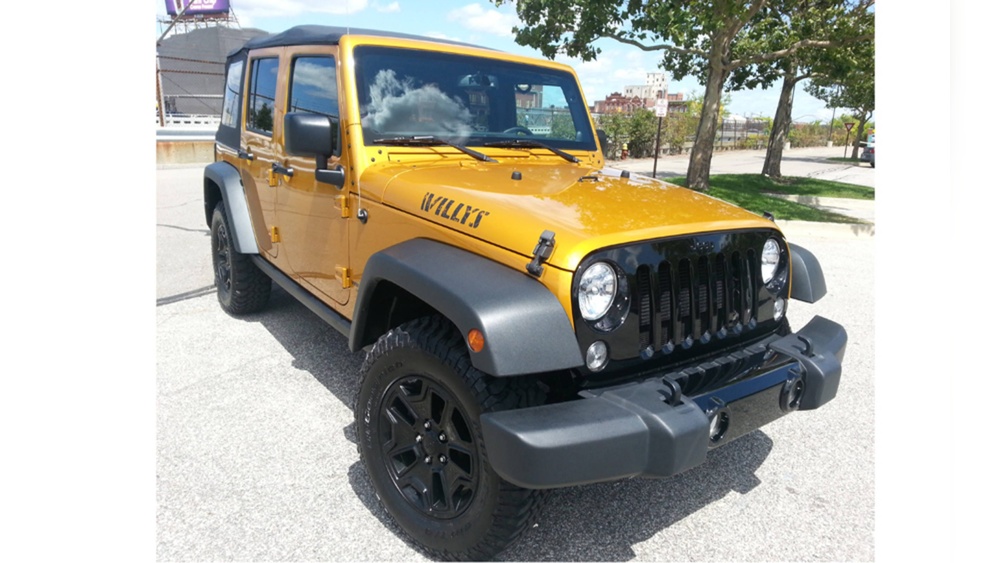
The Jeep Wrangler JK is a favorite among off-road fans and daily drivers. Keeping your Wrangler’s wheels aligned is essential for smooth driving, tire life, and safety. But many owners get confused when choosing between a 2 wheel alignment and a 4 wheel alignment. Which one does your JK really need? Let’s break down the differences, benefits, and when you should pick one over the other.
What Is Wheel Alignment?
Wheel alignment means adjusting the angles of your Jeep’s wheels so they are set to the manufacturer’s specs. Proper alignment helps your tires wear evenly, your steering stay straight, and your Jeep handle well both on and off the road.
The key alignment angles are:
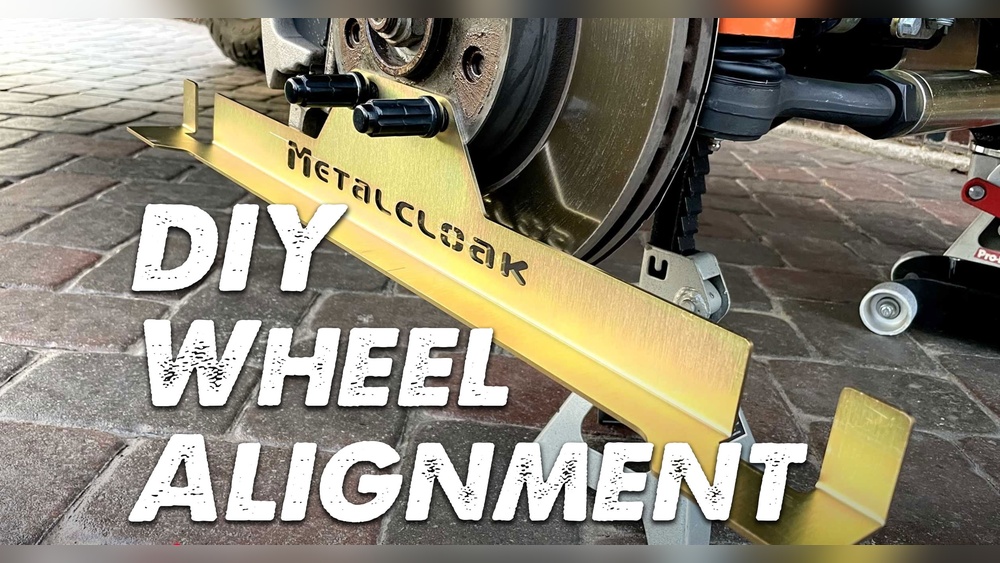
- Camber: Tilt of the wheel inward or outward from the car.
- Toe: Whether wheels point inward or outward when viewed from above.
- Caster: The angle of the steering axis from the side view.
Incorrect alignment can cause your tires to wear quickly, pull to one side, or even make your Jeep unsafe to drive.
2 Wheel Alignment: What Does It Cover?
A 2 wheel alignment (also called a front-end alignment) only adjusts the front wheels. This is the most common type of alignment for vehicles with a solid rear axle, like many Jeep Wranglers.
When is it used?
- Your Jeep has not been lifted or modified in the rear.
- The rear axle is straight and does not need adjustment.
- You only notice uneven tire wear or steering issues at the front.
Typical steps include:
- Adjusting toe, camber, and caster on the front wheels.
- Checking, but not adjusting, the rear wheels.
Advantages:
- Faster and cheaper than a 4 wheel alignment.
- Good for Wranglers with a solid, undamaged rear axle.
Drawbacks:
- Won’t fix problems caused by a bent or misaligned rear axle.
- Not ideal if your Jeep has been in a rear-end accident or has rear suspension modifications.
4 Wheel Alignment: The Full Picture
A 4 wheel alignment checks and adjusts all four wheels. For the Jeep Wrangler JK, it means aligning both the front and rear axles, even though the rear is usually solid and not adjustable.
When is it used?
- Your Jeep has been lifted or the suspension modified.
- There’s uneven tire wear on the rear tires.
- After a collision or heavy off-road use.
- You want maximum tire life and best handling.
Typical steps include:
- Measuring and adjusting alignment angles on all four wheels.
- Centering the steering wheel.
- Adjusting rear toe (if possible on your setup).
Advantages:
- Ensures all wheels are tracking straight.
- Best for modified or heavily used Wranglers.
- Detects hidden problems with axle alignment.
Drawbacks:
- Costs more than a 2 wheel alignment.
- Some shops may not have proper Jeep alignment experience.
Key Differences Between 2 And 4 Wheel Alignment
Here’s a quick comparison to help you see the main differences:
| Feature | 2 Wheel Alignment | 4 Wheel Alignment |
|---|---|---|
| Wheels Adjusted | Front Only | Front & Rear |
| Time & Cost | Lower | Higher |
| Best For | Stock, unmodified JKs | Lifted/modified JKs, after accidents |
| Improves Tire Life | Front tires mostly | All tires |
Which Alignment Is Best For Your Jeep Wrangler Jk?
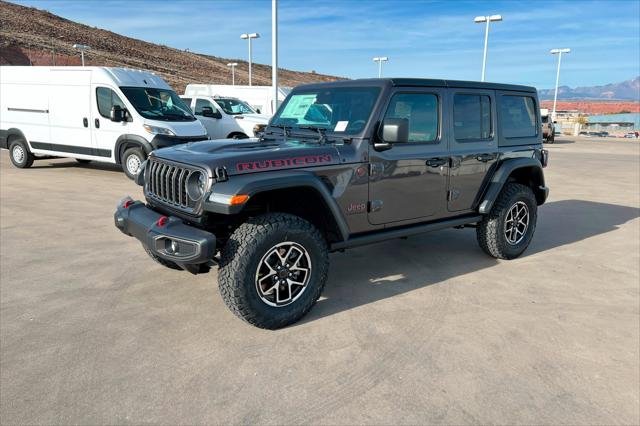
Most stock Jeep Wrangler JKs can get by with a 2 wheel alignment. The solid rear axle rarely moves out of alignment unless it has been damaged or modified.
However, a 4 wheel alignment is smart if:
- You have installed a lift kit or changed suspension parts.
- Your Jeep has been in a crash or suffered hard off-road impacts.
- You notice odd tire wear on the rear tires.
- You want to double-check everything for peace of mind.
Pro tip: If you plan to take your Wrangler off-road often or add bigger tires, a 4 wheel alignment after any major change is a wise investment.
Here’s a simple decision guide:
| Situation | Recommended Alignment |
|---|---|
| Stock JK, no suspension changes | 2 Wheel Alignment |
| Lifted JK or changed rear suspension | 4 Wheel Alignment |
| Post-collision or axle damage | 4 Wheel Alignment |
| Strange rear tire wear | 4 Wheel Alignment |
Common Mistakes And Overlooked Facts
Many Jeep owners don’t realize that misalignment can hurt more than just tires. It can affect fuel economy and make your Jeep harder to control, especially off-road.
A common mistake is getting a 2 wheel alignment after a lift kit install. Lifting changes angles on both axles, so skipping a 4 wheel alignment can lead to odd handling or rapid tire wear.
Also, not all shops understand solid axle alignment like on the Wrangler JK. Always choose a shop with Jeep experience.
What Really Happens During An Alignment?
Alignment is done using laser or digital tools. The mechanic puts sensors on each wheel and checks their angles. For the JK, the front toe and caster are usually adjusted. On some modified setups, rear adjustments can be made with aftermarket parts.
It’s smart to ask for a printout of your before-and-after alignment specs. This helps you spot any future problems quickly.
Why Alignment Matters For Off-roading
Jeep Wranglers see lots of tough terrain. Rocks, potholes, and rough trails can knock your wheels out of alignment. Even a small misalignment can make your Jeep drift on the highway or cause your steering wheel to sit off-center.
Regular alignments protect your investment, save you money on tires, and keep your Wrangler tracking straight whether you’re on the road or a trail.
For a detailed technical explanation, you can visit the official Wikipedia page on wheel alignment.
Frequently Asked Questions
How Often Should I Get My Jeep Wrangler Jk Aligned?
It’s best to check alignment every 12,000 miles or once a year. If you off-road often or notice handling issues, check it sooner.
Can I Align My Own Jeep At Home?
Basic checks are possible, but for accurate alignment, special tools are required. DIY alignment is not recommended for most owners.
Will A 2 Wheel Alignment Fix Rear Tire Wear?
No. If rear tires are wearing oddly, a 4 wheel alignment is needed to check for bent or misaligned rear parts.
How Much Does A 4 Wheel Alignment Cost For A Wrangler Jk?
Prices range from $100 $200, depending on location and shop experience. 2 wheel alignment is usually $60 $120.
Do I Need An Alignment After Installing Bigger Tires?
Yes. Bigger tires can change handling and alignment angles, so an alignment is always recommended after tire upgrades.
Getting the right alignment for your Jeep Wrangler JK keeps your ride safe and fun. Pay attention to how your Jeep drives, and choose the right alignment for your needs. This small step can save you big money and trouble down the road.