Jeep Wrangler owners often debate between 35-inch and 37-inch tires. Both sizes are popular for off-road adventures and style, but they offer very different experiences. If you’re considering upgrading your Wrangler’s tires, this article will help you understand the differences, advantages, and trade-offs. Let’s dive into the real-world impact of choosing 35 vs 37 tires.
Tire Size Basics: What’s Different?
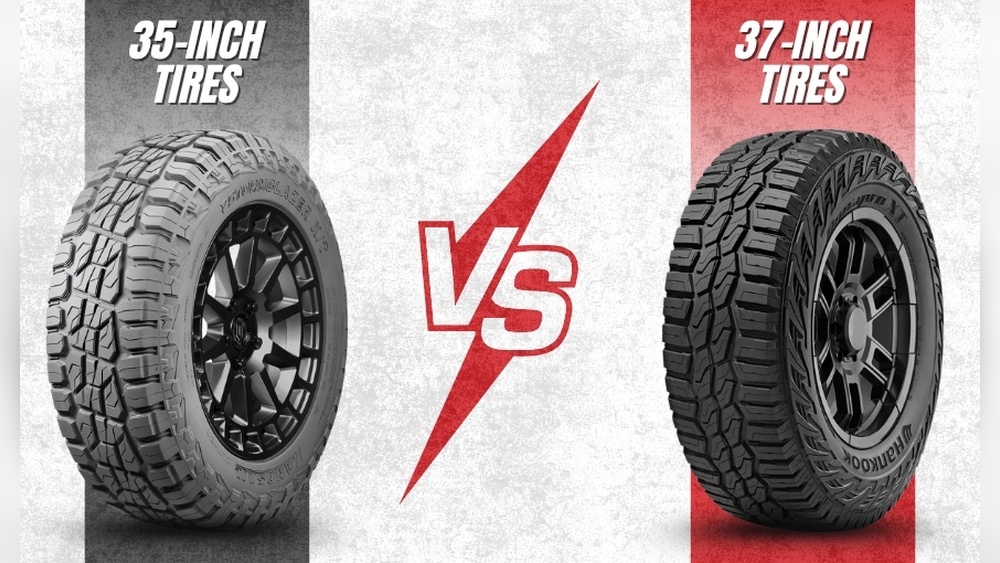
The 35-inch tire is a common upgrade for Jeep Wranglers. It offers a noticeable boost in ground clearance and a more aggressive look. 37-inch tires take things further, providing even more clearance and traction, but they demand more from your vehicle.
Larger tires mean:
- Higher ground clearance
- Bigger footprint (contact with ground)
- Added weight
- Changes to speedometer and gearing
But, bigger isn’t always better. The choice depends on your goals, budget, and how you use your Jeep.
Comparing 35 Vs 37 Tires: Key Factors
Here’s a quick comparison:
| Factor | 35-Inch Tires | 37-Inch Tires |
|---|---|---|
| Ground Clearance | Good | Excellent |
| Fuel Economy | Moderate drop | Significant drop |
| Ride Quality | Smoother | Stiffer |
| Required Upgrades | Few | Many |
| Cost | Lower | Higher |
35-inch Tire Benefits
- Simple Install: Most Wranglers can fit 35-inch tires with a basic 2-3 inch lift.
- Better Fuel Economy: The weight is less than 37s, so you lose fewer miles per gallon.
- Affordable: Tires are cheaper; upgrades (lift, gears) are less expensive.
- Less Stress: Axles, brakes, and steering remain closer to factory specs.
- Good Off-Road Capability: Handles rocks, mud, and sand well.
- Easy to Maintain: Smaller tires are lighter and easier to rotate, balance, and repair.
- Looks Great: Gives your Wrangler a tough, sporty appearance.
- Handling: Drives well on highways and city roads.
- Factory Warranty: Less likely to void your Jeep’s warranty.
- Minimal Upgrades Needed: Often, just a lift and wheel spacers.
37-inch Tire Benefits
- Maximum Clearance: Clears bigger obstacles, deeper ruts, and steep ledges.
- Ultimate Traction: Wide footprint means more grip on loose terrain.
- Bold Appearance: Turns heads everywhere; looks ready for serious trails.
- Serious Off-Road Performance: Ideal for rock crawling and extreme trails.
- Better Approach/Departure Angles: Tires help your Jeep tackle sharper angles.
- Confidence in Mud/Snow: Larger tires float better over soft surfaces.
- More Customization: You’ll upgrade axles, gears, driveshafts—making your Jeep unique.
- Higher Resale for Off-Road Buyers: Attracts buyers wanting a ready-built rig.
- Bragging Rights: Not many Jeeps run true 37s.
- Room for Larger Brakes: Upgrades often include bigger brakes for safety.
Upgrades Needed For 35 And 37 Tires
When you move up in tire size, your Jeep needs some changes. Here’s a simple comparison:
| Upgrade | 35-Inch Tires | 37-Inch Tires |
|---|---|---|
| Lift Kit | 2-3″ | 3-4″ |
| Gears | Optional (4.10+) | Required (4.56+) |
| Driveshafts | Usually stock | Upgrade recommended |
| Axles | Stock OK | Upgrade required |
| Brakes | Stock OK | Upgrade recommended |
Real-world Examples
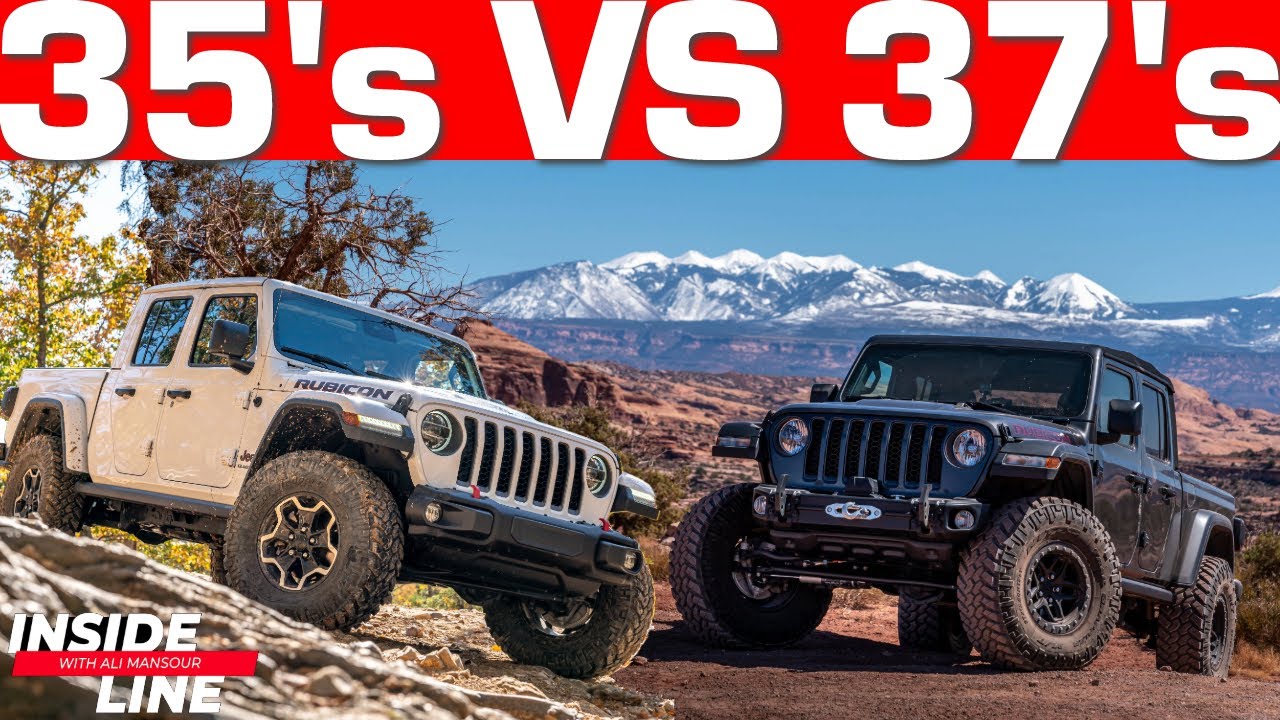
A Jeep Wrangler JL with 35s and a 2.5” lift can handle most trails in Moab, Utah. It’s agile, reliable, and easy on parts. Owners report 15-18 mpg after the upgrade.
A Wrangler on 37s needs a 4” lift, new gears, stronger axles, and better brakes. It can conquer “Hell’s Revenge” trail but drops to around 12-14 mpg. Repairs and maintenance are more frequent.
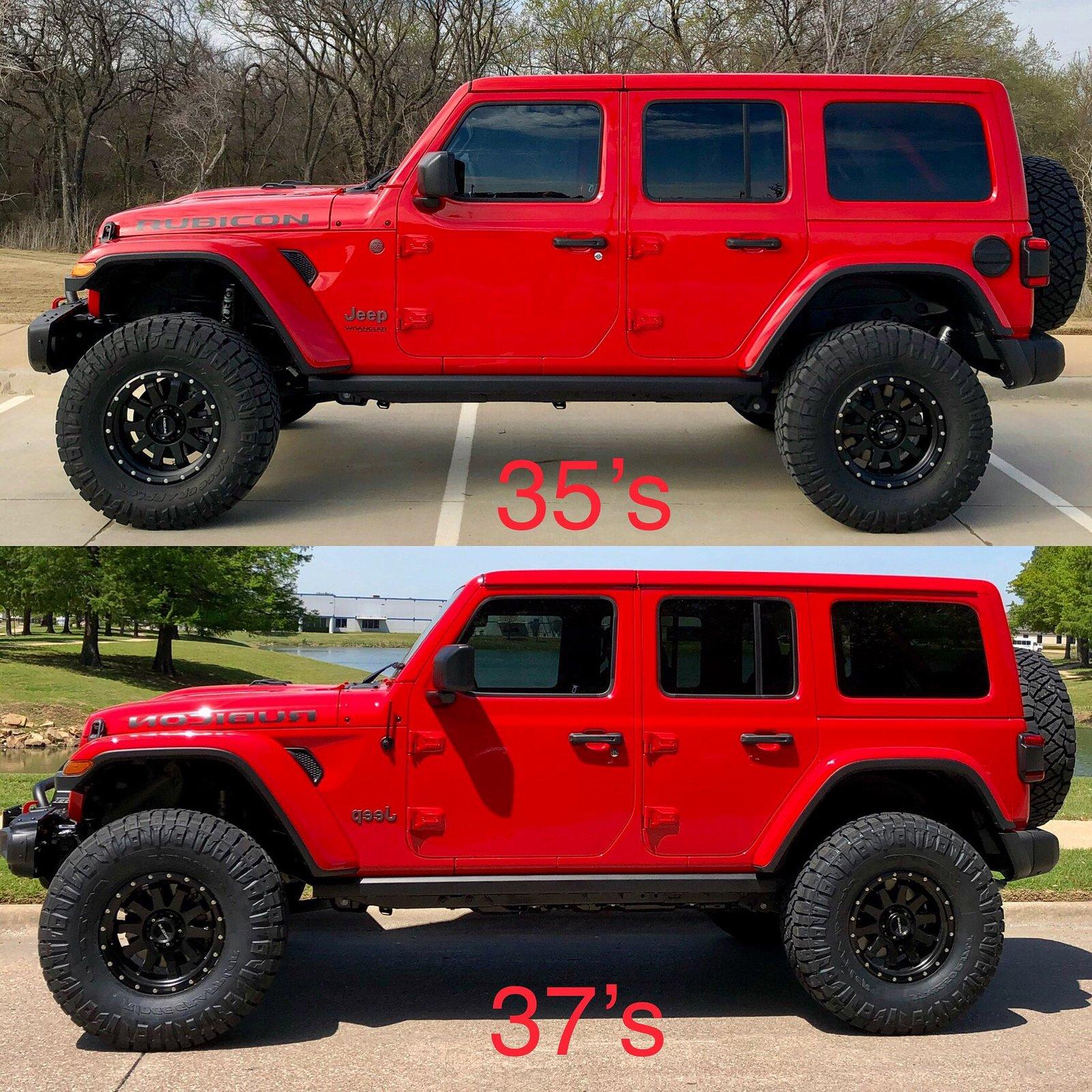
35 Vs 37 Tires: 35 Key Comparisons
Here are 35 specific points to help you decide:
- Cost of tires
- Lift kit price
- Gear ratio changes
- Axle strength
- Braking power
- Fuel economy
- Speedometer accuracy
- Ride comfort
- Road noise
- Tire weight
- Wheel size needed
- Body clearance
- Suspension stress
- Steering response
- Warranty impact
- Insurance premiums
- Resale value
- Daily driving comfort
- Off-road traction
- Mud/snow performance
- Rock crawling ability
- Trail obstacles
- Approach angle
- Departure angle
- Breakover angle
- Tire rotation effort
- Balancing challenges
- Repair costs
- Tire replacement frequency
- Spare tire mounting
- Tailgate stress
- Parking ease
- Garage fit
- Visibility
- Overall appearance
Each item above affects your Wrangler’s daily use and off-road capability. For example, gear ratio changes are more urgent for 37s, while lift kit price is lower for 35s. Tailgate stress increases with bigger, heavier tires. Garage fit can be an unexpected problem—some lifted Jeeps won’t fit under standard doors.
Non-obvious Insights
Many beginners forget that bigger tires require more than just a lift. Upgrading gears, axles, and brakes is expensive and time-consuming. Also, larger tires can reduce visibility because they block rear windows and make the Jeep sit higher.
Another common mistake is ignoring insurance—some companies raise premiums for heavily modified Jeeps. Check your policy before upgrading.
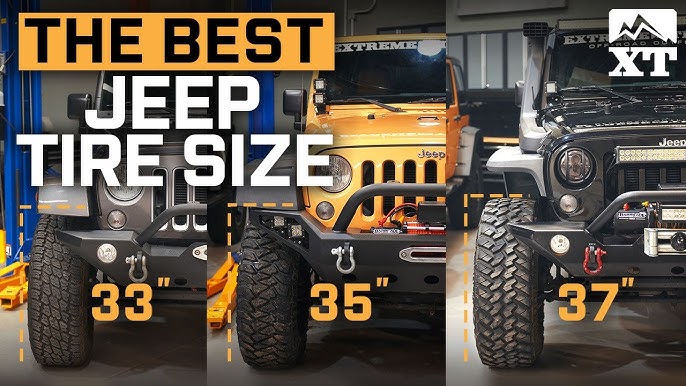
Which Size Is Right For You?
Choose 35-inch tires if you want a reliable, affordable, daily driver that still performs well off-road. Pick 37-inch tires if you’re ready for advanced trails, don’t mind spending more, and want your Jeep to stand out.
If you plan to use your Wrangler for both city and trail, 35s offer balance. If you’re building a showpiece or a rock crawler, 37s unlock new possibilities.
Frequently Asked Questions
Can I Run 37-inch Tires On Stock Axles?
No. 37-inch tires put too much stress on stock axles. Upgrading to stronger axles is recommended.
Will Bigger Tires Void My Jeep’s Warranty?
It depends. 35-inch tires usually don’t affect the warranty, but 37-inch tires and related upgrades may void it. Check with your dealer.
How Much Will My Fuel Economy Drop With 37s?
Expect a drop of 2-4 mpg when moving from stock tires to 37s. 35s typically drop only 1-2 mpg.
Do I Need To Re-gear For 35-inch Tires?
Re-gearing is optional for 35-inch tires but highly recommended for 37-inch tires to maintain power and efficiency.
What Is The Best Lift Height For 35 Vs 37 Tires?
A 2-3 inch lift works for 35s. For 37s, you need at least a 3-4 inch lift for safe clearance.
Choosing between 35 and 37-inch tires for your Jeep Wrangler is a big decision. Think carefully about your driving needs, budget, and willingness to upgrade other parts. The right size can transform your Jeep and your adventures. For more technical details, visit ExtremeTerrain.