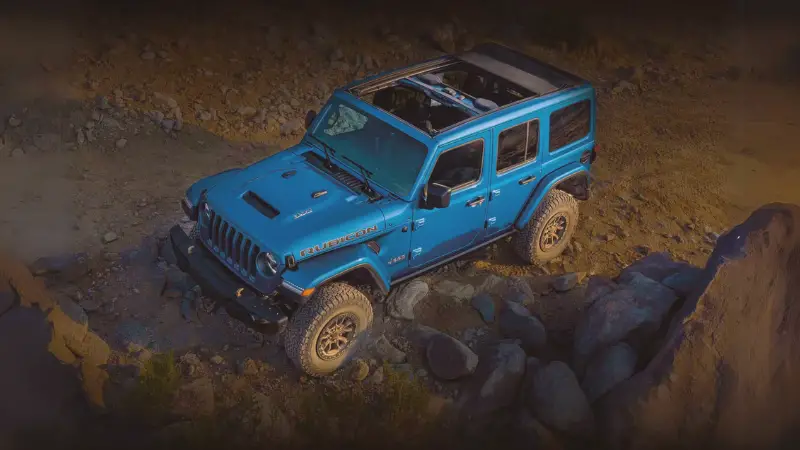
Cruising with your Jeep’s soft top down is more than just a ride—it’s a feeling of freedom, wind, and adventure. Whether you drive a Wrangler JK, JL, or a classic TJ, understanding your Jeep’s soft top system is important for safety, comfort, and maintenance. This guide covers everything owners should know about lowering the soft top, differences between Jeep models, buying advice, and common questions.
Meta Description:
Lower your Jeep’s soft top safely with this complete guide. Learn about compatibility, model differences, care tips, and answers to common questions.
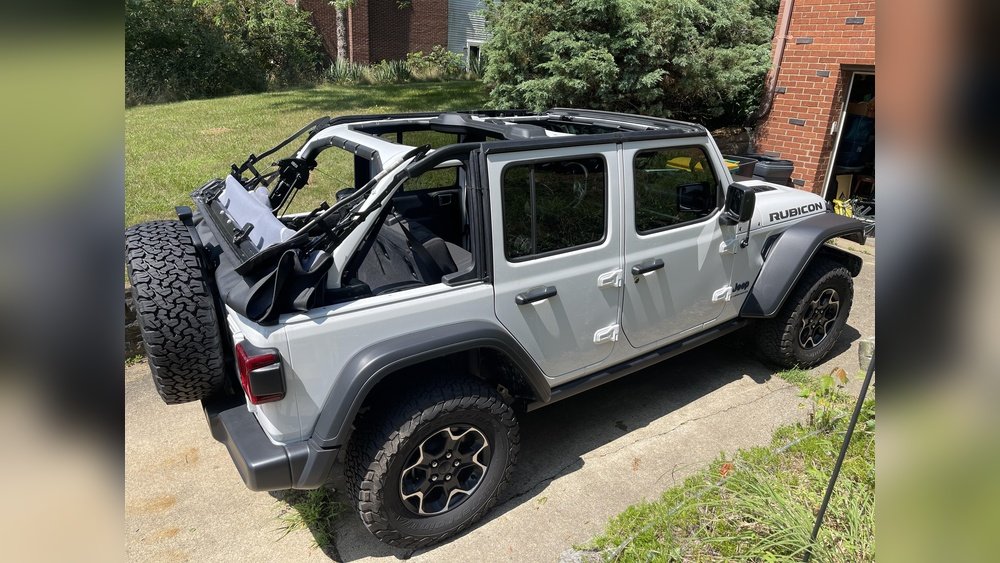
Why Drive Your Jeep With The Soft Top Down?
Jeeps are designed for open-air driving. Lowering the soft top offers:
- Fresh air and better views
- Easier access for cleaning and pets
- Fun rides in good weather
Drivers often choose soft tops for their flexibility compared to hardtops. They’re quicker to open, lighter, and easy to store. However, you should know when it’s safe and how to do it right.
Soft Top Compatibility: Which Jeeps Offer It?
Not all Jeeps come with a soft top or the option to lower it. Here’s a quick look at popular models:
| Jeep Model | Years | Soft Top Compatible? | Special Notes |
|---|---|---|---|
| TJ (Wrangler) | 1997–2006 | Yes | Manual frame system, easy fold-down |
| JK (Wrangler) | 2007–2018 | Yes | Sunrider and premium soft top options |
| JL (Wrangler) | 2018–present | Yes | Improved frame, easier operation |
| XJ (Cherokee) | 1984–2001 | No | Fixed roof only |
| WK/WL (Grand Cherokee) | 2005–present | No | Hardtop SUV design |
The Wrangler line (TJ, JK, JL) is most known for soft top options. Always check your trim and year for compatibility.
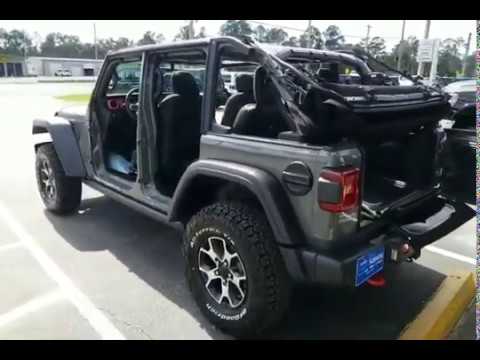
How To Lower Your Jeep Soft Top (step-by-step)
Lowering your Jeep’s soft top is simple with practice. Here’s a general guide for most Wranglers:
1. Prepare The Jeep
Park on a flat surface. Remove personal items. Make sure the top is dry to avoid mildew.
2. Release Latches
Open the doors. Unclip sun visors and release header latches above the windshield.
3. Remove Side/rear Windows
Unzip or unclip the side and rear windows, depending on your model. Store them in a safe place.
4. Fold Back The Soft Top
Push the top frame toward the rear. Some models have spring-loaded assists.
5. Secure The Top
Strap the folded top in place. Make sure it’s not blocking brake lights.
6. Double-check
Inspect for loose items, flapping fabric, or exposed wiring.
Each Jeep generation has small differences. For example, JL models have a smoother folding system, while the TJ is more manual. Always consult your owner’s manual for your specific process.
Key Differences Between Jeep Soft Top Models
Knowing your Jeep’s platform saves time and avoids mistakes. Here’s a quick comparison:
| Platform | Frame Type | Operation | Top Material |
|---|---|---|---|
| TJ | Manual | Basic, quick-fold | Vinyl |
| JK | Manual/Spring | Sunrider, easier rear window removal | Vinyl/Twill |
| JL | Assisted | One-hand folding, improved sealing | Twill |
The JK and JL models use better materials and offer premium “twill” fabric, which is quieter and more durable. The frame system also got easier with each generation.

Safety And Weather Tips
Driving with the top down is fun, but always consider:
- Weather: Never lower the top if rain is likely.
- Sun exposure: Use sunscreen and hats to avoid burns.
- Loose items: Secure everything—wind can blow objects out.
- Noise: Expect more road noise and wind.
If you plan to leave your Jeep parked with the top down, don’t leave valuables inside. Sudden rain can damage the seats and electronics.
Soft Top Care And Maintenance
Proper care extends the life of your soft top. Here’s how:
- Clean with mild soap and water, not harsh chemicals.
- Lubricate frame joints every few months.
- Store windows flat to prevent scratches.
- Inspect for tears or leaks after heavy use.
Replace the soft top if you notice faded, cracked, or brittle material. Most last 3–5 years with regular use.
Buying A Soft Top: What To Look For
If you need a replacement or upgrade, consider:
- Compatibility: Match model year and platform (TJ, JK, JL).
- Material: Twill is higher quality, vinyl is cheaper.
- Frame system: Premium tops fold easier.
- Warranty: Look for at least a 2-year warranty.
Beware of “universal” soft tops—they often don’t fit well. Buy from well-known brands for best results.
Common Issues And Troubleshooting
Soft tops are tough, but problems can happen:
- Stuck zippers: Lubricate with silicone spray.
- Leaking seams: Reseal with waterproof tape or adhesive.
- Sagging fabric: Tighten frame bolts or replace worn parts.
- Noise: Check if the top is installed tightly and windows are zipped.
If you see large tears, broken frames, or leaks that don’t stop, visit a qualified mechanic or upholstery shop. Repair costs range from $50 for a zipper fix to $1,200 for a full replacement.
For more on Jeep maintenance, see the official Jeep Maintenance Guide.
Frequently Asked Questions
Can I Drive My Jeep With The Soft Top Partially Open?
No, always secure the top fully up or down. Driving with it half-open can damage the frame and is unsafe at highway speeds.
How Long Does A Jeep Soft Top Last?
Most soft tops last 3–5 years, depending on use, weather, and care. Premium materials like twill can last longer if cleaned and stored properly.
Is A Soft Top Noisy Compared To A Hardtop?
Yes, soft tops allow more wind and road noise. The JL’s premium soft top is quieter than older models but still louder than hardtops.
Are Aftermarket Soft Tops As Good As Factory Tops?
Quality aftermarket tops can match or beat factory models if you buy from trusted brands. Always check compatibility for your Jeep’s year and platform.
Can I Put A Soft Top On A Grand Cherokee Or Cherokee?
No, only Wrangler models (TJ, JK, JL) are designed for soft tops. The Cherokee (XJ) and Grand Cherokee (WK, WL) have fixed roofs.
Driving your Jeep with the soft top down is one of the brand’s best features. By learning the differences between models, practicing safe lowering, and caring for your top, you can enjoy open-air adventures for years. Next time the weather’s perfect, drop that top and hit the trail—just remember to secure your gear and check the forecast.
Suggested internal-link anchor texts:
- Jeep Wrangler maintenance tips
- How to clean a Jeep soft top
- Jeep Wrangler model differences