If you own a Jeep TJ (1997–2006), you know it’s built for adventure. Many Jeep enthusiasts want their rigs to look tough and perform even better off-road. One popular mod is the fender flare delete. This means removing the plastic flares from the sides of your Jeep. Why do people do this? What are the real benefits and drawbacks? Let’s break down everything you need to know about Jeep TJ fender flare delete, from looks to legal concerns, and help you decide if it’s right for your build.
What Is Fender Flare Delete?
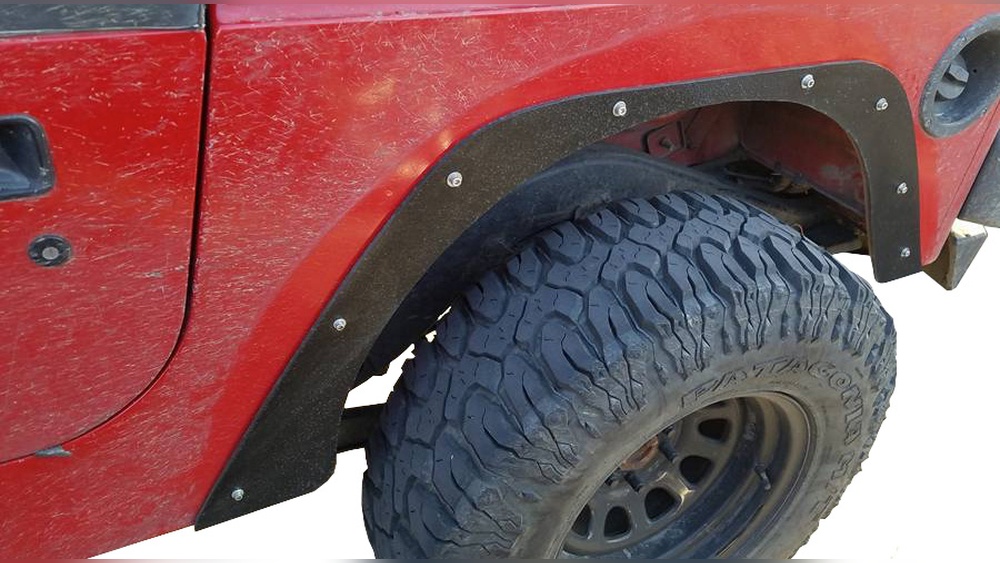
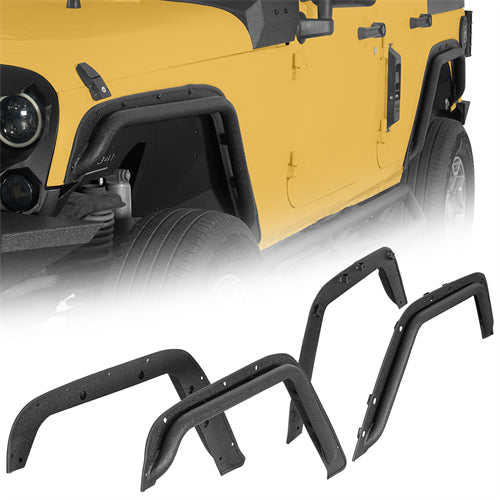
Fender flares are plastic or metal pieces attached to the sides of your Jeep, covering the wheels. They protect the body from mud, rocks, and debris. When you do a fender flare delete, you remove these flares. Sometimes, people leave the exposed wheel wells as they are. Others add trim or custom panels for a cleaner look.
This modification is popular with off-roaders and those who want a more aggressive, “bare bones” style. Removing the flares changes both the appearance and function of your Jeep.
Reasons To Delete Fender Flares
1. Maximum Tire Clearance
Bigger tires are a common upgrade for TJ owners. Fender flares can limit how big you can go before rubbing happens. Deleting the flares gives more space for oversized tires, especially when flexing off-road.
2. Rugged Appearance
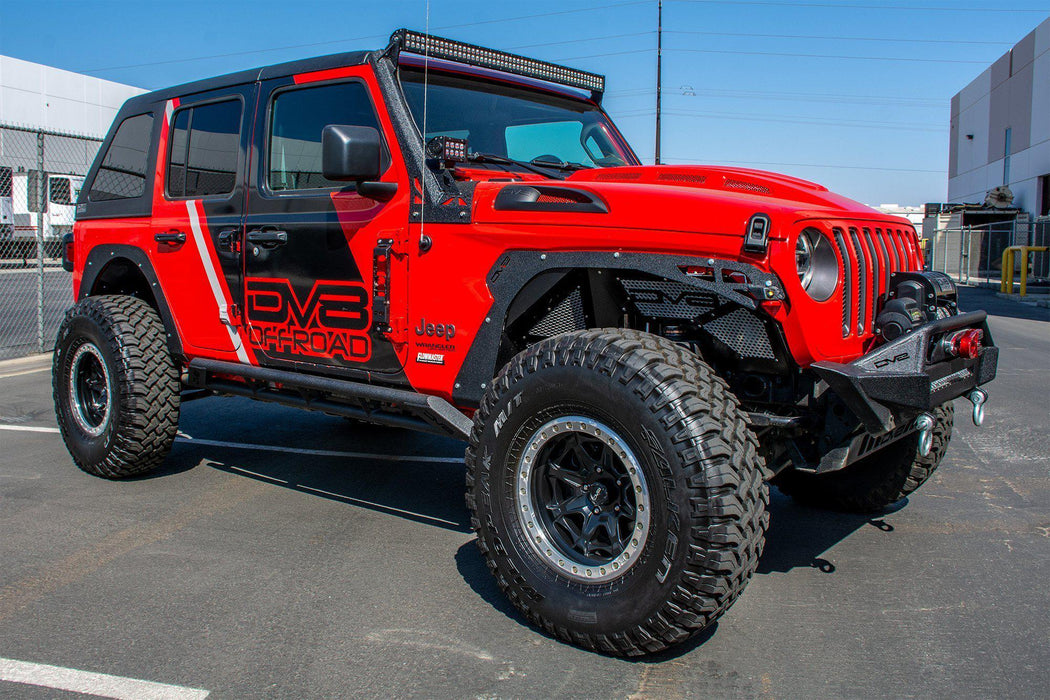
The fender flare delete gives the Jeep a rougher, more aggressive look. This appeals to people who want their Jeep to stand out and show off its capabilities.
3. Easier Maintenance
Without flares, cleaning mud and debris from the wheel wells is easier. There are fewer parts to crack, break, or fade from UV exposure.
4. Weight Reduction
Removing flares reduces a small amount of weight. While this won’t change performance much, every bit helps when you’re building for off-road efficiency.
Fender Flare Delete: Pros And Cons
Let’s compare the advantages and disadvantages in a quick overview:
| Pros | Cons |
|---|---|
| More tire clearance | Legal issues in some states |
| Unique, rugged style | More mud and debris on body |
| Simplifies cleaning | Potential damage from rocks |
| Minor weight savings | Possible resale value drop |
Many Jeep owners do not realize that deleting flares can affect legal compliance. Some states require flares to cover tires, especially on lifted vehicles.
Legal And Safety Considerations
Most US states have vehicle laws about tire coverage. If your tires stick out far past the body, you may be ticketed for missing fender flares. States like California and Texas have strict rules. Always check your local regulations before deleting your flares.
Safety is another factor. With no flares, your Jeep may throw rocks and debris at other cars, which could cause accidents or damage. This is especially true if you drive on gravel or muddy roads.
How To Delete Fender Flares On A Jeep Tj
Step-by-step Guide
- Gather tools: You’ll need a socket wrench, screwdriver, and possibly a trim removal tool. Most flares are held on by bolts or plastic clips.
- Remove bolts/clips: Start at one end and work around each flare. Some clips may snap, so have extras if you plan to reuse any.
- Clean up wheel wells: After flares are off, clean the area. You may need to sand or repaint spots where flares rubbed the body.
- Add edge trim (optional): To protect the exposed metal, install edge trim. It prevents rust and gives a finished look.
- Check for exposed holes: Some flare mounts leave holes. You can plug these with rubber grommets or cover with custom panels.
Most jobs take about 1–2 hours for all four flares. It’s simple, but be careful not to damage your paint.
Cost Comparison: Keeping Vs. Deleting Flares
Here’s a look at the typical costs:
| Option | Estimated Cost | Maintenance Required |
|---|---|---|
| Keep stock flares | $0–$50 (cleaning supplies) | Wash and inspect regularly |
| Delete flares | $10–$40 (edge trim, plugs) | Clean wheel wells, check for rust |
| Custom panels after delete | $100–$250 | Inspect for fit, rust, damage |
Edge trim is affordable, but custom panels can get expensive. Some owners skip trim, but this increases risk of rust.
Real-world Examples
Many Jeep TJ owners post their builds online. One example is a TJ with 35” tires and no flares. It looks bold and handles rough trails well. But after deleting the flares, the owner noticed more mud on the doors and chips in the paint from rocks.
Another Jeep owner in Colorado deleted flares for rock crawling. They added aluminum trim to protect the body and plugged all mounting holes. Their advice: “If you drive on paved roads, be ready for tickets and extra cleaning.”
A common mistake is not protecting exposed metal. Rust can start quickly, especially in wet climates.
Practical Tips Before Deleting Fender Flares
- Check your state laws before making the change.
- Use edge trim to avoid sharp edges and rust.
- Plug mounting holes to prevent water leaks.
- Clean the wheel wells thoroughly after removal.
- If you plan to resell, keep the flares. Some buyers want original parts.
Most beginners overlook the effect on resale value. Some buyers may see a flare delete as damage, not a cool mod.
Jeep Tj Fender Flare Delete Vs. Aftermarket Flares
What if you want more clearance but don’t want to delete completely? Aftermarket flares are an option. They are slimmer, stronger, and give some coverage. Compare them below:
| Feature | Aftermarket Flares | Flare Delete |
|---|---|---|
| Tire coverage | Partial to full | None |
| Legal compliance | Usually legal | May violate laws |
| Protection | High | Low |
| Appearance | Custom, clean | Aggressive, raw |
| Cost | $150–$600 | $10–$40 |
If you want to stay legal and protect your paint, slim flares may be a better choice.
Frequently Asked Questions
What Are The Risks Of Deleting Jeep Tj Fender Flares?
The main risks are legal issues, more mud and debris on the body, and possible paint damage from rocks. You may also reduce resale value.
Will Deleting Fender Flares Affect My Insurance?
Some insurance companies see flare deletes as a modification. This may affect coverage if you live in a state where flares are required.
Can I Reinstall The Fender Flares Later?
Yes, if you keep the flares and mounting hardware. However, you may need to repair holes or repaint areas.
Are Aftermarket Fender Flares Better Than Deleting?
Aftermarket flares offer some protection and may help you stay legal. They cost more but are a good middle ground.
Where Can I Find More Information About Jeep Tj Mods?
You can read more about Jeep modifications at Extreme Terrain.
Removing your Jeep TJ’s fender flares is a personal choice. It offers more clearance and a unique look, but comes with legal, safety, and maintenance concerns. Think carefully about your driving habits and local laws before making the change. With the right steps, you can enjoy the rugged style and performance that a flare delete provides.