The Jeep Service 4 Wheel Drive Light can appear unexpectedly while driving. It creates confusion and anxiety. Drivers often don’t know if it’s safe to continue or if the Jeep needs immediate repair.
Ignoring this warning can cause major drivetrain damage, lead to expensive repairs, or leave you stranded during off-road adventures. Small faults often escalate if left unresolved.
This guide explains the Jeep Service 4 Wheel Drive Light, covering causes, symptoms, fixes, repair costs, maintenance tips, and preventive measures to keep your 4WD system safe and functional.
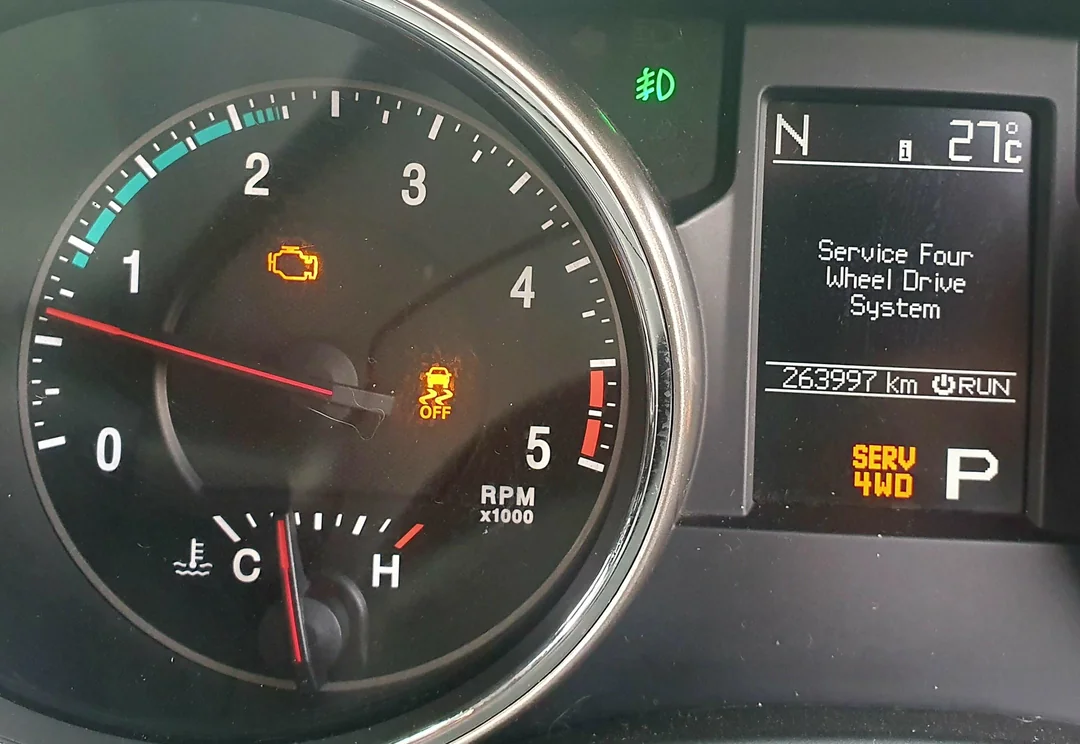
The Jeep Service 4 Wheel Drive Light signals a problem in your 4WD system, such as transfer case actuator issues, sensor faults, wiring damage, or control module errors. It may limit or disable 4WD to prevent drivetrain damage.
What the Jeep Service 4 Wheel Drive Light Means
The 4WD system constantly monitors actuators, sensors, and fluid conditions. When it detects abnormal signals, the Service 4WD Light illuminates.
This light means your 4WD system may not operate correctly. In some cases, the Jeep may stay in 2WD or lock in 4WD to prevent internal damage.
Driving with a malfunctioning 4WD system can reduce traction, especially in slippery conditions or during off-road use. Understanding what triggered the warning helps prevent serious repairs.
Common Causes, Symptoms, and Actions
| Cause | Symptoms | Recommended Action |
|---|---|---|
| Transfer Case Actuator Failure | 4WD does not engage, grinding noises | Inspect and replace the faulty sensor |
| Faulty 4WD Selector Switch | 4WD won’t switch modes, indicator issues | Replace the switch and test the system |
| Wheel Speed Sensor Fault | Warning light, reduced traction | Change fluid and inspect the transfer case |
| Wiring or Connector Corrosion | Intermittent light, 4WD engagement issues | Clean or replace wiring and connectors |
| Low/Contaminated Transfer Case Fluid | Hard shifting, clunking, light on | Change fluid and inspect transfer case |
| Control Module Communication Error | Persistent warning light | Scan module, reset, or replace module |
| Extreme Temperature Effects | Light appears after cold or hot conditions | Check actuators, sensors, and connectors |
Symptoms You May Notice
This section highlights the symptoms drivers notice when the Jeep Service 4 Wheel Drive Light turns on. These symptoms indicate that the 4WD system isn’t functioning properly and may lead to drivetrain damage if ignored.
- 4WD does not engage even when selected
When you try to switch to 4WD, the system may fail to respond. This often points to a faulty actuator, selector switch, or sensor issue. Power stays limited to 2WD.
- Jeep stuck in 2WD or 4WD, limiting drivetrain flexibility
Sometimes the Jeep locks into one mode. If stuck in 2WD, you lose off-road traction. If stuck in 4WD on pavement, it can cause drivetrain binding and difficult steering.
- Grinding or clunking noises from the transfer case or actuators
Mechanical engagement attempts generate unusual noises. These sounds often signal failing internal gears, worn actuator motors, or binding in the transfer case.
- Reduced traction off-road, especially in mud, snow, or sand
Without proper 4WD engagement, wheels may spin on slippery surfaces. Reduced traction increases the risk of getting stuck or losing vehicle control.
- The warning light remains on after restarting the engine
If the light doesn’t reset, it indicates a persistent fault rather than a temporary electronic glitch. This usually requires professional diagnosis.
- Difficulty steering if 4WD locks unexpectedly on pavement
Engaging 4WD incorrectly on dry pavement may lock the drivetrain. This makes steering stiff and uncomfortable, increasing wear on the transfer case.
Recognizing these signs early helps you avoid further damage, such as transfer case failure or actuator replacement, and ensures your Jeep stays safe both on-road and off-road.
Is It Safe to Drive With the Light On?
Driving with the Jeep Service 4 Wheel Drive Light depends on road conditions, load, and terrain. Not every instance requires stopping immediately, but caution is essential.
Driving with this warning depends on conditions.
- City driving on dry roads in a 2WD is usually safe.
- Off-road or slippery conditions become unsafe without functioning 4WD.
- Avoid towing or heavy loads.
Red flags that require immediate stop:
- Loud grinding noises
- Burning smell from the transfer case
- Jeep stuck in 4WD mode
- Failure to shift between modes
City Driving on Dry Roads
If your Jeep defaults to 2WD, driving on dry city streets or highways is generally safe. The drivetrain experiences minimal stress, so minor faults may not cause immediate damage.
Off-Road or Slippery Conditions
Driving without functioning 4WD in mud, snow, sand, or steep terrain is unsafe. Reduced traction can lead to wheel spin, loss of control, or getting stuck. 4WD is critical in these conditions.
Avoid Heavy Loads
Do not tow or carry heavy loads with the warning light on. Extra weight strains the drivetrain, increasing the risk of actuator or transfer case damage.
Red Flags Requiring Immediate Stop
Stop driving immediately if you notice any of the following:
- Loud grinding noises: Gears or actuators may be binding.
- Burning smell from the transfer case: Friction or overheating is occurring.
- Jeep stuck in 4WD mode: Steering becomes difficult, and mechanical stress rises.
- Failure to shift between modes: Indicates actuator or control module failure.
Ignoring these signs can cause severe transfer case damage, actuator failure, or drivetrain binding, resulting in costly repairs and unsafe driving.
Immediate Actions to Take
When the Jeep Service 4 Wheel Drive Light turns on, taking quick action can prevent further damage. Follow these steps:
1. Shift to 2WD
Switching to 2WD reduces stress on the drivetrain and prevents the transfer case from overworking. This helps protect internal gears and actuators until the issue is resolved.
2. Restart the Engine
A simple engine restart can reset minor electronic faults in the 4WD control system. If the light turns off temporarily, the problem may be software-related rather than mechanical.
3. Drive Slowly on Dry Pavement
If you must continue driving, keep speeds low on dry roads. Avoid heavy braking, sudden turns, or off-road conditions to minimize strain on the drivetrain.
4. Avoid Off-Road Use
Do not take your Jeep off-road until the issue is fixed. Off-road terrain increases stress on the 4WD system and can worsen mechanical or electrical faults.
5. Schedule a Diagnostic Scan
Have a certified mechanic perform a diagnostic scan as soon as possible. They can read error codes, inspect actuators, sensors, and wiring, and recommend the proper repair.
Quick Reset Tip
You can disconnect the battery for 15 minutes to reset the 4WD control module. If the Service 4 Wheel Drive Light returns after restarting, hardware repair is required.
How Mechanics Diagnose the Problem
When the Jeep Service 4 Wheel Drive Light turns on, mechanics rely on specialized tools to pinpoint the issue. Accurate diagnosis prevents unnecessary repairs and ensures the 4WD system functions correctly.
Using an OBD2 Scanner
Mechanics connect an OBD2 scanner to the Jeep’s control module. This tool reads error codes generated by the 4WD system, identifying potential electrical or mechanical faults.
What They Examine
- Actuator Movement: Checks whether the transfer case actuator engages and disengages properly.
- Sensor Readings: Verifies signals from wheel speed sensors and other critical 4WD sensors.
- Wiring Integrity: Inspects connectors and wiring for corrosion, damage, or loose connections.
- Transfer Case Fluid Condition: Evaluates fluid level and cleanliness to ensure smooth operation.
Interpreting Fault Codes
Error codes help mechanics determine whether the problem is electronic, mechanical, or fluid-related. This ensures that repairs target the root cause rather than just symptoms.
BlueDriver Bluetooth Pro OBD2 Scanner: Reliable for reading Jeep-specific 4WD codes and troubleshooting complex issues.
Common Repair Costs
Repairing issues that trigger the Jeep Service 4WD Light can vary widely depending on the faulty component and severity. Early detection is critical to keep costs low and prevent major damage.
Typical Costs
| Component Issue | Estimated Cost | Notes |
|---|---|---|
| Wheel Speed Sensor | $50-$150 | Labor included |
| 4WD Actuator | $200-$400 | Includes recalibration |
| Transfer Case Repair | $800-$2,000 | Depends on severity |
Key Takeaways
Professional diagnostics save money: Identifying the exact problem prevents unnecessary part replacements.
Early detection reduces costs: Minor sensor or actuator faults are cheaper to repair than a full transfer case rebuild.
Ignoring warnings is expensive: Continuing to drive with the light on can lead to transfer case failure or actuator damage.
Preventive Maintenance
Taking preventive measures reduces the chances of the Jeep Service 4 Wheel Drive Light turning on. Regular maintenance keeps your 4WD system functioning smoothly and prevents costly repairs.
1. Change Transfer Case Fluid
Regularly change the transfer case fluid according to the manufacturer’s schedule. Clean fluid reduces gear wear, prevents overheating, and ensures smooth engagement of 4WD components.
2. Avoid Using 4WD on Dry Pavement
Using 4WD unnecessarily on dry roads can cause drivetrain binding. Engage 4WD only when needed, such as off-road or in slippery conditions, to protect gears and actuators.
3. Inspect Wiring and Connectors
After off-road trips, inspect wiring and connectors for mud, corrosion, or damage. Moisture or dirt can trigger false readings and cause the Service 4WD Light to appear.
4. Engage 4WD Regularly
Even if you mostly drive on pavement, engage 4WD monthly. This keeps actuators, gears, and sensors lubricated and ensures the system stays operational.
Well-maintained Jeeps show fewer warning lights and experience fewer drivetrain failures, saving time, money, and stress on the road or trail.
Advanced Troubleshooting Tips
Performing advanced troubleshooting helps identify hidden issues in your Jeep’s 4WD system before they turn into costly repairs. Regular checks keep your drivetrain healthy and your Jeep safe.
1. Check Fluid Levels
Regularly inspect transfer case and differential fluid levels. Low or contaminated fluid can cause hard shifting, noise, and premature wear on gears and actuators. Top off or replace fluid as needed.
2. Listen for Unusual Noises
Pay attention to grinding, clunking, or whining noises when switching between 2WD and 4WD. These sounds may indicate actuator problems, worn gears, or binding in the transfer case.
3. Scan for Fault Codes
Use a professional OBD2 scanner to read 4WD control module codes. Fault codes help detect electronic, actuator, or sensor issues that might not be visible during a visual inspection.
4. Check Actuator Operation
If accessible, manually inspect the transfer case actuator. Ensure it moves freely and engages correctly. Stiff or unresponsive actuators may need cleaning, lubrication, or replacement.
5. Clean Connectors and Wiring
Moisture or dirt can trigger false readings, illuminating the Service 4 Wheel Drive Light unnecessarily. Clean wiring and connectors after off-road trips or exposure to water and mud.
Following these advanced troubleshooting tips prevents sudden 4WD failures, reduces repair costs, and keeps your Jeep performing reliably on-road and off-road.
Real-Life Examples
- A Jeep stuck in mud had the Service 4 Wheel Drive Light. The problem was a failed transfer case actuator. Replacement solved the issue immediately.
- Another Jeep displayed the warning after heavy rain. Moisture had corroded the wiring to the wheel speed sensor. Cleaning the connector resolved the light.
- Off-road enthusiasts often see the light after long trail rides. Regular 4WD engagement and fluid changes prevent these occurrences.
Off-Road Driving and the 4WD Light
Off-road use stresses the 4WD system. Mud, water, sand, and rocks increase the likelihood of actuator or sensor failure.
- Engage 4WD only when necessary.
- Avoid sudden 2WD to 4WD switching under load.
- Keep the transfer case fluid clean.
- Inspect wiring and connectors after trail rides.
Preventive habits reduce the frequency of the warning light.
When to Stop Driving Immediately
Certain signs indicate serious 4WD system problems. Continuing to drive under these conditions can cause severe damage and expensive repairs.
Red Flags Requiring Immediate Action
Stop driving your Jeep immediately if you notice any of the following:
- Loud grinding or clunking noises: Indicate that internal gears or actuators are damaged or binding.
- Burning smells: Friction in the transfer case or drivetrain can cause overheating.
- Jeep stuck in 4WD mode: Steering becomes difficult, increasing mechanical stress.
- Failure to switch between drive modes: Suggests actuator or control module failure.
Why Immediate Action Matters
Ignoring these warnings can destroy the transfer case, actuators, or gear teeth. Repairs for such damage are often costly and time-consuming. Pull over safely and have the Jeep inspected by a certified mechanic.
Recognizing these critical signs early protects your Jeep’s drivetrain and prevents high repair costs while keeping you safe on-road and off-road.
Conclusion
The Jeep Service 4 Wheel Drive Light protects your drivetrain. It warns of actuator, sensor, fluid, or module issues that could cause severe damage. Early diagnosis and repair prevent costly transfer case failures.
Preventive maintenance, proper fluid management, and regular 4WD engagement keep your Jeep safe on roads and trails.
For further guidance, visit Jeep Owner Support.
When did your Jeep’s Service 4 Wheel Drive Light appear, and under what conditions? Did it happen on-road or off-road?