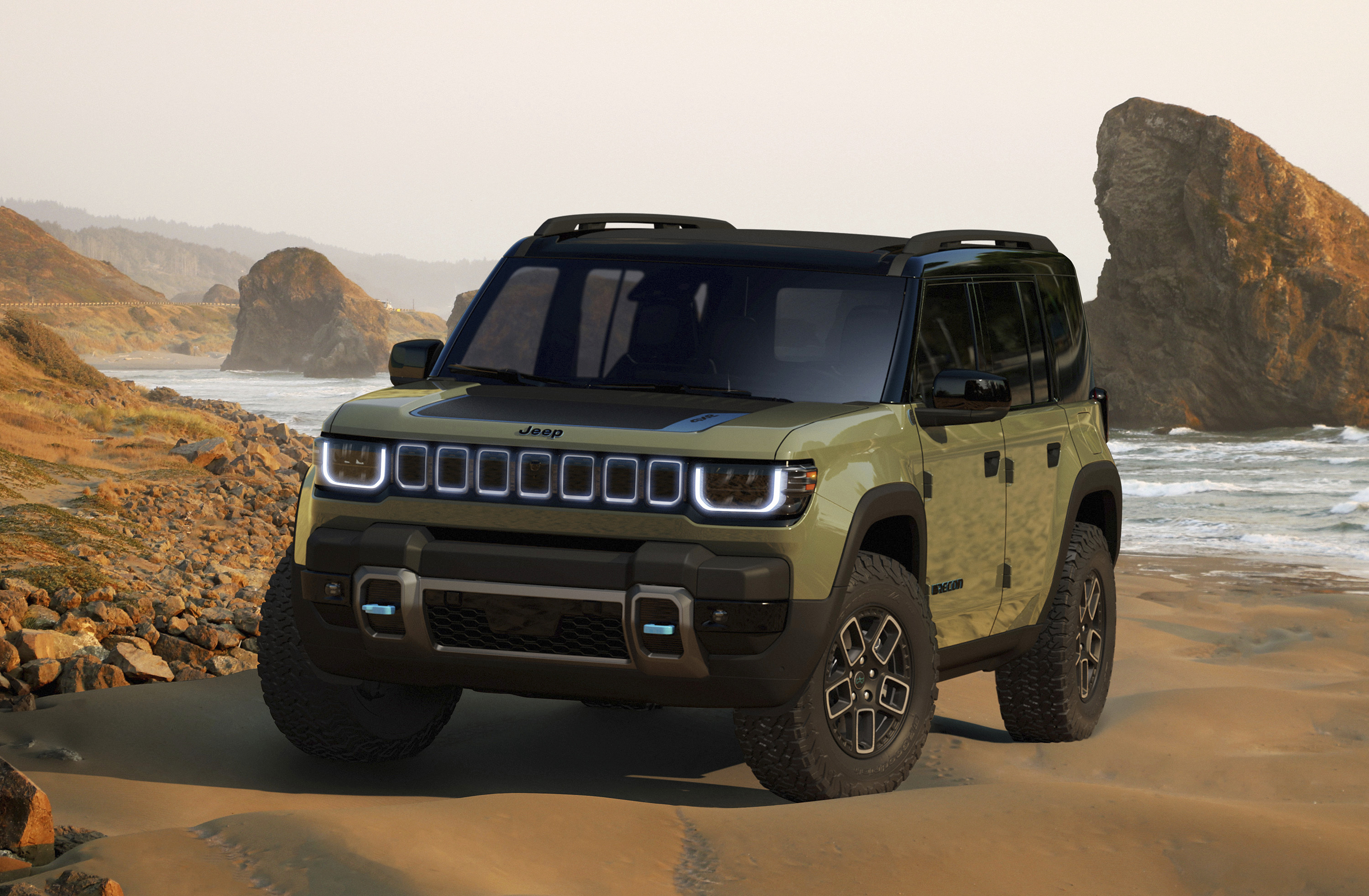
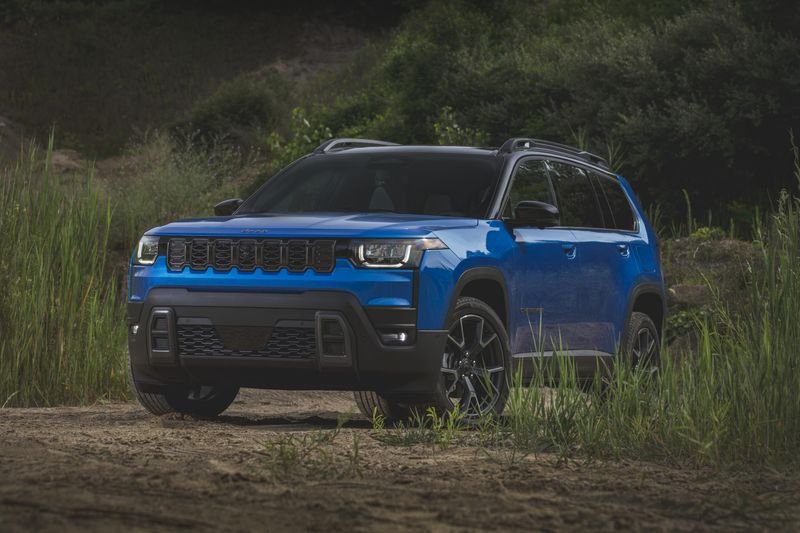
The Jeep Renegade and Jeep Wrangler are two of the most famous off-road SUVs you’ll see today. Both have their roots in adventure, but they offer very different experiences.
Drivers often debate which is best for rough terrain, weekend fun, or daily use.
In this guide, you’ll see how these two rivals compare in real-world off-road conditions, their strengths, and where each shines. If you’re considering one for your next adventure or just curious, you’ll find practical insights that go beyond specs.
Off-road Performance: Renegade Vs Wrangler
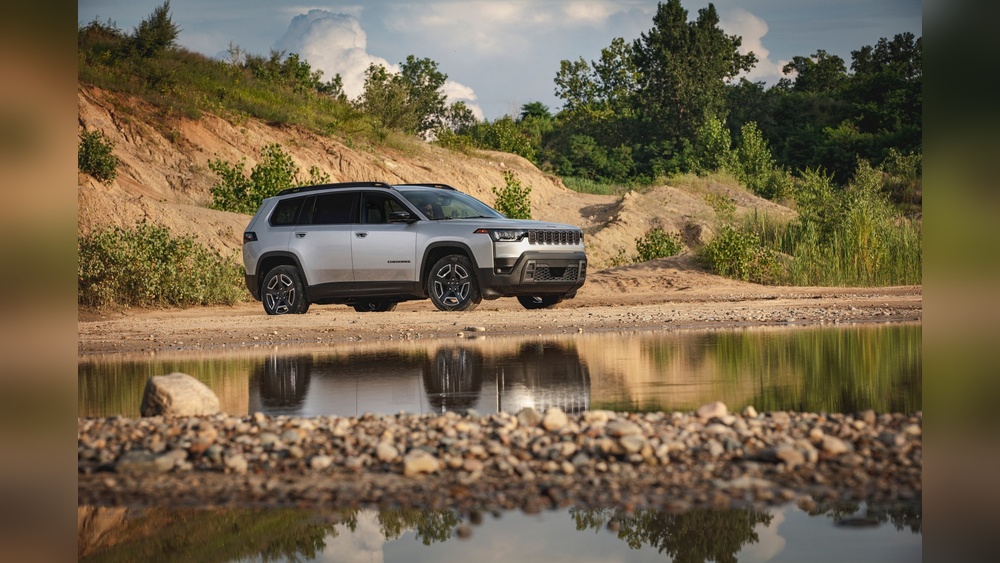
When people talk about off-road vehicles, they often picture the Jeep Wrangler first. The Wrangler is built for tough trails. It comes with solid axles, high ground clearance, and locking differentials. The Renegade, while smaller, still wears the Jeep badge proudly and offers surprising capability for its size.
| Feature | Jeep Renegade Trailhawk | Jeep Wrangler Rubicon |
|---|---|---|
| Ground Clearance | 8.7 inches | 10.8 inches |
| Approach Angle | 30.5° | 43.9° |
| Departure Angle | 34.3° | 37.0° |
| Water Fording Depth | 19 inches | 30 inches |
| 4WD System | Active Drive Low | Rock-Trac |
The Wrangler’s numbers show its off-road advantage. Its higher ground clearance and better angles help tackle big rocks and deep ruts.
The Renegade Trailhawk, however, can handle mud, gravel, and moderate trails. It’s more than just a city SUV.
One thing many beginners miss is tire size. The Wrangler uses larger tires, which not only improve grip but also protect the underside from damage. The Renegade’s tires are smaller, making it easier to drive on paved roads, but less suited for deep mud or sand.
Everyday Usability
Both SUVs offer off-road fun, but living with them day-to-day is very different.
| Aspect | Renegade | Wrangler |
|---|---|---|
| Fuel Economy (Combined) | 24 mpg | 20 mpg |
| Cargo Space (Behind 2nd Row) | 18.5 cu ft | 31.7 cu ft |
| Turning Radius | 18.3 ft | 17.3 ft |
| Noise Level | Quieter | Louder |
The Renegade is more comfortable for city driving. It’s quieter, easier to park, and uses less fuel. This matters if you drive daily or have a long commute. The Wrangler, while iconic, is louder, less refined, and harder to park in tight spots.
An insight many overlook is roof options. The Wrangler’s removable roof and doors offer open-air fun, but they also let in road noise and weather. The Renegade’s fixed roof keeps the cabin sealed and comfortable.
Price And Value
Price is often a deciding factor. The Wrangler starts at a higher price, but its resale value stays strong.
The Renegade is more affordable up front and comes loaded with features, especially in the Trailhawk trim.
| Model | Starting Price | Resale Value (5 Years) |
|---|---|---|
| Renegade Trailhawk | $32,000 | ~55% |
| Wrangler Rubicon | $45,000 | ~70% |
Wrangler owners often find their vehicles hold value well. This is due to Jeep’s reputation and the Wrangler’s demand among enthusiasts.
The Renegade, while cheaper, loses value faster, especially in areas where off-roading isn’t popular.
A common mistake is ignoring maintenance costs. Wranglers often need more frequent service because of their rugged parts and open design. Renegades are easier and cheaper to maintain for most owners.
Technology And Comfort
Modern SUVs need to balance adventure with comfort. The Renegade comes with many tech features, like Apple CarPlay, Android Auto, and advanced safety aids.
The Wrangler is improving, but its focus remains on rugged capability.
Safety And Driver Assistance
- Renegade: Blind spot monitoring, lane keep assist, automatic emergency braking.
- Wrangler: Basic aids, but fewer advanced features.
Cabin Quality
The Renegade’s cabin is more refined, with soft-touch materials and quieter ride. The Wrangler’s cabin is tougher, made to handle mud and water, but feels less plush.
Which Should You Choose?
If you need a vehicle for daily driving with the option for adventure, the Renegade Trailhawk is a smart pick. It’s affordable, comfortable, and handles light trails well. For serious off-road trips, rough terrain, and maximum fun, the Wrangler Rubicon stands out. It’s more expensive, but offers unmatched capability.
Two insights many miss:
- Wrangler’s open design can make winter driving less comfortable, especially with the roof off.
- Renegade’s compact size lets you explore narrow trails, but limits cargo and towing.
If you plan to tow, the Wrangler has a higher capacity (up to 3,500 lbs vs 2,000 lbs for the Renegade). For more details on Jeep models and their history, visit the Jeep Wikipedia page.
Frequently Asked Questions
Is The Jeep Renegade Good For Off-roading?
The Renegade Trailhawk is the best Renegade for off-roading. It handles mud, sand, and light trails well, thanks to its Active Drive Low 4WD and skid plates. However, it’s not built for extreme conditions like the Wrangler.
Can The Wrangler Be Used As A Daily Driver?
Yes, many people use their Wrangler every day. It’s strong and reliable but louder and less smooth than most city SUVs. Parking and fuel costs can be higher.
Which Model Is Safer For Families?
The Renegade offers more advanced safety features and a quieter cabin, making it better for families. The Wrangler is safe, but its focus is on ruggedness.
Does The Wrangler Cost More To Maintain?
Generally, yes. Wrangler parts are designed for tough use and often need more upkeep, especially if you use it off-road. Renegade maintenance is simpler and less costly.
Which Jeep Holds Its Value Better?
The Wrangler usually holds its value better due to high demand and strong reputation. The Renegade loses value faster, especially in markets without much off-road interest.
Choosing between the Jeep Renegade and Jeep Wrangler comes down to your lifestyle. If you want comfort and easy city driving with occasional adventure, the Renegade Trailhawk is a great choice.
For those who crave serious off-road challenges and don’t mind rough edges, the Wrangler Rubicon offers legendary capability and lasting value.
Both deliver fun, but in different ways.