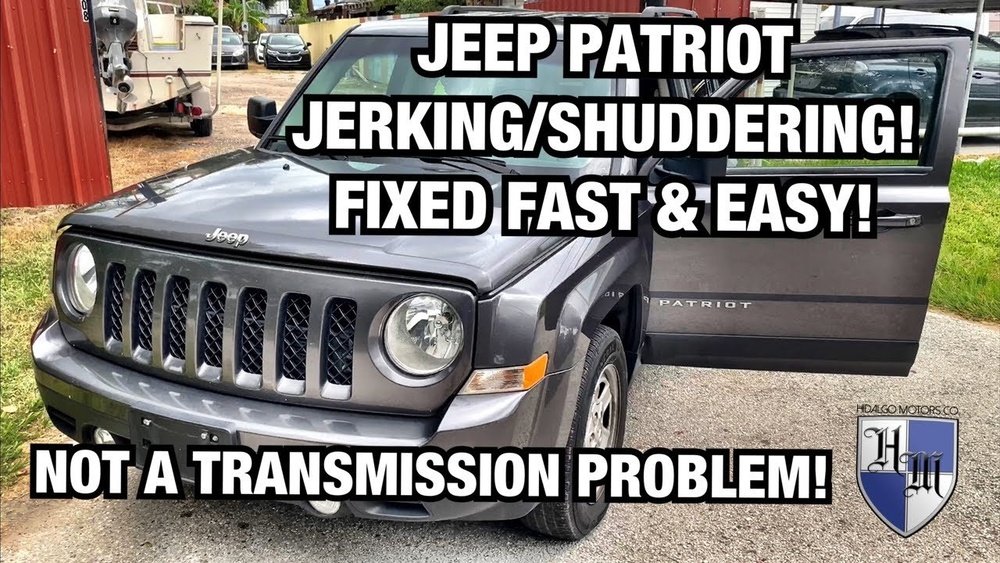
Experiencing your Jeep Patriot jerking when accelerating can be frustrating and even unsafe. Many Patriot owners notice this issue, especially during city driving or merging onto highways. Understanding the main reasons, how to diagnose them, and the best solutions can help you fix the problem quickly and avoid bigger repair bills.
Meta description:
Why does your Jeep Patriot jerk when accelerating? Learn common causes, fixes, costs, and when to see a mechanic. Expert tips for safe, smooth driving.
Common Symptoms Of Jerking In Jeep Patriot
When your Jeep Patriot starts to jerk during acceleration, you may notice more than just a rough ride. Here’s what most owners report:
- Sudden lurches or hesitations when pressing the gas pedal
- Stumbling or brief loss of power, especially from a stop
- Check Engine Light turning on
- Jerking only in certain gears or at specific speeds
- Increased engine noise or vibration
These symptoms can appear in all trims and model years from 2007 to 2017. The problem often appears in models with the 2.0L or 2.4L engines and the CVT automatic transmission.
Main Causes Of Jerking When Accelerating
Several issues can trigger this problem in the Jeep Patriot. Here are the most common causes:
1. Faulty Spark Plugs Or Ignition Coils
Worn plugs or coils cause misfires, especially under load.
2. Dirty Or Failing Fuel Injectors
Clogged injectors reduce fuel flow, leading to uneven power.
3. Bad Cvt Transmission
The Patriot’s CVT is known for hesitation, shudder, and “rubber band” feeling during acceleration.
4. Failing Throttle Position Sensor (tps)
A malfunctioning TPS confuses the engine computer and causes jerky acceleration.
5. Vacuum Leaks
Cracked hoses or gaskets create air leaks, upsetting the air-fuel mix.
6. Clogged Air Filter Or Mass Airflow Sensor (maf)
Restricted airflow or faulty readings can cause hesitation.
7. Low Transmission Fluid
The CVT needs proper fluid level for smooth operation.
8. Bad Engine Or Transmission Mounts
Worn mounts can make jerks feel worse, especially at low speed.
Some causes, like worn spark plugs, are cheap to fix. Others, like a failing transmission, can be expensive.

Step-by-step Diagnosis
Finding the real reason your Jeep Patriot jerks when accelerating saves time and money. Here’s how to diagnose the issue:
1. Check The Dashboard:
Is the Check Engine Light on? Use an OBD-II scanner to read codes.
2. Inspect Spark Plugs And Coils:
Remove and check for wear, cracks, or oil deposits.
3. Listen For Engine Noise:
Knocking or popping sounds often mean misfires.
4. Check Transmission Fluid:
Make sure the fluid is at the correct level and looks red—not brown or burnt.
5. Inspect Air And Fuel Filters:
Replace if dirty or clogged.
6. Spray For Vacuum Leaks:
Use carburetor cleaner around hoses and intake. A change in idle means a leak.
7. Test Drive:
Notice if jerking happens at certain speeds or only when cold.
If you find nothing obvious, a professional mechanic can run more advanced diagnostics.
Repair Costs And When To See A Mechanic
Some repairs are simple for DIYers, but others need expert help. Here’s a quick look at estimated repair costs:
| Cause | DIY Cost (USD) | Shop Cost (USD) |
|---|---|---|
| Spark Plugs | $20–$60 | $100–$180 |
| Ignition Coils | $40–$100 | $150–$350 |
| Fuel Injectors (each) | $35–$90 | $150–$400 |
| CVT Transmission | — | $2,000–$4,000 |
| Throttle Position Sensor | $40–$80 | $120–$250 |
Visit a mechanic if:
- You see a Check Engine Light with shifting or acceleration issues.
- Jerking is severe or dangerous.
- The transmission slips, whines, or shudders.
- DIY fixes do not solve the problem.
Cvt Transmission: Special Concerns For Patriots
Most Jeep Patriots use the Jatco JF011E CVT transmission. While it offers smooth, stepless acceleration, it’s also a common source of jerking.
How Cvt Problems Feel
- Jerking during light acceleration
- “Surging” at highway speeds
- Delay before moving from a stop
- Whining or rattling noises
Comparing Jeep Patriot Transmission Types
| Year/Trim | Transmission | Jerking Risk | Notes |
|---|---|---|---|
| 2007–2014 Base | 5-speed manual | Low | Rare jerking, mostly clutch issues |
| 2007–2017 | CVT automatic | High | Common for jerking, shudder |
| 2014–2017 High Altitude | 6-speed auto | Medium | Fewer complaints vs. CVT |
If your Patriot has a CVT, regular fluid changes every 60,000 miles are vital. Use only approved CVT fluid, not standard ATF.
Key Differences: Jeep Patriot Vs. Other Jeep Platforms
Unlike the Jeep Wrangler JK/JL or Grand Cherokee WK/WL, the Patriot is based on a front-wheel drive platform with optional AWD. The CVT is unique to the Patriot and Compass—not found in Wrangler, Cherokee XJ, or other models.
If you swap platforms or compare parts, always check compatibility. Transmission and engine parts are not interchangeable between Patriot and body-on-frame Jeeps like the Wrangler.
Practical Tips To Prevent Jerking
- Use the correct grade of fuel (usually regular, but check your manual).
- Replace spark plugs every 30,000–50,000 miles.
- Change air and fuel filters on schedule.
- Service the transmission with the right fluid.
- Address warning lights or codes early.
Ignoring small jerks can lead to bigger repairs later.
Example: Owner Story
Sarah, a 2012 Jeep Patriot owner, noticed jerking at 45 mph. Her mechanic found a failing coil pack. A quick $140 fix stopped the problem. She now changes spark plugs every 40,000 miles to prevent issues.
Many owners share similar stories on forums. Catching the problem early saved them money and stress.

When Not To Drive
If your Jeep Patriot jerks violently, loses power, or struggles to shift, do not keep driving. Towing is safer and may prevent more expensive damage—especially if the transmission is failing.
Frequently Asked Questions
Why Does My Jeep Patriot Jerk When Accelerating?
The most common causes are worn spark plugs, bad ignition coils, dirty fuel injectors, or CVT transmission issues. Start diagnosis with the simple parts first.
How Much Does It Cost To Fix Jerking In A Jeep Patriot?
Minor repairs like spark plugs or sensors cost $50–$250. Major repairs, such as a new CVT transmission, can cost $2,000–$4,000 at a shop.
Is It Safe To Drive With This Problem?
Mild jerking is usually safe for short trips, but severe jerking can cause unsafe driving and more damage. If the problem is bad or the Check Engine Light is on, visit a mechanic.
Which Model Years Are Most Affected?
2007–2017 Patriots with CVT transmissions are most likely to have jerking issues. Manual and 6-speed automatics are less affected.
Where Can I Find More Technical Info?
Check the official Jeep Patriot Wikipedia page for full specs and transmission details.
—
Relevant internal-link anchor texts:
- Jeep Patriot transmission problems
- How to diagnose engine misfire
- When to service your Jeep’s CVT