When you talk about legendary off-road vehicles, the Jeep Wrangler stands out. For many, choosing between the Jeep JK (2007–2018) and the Jeep JL (2018–present) is a big decision. At first glance, these two Wranglers look similar, but once you dive in, you’ll see that Jeep made important changes with the JL. If you’re thinking about buying, upgrading, or just want to know what’s different, this guide will make things clear—even if you’re not a car expert.
Main Design And Body Changes
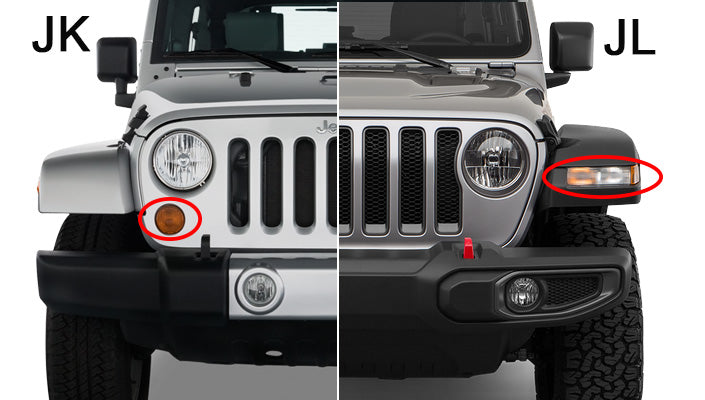
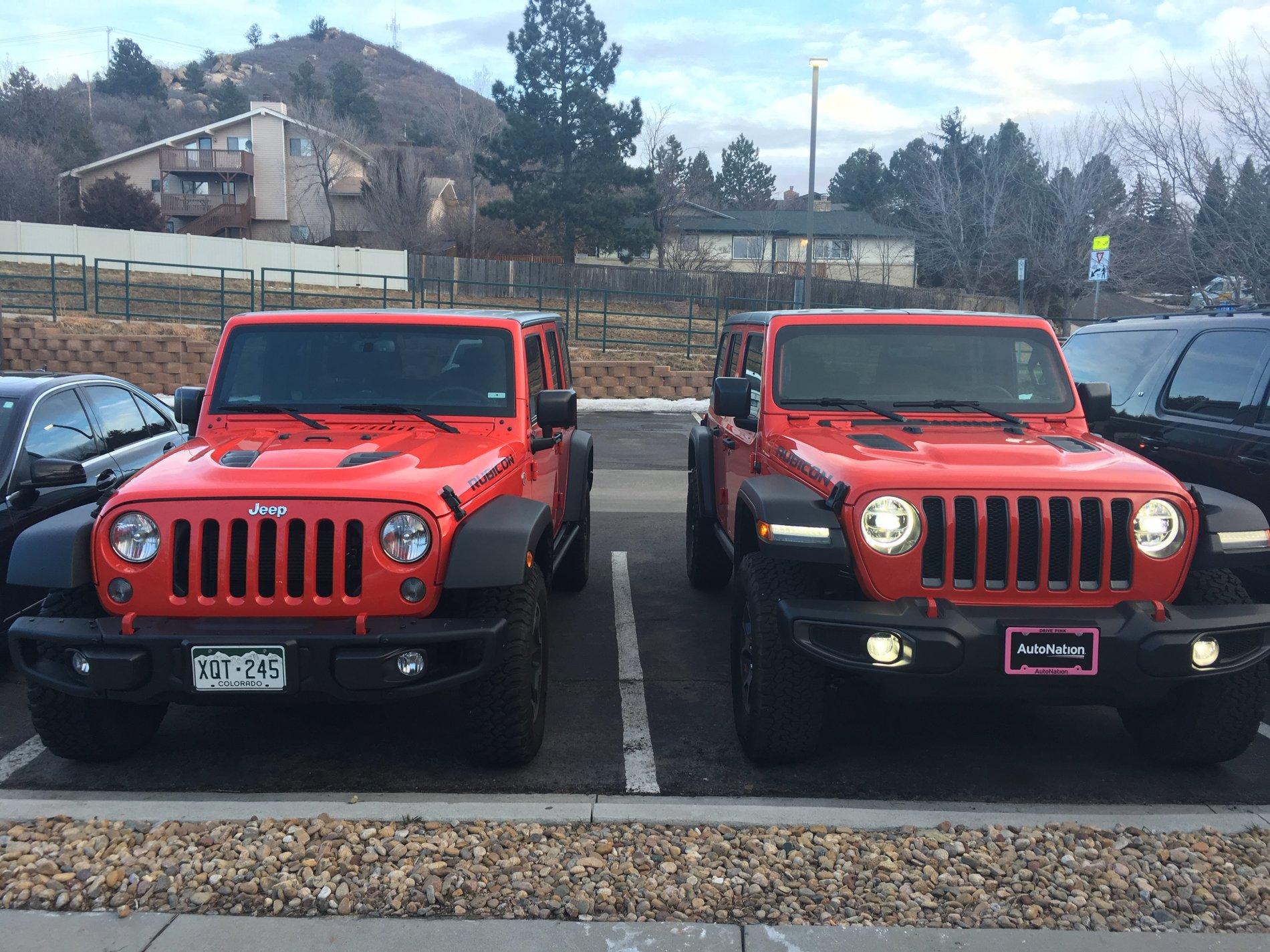
The JK set the stage for modern Wranglers, but the JL took things further. Both models keep the iconic boxy shape and removable doors, but the JL gets a lighter, stronger frame. Jeep used more high-strength steel and aluminum, making the JL about 200 pounds lighter.
One detail people miss: the JL’s windshield is easier to fold down for open-air driving. The hood latches are also stronger, reducing vibration at higher speeds. The fender flares on the JL are bigger, and the rear gate uses aluminum, making it easier to open.
Dimensions Comparison
Here’s a direct look at size:
| Model | Length (in.) | Width (in.) | Height (in.) | Wheelbase (in.) |
|---|---|---|---|---|
| Jeep JK | 164.3–184.9 | 73.7–73.9 | 72.6–73.7 | 95.4–116 |
| Jeep JL | 166.8–188.4 | 73.8–73.9 | 73.6–73.7 | 96.8–118.4 |
The JL is slightly longer and has a longer wheelbase, which helps with stability.
Engine And Performance
JK models came with two main engines: a 3.8L V6 (2007–2011) and a 3.6L Pentastar V6 (2012–2018), both paired with a 6-speed manual or 5-speed automatic. The JL keeps the 3.6L V6 but adds modern options—a 2.0L turbocharged 4-cylinder and a 3.0L EcoDiesel. For people who want better fuel economy, the JL’s turbo 4-cylinder is a game-changer.
The JL also shifts to an 8-speed automatic (compared to the JK’s 5-speed), giving smoother gear changes and better acceleration. This matters on highways or steep trails.
Powertrain Overview
| Model | Engines | Max Horsepower | Transmission |
|---|---|---|---|
| Jeep JK | 3.8L V6, 3.6L V6 | 202–285 hp | 6-speed manual, 5-speed auto |
| Jeep JL | 3.6L V6, 2.0L Turbo I4, 3.0L Diesel | 260–285 hp | 6-speed manual, 8-speed auto |
JL’s engines feel more responsive, especially the turbo 4-cylinder. The diesel is great for torque and long trips.
Interior Comfort And Features
The JK’s interior is simple and durable but feels basic by today’s standards. The JL has a much more modern cabin. You’ll notice softer materials, better seats, and a quieter ride thanks to improved sound insulation.
One non-obvious upgrade: the JL’s rear seats recline, making long trips more comfortable. The dash layout is more logical, and you get more USB ports. The JL’s Uconnect system offers a touchscreen up to 8.4 inches, Apple CarPlay, and Android Auto—features missing from the JK.
Interior Features Snapshot
| Feature | Jeep JK | Jeep JL |
|---|---|---|
| Touchscreen | Optional, small | Standard, up to 8.4″ |
| Rear Seat Recline | No | Yes |
| Apple CarPlay/Android Auto | No | Yes |
| USB Ports | 1–2 | Up to 4 |
Off-road Capability
Both models are true Wranglers, built for trails. The JK is rugged and simple—fewer electronics mean fewer things to break in remote locations. But the JL brings smart upgrades: stronger axles, better approach and departure angles, and electronic aids like Selec-Speed Control (off-road cruise control).
A subtle but important change: the JL’s fender flares give more room for larger tires without a lift kit. Also, the stock JL Rubicon rides higher and can fit 35-inch tires with no modifications.
For water crossings, the JL’s air intake is higher, making it a bit safer in deep streams. However, both models can be customized for extreme off-road use.
Safety And Technology
Safety wasn’t the JK’s main focus. It has basic airbags and traction control, but that’s about it. The JL adds much more:
- Blind spot monitoring
- Rear cross-path detection
- Rearview camera (standard)
- Parking sensors
These features matter if you use your Jeep daily in traffic. The JL’s crash ratings are also better, thanks to the stronger frame and more airbags.
Price, Value, And Ownership
JKs are now older, so you’ll find them cheaper—often $20,000–$30,000 for a clean used model. The JL, being newer, starts around $35,000 for a base model and can go over $50,000 for loaded Rubicons.
But remember: JKs may need more maintenance or upgrades, especially if they’ve seen off-road use. JLs will hold their value longer, and their new technology can mean fewer surprises down the road.
Here’s a tip many new buyers miss: insurance costs are usually lower for the JK because it’s less valuable and has fewer electronics to repair after a minor accident.
Choosing Between Jk And Jl
Pick the Jeep JK if:
- You want to save money
- Prefer simple mechanics for DIY repairs
- Like classic, rugged interiors
Pick the Jeep JL if:
- You want the latest tech and safety
- Care about comfort on long drives
- Plan to keep your Jeep for many years
Neither Wrangler is “better” for everyone. The right choice depends on your budget, how you’ll use the Jeep, and what features matter most.
Frequently Asked Questions
Which Wrangler Is More Reliable, Jk Or Jl?
Both are reliable, but the JK has fewer electronics, so there’s less that can go wrong. The JL uses newer tech, which is well tested, but repairs can cost more if something breaks.
Is The Jl More Fuel Efficient Than The Jk?
Yes. The JL’s 2.0L turbo and diesel options offer better gas mileage than the JK’s V6. Expect 2–4 more miles per gallon in real-world driving.
Can You Swap Parts Between The Jk And Jl?
Some parts—like wheels and tires—fit both, but most body and suspension parts are unique due to size and design changes. Always check fitment before buying upgrades.
Which Model Is Better For Off-roading?
The JL has better ground clearance, angles, and tech, but the JK is easier to fix on the trail. If you want to run bigger tires with no lift, the JL is better out of the box.
Where Can I Learn More About Jeep Wrangler Models?
Jeep’s own site gives deep details on specs and features. For more, see the Jeep Wrangler Wikipedia page.
Both the JK and JL represent what makes the Wrangler special: adventure, freedom, and capability. Your choice comes down to what you value most—classic simplicity or modern comfort. Either way, you’ll get a vehicle ready for almost anything.