When cold weather arrives, a working Jeep heater is more than a comfort—it’s a safety feature. If your Jeep’s heater stops blowing warm air, foggy windows become a challenge, and winter drives turn unpleasant.
Understanding why your Jeep’s heater is not working can save you money, time, and discomfort. This guide explains the most common causes and solutions, so you can get your Jeep warm again.
Why Your Jeep Heater Might Not Work
A Jeep’s heating system is simple in theory: hot coolant from the engine flows through a heater core, and a fan blows air through it into your cabin. But several parts must work together. When just one fails, the result is cold air.
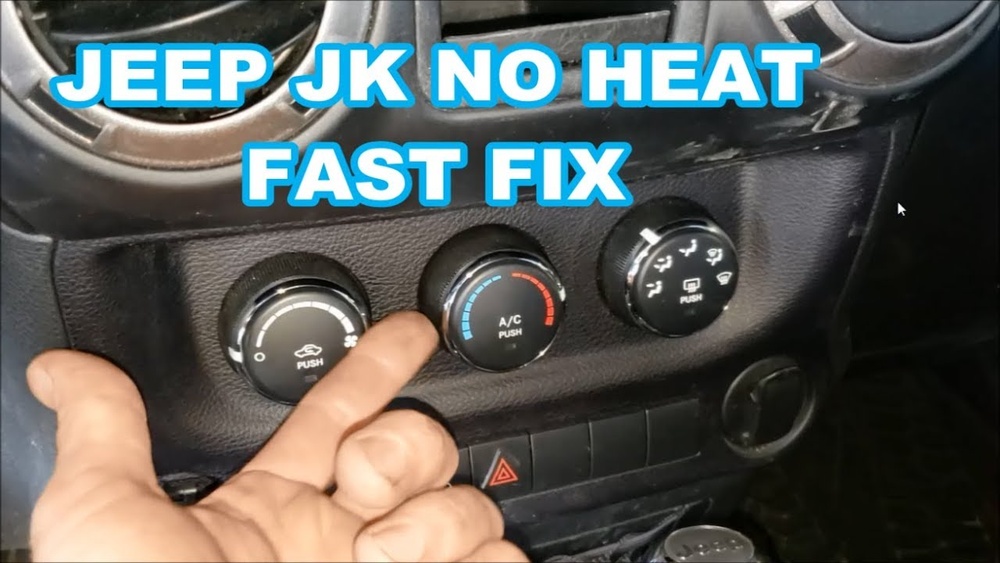
Some common symptoms include:
- No warm air from the vents, only cold air
- Foggy windows that don’t clear
- Coolant leaks under the dashboard
- Unusual smells (sweet or musty)
- Heater fan works, but air stays cold
Common Causes And Solutions
Let’s look at the main reasons a Jeep heater stops working, and what you can do about each one.
1. Low Coolant Level
The heater core depends on hot coolant from the engine. If coolant is low, there’s not enough to heat the air.
What to check:
- Look at the coolant reservoir under the hood. If it’s below the “Min” line, top it up with a 50/50 mix of coolant and water.
- Check for signs of leaks—wet spots under the Jeep or a sweet smell.
Warning: Never open the radiator cap while the engine is hot.
2. Faulty Thermostat
The thermostat controls the engine’s temperature. If it’s stuck open, the engine stays too cool and so does your heater.
Signs:
- Temperature gauge stays low after several minutes of driving.
- Both upper and lower radiator hoses are warm to the touch.
Solution: Replace the thermostat. This is a common and affordable repair.
3. Clogged Heater Core
The heater core can get blocked by rust or debris, especially in older Jeeps. If blocked, hot coolant can’t flow through.
Clues:
- One heater hose is hot, the other is cold.
- Weak heat even when the fan is on high.
Fix: Try flushing the heater core. If flushing doesn’t work, replacement may be needed.
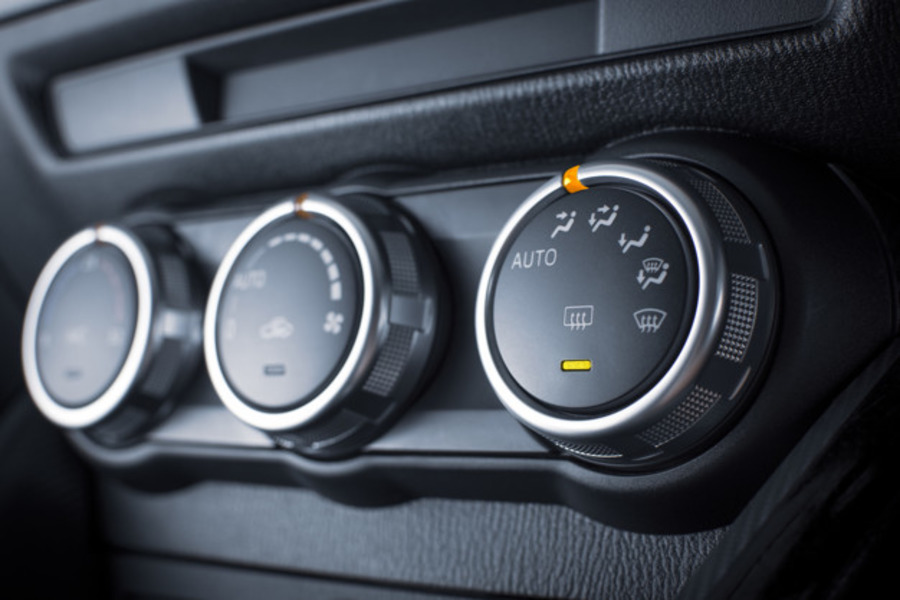
4. Broken Heater Control Or Blend Door
Inside your Jeep, a “blend door” directs air through the heater core. If the door or its motor breaks, the air may not warm up.
Symptoms:
- You can hear the fan, but temperature doesn’t change when you adjust the dial.
- Clicking sounds from behind the dashboard.
Solution: This usually needs a mechanic, as the dashboard often must be removed.
5. Faulty Heater Fan Or Blower Motor
If the fan doesn’t work, air won’t move through the heater core at all.
How to tell:
- No air blows from vents even at high settings.
- Fan works on some speeds but not others.
Repair: Sometimes it’s just a blown fuse or bad relay. If the motor is dead, it must be replaced.
6. Air Pockets In The Cooling System
After a coolant change, air can get trapped and block flow to the heater core.
Sign:
- Heat comes and goes, or only works when driving fast.
Solution: Bleed the cooling system to remove air bubbles.
Diagnosing Jeep Heater Problems: A Quick Comparison
Here’s a simple comparison of symptoms and likely causes:
| Symptom | Likely Cause | DIY-Friendly? |
|---|---|---|
| No heat, low coolant | Low coolant level or leak | Yes |
| Cool engine, cold air | Stuck thermostat | Yes |
| Fan works, no heat | Clogged heater core | Maybe |
| Heat on/off at random | Air pockets in system | Yes |
| Fan dead, no airflow | Blower motor/fuse | Yes |
Jeep Models And Heater Issues
Not all Jeeps have the same heater setup. Some are more likely to have issues.
| Jeep Model | Common Heater Problems | Special Notes |
|---|---|---|
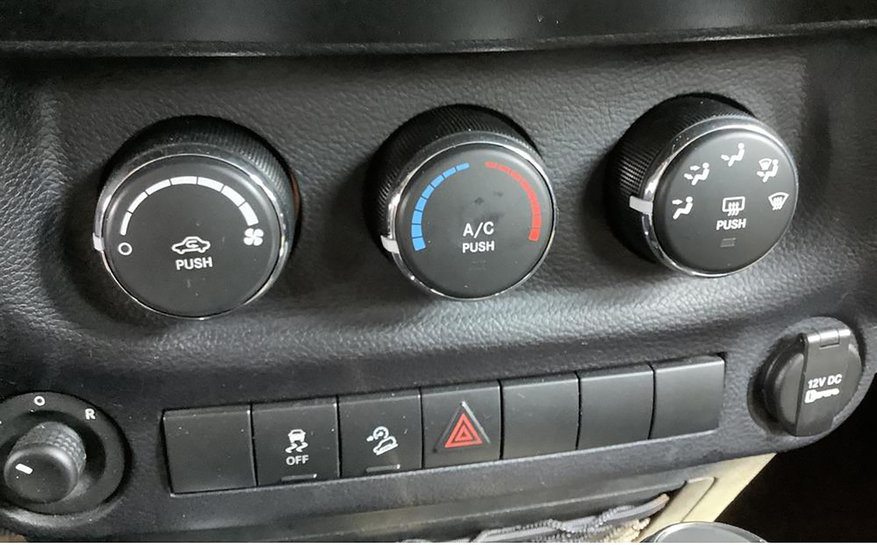
| Wrangler (TJ, JK, JL) | Blend door failure, heater core clogging | Dash removal often needed for repairs |
| Cherokee (XJ, KL) | Heater core leaks, thermostat issues | XJ models more prone to core leaks |
| Grand Cherokee (WJ, WK, WK2) | Blend door and actuator failures | Actuator motors often fail before doors |
Two Insights Most Jeep Owners Miss
- Heater core health affects engine cooling. Many owners forget the heater core is part of the cooling loop. A clogged core not only means no heat—it can also make your Jeep overheat in summer.
- Using only water as coolant can cause rust. Some DIY fixes use just water. Without proper antifreeze, rust will clog the heater core and cause heater failure.
When To See A Mechanic
Some heater problems are easy to fix, like topping up coolant or changing a fuse. But you should visit a professional if:
- The dashboard must come off (blend door repairs)
- There’s a strong coolant smell inside the Jeep (heater core leak)
- You see coolant pooling under the passenger floor mat
- DIY repairs haven’t solved the problem
A professional has special tools to diagnose electrical faults and pressure test the system, saving you hours of frustration.
Maintenance Tips To Prevent Heater Failure
- Check coolant level every month, especially before winter.
- Use the correct coolant type for your Jeep model.
- Run the heater for a few minutes every month, even in summer, to keep components moving.
- Fix leaks early to avoid rust and bigger repairs.
How Much Will Repairs Cost?
Here’s a simple cost guide for common Jeep heater repairs:
| Repair | Estimated Cost (USD) | DIY Possible? |
|---|---|---|
| Coolant top-up | $15–$30 | Yes |
| Thermostat replacement | $90–$180 | Yes |
| Heater core flush | $80–$150 | Maybe |
| Heater core replacement | $400–$900 | No |
| Blend door repair | $300–$800 | No |