A transmission reset clears old learning data from the Transmission Control Module in a Jeep Grand Cherokee. The system starts fresh and builds new shift patterns.
You switch the key to ON, press the gas pedal down for ten seconds, switch the key to OFF while holding the pedal, release, wait, then start the engine. This helps with rough shifts, hesitation, slow acceleration, or poor fuel use.
Modern Jeep Grand Cherokee models rely on electronic control for gear timing and load response. When you perform a Jeep Grand Cherokee Transmission Reset, you clear old adaptive data and give the system a clean baseline to rebuild shift behavior.

The Transmission Control Module stores adaptive values based on your driving style, transmission wear, and throttle input. These values drift over time and cause slow shifts, rough engagement, hesitation, or inconsistent acceleration.
A reset wipes those values and sets everything back to zero. The vehicle rebuilds shift logic during short, gentle drives. You get smoother shifts, stronger engagement, and predictable responses once the module completes its relearn process.
Below you get a full guide with reasons, preparation steps, the reset routine, the relearn cycle, and follow-up checks.
Why a Transmission Reset Helps
A reset helps the module return to a clean state. This removes incorrect patterns and outdated learned behavior. Drivers notice rough shifts after fluid changes, part replacement, long trips, or towing. The module needs new values when any transmission component changes.
You also get benefits in slow traffic or mixed city driving because the module responds faster once old values disappear. The engine and gearbox work together without conflicting data.
Transmission faults often appear as:
- Rough upshifts
- Late downshifts
- Slow acceleration
- Sudden jerks at low speed
- Drop in fuel use
- Light throttle lag
- Hard engagement into Drive or Reverse
A reset helps with these symptoms when the issue relates to adaptive data instead of mechanical wear.
When You Should Reset
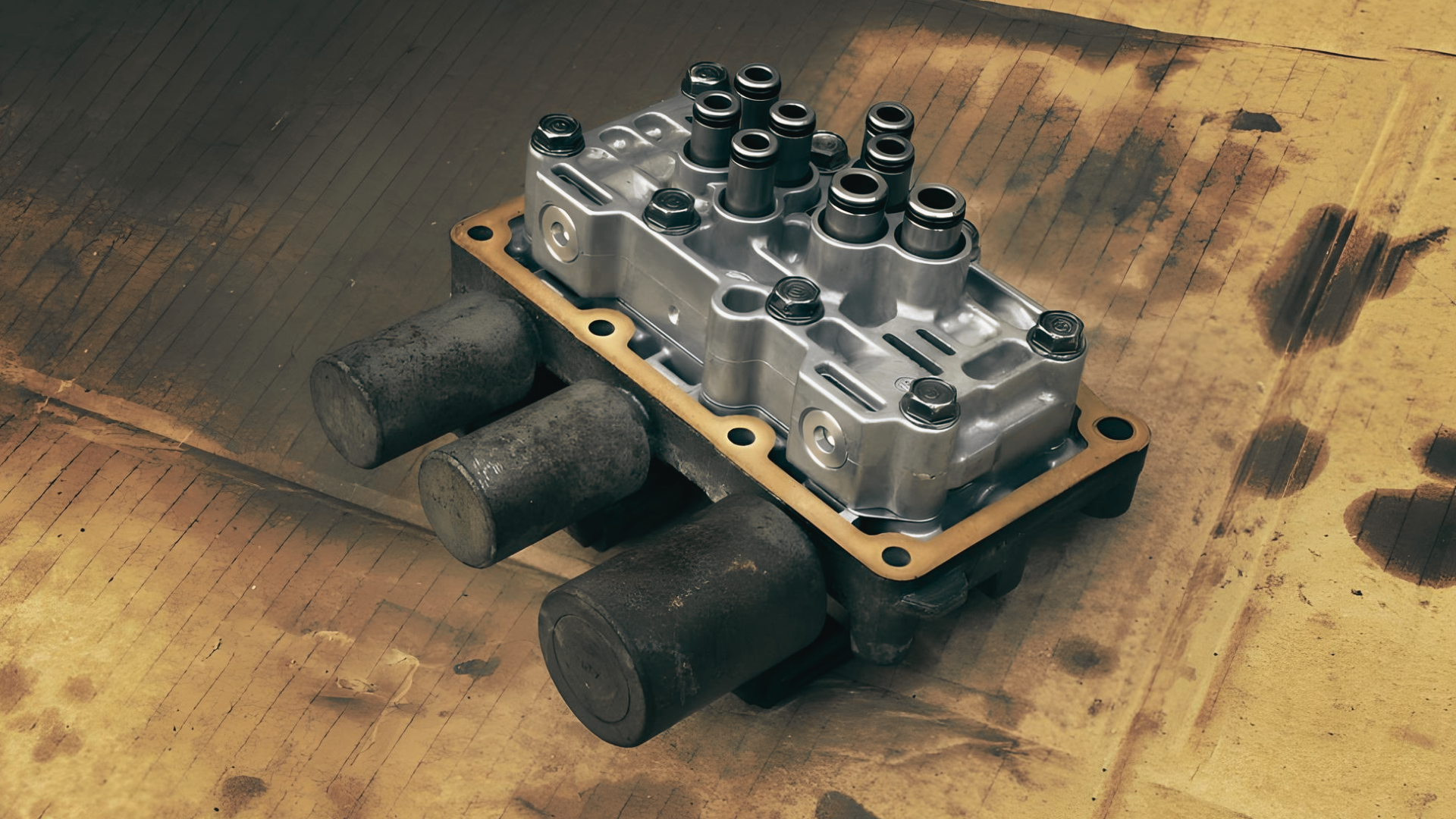
You should run a reset after fluid replacement, sensor installation, solenoid work, or valve body service. The module needs to forget old values and rebuild fresh patterns during the next drive.
A reset also helps when the vehicle behaves differently after a long break, poor fuel quality, or significant temperature shifts. Sudden changes confuse the module because stored data no longer matches current conditions.
You also try a reset before visiting a workshop. Small software glitches sometimes vanish after a simple reset.
Preparation Before the Reset
You need a calm area with enough room. You keep the engine off. You use only the ignition key or the push start button. You avoid pressing the brake because the engine should not start.
Follow these preparation steps:
- Park on level ground.
- Set the parking brake.
- Keep all accessories off.
- Keep the driver’s door closed during the sequence.
- Wait ten seconds after switching the engine off before starting the procedure.
Small mistakes interrupt the routine, so follow the steps exactly.
Full Step by Step Transmission Reset Procedure
This method works on most Jeep Grand Cherokee models with electronic control. Follow each step in order.
1. Turn the ignition to ON
Turn the key to the ON position. Do not start the engine. Your dashboard lights will switch on. The system enters active mode and prepares for input.
2. Press the gas pedal fully
Push the pedal to the floor. Hold the pedal down for ten seconds. This sends a clear input signal to the module. The system enters adaptive clearance mode.
3. Turn the ignition to OFF
Keep the pedal down. Turn the key to OFF. Do not remove the key yet. The system stores the reset request in the module.
4. Release the pedal
Release the pedal slowly. Keep the vehicle in complete silence for two minutes. This gap is important because the module clears adaptive tables during this period.
5. Start the engine normally
Start the vehicle. Do not rev the engine. Let it idle for one minute. The module finishes the reset and waits for fresh learning signals.
Post Reset Relearn Drive
The module needs new data from light driving. Follow a simple pattern to help the module relearn quickly.
Light Drive Routine
- Drive at low speed for five minutes.
- Let the gearbox shift through the lower gears without harsh throttle.
- Accelerate smoothly on an open road.
- Reach medium speed and allow natural upshifts.
- Slow down gently and let the gearbox downshift without forcing it.
- Repeat the cycle twice.
The module uses these signals to build new patterns for clutch pressure, timing, throttle response, and load calculation.
Avoid heavy acceleration during the first short drive. Give the system time to build stable data. You get stronger final results within one or two short trips.
What to Expect After the Reset
You may feel softer shifts during the first few minutes because the module starts from zero. The system improves over the next hour of normal driving. You should notice smoother engagement, better low-speed behavior, and more stable acceleration.
Sensors and solenoids respond faster because their operation no longer follows outdated patterns. The module also matches throttle pressure more accurately because the reset removes drift.
Signs the Reset Worked
You can confirm improvement with these signals:
- Smoother upshifts
- Faster throttle response
- Reduced lag at low speed
- More stable acceleration
- Fewer random jerks
- Lower vibration during shifts
- Better low-speed control in traffic
If the symptoms improve but do not fully disappear, the module may need more drive time. Keep driving for two or three days. The system sharpens shift logic through repeated cycles.
When a Reset Does Not Help
A reset helps only with adaptive data problems. You need an inspection in these situations:
- Loud mechanical noise
- Metallic grinding
- Heavy jerk during gear changes
- Strong burning smell from the fluid
- Frequent limp mode
- Warning lights that return instantly
- Hard slip under acceleration
These symptoms often relate to mechanical wear, low fluid level, clogged filters, damaged solenoids, or sensor faults. A reset will not fix these issues.
A workshop should check fluid condition, temperature sensor accuracy, pressure readings, and pump response.
Extra Checks After the Reset
Once you finish the reset and relearn drive, run these quick checks.
Check transmission fluid
Low level or old fluid causes poor shift quality. Make sure the fluid remains within the safe range. Avoid mixing fluid types.
Check battery voltage
Weak voltage interrupts electronic control. A strong battery ensures stable module operation.
Scan for stored codes
Even if the reset helped, hidden codes might remain. A simple scan gives a full picture of the transmission system.
How Often You Should Reset
You do not need frequent resets. You only reset after fluid replacement, part installation, or noticeable shift issues. Frequent resets slow long-term learning because the module never finishes building stable patterns.
Use a reset only when symptoms appear or when you service the transmission.
Safety Tips During the Process
Keep the vehicle in Park. Keep the parking brake engaged. Avoid pressing the brake pedal during the steps because that may start the engine. Keep the area clear because the system might engage electronics that distract you.
Do not perform the reset during rain, extreme heat, or extremely cold conditions because the module needs a stable temperature to store new data.
Conclusion
The transmission reset on a Jeep Grand Cherokee clears old learning values from the Transmission Control Module and gives the system a fresh start. You turn the key to ON, press the gas pedal for ten seconds, turn the key to OFF while holding the pedal, release, wait, then start the engine. The system relearns during a short, gentle drive.
This guide gives full steps, the relearn cycle, and follow-up checks. You get smoother shifting, stronger engagement, and more stable performance when the issue relates to software drift instead of mechanical damage.