If you notice red fluid under your Jeep Grand Cherokee, you might be dealing with a transmission fluid leak. This problem can start small but lead to costly repairs and safety risks if ignored. Understanding why transmission fluid leaks happen, how to spot them, and what to do next helps keep your Jeep running smoothly and avoid bigger headaches.
Why Transmission Fluid Leaks Happen
Transmission fluid is vital for your Grand Cherokee’s automatic transmission. It keeps gears cool, lubricates moving parts, and helps shift smoothly. When the fluid leaks, the transmission can overheat or fail.
Common causes include:
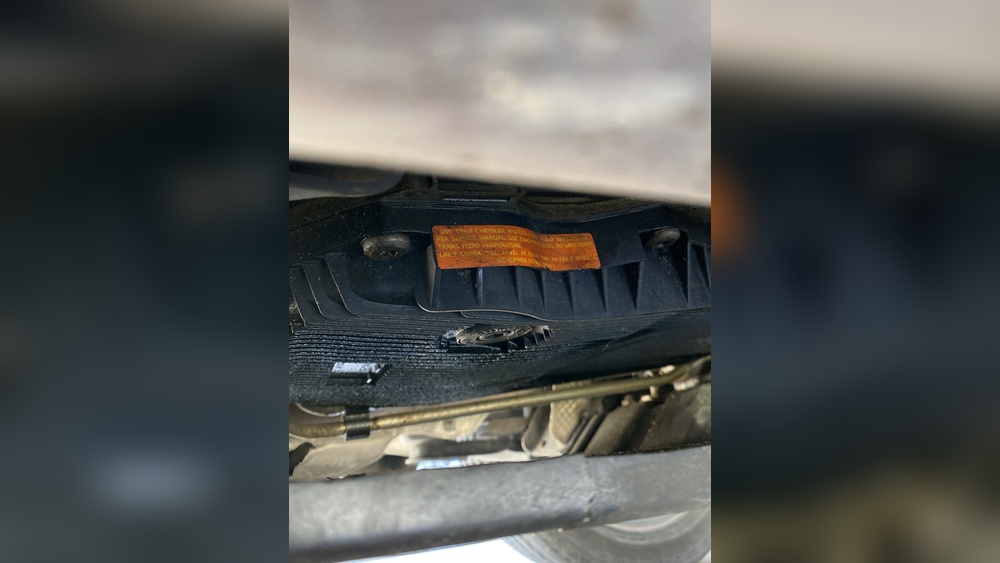
- Damaged seals or gaskets: These rubber parts can crack from age or heat.
- Loose or broken pan bolts: The transmission pan holds the fluid. If bolts are loose, fluid can escape.
- Faulty transmission lines: Metal or rubber lines carry fluid. Corrosion or damage causes leaks.
- Worn-out transmission pan: The pan can rust or get punctured.
- Overfilled fluid: Too much fluid leads to pressure and leaks.
- Cracked housing: Accidents or impacts can break the transmission casing.
Age, mileage, and rough driving increase risk. Jeep Grand Cherokee models from 2011–2018 are more likely to experience leaks due to design and material issues.
Signs Your Jeep Grand Cherokee Is Leaking Transmission Fluid
Spotting a leak early prevents expensive repairs. Watch for these clues:
- Red or brown puddle under the SUV, usually near the middle.
- Burning smell inside or outside the vehicle.
- Transmission slipping: The vehicle hesitates or shifts poorly.
- Warning lights: The check engine light or transmission warning may appear.
- Low fluid level: The dipstick reads below the safe mark.
If you notice two or more signs, check the fluid and consult a mechanic.
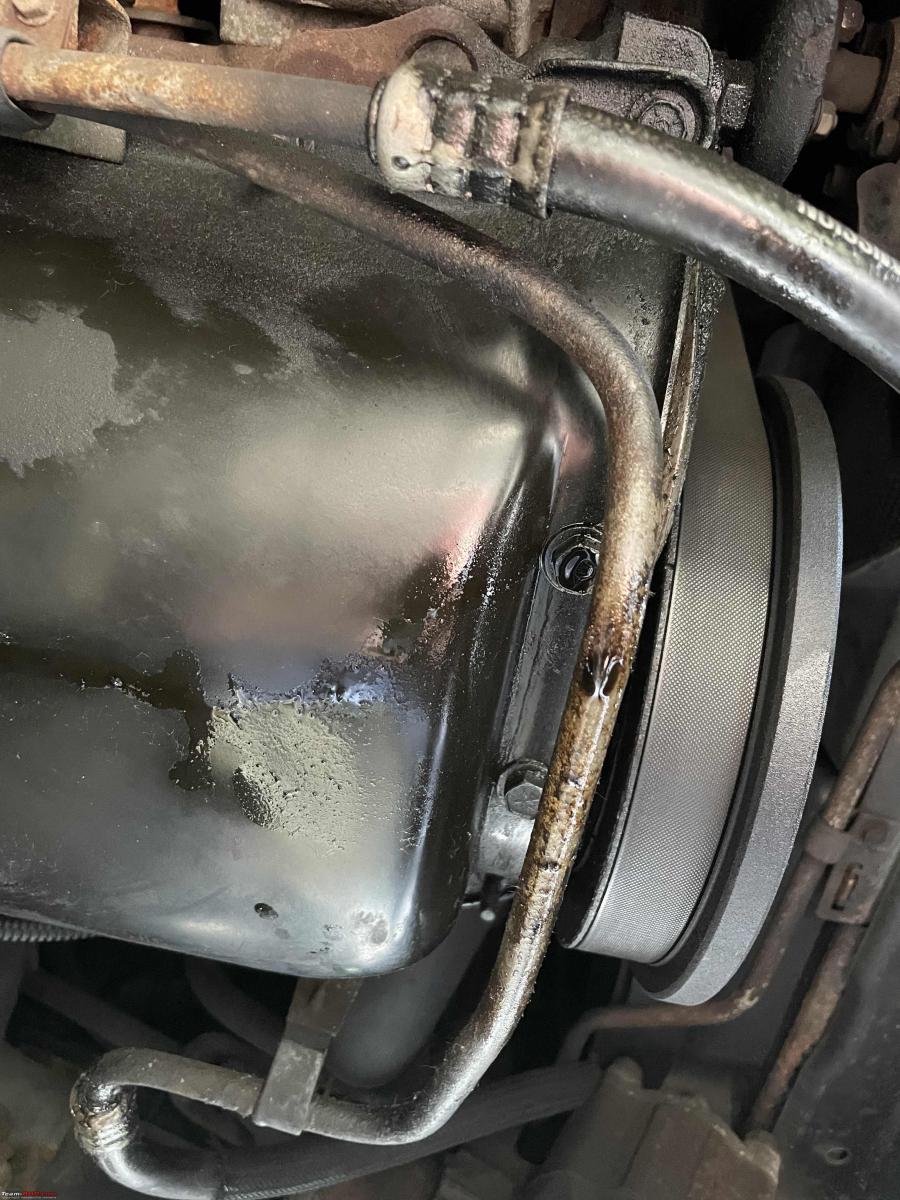
Jeep Grand Cherokee Leak Locations
Different leaks come from different spots. Here’s a comparison of common leak locations:
| Location | Cause | Difficulty to Repair |
|---|---|---|
| Transmission pan | Loose bolts, damaged gasket | Easy |
| Transmission cooler lines | Corrosion, cracks | Medium |
| Input/output shaft seals | Wear, age | Hard |
| Torque converter | Seal failure | Hard |
Most leaks occur at the pan or cooler lines. Rarely, leaks start at the torque converter or shaft seals.
Fixing Transmission Fluid Leaks
Repair depends on the leak’s location and severity. Here are practical steps:
- Find the leak: Inspect under the Jeep. Clean the area and look for wet spots.
- Check fluid level: Use the dipstick. If low, refill with ATF+4 fluid (Jeep’s recommended type).
- Tighten bolts: If the pan bolts are loose, tighten to Jeep specs.
- Replace gaskets/seals: Old gaskets or seals must be swapped.
- Repair or replace lines: If cooler lines are damaged, replace them.
- Clean and test: After repair, clean the area and drive to check for new leaks.
If the leak is inside the transmission (like the torque converter), a mechanic is needed. DIY repairs are fine for pan or line leaks, but deeper repairs require tools and skill.

Cost Of Repair: What To Expect
Transmission leak repairs vary in price. Here’s a quick breakdown:
| Repair Type | Estimated Cost (USD) | Labor Time |
|---|---|---|
| Pan gasket replacement | $150–$250 | 1–2 hours |
| Cooler line replacement | $200–$350 | 2–3 hours |
| Shaft seal replacement | $400–$700 | 4–6 hours |
| Torque converter seal | $500–$900 | 5–8 hours |
Prices vary by location and Jeep model year. Ignoring a leak often leads to much higher costs, including full transmission replacement ($2,500–$4,000).
Preventing Transmission Fluid Leaks
Regular care reduces leaks and keeps your Grand Cherokee reliable:
- Check fluid monthly: Use the dipstick to spot problems early.
- Service transmission every 30,000–60,000 miles: Change fluid and inspect gaskets.
- Inspect for rust: Clean under the vehicle and look for corrosion.
- Drive gently: Hard acceleration and towing increase stress.
- Fix leaks quickly: Small leaks can turn into big repairs.
A less obvious tip: ask your mechanic to use OEM (original equipment manufacturer) parts. Aftermarket gaskets or seals may not fit as well and can leak sooner. Also, avoid overfilling fluid—it’s a common mistake that creates pressure and causes leaks.
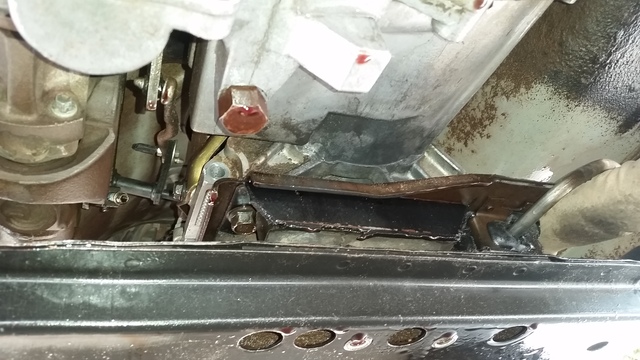
How Transmission Fluid Leaks Affect Performance
A leaking transmission makes your Jeep less reliable and safe:
- Transmission overheating: Low fluid means less cooling.
- Rough shifting: The gears slip or jerk.
- Complete failure: If ignored, the transmission can stop working.
- Reduced fuel efficiency: The engine works harder, using more gas.
These issues can leave you stranded. Always fix leaks fast to protect your Jeep.
When To Seek Professional Help
Some leaks are easy to fix, but others need expert care. If you notice:
- Fluid leaking while driving
- Transmission warning lights
- Strong burning smell
- Gear shifting problems
Go to a certified Jeep mechanic. They have special tools and training for complex repairs. For more technical details, visit the official Jeep page at Jeep Care.
Frequently Asked Questions
How Can I Identify A Transmission Fluid Leak On My Jeep Grand Cherokee?
Look for red or brown fluid under your SUV, check the transmission dipstick, and notice any burning smells or shifting problems.
Is It Safe To Drive With A Leaking Transmission Fluid?
No. Driving with a leak can cause transmission failure and unsafe driving. Fix the leak as soon as possible.
What Type Of Transmission Fluid Does A Jeep Grand Cherokee Use?
Most models use ATF+4 fluid. Always check your owner’s manual for the correct fluid type.
Can I Fix A Transmission Fluid Leak Myself?
You can fix minor leaks (like pan bolts or gaskets) if you have basic tools. Complex leaks (like shaft seals) need a professional.
How Often Should I Check Transmission Fluid Levels?
Check the fluid once a month or before long trips. Early checks prevent bigger problems.
Transmission fluid leaks in your Jeep Grand Cherokee can be serious, but with early detection and the right steps, you can keep your SUV running reliably. Take care of leaks quickly, follow regular maintenance, and use quality parts. This approach saves money and ensures safe driving for years to come.