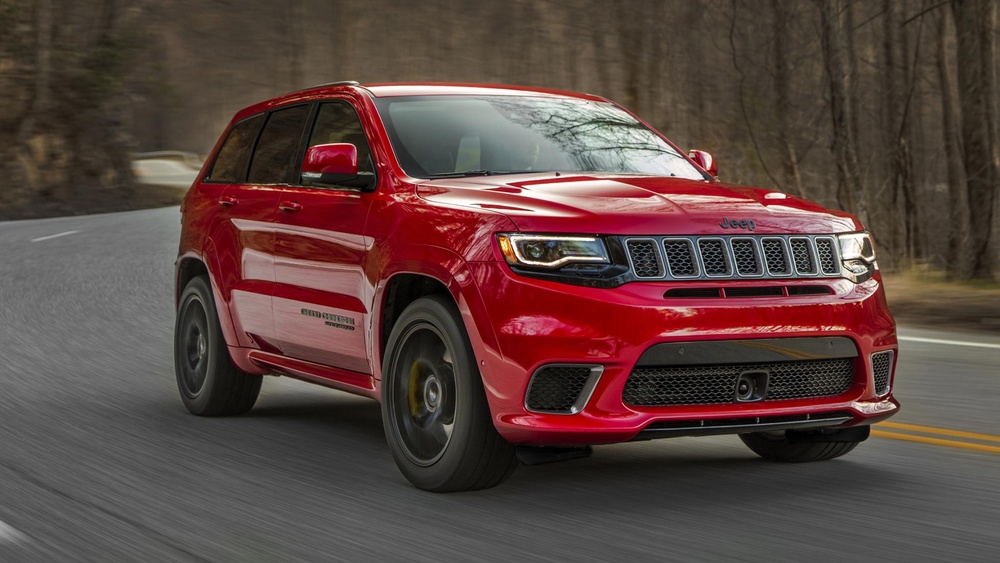
The Jeep Grand Cherokee L is known for its mix of style, power, and family-friendly features. But for many buyers, the big question is how much weight this SUV can really handle.
Whether you want to haul camping gear, move heavy tools, or load up for a road trip, understanding the payload capacity is essential. This guide will help you know exactly what the Grand Cherokee L can carry, how it compares to rivals, and what you should avoid to keep your vehicle safe.
What Is Payload Capacity?
Payload capacity means the total weight your vehicle can carry inside, including passengers and cargo. This is different from towing capacity (the weight a vehicle can pull behind it). Payload includes everything you put inside the cabin and cargo area. This number is important because overloading your SUV can damage the suspension, brakes, and even the frame, leading to expensive repairs or accidents.
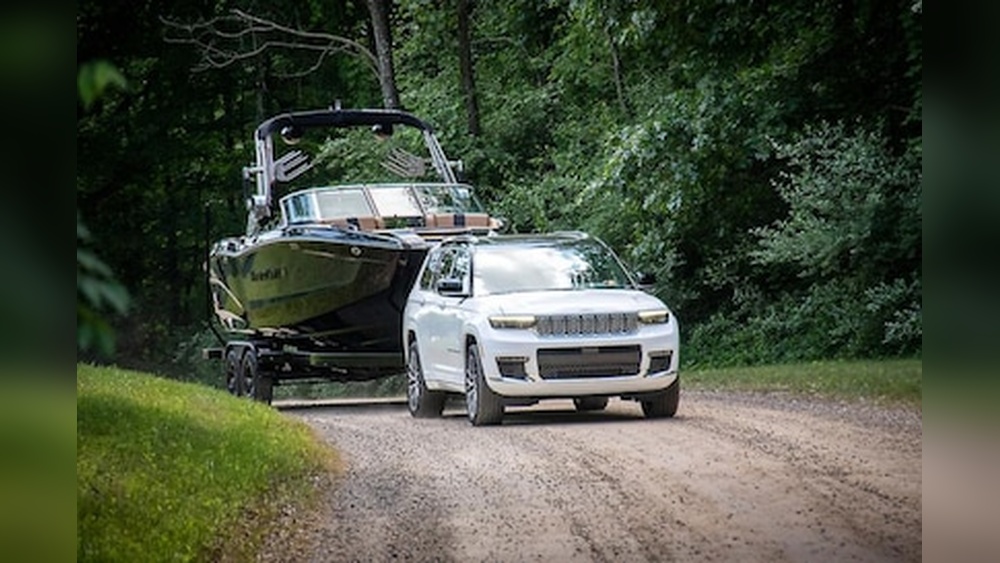
Jeep Grand Cherokee L Payload Capacity: Key Numbers
The Jeep Grand Cherokee L comes in several trims, with different engines and options. Payload capacity changes slightly depending on the model and features.
| Trim | Engine | Payload Capacity (lbs) |
|---|---|---|
| Laredo | 3.6L V6 | 1,380 |
| Limited | 3.6L V6 | 1,330 |
| Overland | 3.6L V6 | 1,230 |
| Summit | 3.6L V6 | 1,220 |
| Summit Reserve | 5.7L V8 | 1,400 |
These numbers can seem close, but the difference matters when you load up for a long trip. For example, the Summit Reserve with a V8 engine lets you carry more, thanks to its stronger frame and suspension.

How Jeep Grand Cherokee L Payload Compares
You might wonder how the Grand Cherokee L stacks up against other three-row SUVs. Here’s a quick look:
| Model | Max Payload (lbs) |
|---|---|
| Jeep Grand Cherokee L | 1,400 |
| Ford Explorer | 1,560 |
| Toyota Highlander | 1,685 |
| Honda Pilot | 1,420 |
| Chevrolet Traverse | 1,698 |
The Grand Cherokee L is competitive, but a few rivals offer higher payload limits. Still, its numbers are strong enough for most families and adventure seekers.
Factors That Affect Payload
Payload isn’t a fixed number for all Grand Cherokee L models. Here are the main things that change how much you can carry:
- Trim and Features: Higher trims often have more features and heavier materials, which can reduce payload.
- Engine Type: V8 models usually have a higher payload because they’re built to handle more stress.
- Added Equipment: Sunroofs, all-wheel drive systems, and larger wheels add weight. This means less available payload.
- Passenger Count: Every person inside counts toward the total payload. Seven adults can use up a large part of the limit.
It’s important to check your vehicle’s door jamb sticker for the exact payload number, as it accounts for the options and features on your specific car.
How To Calculate What You Can Carry
Knowing your SUV’s payload is one thing. Knowing how much you’re actually carrying is another. Here’s a simple way to check:
- Look for the sticker: Open the driver’s door. You’ll see a yellow or white sticker with “The combined weight of occupants and cargo should never exceed XXX kg or lbs.”
- Count all passengers: Estimate each adult at about 150–180 lbs (68–82 kg). Children are less, but still add up.
- Weigh your cargo: Luggage, coolers, tools, and even pets all count. If you’re unsure, use a bathroom scale for heavy items.
- Add it up: Passengers + cargo = total payload.
- Stay under the limit: Never go over the number on your sticker. Even a small overload can be risky.
Non-obvious tip: The payload number already includes a full tank of gas. No need to subtract fuel weight.
Examples: Real-life Loading Scenarios
Let’s look at some practical examples.
Family Road Trip (6 people + gear):
- 2 adults (360 lbs)
- 4 children (300 lbs)
- Luggage and cooler (250 lbs)
- Miscellaneous (stroller, toys) (60 lbs)
- Total: 910 lbs
This is well within the 1,400 lbs limit. You could add more gear or heavier passengers and still be safe.
Home Improvement Haul:
- 1 adult (180 lbs)
- 15 bags of concrete (60 lbs each = 900 lbs)
- Tools (50 lbs)
- Total: 1,130 lbs
You’re close to the max. If you add a second adult, you could go over the safe payload.
Towing a Trailer: Remember, if you hitch a trailer, the tongue weight (usually 10–15% of trailer weight) also counts against your payload. For example, a 5,000 lbs trailer with a 500 lbs tongue weight uses up 500 lbs of your payload capacity.

Why Payload Matters For Safety
It’s tempting to ignore payload numbers, but there are real risks:
- Braking distance increases with more weight.
- Suspension and tires can wear out or fail.
- Handling becomes less predictable, especially in sharp turns or emergencies.
- Insurance coverage might not help if you’re overloaded in an accident.
A non-obvious risk: Overloaded vehicles are more likely to have tire blowouts, especially on hot days or long drives.
Tips For Maximizing Payload Safely
- Pack light and smart: Choose lighter luggage and remove unnecessary items.
- Distribute weight evenly: Put heavy items near the center, not at the far back.
- Check tire pressure: Proper inflation is essential with heavy loads.
- Leave space for air circulation: Overpacked cargo can block vents and increase cabin temperature.
- Consider a roof box: For bulky but light items like sleeping bags or jackets, a roof box can help. Just remember the roof’s weight limit is usually much lower (around 150–200 lbs).
Payload Vs Towing: Don’t Confuse The Two
A common mistake is mixing up payload and towing capacity. Payload is what’s inside or on top of your Jeep. Towing is what’s behind you, hitched to the back. If you’re towing and also loading up the cabin, you have to think about both limits at the same time.
For example, if your Grand Cherokee L can tow 6,200 lbs but you have 1,200 lbs of gear and people inside, you can’t always tow the full trailer weight. Part of the reason is that the tongue weight of the trailer uses up payload. Always check your owner’s manual for the exact rules.
Common Payload Mistakes To Avoid
- Ignoring passenger weight: With a full cabin, you may have less room for cargo than you think.
- Forgetting about tongue weight: Towing adds to payload, not just towing capacity.
- Estimating instead of weighing: Guessing can lead to overload.
- Not checking the sticker: The actual payload may be lower than the advertised “maximum” because of options or equipment.
- Overusing roof racks: The roof can’t hold as much as the cabin.
How To Find Your Jeep’s Exact Payload
While the numbers above are a good guide, every Grand Cherokee L is a bit different. Here’s how to find your specific payload:
- Check the driver’s door jamb: The sticker lists the official payload for your exact vehicle.
- Look in the owner’s manual: It explains how to calculate payload and what counts.
- Ask your dealer: If you added custom features or heavy accessories, get a new weight check at the dealership.
- Weigh your Jeep: For complete accuracy, visit a truck scale. Weigh your SUV with a full tank and subtract from the Gross Vehicle Weight Rating (GVWR) on the sticker.
Jeep Grand Cherokee L Payload: Good For Most Needs?
The Grand Cherokee L’s payload numbers fit most lifestyles. You can carry several adults and their gear, or haul home improvement supplies, without worry. If you regularly need to carry over 1,400 lbs, a larger SUV or pickup might be a better fit.
For most families, campers, or adventurers, though, the Grand Cherokee L has enough strength to handle the job.
Where To Learn More
For the latest official specs and updates, you can visit the Jeep Grand Cherokee L official site.
Frequently Asked Questions
<!– wp:rank-math/faq-block {"questions":[{"id":"faq-question-11c3456937cf","title":"What Happens If I Overload My Jeep Grand Cherokee L?","content":"Carrying more than the payload capacity can damage your suspension, brakes, and tires. It also increases stopping distance and the risk of accidents. Insurance may not cover you if you’re in a crash while overloaded.
“,”visible”:true},{“id”:”faq-question-20c503341c60″,”title”:”Does Payload Include The Driver?”,”content”:”Yes, the payload capacity includes the driver, all passengers, and everything you load inside or on top of the vehicle.
“,”visible”:true},{“id”:”faq-question-eccbe3fc6d31″,”title”:”How Do I Find The Payload Capacity For My Exact Jeep Grand Cherokee L?”,”content”:”Check the yellow or white sticker inside the driver’s door jamb. It gives the real payload for your vehicle, including all installed options. The owner’s manual also explains payload.
“,”visible”:true},{“id”:”faq-question-88af0293014b”,”title”:”Is The Payload Different For The Two-wheel Drive And Four-wheel Drive Versions?”,”content”:”Yes, four-wheel drive models are often heavier, so their payload is slightly lower. Always check your sticker for the correct number.
“,”visible”:true},{“id”:”faq-question-b3520e4df50b”,”title”:”Can I Increase My Jeep Grand Cherokee L’s Payload Capacity?”,”content”:”No, payload capacity is set by the manufacturer. Adding heavier springs or airbags doesn’t change the official number. Overloading is still unsafe and can void your warranty.
With the right knowledge, you can load your Jeep Grand Cherokee L safely and confidently. Always check your numbers, pack smart, and enjoy the road ahead!
“,”visible”:true}]} –>What Happens If I Overload My Jeep Grand Cherokee L?
Carrying more than the payload capacity can damage your suspension, brakes, and tires. It also increases stopping distance and the risk of accidents. Insurance may not cover you if you’re in a crash while overloaded.
Does Payload Include The Driver?
Yes, the payload capacity includes the driver, all passengers, and everything you load inside or on top of the vehicle.
How Do I Find The Payload Capacity For My Exact Jeep Grand Cherokee L?
Check the yellow or white sticker inside the driver’s door jamb. It gives the real payload for your vehicle, including all installed options. The owner’s manual also explains payload.
Is The Payload Different For The Two-wheel Drive And Four-wheel Drive Versions?
Yes, four-wheel drive models are often heavier, so their payload is slightly lower. Always check your sticker for the correct number.
Can I Increase My Jeep Grand Cherokee L’s Payload Capacity?
No, payload capacity is set by the manufacturer. Adding heavier springs or airbags doesn’t change the official number. Overloading is still unsafe and can void your warranty.
With the right knowledge, you can load your Jeep Grand Cherokee L safely and confidently. Always check your numbers, pack smart, and enjoy the road ahead!