If your Jeep Grand Cherokee starts running rough, misfires, or shows poor fuel economy, a faulty fuel injector could be the reason. The fuel injector’s job is to spray the right amount of fuel into the engine’s cylinders.
When it fails, you may notice engine hesitation, power loss, or even a check engine light. Replacing a bad injector can restore performance and efficiency.
This guide explains what you need to know about Jeep Grand Cherokee fuel injector replacement, including symptoms, replacement steps, costs, and what mistakes to avoid.
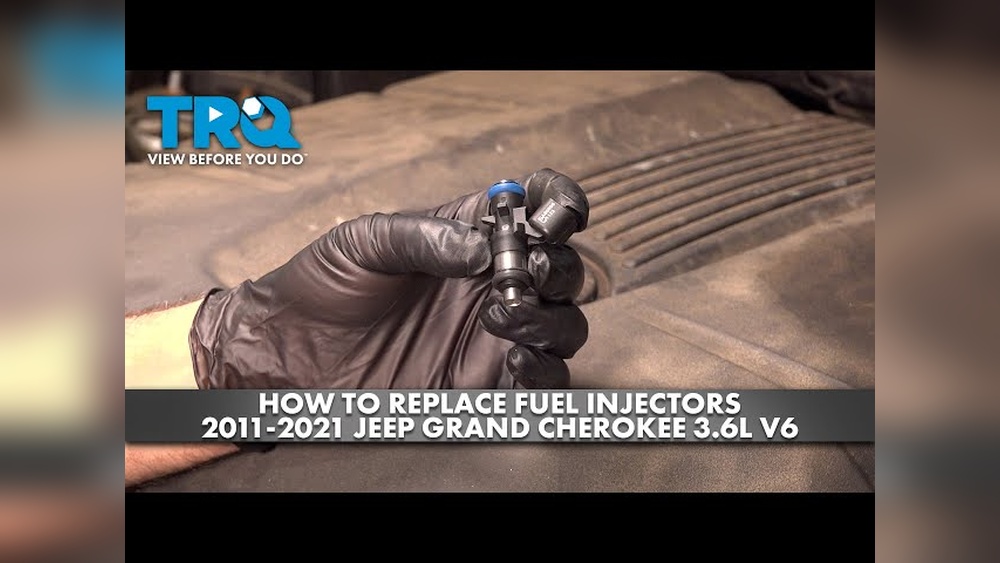
Signs Of A Failing Fuel Injector
A bad fuel injector usually gives clear warning signals. If you recognize these early, you can avoid bigger engine problems.
- Rough idle or stalling: If the engine shakes or stalls at stops, one or more injectors may not be working.
- Poor fuel economy: A failing injector can cause the engine to use more gas.
- Engine misfire: The engine may hesitate, lack power, or vibrate while accelerating.
- Check engine light: Trouble codes related to misfires or fuel trim often appear.
- Fuel smell: Leaking injectors can cause a strong gasoline odor near the engine.
Not all these symptoms confirm a bad injector, but together, they strongly suggest it.
When To Replace Fuel Injectors
Most Jeep Grand Cherokee injectors last 100,000 to 150,000 miles. But poor fuel quality, carbon build-up, or lack of maintenance can shorten their life. If cleaning does not solve the problem, replacement is the best option.
Common Jeep Grand Cherokee Injector Issues
- Clogged by dirt or carbon deposits
- Leaking seals or bodies
- Electrical failure causing no spray
Some 3. 6L and 5. 7L engines are more likely to develop injector problems after 80,000 miles. Regular fuel system cleaning can help, but once an injector fails, replacement is needed.
What You Need For Replacement
Before you start, gather these tools and parts:
- New fuel injectors (OEM quality recommended)
- Socket set and ratchet
- Screwdrivers
- Fuel line disconnect tool
- Torque wrench
- New intake manifold gaskets (if required)
- Safety glasses and gloves
Never reuse old seals or gaskets. New parts help prevent leaks.
Step-by-step Replacement Guide
Replacing a fuel injector on a Jeep Grand Cherokee takes 2 to 4 hours for most home mechanics. Here’s a simplified process:
- Disconnect the battery to prevent sparks.
- Relieve fuel system pressure by removing the fuel pump fuse and running the engine until it stalls.
- Remove engine covers and air intake parts for access.
- Disconnect fuel rail bolts and electrical connectors.
- Carefully pull the fuel rail to expose the injectors.
- Remove old injectors and any seals stuck in the intake manifold.
- Lubricate new injector O-rings with a little engine oil.
- Install new injectors and seat them firmly into the rail and manifold.
- Reassemble everything in reverse order.
- Reconnect the battery, turn the key to “on” (not start) for a few seconds to build fuel pressure, then check for leaks.
It’s essential to follow torque specs when tightening bolts, as overtightening can damage the fuel rail or intake.
Cost Comparison: Diy Vs. Shop
How much will it cost to replace Jeep Grand Cherokee fuel injectors? Here’s a quick breakdown:
| Replacement Option | Parts Cost (per injector) | Labor Cost | Total (for 6 cylinders) |
|---|---|---|---|
| DIY | $40–$90 | $0 | $240–$540 |
| Independent Shop | $45–$100 | $250–$400 | $520–$1,000 |
| Dealership | $60–$150 | $400–$700 | $760–$1,600 |
Labor costs are higher at dealerships, but they may offer a warranty. Many skilled owners choose the DIY route to save money.
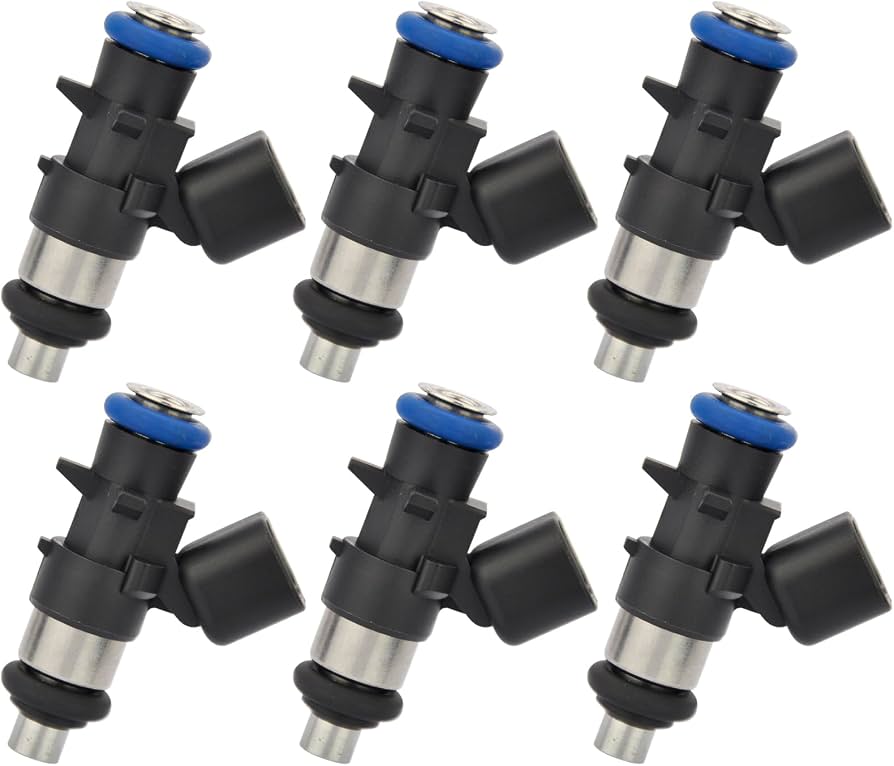
Choosing The Right Replacement Injector
Not all injectors are the same. Here’s what matters most:
| Factor | Why It Matters | What to Look For |
|---|---|---|
| Fit and compatibility | Prevents leaks and misfires | Exact match for year, engine, VIN |
| Flow rate | Ensures proper fuel delivery | Matches original injector specs |
| Brand quality | Long-term reliability | OEM or trusted aftermarket brands |
Avoid cheap, unknown brands. They may leak or fail early.
Mistakes To Avoid During Replacement
Many DIYers make errors that lead to leaks or engine problems:
- Skipping O-ring lubrication: This can tear seals and cause leaks.
- Mixing up wiring connectors: Label each one before unplugging.
- Forgetting to check for leaks: Always inspect before starting the engine.
- Overtightening fuel rail bolts: This can crack plastic parts.
A non-obvious tip: Use a small mirror and flashlight to check for hidden fuel leaks after installation. Even a tiny leak can be dangerous.
Testing After Replacement
Once installed, let the engine idle for a few minutes. Check for:
- Smooth idle and acceleration
- No fuel smells or leaks
- No check engine light
Drive gently for the first few miles to ensure everything is working well.
Are Rebuilt Injectors Worth It?
Some sellers offer rebuilt injectors for less money. While they may work, they often have a higher failure rate than new parts. For a critical system like fuel, new injectors are usually the best choice. For more on fuel injector basics, visit the Wikipedia Fuel Injector page.
Frequently Asked Questions
<!– wp:rank-math/faq-block {"questions":[{"id":"faq-question-b35c98185a59","title":"How Long Do Jeep Grand Cherokee Fuel Injectors Last?","content":"Most injectors last between 100,000 and 150,000 miles. Dirty fuel, poor maintenance, or low-quality gas can cause earlier failure.
“,”visible”:true},{“id”:”faq-question-8b0844bf2aca”,”title”:”Can I Drive With A Bad Fuel Injector?”,”content”:”It’s not recommended. A failed injector can cause engine misfires, damage the catalytic converter, and reduce fuel economy. It’s best to repair it soon.
“,”visible”:true},{“id”:”faq-question-1281760d0899″,”title”:”Should I Replace All Injectors At Once?”,”content”:”Replacing all injectors at the same time ensures even performance and saves labor if your Jeep has high mileage. If only one is bad on a newer engine, single replacement is okay.
“,”visible”:true},{“id”:”faq-question-2f59f5f41c17″,”title”:”How Do I Know If My Fuel Injector Is Clogged Or Dead?”,”content”:”A clogged injector may work after cleaning. If there’s no electrical signal or fuel spray, it’s likely dead and needs replacement.
“,”visible”:true},{“id”:”faq-question-485d5478e251″,”title”:”Are Aftermarket Injectors Safe For My Jeep?”,”content”:”Quality aftermarket injectors from reputable brands are safe. Avoid cheap, no-name injectors as they can cause leaks or other engine problems.
Replacing a fuel injector in your Jeep Grand Cherokee takes some skill and care, but with the right parts and steps, you can restore smooth engine performance and avoid costly repairs down the road.
“,”visible”:true}]} –>How Long Do Jeep Grand Cherokee Fuel Injectors Last?
Most injectors last between 100,000 and 150,000 miles. Dirty fuel, poor maintenance, or low-quality gas can cause earlier failure.
Can I Drive With A Bad Fuel Injector?
It’s not recommended. A failed injector can cause engine misfires, damage the catalytic converter, and reduce fuel economy. It’s best to repair it soon.
Should I Replace All Injectors At Once?
Replacing all injectors at the same time ensures even performance and saves labor if your Jeep has high mileage. If only one is bad on a newer engine, single replacement is okay.
How Do I Know If My Fuel Injector Is Clogged Or Dead?
A clogged injector may work after cleaning. If there’s no electrical signal or fuel spray, it’s likely dead and needs replacement.
Are Aftermarket Injectors Safe For My Jeep?
Quality aftermarket injectors from reputable brands are safe. Avoid cheap, no-name injectors as they can cause leaks or other engine problems.
Replacing a fuel injector in your Jeep Grand Cherokee takes some skill and care, but with the right parts and steps, you can restore smooth engine performance and avoid costly repairs down the road.