If you own or service a Jeep Grand Cherokee 3. 7, understanding the belt system is essential for reliable maintenance.
The serpentine belt is a key part of your engine, controlling multiple components from the alternator to the air conditioner. A clear belt diagram saves time, prevents errors, and can even help you avoid costly repairs.
This article explains the Jeep Grand Cherokee 3. 7 belt diagram, breaks down each major belt path, and guides you through installation and common mistakes.
Whether you’re a DIYer or just want to understand your SUV better, you’ll find practical advice here.
Why The Belt Diagram Matters
The serpentine belt on the 3.7L V6 is responsible for powering vital accessories. If the belt is routed incorrectly, you can cause damage to engine components or leave your vehicle stranded. A diagram is not just a guide—it’s a safeguard against expensive mistakes. With the right visual, you can quickly check if your belt is installed correctly after replacement, tension adjustment, or any engine work.
Jeep Grand Cherokee 3.7 Belt Diagram Overview
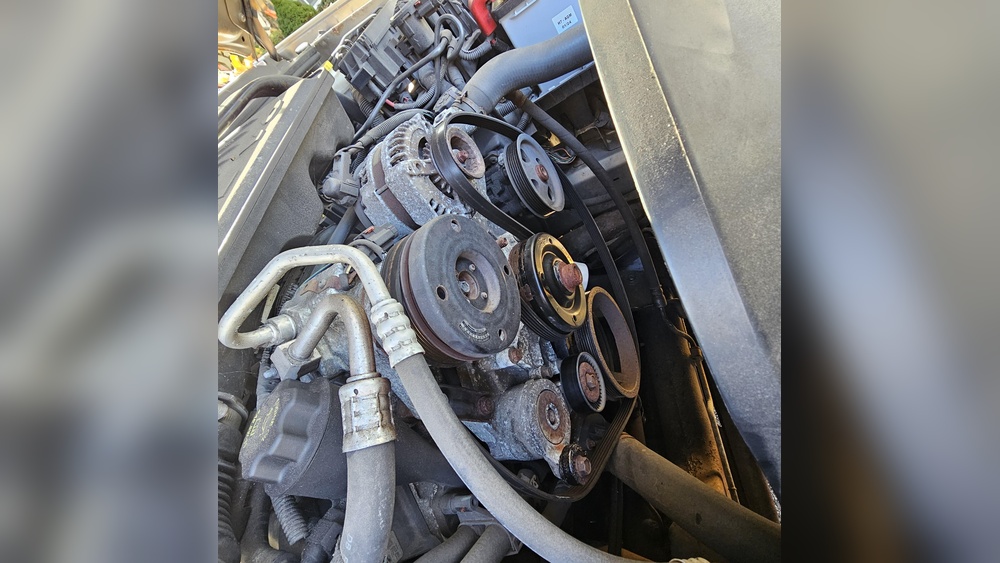
The Jeep Grand Cherokee 3.7 engine uses a single serpentine belt to drive multiple components. Here’s a simplified route:
- Crankshaft Pulley: The main driver of the belt.
- Alternator: Generates electricity.
- Power Steering Pump: Assists with steering.
- A/C Compressor: Controls air conditioning.
- Idler Pulley: Maintains tension and routing.
- Tensioner Pulley: Keeps the belt tight.
- Water Pump: Cools the engine.
Below is a simple table showing which components are driven by the belt:
| Component | Driven By Belt? |
|---|---|
| Alternator | Yes |
| Power Steering Pump | Yes |
| A/C Compressor | Yes |
| Water Pump | Yes |
| Crankshaft | Drives Belt |
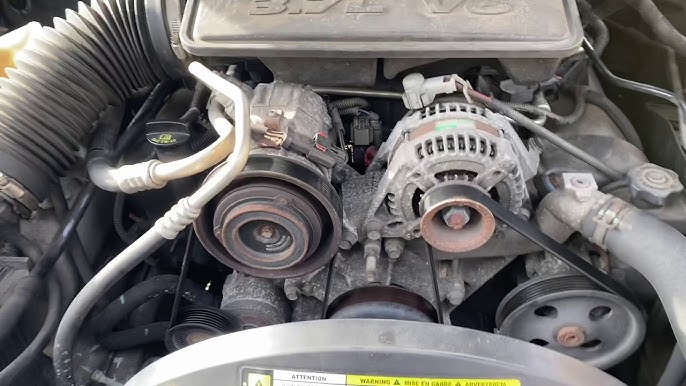
1. Serpentine Belt Routing
The serpentine belt routing on the 3.7L is designed for efficiency. The belt wraps around each pulley in a specific order, using both the smooth and ribbed sides of the belt.
- The ribbed side contacts the alternator, power steering pump, and A/C compressor.
- The smooth side passes over the idler and tensioner pulleys.
Here’s how the path typically looks:
- Starts at the crankshaft pulley
- Moves up to the water pump
- Wraps around the alternator
- Goes down to the power steering pump
- Loops over the A/C compressor
- Passes over the idler pulley
- Returns via the tensioner
This sequence ensures all systems get the correct rotation and tension. Incorrect routing can cause squealing, loss of power steering, or overheating.
2. Tensioner And Idler Pulley Placement
The tensioner pulley is spring-loaded and maintains pressure on the belt. This prevents slippage and keeps accessories working efficiently. The idler pulley acts as a guide, controlling the belt’s direction.
| Pulley | Function | Location |
|---|---|---|
| Tensioner Pulley | Maintains belt tension | Right side (as you face engine) |
| Idler Pulley | Guides belt path | Top left (as you face engine) |
To install or remove the belt, use a wrench to rotate the tensioner. This releases pressure so you can slip the belt on or off the pulleys. Always check the idler for wear—it’s a common source of squeaks if the bearing fails.
3. Accessory Pulley Details
Each accessory has a dedicated pulley. On the Jeep Grand Cherokee 3.7, these include:
- Alternator Pulley: Converts engine rotation into electricity.
- Power Steering Pulley: Makes turning the steering wheel easier.
- A/C Compressor Pulley: Runs the air conditioner.
- Water Pump Pulley: Moves coolant through the engine.
A common mistake is confusing the A/C compressor with the power steering pump, as their pulleys look similar. Always double-check the diagram before installation.
Here’s a quick comparison of pulley sizes and functions:
| Pulley | Approx. Diameter | Main Function |
|---|---|---|
| Alternator | 2.5 in | Electricity generation |
| Power Steering | 5.0 in | Steering assist |
| A/C Compressor | 4.5 in | Air conditioning |
| Water Pump | 4.0 in | Engine cooling |
Tips For Belt Replacement
Replacing the belt on your Grand Cherokee 3.7 is a manageable task. Here’s what you need to know:
- Use the diagram: Always keep a copy handy while working.
- Inspect pulleys: Spin each by hand. If you feel roughness or hear noise, replace the pulley.
- Check belt wear: Look for cracks, glazing, or missing ribs. Replace if any are found.
- Apply correct tension: Too loose leads to slipping; too tight can damage bearings.
A non-obvious tip: If you hear a squeal after installation, spray a small amount of water on the belt while the engine is running. If the noise changes, it’s likely a misaligned or worn belt, not the pulleys.

Common Mistakes To Avoid
Many owners make these errors:
- Routing mistakes: Following the wrong path can immediately cause problems.
- Over-tightening: Manual tensioning is not needed; the tensioner does the work.
- Ignoring pulley wear: A new belt on worn pulleys won’t fix noise or failure.
- Wrong belt size: Always check your model year and engine—small differences matter.
Most diagrams are under the hood, but they can fade or peel off. Always verify with a reliable source if you’re unsure. For more technical details, see the official Jeep Grand Cherokee page.
Frequently Asked Questions
<!– wp:rank-math/faq-block {"questions":[{"id":"faq-question-00cd47774206","title":"How Often Should I Replace The Serpentine Belt?","content":"Most experts recommend replacing the serpentine belt every 60,000 to 100,000 miles. Inspect it at every oil change for signs of wear like cracks or fraying.
“,”visible”:true},{“id”:”faq-question-f88b12cf7c4b”,”title”:”What Tools Do I Need For Belt Replacement?”,”content”:”A standard 3/8-inch drive ratchet or serpentine belt tool will fit the tensioner. You may also need basic hand tools for removing engine covers.
“,”visible”:true},{“id”:”faq-question-c3dbab50ab39″,”title”:”Can I Drive Without The Serpentine Belt?”,”content”:”No. The belt powers essential systems like the water pump and alternator. Without it, your engine will overheat, and the battery will not charge.
“,”visible”:true},{“id”:”faq-question-80f77aa3c6c8″,”title”:”Why Is My New Belt Squealing?”,”content”:”A squealing belt usually means poor tension, misalignment, or worn pulleys. Double-check the routing, and inspect each pulley for smooth rotation.
“,”visible”:true},{“id”:”faq-question-4c8bd30be316″,”title”:”Where Can I Find An Official Belt Diagram?”,”content”:”The most reliable sources are your vehicle’s owner’s manual, the sticker under the hood, or trusted automotive websites. When in doubt, consult a certified Jeep mechanic.
A clear understanding of the Jeep Grand Cherokee 3.7 belt diagram is key to keeping your SUV running smoothly. With the right diagram and a little care, you can avoid common mistakes and keep your engine accessories working perfectly. If you ever feel uncertain, it’s always smart to double-check before starting your engine.
“,”visible”:true}]} –>How Often Should I Replace The Serpentine Belt?
Most experts recommend replacing the serpentine belt every 60,000 to 100,000 miles. Inspect it at every oil change for signs of wear like cracks or fraying.
What Tools Do I Need For Belt Replacement?
A standard 3/8-inch drive ratchet or serpentine belt tool will fit the tensioner. You may also need basic hand tools for removing engine covers.
Can I Drive Without The Serpentine Belt?
No. The belt powers essential systems like the water pump and alternator. Without it, your engine will overheat, and the battery will not charge.
Why Is My New Belt Squealing?
A squealing belt usually means poor tension, misalignment, or worn pulleys. Double-check the routing, and inspect each pulley for smooth rotation.
Where Can I Find An Official Belt Diagram?
The most reliable sources are your vehicle’s owner’s manual, the sticker under the hood, or trusted automotive websites. When in doubt, consult a certified Jeep mechanic.
A clear understanding of the Jeep Grand Cherokee 3.7 belt diagram is key to keeping your SUV running smoothly. With the right diagram and a little care, you can avoid common mistakes and keep your engine accessories working perfectly. If you ever feel uncertain, it’s always smart to double-check before starting your engine.