The Jeep Electronic Throttle Control Warning Light appears suddenly, scaring drivers. The red lightning bolt icon signals a serious engine control issue.
Ignoring this warning causes limp mode, poor acceleration, or engine shutdown. Continued driving risks throttle failure, stalling, or expensive engine damage.
This guide explains causes, symptoms, fixes, costs, and safety steps. You learn how to protect your Jeep and avoid unnecessary repairs
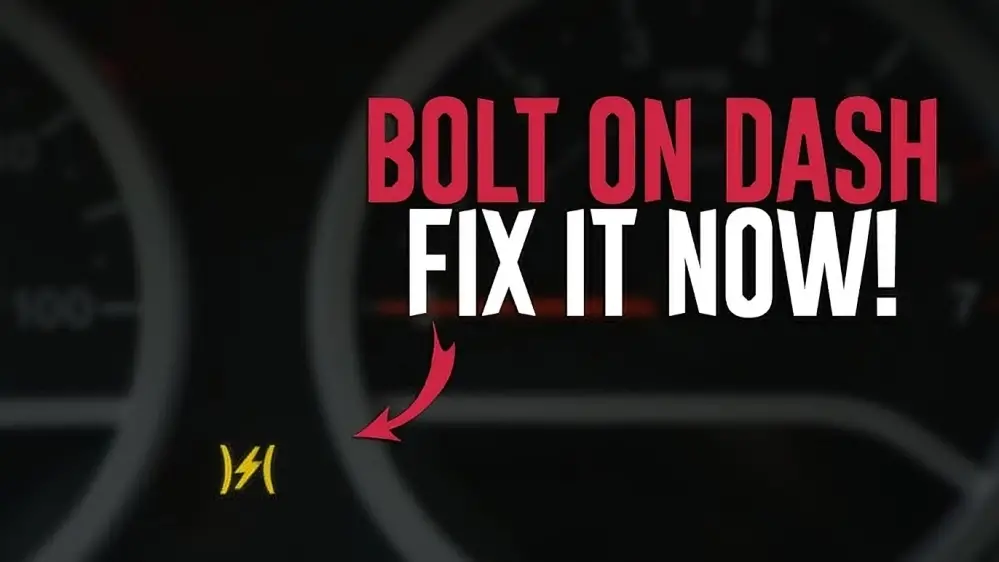
The Jeep Electronic Throttle Control Warning Light means the throttle system has detected a fault and limited engine power for safety. The system controls airflow electronically. When sensors, wiring, or the throttle body fail, the light activates and the Jeep may enter limp mode to prevent engine damage.
What Is the Jeep Electronic Throttle Control Warning Light?
The Jeep Electronic Throttle Control Warning Light shows a red lightning bolt. It appears when the electronic throttle system fails to operate correctly.
Modern Jeeps use drive-by-wire throttles. There is no physical cable between the pedal and the throttle body.
Sensors, actuators, and the engine computer control airflow. Any fault triggers this warning immediately.
How the Electronic Throttle Control System Works
The throttle system regulates engine power. It controls how much air enters the engine.
Key components include:
- Accelerator pedal position sensor
- Throttle body actuator
- Throttle position sensors
- Engine control module
These parts communicate constantly. Incorrect data forces the system into protection mode.
Jeep Models Commonly Affected
The Jeep Electronic Throttle Control Warning Light appears across many models.
Commonly affected Jeeps include:
The system design is similar across models. Causes and fixes remain largely the same.
Common Causes of the Jeep Electronic Throttle Control Warning Light
Several issues trigger this warning. Most involve sensors, wiring, or airflow problems.
Faulty Throttle Body
The throttle body controls airflow electronically. Carbon buildup or motor failure prevents proper movement.
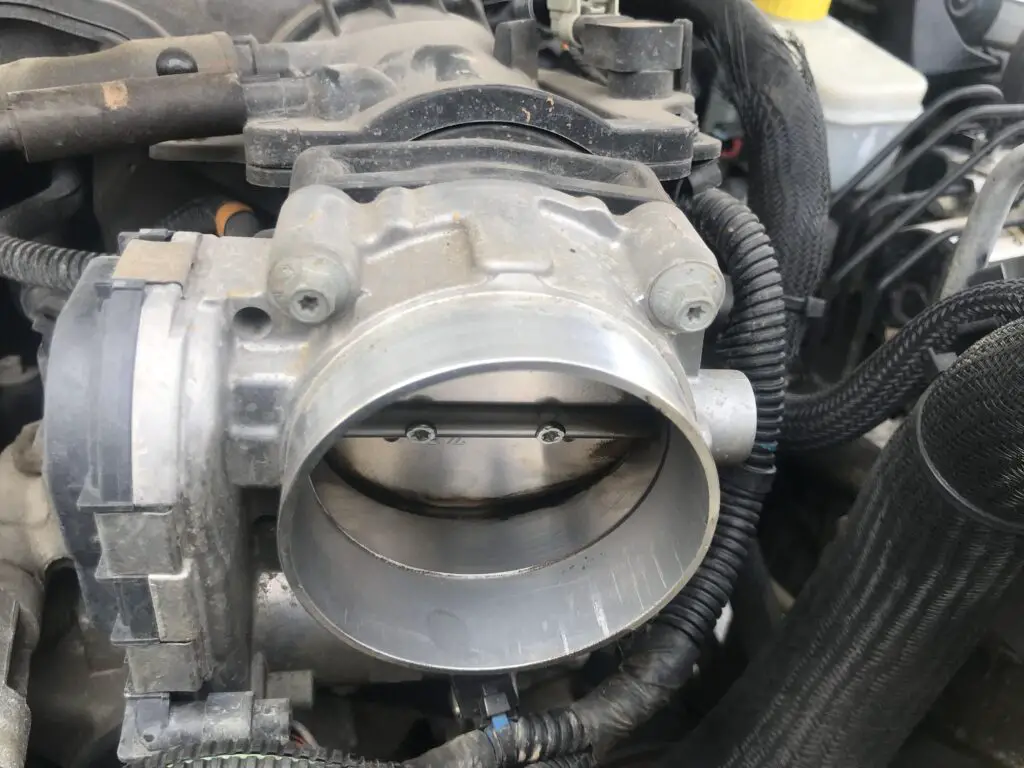
When the throttle plate sticks, the system detects abnormal behavior and activates the warning.
Bad Accelerator Pedal Sensor
The pedal sensor measures how far you press the accelerator. Incorrect readings confuse the engine computer.
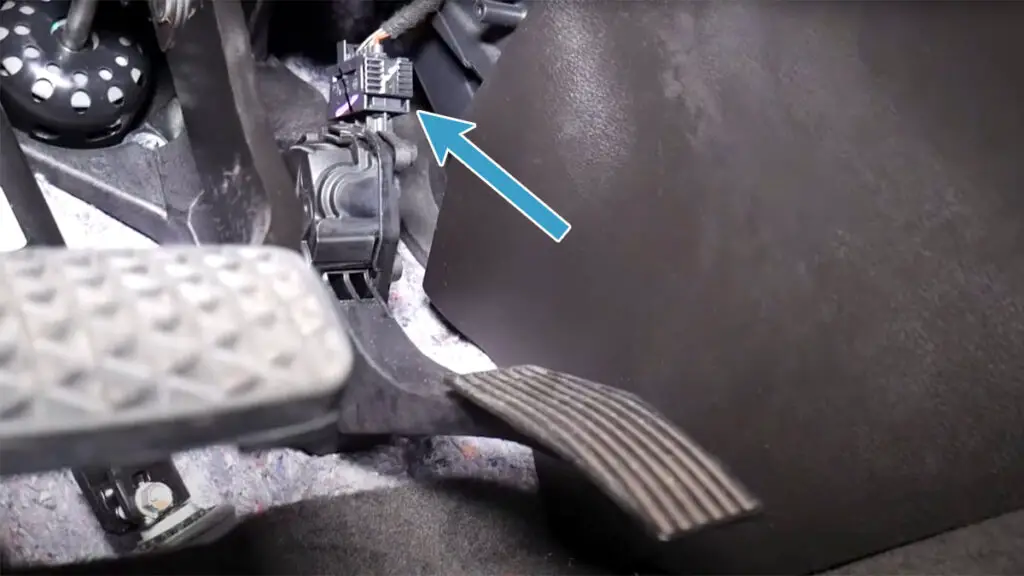
This mismatch forces the system into limp mode for safety.
Wiring or Connector Issues
Loose connectors or damaged wiring interrupt sensor signals. Moisture and corrosion worsen the problem.
Even minor wiring faults trigger the warning light.
Dirty Throttle Plate
Carbon buildup restricts airflow. The throttle motor struggles to compensate.
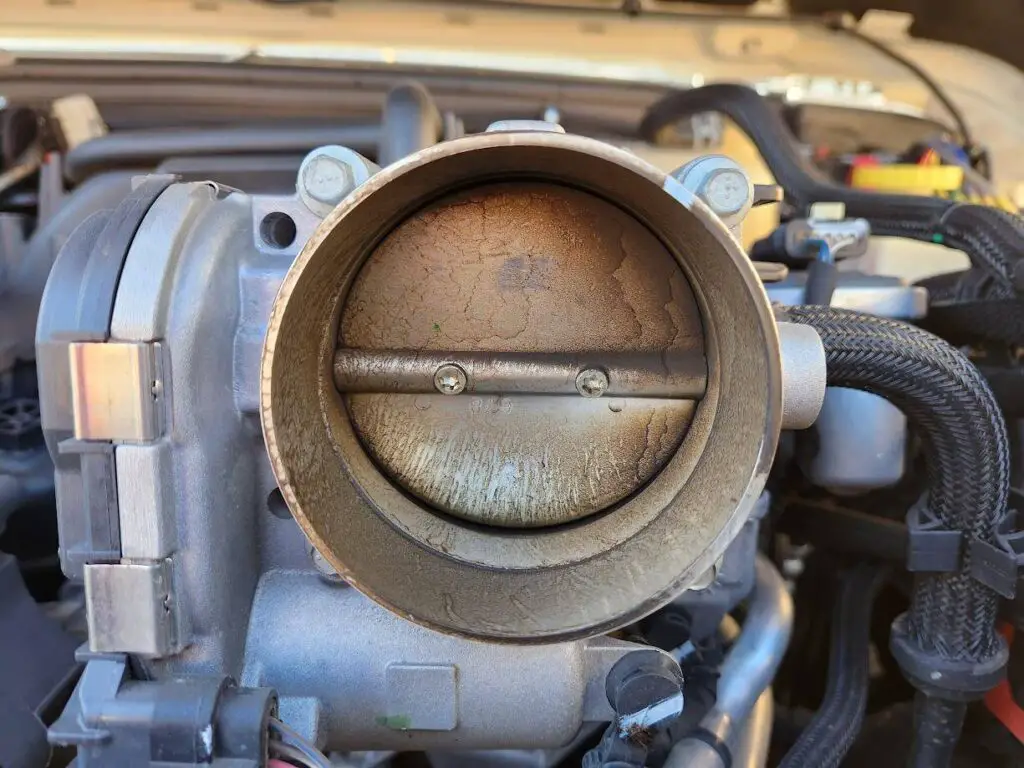
This imbalance activates the electronic throttle warning.
Software or ECU Issues
Outdated software or control module glitches cause false warnings.
A simple reset or update sometimes resolves the issue.
Symptoms You Might Notice
The warning light rarely appears alone. Other signs usually follow.
Common symptoms include:
- Reduced engine power
- Sudden limp mode
- Delayed throttle response
- Engine stalling
- Rough idling
- Poor acceleration
These symptoms signal that immediate attention is needed.
What Limp Mode Means in a Jeep
Limp mode protects the engine and transmission. It limits throttle response and speed.
The system reduces power intentionally. This prevents further damage while allowing limited driving.
Driving long distances in limp mode is unsafe. Repairs should not be delayed.
Is It Safe to Drive With the Warning Light On?
Safety depends on symptoms and driving conditions.
Short-distance city driving may be possible if the Jeep remains controllable.
Highway driving becomes dangerous due to reduced acceleration and stalling risk.
Stop Driving Immediately If You Notice:
- Engine stalling
- Sudden power loss
- Unresponsive accelerator
- Flashing warning light
- Burning smells
Continuing to drive risks engine shutdown and accidents.
Immediate Actions to Take
Quick action limits damage and repair costs.
Follow these steps immediately:
- Pull over safely
- Turn off the engine
- Wait five minutes
- Restart the Jeep
- Check for warning return
If the light remains on, diagnostic testing is required.
Quick Reset That Sometimes Works
Disconnect the battery for 15 minutes. This resets the engine control module.
Reconnect and restart the Jeep. Drive briefly to check behavior.
If the light returns, hardware repair is necessary.
How Mechanics Diagnose the Problem
Technicians use professional diagnostic tools.
They scan for throttle-related trouble codes.
Common diagnostic checks include:
- Throttle actuator response
- Pedal sensor voltage
- Throttle position correlation
- Wiring continuity
- ECU communication
Accurate diagnosis prevents unnecessary part replacement.
Common Diagnostic Trouble Codes
| Code | Meaning | Typical Fix |
|---|---|---|
| P2101 | Throttle actuator range issue | Throttle body replacement |
| P0121 | Throttle position sensor fault | Sensor replacement |
| P2135 | Pedal correlation error | Pedal sensor repair |
| P2110 | Throttle forced limited RPM | Underlying system repair |
Codes guide repair decisions efficiently.
DIY Fixes You Can Try First
Some issues are resolved with basic maintenance.
Clean the Throttle Body
Carbon buildup is common. Cleaning restores airflow and throttle movement.
Use throttle body cleaner only.
Check Battery Voltage
Low voltage causes sensor errors. Replace weak batteries promptly.
Inspect Wiring
Look for loose connectors near the throttle body and pedal assembly.
Secure connections reduce false warnings.
Recommended Diagnostic Tool
A reliable scanner saves money and time. BlueDriver Pro OBD2 Scanner reads Jeep specific codes and explains them clearly.
Repair Costs Breakdown
Repair costs vary based on cause and model.
| Repair | Estimated Cost |
|---|---|
| Throttle body cleaning | $50 to $100 |
| Throttle body replacement | $300 to $700 |
| Pedal sensor replacement | $150 to $350 |
| Wiring repair | $100 to $400 |
| ECU update | $100 to $250 |
Early repairs reduce overall cost.
Can a Bad Throttle Body Damage the Engine?
Yes, prolonged issues cause severe problems.
Uncontrolled airflow disrupts fuel ratios.
This stresses pistons, valves, and catalytic converters.
Prompt repair prevents cascading failures.
Preventive Maintenance Tips
Preventing the Jeep Electronic Throttle Control Warning Light saves money.
Follow these habits:
- Clean the throttle body annually
- Replace weak batteries early
- Avoid engine bay water exposure
- Inspect wiring during oil changes
- Address the check engine lights immediately
Well-maintained Jeeps show fewer throttle failures.
Weather and Driving Habits Matter
Cold starts increase throttle resistance.
Short trips cause carbon buildup faster.
Aggressive driving strains throttle motors.
Smooth driving extends component lifespan.
When to Visit a Dealer vs an Independent Mechanic
Dealers handle software updates and recalls efficiently.
Independent shops offer lower labor rates.
Throttle repairs rarely require dealership exclusivity.
Choose based on diagnosis complexity.
Throttle issues often trigger other warnings.
Watch for:
- Check Engine Light
- Traction Control Light
- ESP BAS Warning
- Transmission Temperature Warning
Multiple warnings indicate system-wide faults.
Conclusion
The Jeep Electronic Throttle Control Warning Light signals a serious engine control issue. Early action prevents breakdowns, limp mode, and expensive repairs.
Address symptoms immediately. Diagnose accurately. Repair promptly.
For more Jeep warning guides, see our Jeep Dashboard Warning Lights Explained article.
Have you experienced this warning before? What symptoms did your Jeep show first?