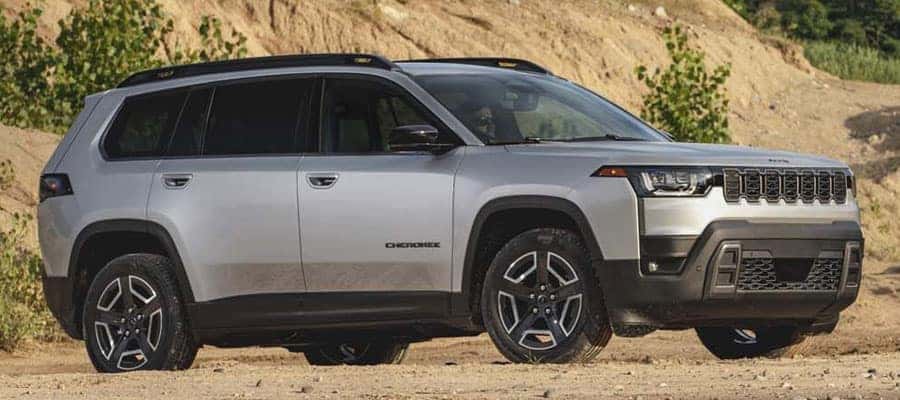
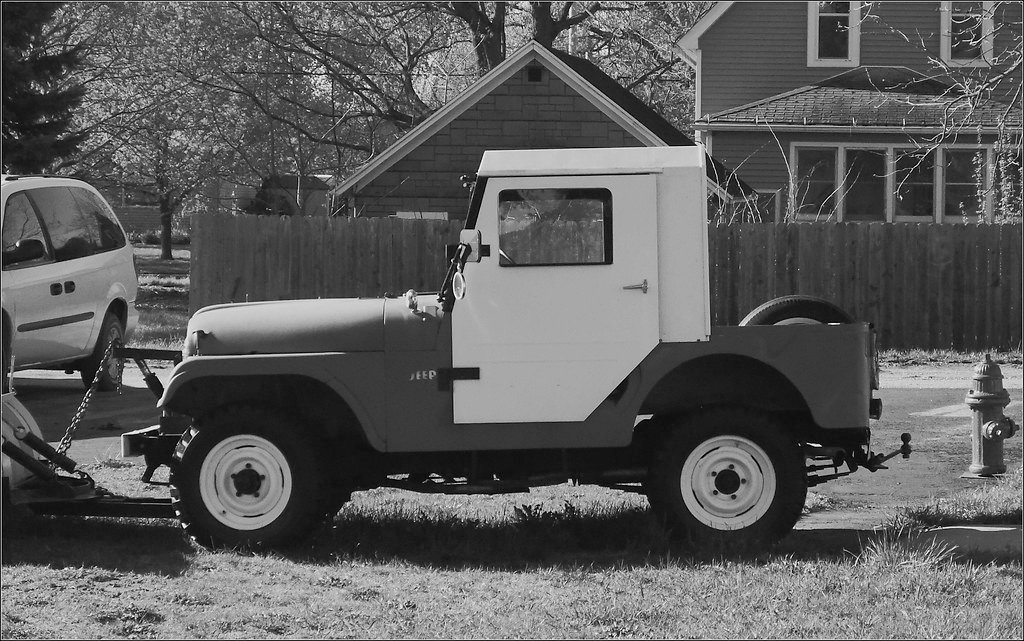
The Jeep Cherokee XJ is a classic SUV that shaped the world of off-road vehicles. Produced from 1984 to 2001, the XJ became famous for its tough build, simple design, and strong performance. Many people still use it for adventure, daily driving, and even as a project car. If you’re curious about the specs and real-world experience with the Jeep Cherokee XJ, this article will guide you.
Key Specs Of Jeep Cherokee Xj
The Cherokee XJ was made with several engine options and features over the years. Here’s a closer look at the main specs:
| Year Range | Engine Options | Transmission | Horsepower | Towing Capacity |
|---|---|---|---|---|
| 1984–1996 | 2.5L I4, 2.8L V6, 4.0L I6 | 4-speed auto, 5-speed manual | 105–190 hp | 2,000–5,000 lbs |
| 1997–2001 | 2.5L I4, 4.0L I6 | 4-speed auto, 5-speed manual | 125–190 hp | 2,000–5,000 lbs |
The most popular engine was the 4.0L inline-six, known for reliability and easy repair. The XJ used either a 4-speed automatic or 5-speed manual transmission, offering flexibility for different drivers.
Dimensions And Interior Features
The XJ is compact for an SUV, making it easy to drive in cities and rough terrain.
| Measurement | Value |
|---|---|
| Length | 168.7 inches |
| Width | 69.4 inches |
| Height | 64.8 inches |
| Wheelbase | 101.4 inches |
| Cargo Space | Up to 62.9 cu ft |
| Seating | 5 passengers |
Inside, the Cherokee XJ has basic seats and simple controls. Early models had fewer features, while later XJs included air conditioning, power windows, and AM/FM radio. The cargo area is large for a small SUV, making it practical for camping or moving gear.

Off-road Ability
What made the Cherokee XJ famous was its off-road skill. It uses a unibody frame, which is lighter than a body-on-frame design but still strong. The ground clearance is about 8.3 inches, enough for most trails.
Key off-road features:
- Solid front and rear axles for durability
- Part-time and full-time 4WD systems (Command-Trac and Selec-Trac)
- Low-range transfer case for tough terrain
Many owners modify their XJs with bigger tires, lift kits, and skid plates. The XJ is also easy to repair, making it a favorite for DIY mechanics.
Real-world Performance
The Cherokee XJ is good for both city and country driving. The 4.0L engine is powerful for highway speeds and towing. Fuel economy is decent for a 90s SUV, with real-world numbers between 15–20 mpg.
| Engine | City MPG | Highway MPG | Combined MPG |
|---|---|---|---|
| 2.5L I4 | 19 | 24 | 21 |
| 4.0L I6 | 15 | 20 | 17 |
Most owners find the XJ comfortable for short drives. On long trips, the ride can be a bit bumpy, especially with older suspension. The turning radius is tight, making parking simple.
Common Issues And Reliability
The XJ is known as a tough vehicle. Still, after many years, some problems are common:
- Rust — Usually on floor pans and rocker panels
- Electrical issues — Window switches and wiring can fail
- Cooling system leaks — Radiators and hoses need checking
- Suspension wear — Bushings and shocks wear out
- Oil leaks — Gaskets may need replacement
Most problems are easy and cheap to fix. The 4.0L engine lasts over 200,000 miles with good care.
Non-obvious Insights
- Many people overlook the importance of axle gearing; XJs with lower gear ratios handle bigger tires better and keep good power.
- The unibody structure can flex over time, so check for cracks around the door frames if buying used.
Value And Market
The Cherokee XJ is popular in the used market. Prices depend on condition, year, and modifications. A clean XJ costs between $3,000 and $8,000. Modified models for off-road can be higher.
If you plan to buy, watch for:
- Rust (especially under the car)
- Engine noise
- Transmission shifting
- 4WD operation
Many XJs are used for off-road, so check for damage from rocks or mud.

Is The Jeep Cherokee Xj Right For You?
If you want a classic SUV with simple mechanics, strong off-road ability, and a big online community, the XJ is a smart choice. It’s not fancy, but it’s reliable and fun to drive. For people who like working on their own car, the XJ offers easy repairs and endless upgrade options.
The Cherokee XJ also has a strong fan base. You can find help, parts, and advice online. For more details about the Jeep Cherokee XJ’s history and specs, see the Wikipedia page.
Frequently Asked Questions
How Long Does A Jeep Cherokee Xj Last?
With regular maintenance, the 4.0L engine can last over 200,000 miles. Many XJs reach 300,000 miles, especially if rust and electrical issues are fixed early.
Is The Jeep Cherokee Xj Good For Daily Driving?
Yes, the XJ is compact and easy to park. The ride is basic, but it handles city and highway driving well. Older models may feel less comfortable compared to modern SUVs.
What Is The Best Engine For The Xj?
The 4.0L inline-six is the top choice. It has the best mix of power, reliability, and easy repair. The 2.5L engine is more fuel-efficient but less powerful.
Are Jeep Cherokee Xjs Expensive To Maintain?
No, most repairs are simple and parts are cheap. Common issues like rust or cooling system leaks can be fixed without much cost. Labor is often easy for DIY owners.
Can You Still Find Parts For The Xj?
Yes, parts are widely available online and in stores. Many companies make replacement and upgrade parts. The XJ community also shares advice about repairs and sourcing parts.
The Jeep Cherokee XJ remains a favorite for adventure lovers and those who want a classic, reliable SUV. Its mix of tough build and simple design makes it stand out, even decades after production ended.