When your Jeep shows power but won’t crank, the problem usually involves a faulty starter relay, worn ignition switch, or immobilizer/key fob issue. Checking and replacing these parts often restores starting immediately.
Your Jeep Cherokee won’t start but has power. Dashboard lights turn on, radio works, but the engine refuses to crank.
This frustrating situation leaves you stranded and guessing if the battery, starter, or electrical system is the culprit. You may waste hours and even pay unnecessary repair costs.
This guide breaks down exact causes, model-specific problems, and step-by-step solutions. By the end, you’ll know why your Jeep won’t start and how to fix it efficiently.
Why a Jeep Won’t Start but Has Power? (Common Causes)
1. Dead or Weak Battery
A battery may power dashboard lights but fail to deliver enough amperage for the starter.
- Check voltage with a multimeter. A reading below 12.4 V indicates a weak battery.
- Inspect terminals for corrosion. Even minor buildup can reduce current.
- Ensure cables are tight; loose cables can mimic a dead battery.
Example: A 2019 Jeep Cherokee with a 5-year-old battery may show full lights yet refuse to crank. A simple jump start or battery replacement solves the issue.
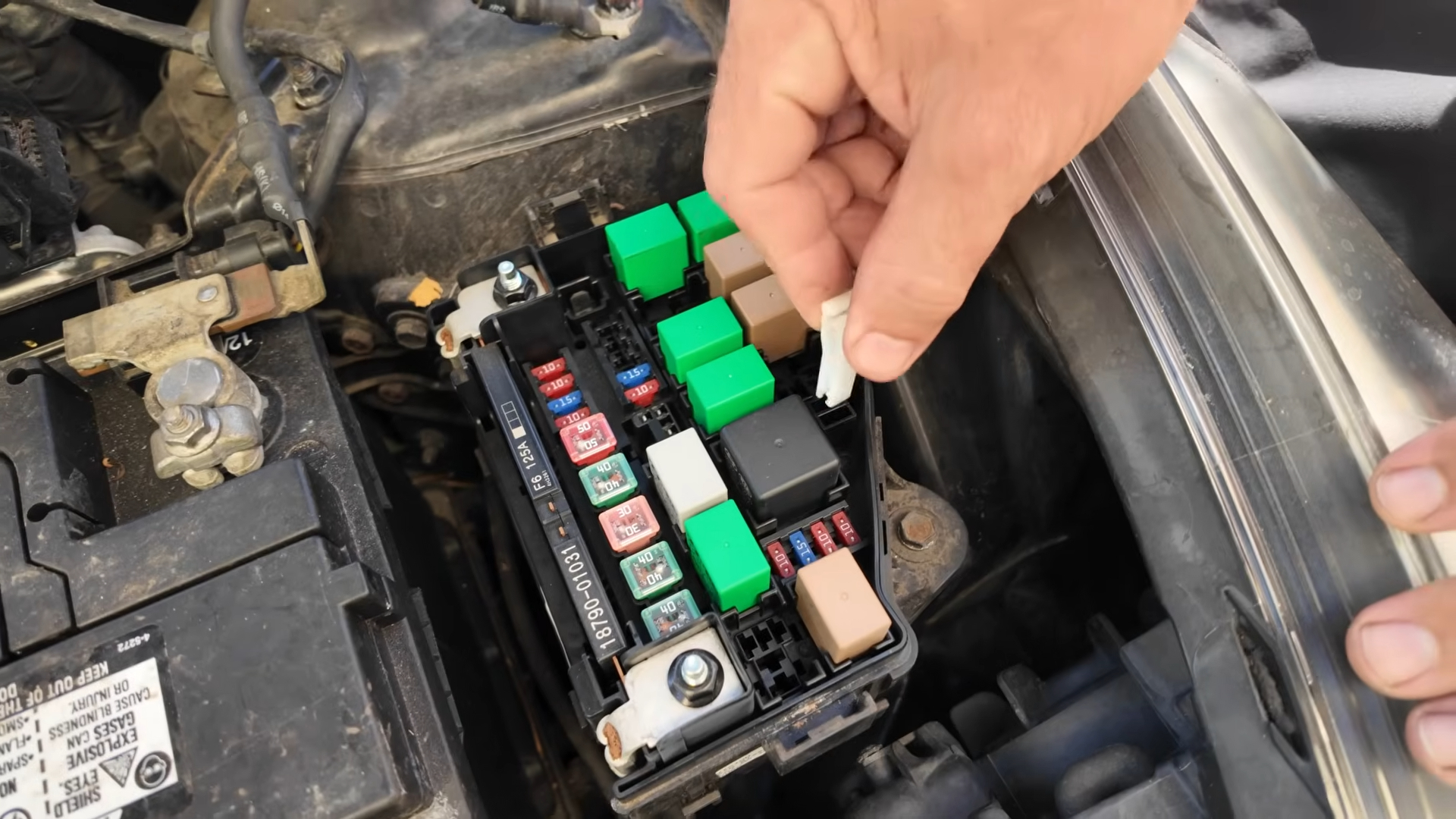
2. Faulty Starter Relay or Solenoid
The starter relay sends electrical current from the battery to the starter motor. A worn or burned relay prevents cranking.
- Swap the relay with a similar one in your fuse box.
- Check for visible heat damage or melted plastic.
3. Ignition Switch or Wiring Issues
Worn ignition switches or damaged wiring under the dash can break the starter signal.
- Turn the key to ON. If dash lights flicker or die, suspect ignition switch failure.
- Inspect wires for rodent damage or wear.
DIY Tip: Use a test light or multimeter to verify ignition output before replacing the switch.
4. Fuel Delivery and Immobilizer Problems
Even with a working starter, the engine won’t start without fuel or proper security signals.
- Check the fuel pump fuse and relay.
- A malfunctioning immobilizer or weak key fob battery can prevent cranking.
Example: A 2011 Jeep Grand Cherokee may refuse to start if the key cylinder wears, preventing the immobilizer from recognizing the key.
Model Specific Problems
2019 Jeep Cherokee Won’t Start but Has Power
- Body Control Module (BCM) glitches: Can fail to trigger the starter relay.
- Key fob signal interference: Newer electronics are sensitive to low-fob batteries.
- Starter relay heat stress: A Hot engine bay can prematurely fail relays.
2011 Jeep Grand Cherokee Won’t Start but Has Power
- Ignition cylinder wear: Older mechanical systems degrade and fail to engage the starter.
- Battery age impact: Less efficient with repeated cold starts.
- Immobilizer issues: Worn keys or fob circuitry can prevent the engine from recognizing the key.
Step-by-Step Troubleshooting Guide
1. Battery Check
- Measure resting voltage: Use a multimeter to check the battery. A fully charged battery should read at least 12.4 V. Anything lower may not provide enough power for the starter motor.
- Look for corrosion: Battery terminals can accumulate white or greenish corrosion. This blocks electricity. Clean terminals using a baking soda solution and a brush to restore proper contact.
2. Cable Inspection
- Tight clamps: Check that both the positive (+) and negative (-) battery clamps are securely attached. Loose clamps can stop power from reaching the starter.
- Replace frayed cables: Damaged or worn cables reduce current flow. Replace any cables with cracks, frays, or exposed wires.
3. Starter Relay Test
- Swap relay: Find the starter relay in the fuse box. Swap it with another identical relay (like the horn or headlight relay) to see if the problem moves.
- Replace faulty relay: If the engine cranks after swapping, the original relay is bad and needs replacement.
4. Ignition Switch Test
- Turn the key to ON without cranking: Watch the dashboard lights carefully.
- Flickering or dead lights: If lights flicker, go dim, or turn off, the ignition switch may have worn contacts and isn’t sending power to the starter.
5. Key Fob Verification
- Use spare fob: Some Jeeps require the key fob to communicate with the immobilizer. Try a second fob to see if it starts the engine.
- Replace battery: If the spare works, the original key’s battery may be weak. Replace it or reprogram the fob if needed.
6. Fuel Pump & Immobilizer Check
- Inspect fuses and relays: A blown fuse or bad fuel pump relay can stop fuel delivery even if the starter works.
- Listen for fuel pump: Turn the key to ON (without cranking) and listen for a humming sound near the fuel tank. No sound may indicate a failed fuel pump or relay.
7. Starter Motor Test
- Tap lightly with a rubber mallet: Sometimes, the starter motor’s internal parts stick or wear out. Lightly tapping the motor while turning the key may get it to crank temporarily.
- Replace if it cranks: If tapping works, the starter motor is failing and should be replaced soon.
Detailed Cause Comparison Table
| Fault Type | 2019 Jeep Cherokee | 2011 Jeep Grand Cherokee | Notes |
|---|---|---|---|
| Battery age | Medium risk | Medium risk | Key repair or replacement is needed in older models |
| Starter relay faults | High risk | Medium risk | Heat shortens relay life in newer models |
| Ignition switch wear | Low to medium risk | High risk | Older switches develop worn internal contacts |
| BCM or TCM software bugs | Possible | Rare | Newer models face software glitches more often |
| Immobilizer or key fob issues | Occasional signal issue | Frequent cylinder wear | Key repair or replacement needed in older models |
DIY Tools and Parts You Might Need
- Multimeter
- Portable jump starter
- Starter relay kit
- Spare key fob or battery
- Hand tools
Multimeter: Lets you test battery voltage and wiring continuity. A battery at 12.6 V or above means a good charge. Voltage below 12.2 V or large drops while cranking show a weak battery or bad wiring. Car From Japan
Portable Jump Starter: Provide enough current when the battery fails. Proper cables let you safely start your vehicle from another battery or jump-starter.
Starter Relay Test / Replacement Kit: Let’s you test or swap the starter relay quickly. A failing relay may prevent the engine from cranking even when the battery and wiring are fine. Starter Solenoid
Spare Key Fob or Battery: Helps if the vehicle’s immobilizer or key recognition fails. A weak fob battery can block starting even when other systems show power.
Basic Hand Tools (screwdrivers, pliers, socket set): Useful to access battery terminals, starter, fuse box, and other components for inspection or replacement.
Recommendations:
- Heavy Duty Jumper Cables
- Digital Multimeter
- Starter Relay Replacement Kit
Preventive Maintenance Tips
- Clean battery terminals every 6 months. Remove corrosion with a baking soda mix. Tight terminals give a stable voltage.
- Replace the starter relay every 5 to 6 years. Heat weakens contacts. A new relay prevents random no start problems.
- Inspect ignition wiring monthly. Look for loose plugs, cracked insulation, or burn marks. Fix faults early.
- Test the fob battery each year. A weak signal blocks the immobilizer. Replace the cell when the response slows.
- Run a full electrical load test once a year. This reveals weak batteries and voltage drop issues.
Pro Tip: Keep a spare relay, a spare fob battery, and a compact tool kit in your glove box for fast roadside fixes.
FAQ’s
Why does my 2019 Jeep Cherokee show power but won’t crank?
Usually, a starter relay, BCM glitch, or key fob signal. Check the relay and fob first.
My 2011 Jeep Grand Cherokee won’t start, even with a new battery. Why?
Likely ignition cylinder wear or immobilizer issue. Inspect key recognition and starter wiring.
Can I fix this at home?
Yes, if you have basic tools, a multimeter, and a replacement relay/key fob battery. Major ignition switch or starter replacement may require a mechanic.
How long does it take to fix a starter relay problem?
Usually 10–15 minutes if the relay is accessible and replacement is on hand.
Conclusion
If your Jeep Cherokee or Jeep Grand Cherokee won’t start but has power, do not panic. Most issues involve the starter relay, ignition switch, or key fob signal.
- Jeep Cherokee often shows BCM or relay-related issues.
- Jeep Grand Cherokee usually suffers ignition cylinder wear or immobilizer faults.
Follow the troubleshooting steps above to restore engine start. Preventive maintenance reduces repeat failures.
Which method worked for your Jeep? Share your experience or questions in the comments.