A water pump is a small but vital part of your Jeep Cherokee’s engine. It keeps coolant moving, which stops the engine from overheating.
When this pump fails, ignoring it can lead to engine damage and expensive repairs. If your Jeep Cherokee’s water pump is leaking, noisy, or your engine temperature is rising, it’s time for a replacement.
This guide explains what you need to know, how to do it, and mistakes to avoid—so you can keep your Cherokee running strong.
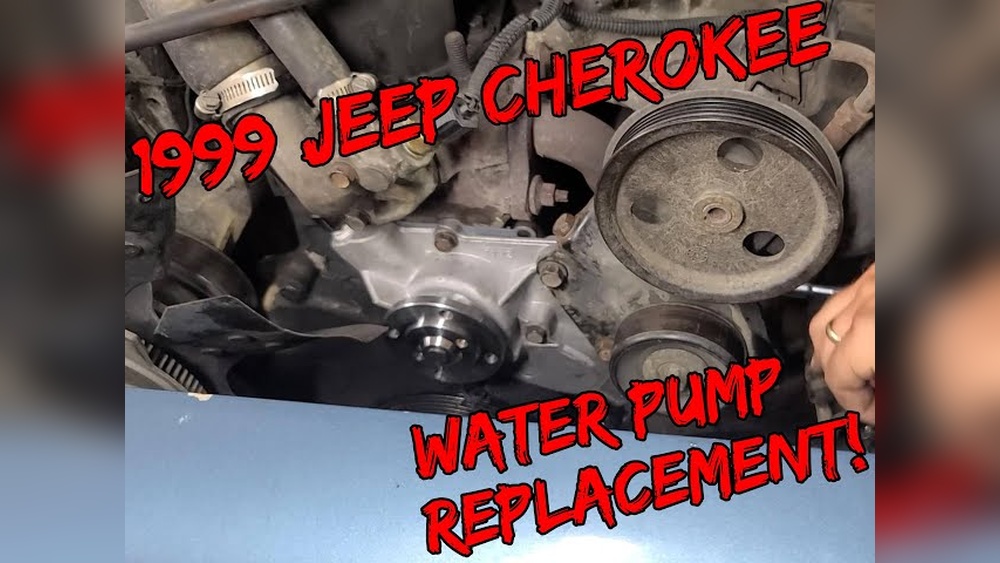
Understanding The Water Pump’s Role
The water pump circulates coolant through the engine and radiator. As the engine runs, it heats up. Coolant absorbs the heat and the water pump sends it to the radiator, where it cools down before flowing back. Without a working pump, this cycle stops, leading to overheating.
Many Jeep Cherokee models, especially those with the 4.0L and 3.2L engines, have water pumps that last around 60,000 to 100,000 miles. However, leaks, noisy bearings, or sudden temperature spikes are common signs of failure.
Symptoms Of A Failing Water Pump
It helps to catch problems early. Watch for these warning signs:
- Coolant leaks under the front of the vehicle
- Grinding or squeaking noises from the engine bay
- Overheating engine or fluctuating temperature gauge
- Steam coming from under the hood
If you notice any of these, check the water pump before driving further.
Tools And Parts Needed
Replacing a water pump is a hands-on job. Gather these essentials first:
- New water pump (correct for your Jeep Cherokee year/engine)
- Coolant (usually HOAT or OAT, check your manual)
- Gasket or sealant (often included with pump)
- Socket set and wrenches
- Screwdrivers
- Drain pan for old coolant
- Pliers
- Torque wrench (optional, but helpful)
- Serpentine belt (optional, inspect or replace if worn)
Jeep Cherokee Water Pump Replacement Steps
Each Cherokee model year may vary, but these steps cover most 1997–2026 models. Always double-check with your repair manual.
- Let the engine cool. Never open a hot cooling system.
- Disconnect the negative battery cable. This prevents accidental sparks.
- Drain the coolant. Place a pan under the radiator, open the drain valve, and let coolant flow out.
- Remove the serpentine belt. Use a wrench to relieve tension and slide the belt off.
- Remove hoses and accessories. Disconnect the radiator hose from the water pump, and take off any brackets or pulleys in the way.
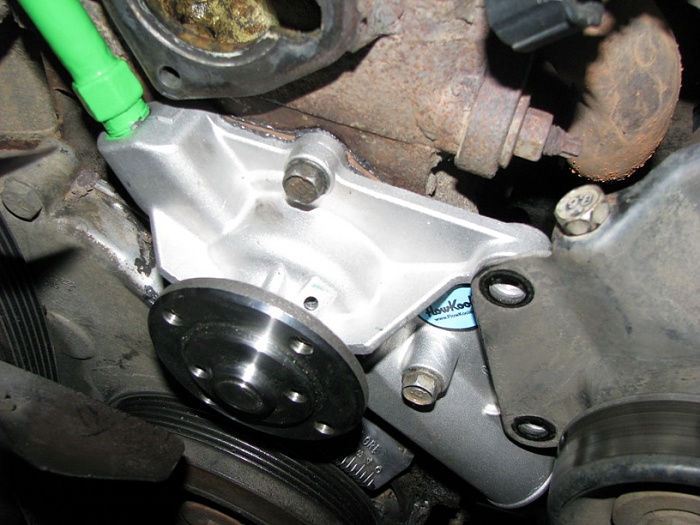
- Unbolt and remove the old pump. Some bolts may be hidden—note their locations. Scrape old gasket material off the engine block.
- Install the new gasket and water pump. Align the new gasket, position the pump, and tighten bolts in a crisscross pattern for even pressure.
- Reconnect hoses and accessories. Make sure clamps are tight and nothing is missed.
- Reinstall the serpentine belt. Check belt routing—incorrect routing is a common mistake.
- Refill coolant. Pour in the correct coolant mix, and bleed air from the system as your manual describes.
- Reconnect the battery. Start the engine and check for leaks or abnormal noises.
- Monitor temperature. Let the engine reach normal temperature, and top off coolant if needed.
This job takes about 2–4 hours for most home mechanics.
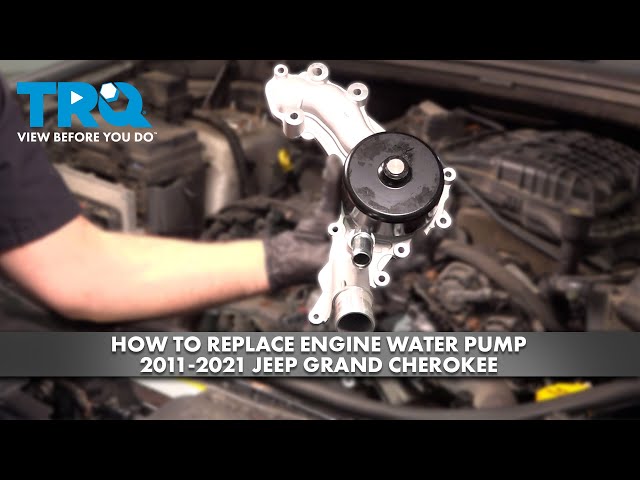
Water Pump Replacement Cost Comparison
The cost of replacing a water pump can vary. Here’s a comparison for DIY versus professional repair:
| Replacement Option | Average Cost | What’s Included |
|---|---|---|
| DIY | $90–$180 | Pump, gasket, coolant |
| Professional Shop | $350–$650 | Parts, labor, warranty |
| Dealership | $500–$900 | OEM parts, warranty, labor |
If you’re comfortable with basic tools, DIY saves money. But a shop offers convenience and a warranty.
Common Mistakes To Avoid
New mechanics often overlook these issues:
- Not cleaning the gasket surface. Even a small bit of old gasket can cause leaks.
- Forgetting to bleed air. Air pockets cause overheating.
- Using the wrong coolant. Jeep models need specific coolant types—check your manual.
- Mixing old and new coolant. Always flush and use fresh coolant for best results.
Choosing The Right Water Pump
Jeep Cherokees use several engine types. Picking the correct pump matters. Compare these common engine options:
| Engine | Pump Type | Notes |
|---|---|---|
| 4.0L Inline-6 (1997–2001) | Standard cast iron | Widely available, easy install |
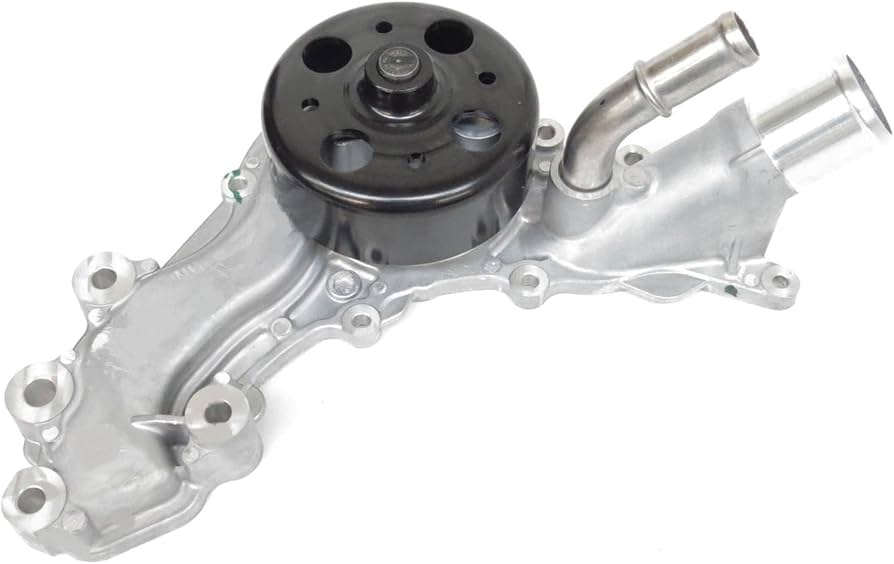
| 3.2L V6 (2014–2026) | Aluminum alloy | Needs correct O-ring/gasket |
| 2.4L Tigershark (2014–2026) | Compact design | Check for electronic sensor |
Always double-check part numbers before buying. Bring your VIN to the parts store if you’re unsure.
Signs Your New Pump Is Working
After replacement, look for:
- Stable temperature gauge
- No visible leaks
- Quiet operation
- Full coolant level
If you see steam, smell coolant, or the temperature rises, stop and inspect your work.
Practical Tips From Experienced Owners
- Take photos during removal. This helps with reassembly, especially hose and belt routing.
- Replace the thermostat and serpentine belt at the same time if they’re old. It saves labor and prevents future breakdowns.
- Save a coolant sample. If it’s brown or oily, you may have other engine issues.
- Test drive carefully. Watch the temperature gauge and check for leaks after a short drive.
When To Seek Professional Help
If you’re not comfortable with car repairs, or if you lack the right tools, a trusted mechanic is a smart choice. This is especially true for newer Cherokees with tight engine bays or electronic sensors. You can find more technical details in the official Mopar Jeep resources.
Replacing the water pump on your Jeep Cherokee is a project most handy owners can tackle in a day. With careful steps and attention to detail, you’ll keep your engine cool and reliable for miles to come.
Frequently Asked Questions
<!– wp:rank-math/faq-block {"questions":[{"id":"faq-question-7f4c1cb47f5a","title":"How Often Should I Replace My Jeep Cherokee’s Water Pump?","content":"Most water pumps last 60,000–100,000 miles. Replace it sooner if you see leaks, noise, or overheating.
“,”visible”:true},{“id”:”faq-question-b8989adbc6d2″,”title”:”Can I Drive With A Bad Water Pump?”,”content”:”It’s not safe. A failing pump can cause your engine to overheat quickly, which may lead to major engine damage.
“,”visible”:true},{“id”:”faq-question-8c35bd8efaea”,”title”:”What Coolant Should I Use After Replacing The Pump?”,”content”:”Check your owner’s manual. Most modern Cherokees use HOAT or OAT coolant—never mix coolant types.
“,”visible”:true},{“id”:”faq-question-6750ef845980″,”title”:”Is Water Pump Replacement The Same For All Jeep Cherokee Engines?”,”content”:”No. Each engine may have a different pump, gasket, or hose layout. Always use parts that match your engine type and model year.
“,”visible”:true},{“id”:”faq-question-76ca1c0b4a55″,”title”:”How Do I Know If I Bled The Air From The Cooling System Correctly?”,”content”:”The temperature gauge should stay steady, and you shouldn’t hear gurgling or see leaks. Some Cherokees have a bleed screw to help remove trapped air.
“,”visible”:true}]} –>How Often Should I Replace My Jeep Cherokee’s Water Pump?
Most water pumps last 60,000–100,000 miles. Replace it sooner if you see leaks, noise, or overheating.
Can I Drive With A Bad Water Pump?
It’s not safe. A failing pump can cause your engine to overheat quickly, which may lead to major engine damage.
What Coolant Should I Use After Replacing The Pump?
Check your owner’s manual. Most modern Cherokees use HOAT or OAT coolant—never mix coolant types.
Is Water Pump Replacement The Same For All Jeep Cherokee Engines?
No. Each engine may have a different pump, gasket, or hose layout. Always use parts that match your engine type and model year.
How Do I Know If I Bled The Air From The Cooling System Correctly?
The temperature gauge should stay steady, and you shouldn’t hear gurgling or see leaks. Some Cherokees have a bleed screw to help remove trapped air.