The Jeep Cherokee and Jeep Grand Cherokee are two popular SUVs that often confuse buyers. They have similar names, both carry the rugged Jeep badge, and offer a blend of comfort and off-road ability. But when it comes to size, there are some big differences. If you’re trying to decide which is right for you, understanding their dimensions can help you make a smart choice.
Key Size Differences Between Cherokee And Grand Cherokee
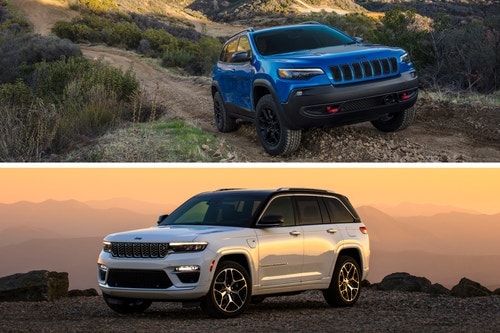
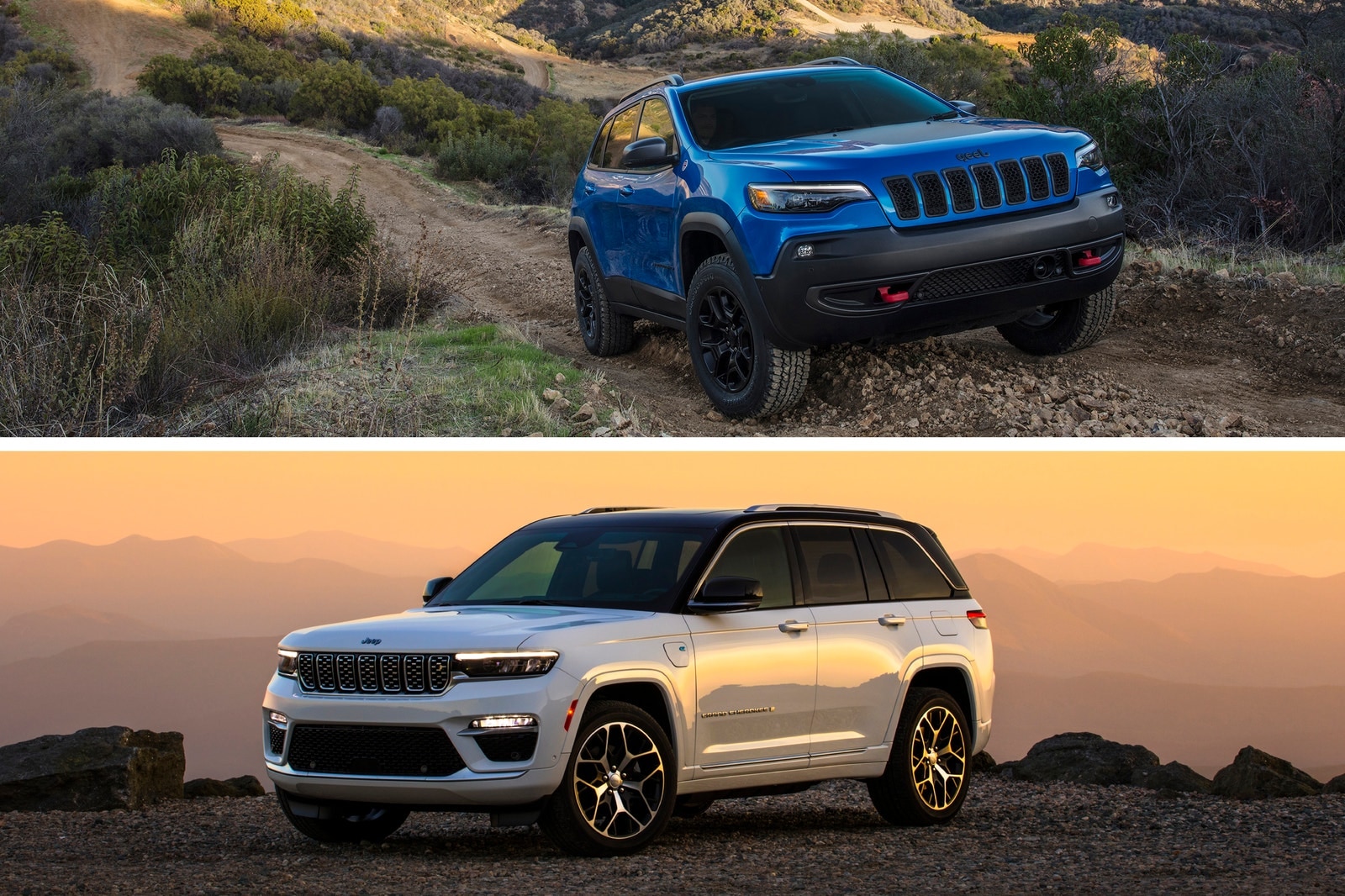
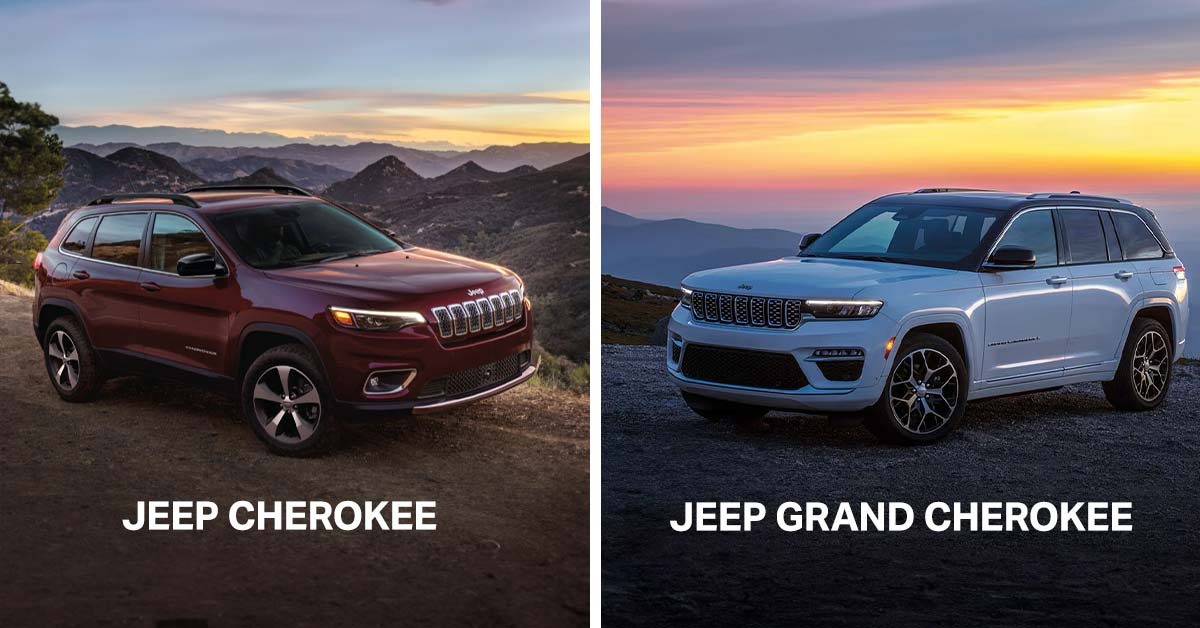
The first thing you’ll notice is that the Grand Cherokee is larger in almost every way. This matters for families, adventurers, or anyone who needs extra cargo space.
Here’s a quick look at their most recent model dimensions:
| Model | Length (inches) | Width (inches) | Height (inches) | Wheelbase (inches) |
|---|---|---|---|---|
| Jeep Cherokee | 183.1 | 73.2 | 66.2 | 107.1 |
| Jeep Grand Cherokee | 193.5 | 77.5 | 70.8 | 116.7 |
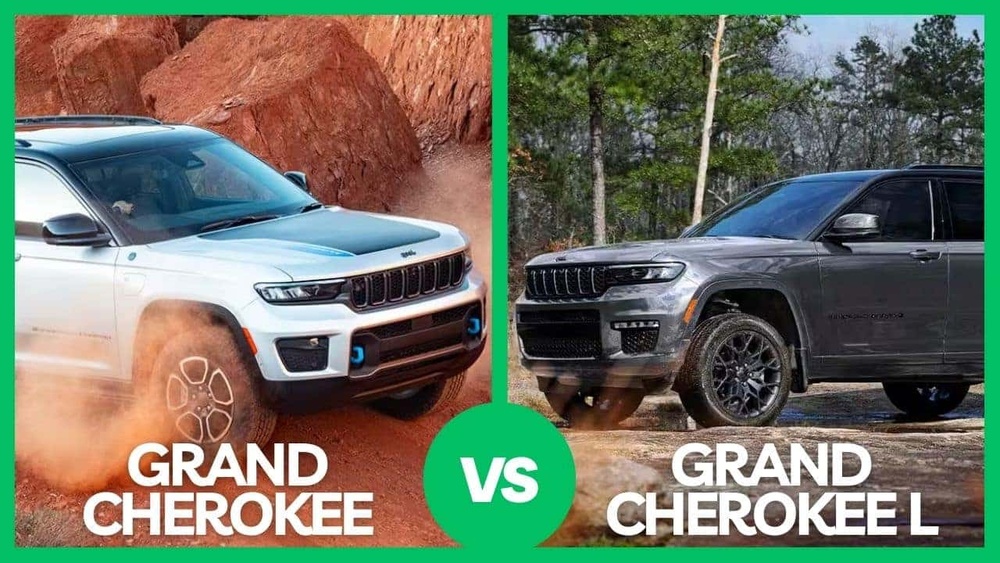
The Grand Cherokee is about 10 inches longer and over 4 inches wider than the Cherokee. This extra size affects everything from road presence to how easy it is to park.
Interior Space: Seating And Cargo
A bigger vehicle usually means more space inside, but how does this play out for real-life use?
| Model | Passenger Capacity | Front Legroom (inches) | Rear Legroom (inches) | Cargo Space Behind 2nd Row (cu ft) |
|---|---|---|---|---|
| Jeep Cherokee | 5 | 41.1 | 40.3 | 25.8 |
| Jeep Grand Cherokee | 5 (Up to 7 with L version) | 41.3 | 38.6 | 37.7 |
The Grand Cherokee offers much more cargo space, especially if you fold the seats down. It can also seat up to 7 people in the Grand Cherokee L version, which is not possible in the Cherokee. Surprisingly, the regular Cherokee gives more rear legroom, making it comfortable for adult passengers.
Parking And Maneuverability
One clear advantage of the Cherokee’s smaller size is maneuverability. If you live in a city or often park in tight spaces, the Cherokee’s compact footprint is easier to handle. The Grand Cherokee, with its longer wheelbase and wider body, needs more room to turn and park.
Turning Radius Comparison
| Model | Turning Diameter (feet) |
|---|---|
| Jeep Cherokee | 37.6 |
| Jeep Grand Cherokee | 38.0 |
The difference is small, but in crowded parking lots, every inch matters.
On-road Presence And Comfort
The Grand Cherokee’s larger size gives it a more commanding look on the road. Drivers often feel more confident thanks to the higher seating position and extra width. The ride is also smoother, especially over rough roads, since the longer wheelbase helps soak up bumps.
However, the Cherokee’s smaller size can mean less body roll and better handling in tight corners. If you often drive on winding roads, you might enjoy the Cherokee’s agility.
Practical Insights And Overlooked Factors
- Garage Fit: Always measure your garage or driveway. The Grand Cherokee may not fit in older or smaller garages, especially the L version.
- Fuel Economy: Bigger size often means heavier weight. Grand Cherokee models usually have lower gas mileage than the Cherokee. If efficiency is a priority, this could be a deciding factor.
- Insurance Costs: Larger vehicles sometimes have higher insurance premiums. It’s wise to get quotes for both before making your choice.
- Visibility: The taller Grand Cherokee offers a higher driving position, but its size can create bigger blind spots. Advanced driver aids help, but smaller vehicles are often easier to see out of.
Which One Is Best For You?
Your choice depends on your needs:
- Pick the Jeep Cherokee if you want easier parking, good fuel economy, and mostly carry four or five people.
- Choose the Grand Cherokee if you need more cargo space, want to tow heavier loads, or plan to carry a big family.
People who plan to go off-road or tow trailers also favor the Grand Cherokee because of its stronger engines and available features.
Real-world Example
A family of four living in a city may find the Cherokee fits all their needs. Its smaller size helps with urban parking, and there’s still plenty of room for groceries and luggage.
On the other hand, if you often go camping or have teenagers with lots of gear, the Grand Cherokee’s extra space and power pay off. Its higher towing capacity and larger cabin make long road trips more comfortable.
Frequently Asked Questions
Is The Grand Cherokee Always Bigger Than The Cherokee?
Yes, in every recent model year, the Grand Cherokee is longer, wider, and taller than the Cherokee. The difference is easy to see side-by-side.
Can The Cherokee Fit 7 Passengers Like The Grand Cherokee L?
No, the Jeep Cherokee seats a maximum of 5. Only the Grand Cherokee L version offers third-row seating for up to 7.
How Much More Cargo Space Does The Grand Cherokee Offer?
With the second row up, the Grand Cherokee has about 12 more cubic feet of cargo space than the Cherokee. With seats folded, the gap is even wider.
Which One Is Easier To Park In Small Spaces?
The Jeep Cherokee is easier to park because of its shorter length and narrower body. If you park on city streets often, this can be a big advantage.
Where Can I Compare Detailed Specs For Both Models?
You can find full specifications and comparisons on the official Jeep website for the most up-to-date and accurate data.
Choosing between the Jeep Cherokee and Grand Cherokee mainly comes down to your space needs and daily driving habits. Both are strong options, but understanding their size differences will help you get the perfect fit for your lifestyle.