Transforming a Jeep Cherokee into a truck isn’t just about changing how your vehicle looks. For many enthusiasts, it’s about building a machine that carries more, handles work tasks, and stands out in any crowd.
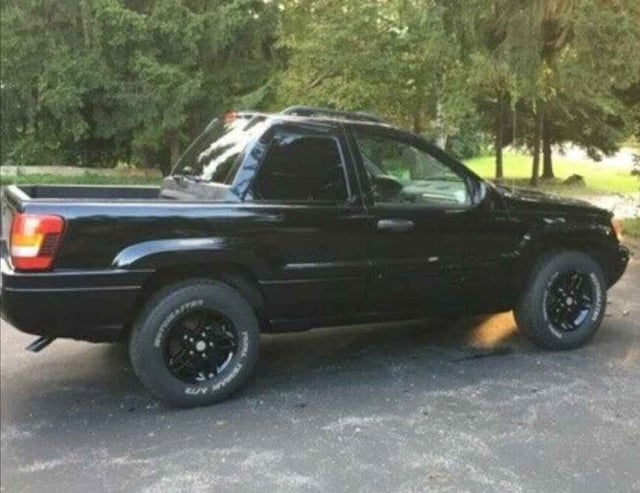
The Jeep Cherokee truck conversion turns a classic SUV into a rugged pickup-style vehicle, mixing classic utility with off-road capability.
But how does this process work, and what should you know before starting? Let’s dive into the key steps, costs, and tips for anyone considering this bold upgrade.
Why Convert A Jeep Cherokee Into A Truck?
The Jeep Cherokee, known for its reliability and off-road prowess, has a strong following. But sometimes, SUV cargo space just isn’t enough. Truck beds are better for hauling large items, outdoor gear, or construction materials. Converting a Cherokee to a truck can also give your vehicle a unique look—something that turns heads at car meets or on the trail.
Some owners choose this route because factory trucks are expensive or lack the classic Cherokee style. Others simply enjoy the hands-on challenge and pride of a custom build.
Main Types Of Cherokee Truck Conversions
Not all Jeep Cherokee truck conversions are the same. The two most popular approaches are:
- Full cab chop: Removing the rear roof and adding a custom rear wall, turning the Cherokee into a true pickup with an open bed.
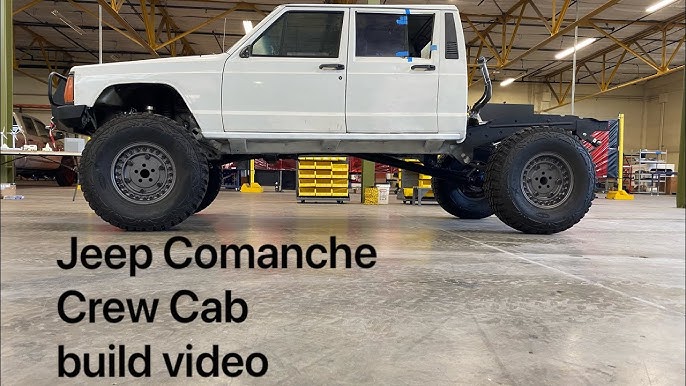
- Comanche conversion: Combining a Cherokee with parts from the Jeep Comanche pickup, creating a hybrid that uses the Cherokee’s cabin and Comanche’s bed.
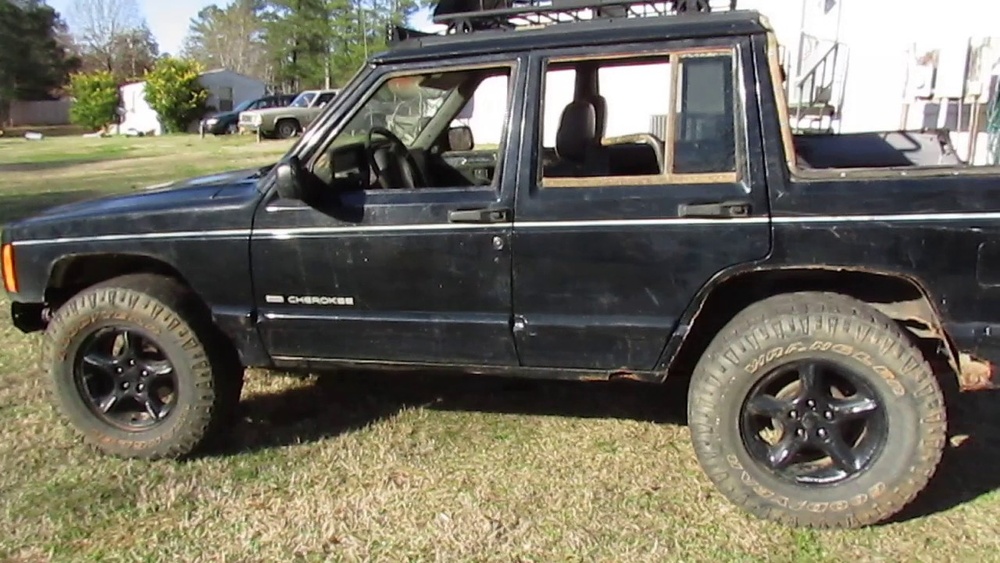
Both methods have fans, but each comes with its own challenges and cost. The full cab chop is more common for the XJ Cherokee (1984–2001 model), while Comanche conversions require finding compatible donor parts.
Key Steps In The Conversion Process
Converting a Jeep Cherokee into a truck is not a weekend project. Here’s a summary of the main steps:
- Planning and measuring: Decide on your bed length, cab wall location, and support structure. Measure twice before you cut.
- Removing the rear roof: Cut away the rear section, starting behind the front seats. Use quality cutting tools and safety gear.
- Building the rear cab wall: Fabricate a metal or composite wall to seal the cabin. This part must be watertight and strong.
- Creating the truck bed: Build or adapt a bed floor, sides, and tailgate. Some use steel sheet, while others repurpose Cherokee floor panels.
- Sealing and finishing: Address rust, paint edges, and add weather stripping. Finish with custom glass or panels for a clean look.
- Electrical and interior: Reroute wiring, install new trim, and finish the interior cab wall for safety and comfort.
Example: Cherokee Xj Full Cab Chop
One popular project uses the 1997–2001 Cherokee XJ. Owners remove the rear roof behind the B-pillar, fabricate a custom steel wall, and add a short bed. The result combines the XJ’s legendary drivetrain with pickup practicality.
Comparing Conversion Methods
Here’s a quick comparison of the two main approaches:
| Method | Cost | Difficulty | Bed Size | Parts Availability |
|---|---|---|---|---|
| Full Cab Chop | Low–Medium | Medium | Custom (usually short) | High |
| Comanche Conversion | Medium–High | High | Full-size (from Comanche) | Low |
Non-obvious tip: The full cab chop can be easier for DIYers since all the main parts come from the original Cherokee. The Comanche bed, however, is harder to source due to its age and rarity.
Cost Breakdown
A Cherokee truck conversion can be affordable or expensive, depending on your tools, skills, and parts. Here’s a sample budget:
| Item | Estimated Cost |
|---|---|
| Cutting Tools & Safety Gear | $150–$300 |
| Sheet Metal/Bed Parts | $200–$800 |
| Welding & Fabrication | $300–$700 |
| Paint & Finish Materials | $100–$400 |
| Miscellaneous (weather seals, glass, wiring) | $100–$500 |
Total estimated cost: $850–$2,700 for a DIY build. Paying a shop can add $2,000–$5,000 in labor.
Beginner insight: Many people forget to budget for trim, weatherproofing, and custom glass. These details make a huge difference in the finished look and comfort of your truck.
Legal And Safety Considerations
Changing your Cherokee’s structure can affect its safety and legality. Here’s what to keep in mind:
- Inspections: Some states require an inspection or re-registration after major body changes.
- Insurance: Modified vehicles often need specialty insurance.
- Frame strength: Removing the roof reduces body rigidity. Reinforce the frame or add roll bars for safety.
- Weatherproofing: Poor seals can lead to leaks, rust, and mold.
Always check your local Department of Motor Vehicles (DMV) rules before starting. Well-built conversions with strong cab walls are much safer and easier to insure.
Performance, Utility, And Real-world Results
A Cherokee truck conversion keeps much of the original SUV’s 4×4 ability. The lighter rear end can help with acceleration and off-road articulation, but the loss of rear weight can affect handling. Hauling capacity depends on the bed’s build quality—proper bracing is a must for carrying heavy loads.
Real-world insight: Many owners report increased attention and compliments. However, the ride may be noisier, and the rear seats are gone for good. If you need both a back seat and a bed, this is not the right project.
Essential Tools And Skills
Before starting, make sure you have:
- Cutting tools: Reciprocating saw, angle grinder, safety glasses
- Welding gear: MIG/TIG welder, clamps, gloves
- Sheet metal tools: Brake, hammers, snips
- Measuring tools: Tape, straight edge, marker
- Basic auto skills: Wiring, trim installation, bodywork
While professionals can help, many parts of the project are possible for confident DIYers. Watching video guides or joining Jeep forums can fill in knowledge gaps.
Inspiration And Community
Jeep Cherokee truck conversions have a strong online community. Social media groups and forums show off different builds, answer questions, and share tips. One famous example is the “Cheromanche,” a Cherokee with a Comanche bed, which has inspired dozens of copycats.
For inspiration, check out builds on platforms like JeepForum, where owners post detailed photos and step-by-step guides.
Frequently Asked Questions
<!– wp:rank-math/faq-block {"questions":[{"id":"faq-question-b0f8f0f072b9","title":"How Long Does A Jeep Cherokee Truck Conversion Take?","content":"Most DIY conversions take between 40 and 100 hours of work, depending on your experience and tools. Shops may finish in less time but charge more.
“,”visible”:true},{“id”:”faq-question-35fdcdea0a93″,”title”:”Is A Cherokee Truck Conversion Street Legal?”,”content”:”In most states, yes, if done safely and with proper documentation. Always check with your local DMV before starting.
“,”visible”:true},{“id”:”faq-question-6ad898307b6a”,”title”:”Can I Convert Any Cherokee Model?”,”content”:”The XJ Cherokee (1984–2001) is the most popular, but other generations are possible. Some models have different roof and frame designs, making the project harder.
“,”visible”:true},{“id”:”faq-question-0c5e3778fffd”,”title”:”Does Converting Affect Off-road Ability?”,”content”:”A well-built conversion keeps most of the Cherokee’s 4×4 performance. The lighter rear can even help in some conditions, but bed strength is key.
“,”visible”:true},{“id”:”faq-question-9ad967f0c7f5″,”title”:”What’s The Hardest Part Of The Conversion?”,”content”:”Building a strong, watertight cab wall is the biggest challenge for most people. Getting the trim, glass, and weatherproofing right makes a big difference in daily use.
Turning a Jeep Cherokee into a truck isn’t for everyone, but for those with the tools, skills, and passion, it’s a project that delivers both utility and pride. If you’re ready to take on the challenge, plan carefully, learn from others, and enjoy the journey to a one-of-a-kind ride.
“,”visible”:true}]} –>How Long Does A Jeep Cherokee Truck Conversion Take?
Most DIY conversions take between 40 and 100 hours of work, depending on your experience and tools. Shops may finish in less time but charge more.
Is A Cherokee Truck Conversion Street Legal?
In most states, yes, if done safely and with proper documentation. Always check with your local DMV before starting.
Can I Convert Any Cherokee Model?
The XJ Cherokee (1984–2001) is the most popular, but other generations are possible. Some models have different roof and frame designs, making the project harder.
Does Converting Affect Off-road Ability?
A well-built conversion keeps most of the Cherokee’s 4×4 performance. The lighter rear can even help in some conditions, but bed strength is key.
What’s The Hardest Part Of The Conversion?
Building a strong, watertight cab wall is the biggest challenge for most people. Getting the trim, glass, and weatherproofing right makes a big difference in daily use.
Turning a Jeep Cherokee into a truck isn’t for everyone, but for those with the tools, skills, and passion, it’s a project that delivers both utility and pride. If you’re ready to take on the challenge, plan carefully, learn from others, and enjoy the journey to a one-of-a-kind ride.