If you own a Jeep Cherokee, you know that regular maintenance is key for reliability. One important task is checking the transmission fluid. However, many owners struggle to find the transmission dipstick location. This guide explains where to find it, why it matters, and tips for keeping your transmission healthy. Whether you have a classic Cherokee or a newer model, you’ll learn how to handle this simple but essential check.
Why Transmission Fluid Matters
Transmission fluid does more than lubricate gears. It cools moving parts, helps shift gears smoothly, and prevents wear. Low or dirty fluid can cause rough shifting, overheating, or even total transmission failure. That’s why knowing the dipstick location is crucial for every Jeep Cherokee owner.
Where To Find The Jeep Cherokee Transmission Dipstick
The location of the transmission dipstick depends on your Cherokee’s year and engine type. Older models usually have a visible dipstick, while newer ones may not.
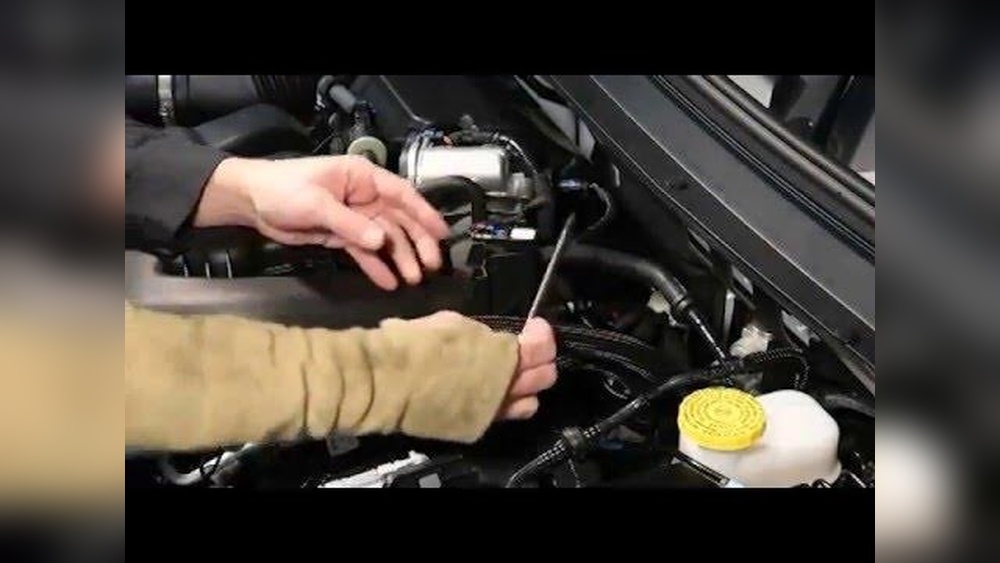
Classic Jeep Cherokee (1984–2001)
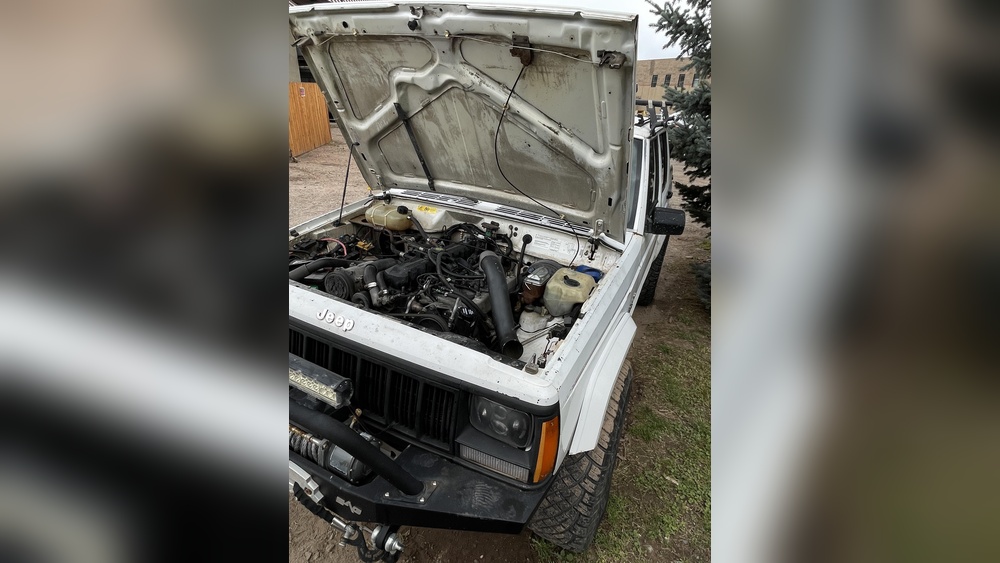
These models often use the AW4 automatic transmission. The transmission dipstick is usually on the passenger side of the engine bay, near the firewall.
- Look for a small, often yellow or orange, looped handle.
- It sits behind the engine, closer to the windshield.
Jeep Cherokee (2002–2013)
Most later models switched to a different transmission, often the 42RLE or 545RFE. The dipstick handle is still visible but may look different.
- Check near the back of the engine bay, on the driver’s or passenger’s side.
- The handle may be black or red and marked “TRANS FLUID”.
Jeep Cherokee (2014–present)
Modern Cherokees (especially with 9-speed automatic transmissions) often have a sealed transmission. There is no traditional dipstick.
- You may find a small, capped tube labeled “Dealer Service Only”.
- Checking fluid requires special tools and is best left to a dealer or professional mechanic.
Comparison: Dipstick Locations By Year
Here’s a quick reference for common Jeep Cherokee models:
| Model Year | Transmission Type | Dipstick Location |
|---|---|---|
| 1984–2001 | AW4 Automatic | Passenger side, near firewall |
| 2002–2013 | 42RLE/545RFE | Driver or passenger side, engine bay rear |
| 2014–Present | 9-speed Automatic | No dipstick (sealed unit) |
How To Check Your Transmission Fluid
If your Cherokee has a dipstick, checking fluid is simple. Here’s how:
- Warm up your engine to normal operating temperature.
- Park on a level surface and shift through all gears.
- Set the parking brake, leave the engine idling, and open the hood.
- Locate the transmission dipstick.
- Pull it out, wipe it clean, reinsert, then pull again to check the level and color.
The fluid should be pink or red—not brown or smelling burnt. If it’s low, add the recommended fluid type slowly.
Transmission Fluid Capacity Comparison
Knowing how much fluid your Cherokee needs helps avoid overfilling:
| Transmission Type | Fluid Capacity (Quarts) |
|---|---|
| AW4 (1984–2001) | 7.5–8.5 |
| 42RLE (2002–2013) | 4.0–5.0 |
| 9-Speed Auto (2014+) | ~8.7 |
Tip: Always use the fluid specified in your owner’s manual. Mixing types can damage your transmission.
What If There’s No Dipstick?
Many newer Cherokees are built with a sealed transmission. This means:
- Fluid cannot be easily checked or changed by owners.
- There may be a “fill” plug on the transmission itself, but access is difficult.
- Special tools and knowledge are required to measure fluid level correctly.
If you see transmission warning lights or notice rough shifting, visit a qualified mechanic. Trying to force open a sealed unit can cause expensive damage.
Common Mistakes When Checking Transmission Fluid
Even experienced owners make errors. Avoid these pitfalls:
- Checking with a cold engine. Fluid expands when warm—always check at operating temperature.
- Using the wrong fluid. Each transmission needs a specific type (e.g., ATF+4 or Mopar fluids).
- Overfilling. Too much fluid foams up and causes shifting problems.
- Ignoring warning signs. Slipping gears, delays, or leaks mean it’s time for service.
How To Spot Transmission Problems
Regular checks help you catch issues early. Look for:
- Fluid leaks under your Cherokee
- Discolored or burnt-smelling fluid
- Delayed or harsh shifting
- Warning lights on the dashboard
Addressing small problems early can save you thousands in repairs.

Practical Tips For Transmission Care
- Change the fluid and filter at the intervals listed in your owner’s manual.
- Use only the manufacturer-recommended fluid.
- Don’t tow heavy loads beyond your Cherokee’s limit.
- Let your engine warm up before driving in very cold weather.
If your model has no dipstick, schedule dealer checks every 60,000 miles, or sooner if you notice issues.
When To Visit A Mechanic
Some tasks are best left to professionals, especially for modern sealed transmissions. Visit a mechanic if you:
- Can’t find the dipstick or fill plug
- See leaks but can’t locate the source
- Notice sudden changes in shifting behavior
A trained Jeep technician has the right tools and knowledge to keep your transmission healthy.
More Resources
For more details about Jeep Cherokee transmissions, you can visit the official Jeep Cherokee Wikipedia page. It offers technical specs and history for all generations.
Frequently Asked Questions
Where Is The Transmission Dipstick On A 2015 Jeep Cherokee?
Most 2015 Cherokees have a sealed transmission, so there is no traditional dipstick. Checking or adding fluid requires dealer service and special equipment.
What Type Of Transmission Fluid Does My Jeep Cherokee Need?
Always check your owner’s manual. Common types include ATF+4 or Mopar-specific fluids, but newer models may use unique blends.
Can I Add Transmission Fluid Myself If My Cherokee Has No Dipstick?
It’s not recommended. Sealed transmissions need precise fluid levels. Adding fluid incorrectly can cause damage. Always visit a professional.
How Often Should I Check My Transmission Fluid?
For models with a dipstick, check at least every 3,000–5,000 miles, or at every oil change. For sealed units, follow the manufacturer’s service schedule.
What Are Signs Of Low Transmission Fluid In A Jeep Cherokee?
Look for slipping gears, delayed shifting, fluid leaks, or a burning smell. If you notice these, check the fluid if possible or visit a mechanic right away.
Regular checks keep your Jeep Cherokee on the road and out of the shop. Knowing your transmission dipstick location empowers you to spot problems early and protect your investment. Always follow manufacturer guidelines, and don’t hesitate to seek expert help for modern or sealed transmissions.