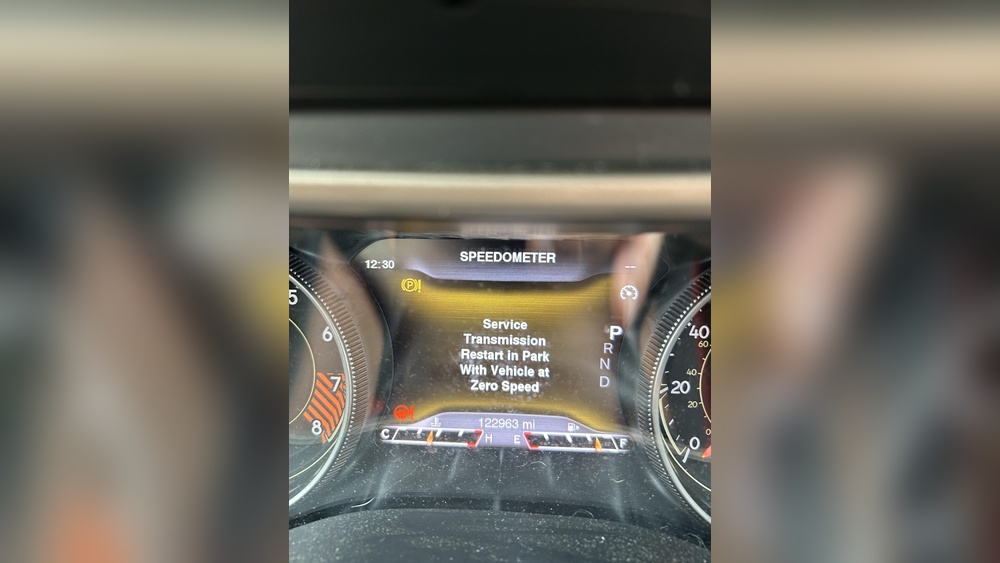
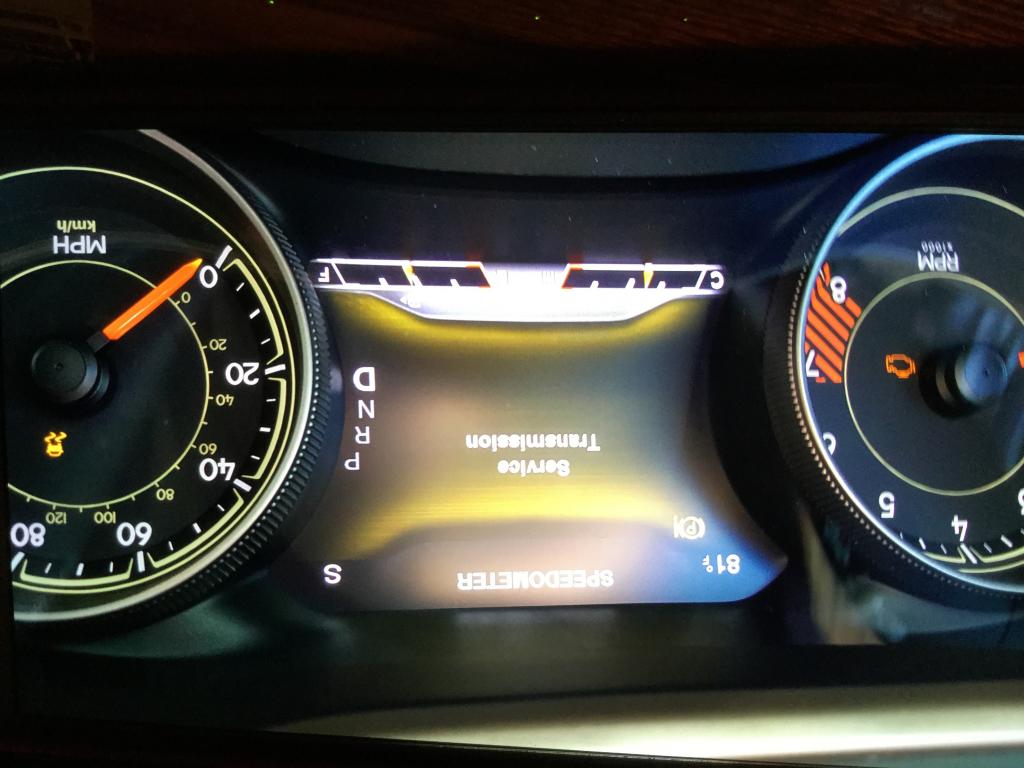
If you own a Jeep Cherokee, you may see a “Service Transmission” message appear on your dashboard. This warning can be confusing and worrying, especially if you’re not familiar with car maintenance. Understanding what this message means, why it happens, and how to respond can save you time, money, and stress. In this guide, you’ll learn everything you need to know about the Jeep Cherokee Service Transmission message, including common causes, solutions, and tips for preventing future issues.
What Does The Service Transmission Message Mean?
The Service Transmission message is a warning that signals a problem with your Jeep Cherokee’s transmission system. The transmission is a complex part that controls how power moves from the engine to the wheels. When something goes wrong—such as a sensor malfunction, low fluid, or internal damage—the vehicle’s computer detects it and sends a message to alert you.
Usually, this message means the transmission needs attention from a mechanic or dealership. It can range from minor issues, like a software update, to serious problems requiring repair or replacement. If ignored, transmission issues can lead to costly damage or even leave you stranded.
Common Causes Of The Service Transmission Message
Many factors can trigger the Service Transmission message in a Jeep Cherokee. Some are simple, while others are complex and expensive. Here are some of the most frequent causes:
- Low Transmission Fluid: If the fluid level drops, the transmission cannot operate smoothly. This can cause overheating or slipping gears.
- Faulty Sensors: Modern cars rely on sensors to monitor transmission performance. A bad sensor can send incorrect data, triggering a warning.
- Dirty or Old Fluid: Transmission fluid becomes dirty over time. Old fluid loses its lubricating and cooling abilities, causing wear.
- Electrical Issues: Problems with wiring or connectors can disrupt communication between the transmission and computer.
- Software Glitches: The transmission control module (TCM) may need an update or reset.
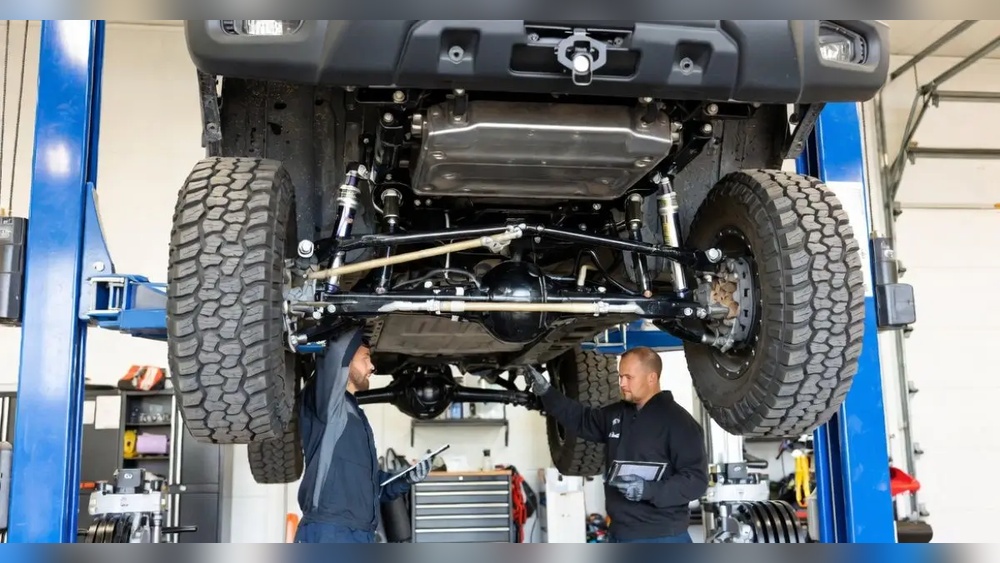
- Mechanical Damage: Internal parts like gears, clutches, or solenoids can wear out or break.
- Torque Converter Failure: This part transfers power from the engine to the transmission. If it fails, the car may not shift properly.
These issues can affect both older and newer Jeep Cherokee models, though newer vehicles may have more electronic triggers.
Symptoms You May Notice
When the Service Transmission message appears, you may also notice other symptoms that signal a problem. Here are some common signs:
- Hard or delayed shifting: The car may hesitate or jerk when changing gears.
- Slipping gears: The engine may rev, but the car does not accelerate as expected.
- Grinding noises: Strange sounds can indicate internal damage.
- Reduced power: The vehicle may enter “limp mode,” limiting speed and power.
- Check Engine Light: Often, this light comes on with the transmission warning.
If you notice these symptoms, act quickly to prevent further damage.
Jeep Cherokee Transmission Types And Differences
Jeep Cherokee models use different transmission types, which can affect how and why the Service Transmission message appears. Here’s a simple comparison:
| Model Year | Transmission Type | Common Issues |
|---|---|---|
| 2014–2020 | 9-speed automatic (ZF 9HP) | Software glitches, sensor faults |
| 2011–2013 | 6-speed automatic | Fluid leaks, mechanical wear |
| Older models | 4-speed automatic/manual | Mechanical failures, clutch issues |
The 9-speed automatic transmission in newer Cherokees is known for software and sensor-related problems. Older models often have mechanical wear or fluid leaks. Knowing your vehicle’s transmission type can help your mechanic diagnose the problem faster.
Diagnosing The Service Transmission Message
When you see the Service Transmission message, diagnosing the exact cause is important. Here’s how you can start:
Step 1: Check Transmission Fluid
Start by checking the transmission fluid level and condition. Low or dirty fluid is a common cause. In newer Jeep Cherokees, you may need a mechanic to check the fluid, as some models do not have a dipstick.
Step 2: Scan For Error Codes
Mechanics use a diagnostic scanner to read trouble codes from your vehicle’s computer. This tool helps pinpoint which part or system is malfunctioning.
Step 3: Inspect Wiring And Sensors
A visual inspection can reveal loose connectors, frayed wires, or damaged sensors. These are often easy fixes if caught early.
Step 4: Test Drive
A mechanic may drive the vehicle to observe symptoms firsthand. This helps confirm the problem and decide the next steps.
Step 5: Review Service Bulletins
Sometimes, Jeep releases service bulletins for known transmission issues. Mechanics can check these bulletins to see if your problem matches a common fault.
How To Fix The Service Transmission Message
Solutions depend on the cause. Here are common repairs and their estimated costs:
| Problem | Typical Solution | Estimated Cost (USD) |
|---|---|---|
| Low/dirty fluid | Fluid change/top-up | $100–$250 |
| Faulty sensor | Sensor replacement | $150–$400 |
| Software issue | TCM update/reset | $80–$200 |
| Mechanical failure | Transmission rebuild/replacement | $2,000–$4,500 |
It’s important to get a proper diagnosis before spending money on repairs. In many cases, a simple fluid change or software update solves the problem. But ignoring the message can lead to bigger expenses later.
Preventing Transmission Problems
Taking care of your Jeep Cherokee’s transmission can help avoid the Service Transmission message. Here are practical steps:
- Regular fluid checks: Check fluid every 20,000–30,000 miles or as recommended in your owner’s manual.
- Timely fluid changes: Dirty fluid can cause wear. Change it as needed.
- Avoid heavy towing: Overloading the vehicle puts stress on the transmission.
- Gentle driving habits: Sudden acceleration or harsh braking can wear out parts faster.
- Keep electronics updated: Make sure your software and sensors are up to date.
- Fix leaks promptly: Transmission leaks can cause low fluid and overheating.
Many Jeep owners miss the importance of software updates and sensor checks. Staying proactive with these can prevent hidden issues.
Real-world Example: 2019 Jeep Cherokee Transmission Problem
Let’s look at a real example. In 2019, many Jeep Cherokee owners reported the Service Transmission message after only 30,000–40,000 miles. The problem was linked to a software bug in the 9-speed automatic transmission. Jeep released a software update to fix it.
Owners who ignored the message faced shifting problems and reduced power. Those who visited a dealership received a quick update, solving the issue. This shows the importance of checking for recalls and updates not just mechanical issues.

Transmission Maintenance Schedule
Keeping your Jeep Cherokee’s transmission healthy involves regular maintenance. Here’s a simple schedule for most models:
| Mileage | Maintenance Task |
|---|---|
| 20,000 miles | Check fluid level and condition |
| 30,000 miles | Change transmission fluid (if needed) |
| 60,000 miles | Inspect sensors and wiring |
| 90,000 miles | Update software/TCM |
| 120,000 miles | Full transmission inspection |
Following this schedule helps avoid surprise warnings and keeps your transmission running smoothly.
When To Visit A Mechanic
Not all transmission issues can be fixed at home. If you see the Service Transmission message along with symptoms like hard shifting, slipping gears, or grinding noises, visit a qualified mechanic immediately. Waiting can cause bigger problems and cost more to repair.
Some Jeep owners try to reset the warning by disconnecting the battery. While this may clear the message temporarily, it does not solve the underlying issue. Always address the real cause.

What Jeep Owners Often Miss
Many Jeep Cherokee owners focus only on fluid changes and ignore software updates. Modern transmissions rely heavily on electronics. Missing a software update can cause shifting issues even if the mechanical parts are fine.
Another common mistake is delaying repairs due to cost worries. Transmission problems rarely get better on their own. Early action usually saves money in the long run.
Finally, some owners don’t realize that recalls and service bulletins may cover the repair for free. Check with your dealership for any open campaigns.
Useful Resources
For more technical details and updates, you can visit Jeep’s official owner site. This resource offers recall information, maintenance guides, and contact details for Jeep support.
Frequently Asked Questions
What Should I Do If My Jeep Cherokee Shows The Service Transmission Message?
First, drive carefully and avoid harsh acceleration. Check your transmission fluid if possible. Visit a mechanic or dealership to diagnose the problem as soon as you can. Do not ignore the message, as it can lead to bigger issues.
Can I Drive With The Service Transmission Message On?
It depends on the severity. If your car is in “limp mode” or shows symptoms like slipping gears or grinding noises, stop driving and seek help immediately.
If the car drives normally, you can drive short distances to a mechanic, but avoid heavy loads or long trips.
How Much Does It Cost To Fix Transmission Problems In A Jeep Cherokee?
Costs vary. A simple fluid change may cost $100 $250. Sensor replacements range from $150 $400. Software updates are usually under $200. Major repairs or replacements can cost $2,000 $4,500. Always get a clear diagnosis before deciding.
Is The Service Transmission Message Always Serious?
Not always. Sometimes it’s caused by a simple sensor error or software glitch. However, it can also signal serious mechanical damage. Treat every warning as important until a mechanic checks it.
Are Transmission Issues Common In Jeep Cherokees?
Transmission problems are more common in 2014 2020 models with the 9-speed automatic. Many issues are software-related and can be fixed easily. Older models have fewer electronic issues but may suffer from mechanical wear.
Seeing the Service Transmission message can be stressful, but understanding the causes and solutions gives you control. With regular maintenance, timely repairs, and attention to both mechanical and electronic parts, you can keep your Jeep Cherokee running smoothly for years. Remember, acting early is the best way to protect your vehicle and avoid costly surprises.