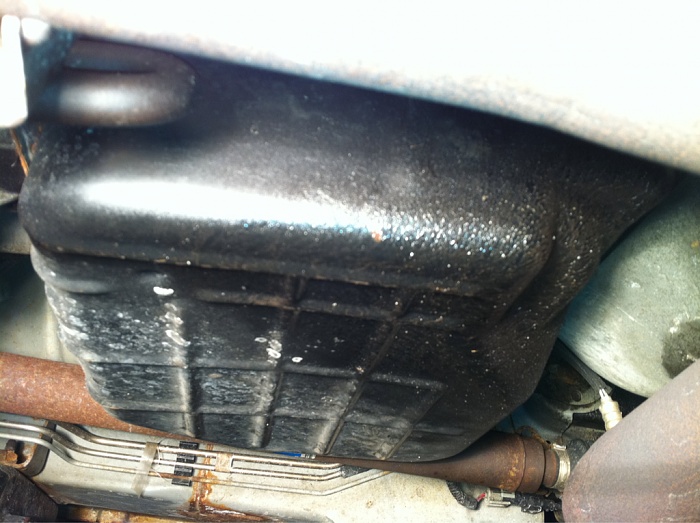
A sudden spot of oil under your Jeep Cherokee can be worrying. It’s a common issue that troubles many owners, both old and new.
Ignoring an oil leak can damage your engine, lower performance, and even risk your safety on the road. But catching and fixing it early can prevent bigger, more expensive problems.
Here’s a clear guide to understanding, diagnosing, and fixing a Jeep Cherokee oil leak.
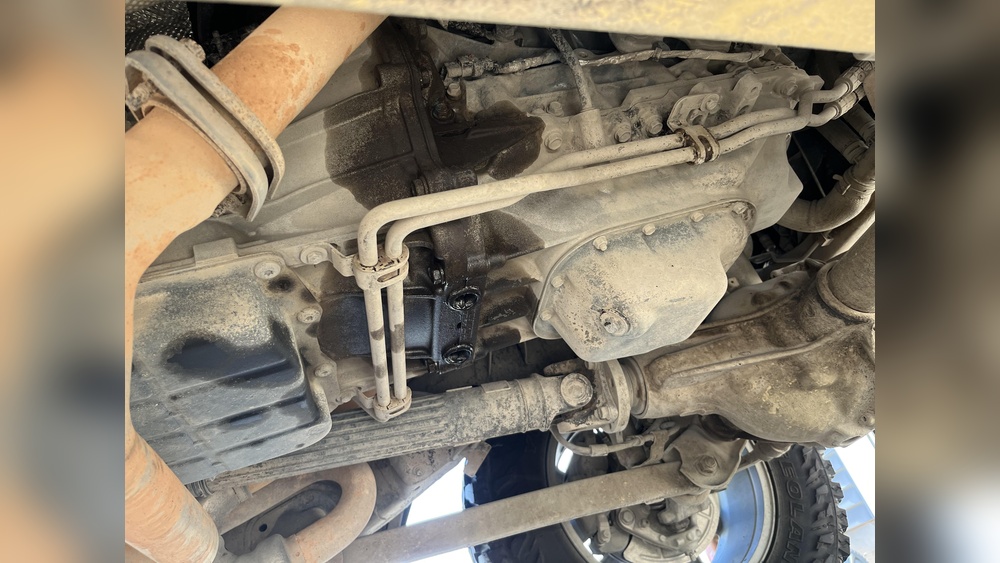
Why Oil Leaks Happen In Jeep Cherokees
Oil leaks can develop for many reasons. The Jeep Cherokee, especially models with higher mileage, is not immune. Common causes include:
- Worn gaskets or seals: Over time, the valve cover gasket, oil pan gasket, or crankshaft seals can dry out and crack.
- Loose or damaged oil filter: After an oil change, if the filter isn’t tight or the gasket is missing, leaks can start quickly.
- Aging engine components: Rubber and plastic engine parts break down with heat and age, leading to leaks.
A non-obvious cause is using the wrong oil type or viscosity, which can increase pressure and force oil past weak seals. Also, rough driving or frequent towing can stress the engine, speeding up seal wear.
How To Identify An Oil Leak
Spotting the leak early gives you the best chance to avoid engine trouble. Here’s what to look for:
- Oil stains on the ground: Check under the front of your Jeep after parking overnight. Fresh oil leaks usually make brown or black spots.
- Burning oil smell: Oil dripping onto hot engine parts can create a strong, sharp smell.
- Low oil level: If your oil warning light comes on or you need to add oil often, you might have a leak.
- Smoke from the engine bay: This is a sign oil is hitting hot surfaces like the exhaust manifold.
A small leak may only show as a slow loss of oil or a faint smell, not always visible drips. Catching these minor signs is key.
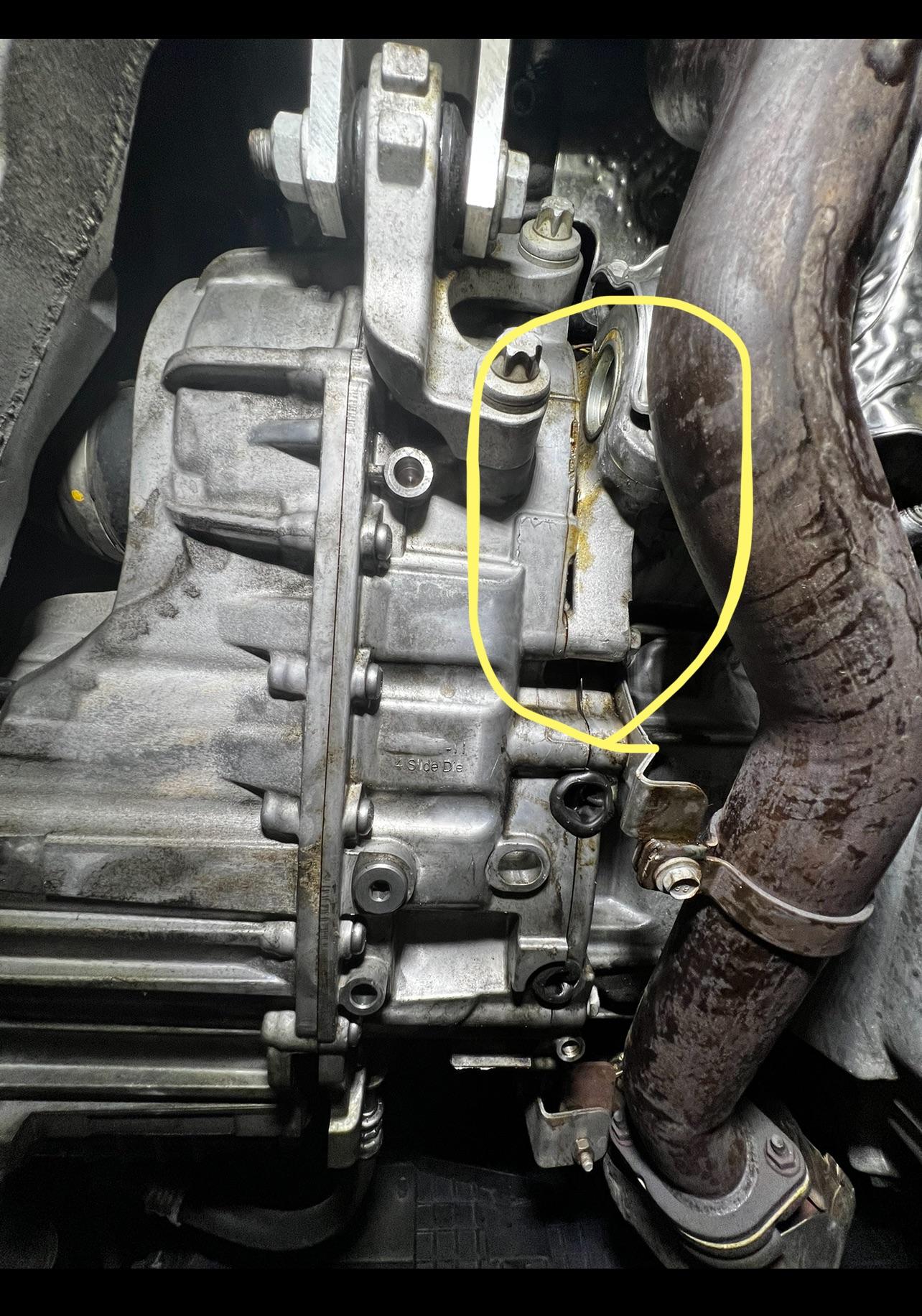
Common Leak Locations In Jeep Cherokees
Certain spots are more likely to leak. Here’s a comparison of where leaks often develop, and how hard they are to repair:
| Leak Location | Signs | Repair Difficulty |
|---|---|---|
| Valve Cover Gasket | Oil on engine top, burning smell | Moderate |
| Oil Pan Gasket | Oil under engine, large drips | Moderate to Hard |
| Rear Main Seal | Oil between engine and transmission | Hard |
| Oil Filter/Oil Plug | Fresh oil, after oil change | Easy |
The valve cover gasket leak is especially common in Cherokees built between 2014–2018. If you see oil around the top of the engine, suspect this first.
Step-by-step: Diagnosing Your Oil Leak
You don’t need to be a mechanic to start the process. Follow these steps to narrow down the source:
- Park on a clean surface: Cardboard or clean concrete makes oil spots easier to see.
- Check oil level: Use the dipstick to see if oil is low. A sudden drop means a major leak.
- Inspect under the hood: Look for fresh, wet oil around the valve cover, oil filter, and engine block.
- Look under the Jeep: Use a flashlight to check the oil pan, drain plug, and transmission area.
- Note the color and smell: Engine oil is brown/black and slippery. Transmission fluid is red and thin.
If the leak is hard to locate, a shop can add a UV dye to the oil and trace the leak with a special light.
Repair Options: Diy Or Professional Help?
Simple leaks, like a loose oil filter, can be fixed at home. For example, tightening the filter or replacing a worn washer on the drain plug is a 10-minute job. But more complex leaks, such as a rear main seal or oil pan gasket, require advanced tools and skills.
Here’s a breakdown of typical repair costs and times:
| Repair | Estimated Cost | Time Required |
|---|---|---|
| Valve Cover Gasket | $150–$300 | 1–2 hours |
| Oil Pan Gasket | $300–$600 | 2–4 hours |
| Rear Main Seal | $700–$1200 | 6–10 hours |
| Oil Filter/Oil Plug | $20–$50 | 10–20 minutes |
Pro tip: Always check if your Jeep is under warranty or recall. Some oil leaks in recent models have been covered for free by the dealer.
Preventing Future Oil Leaks
Prevention is often easier and cheaper than repair. Here’s how you can reduce the risk:
- Change oil and filter regularly: Use the oil type and viscosity listed in your owner’s manual.
- Inspect gaskets and seals at each oil change. Replace them if they look dry or cracked.
- Avoid over-tightening the oil filter and drain plug. Too much force can damage seals.
- Drive gently: Aggressive driving and frequent towing heat up the engine, wearing parts faster.
A common mistake is using chemical “stop leak” products. These can swell seals for a short time but often cause clogs and long-term damage.
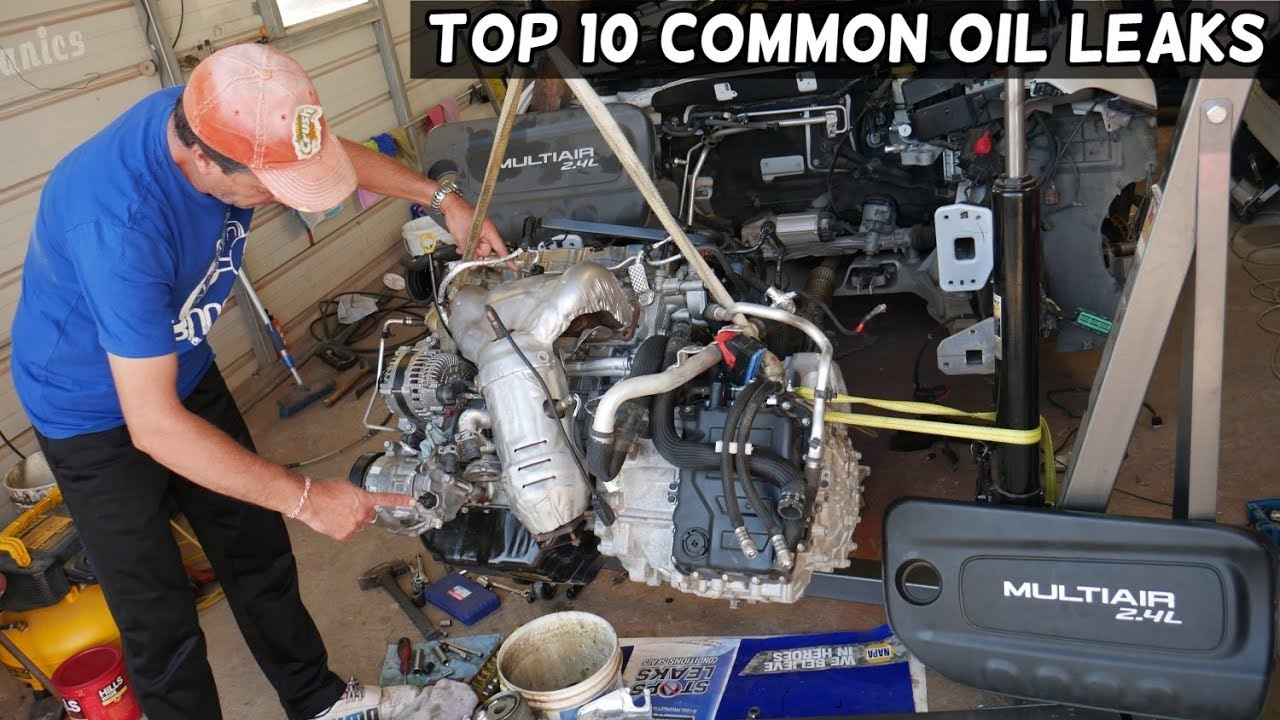
When To Worry: Dangers Of Ignoring A Leak
Even a small oil leak can quickly turn into a major engine problem. Low oil levels can lead to engine overheating and increased wear. In serious cases, running out of oil can seize the engine, leading to repairs costing thousands of dollars.
For example, many Jeep Cherokee owners have reported that ignoring a slow valve cover leak led to oil on the exhaust, causing smoke and even small engine fires. If you see smoke or smell burning oil, stop driving and get help right away.
Frequently Asked Questions
<!– wp:rank-math/faq-block {"questions":[{"id":"faq-question-5fd21868e274","title":"Why Does My Jeep Cherokee Leak Oil After An Oil Change?","content":"A common cause is a loose oil filter or drain plug, or a missing/damaged filter gasket. Always check these areas first.
“,”visible”:true},{“id”:”faq-question-94b7af1538f8″,”title”:”Is It Safe To Drive My Jeep Cherokee With An Oil Leak?”,”content”:”It depends on the size of the leak. Small leaks may allow short drives, but large leaks can quickly damage the engine. Check oil levels often and repair as soon as possible.
“,”visible”:true},{“id”:”faq-question-b8a894f09f89″,”title”:”How Much Oil Loss Is Considered “normal” For A Jeep Cherokee?”,”content”:”Some minor oil consumption is normal, especially in older engines (up to one quart per 1,000 miles). Visible leaks or rapid drops mean a repair is needed.
“,”visible”:true},{“id”:”faq-question-5965bfb248e7″,”title”:”Can I Fix An Oil Leak Myself?”,”content”:”You can fix simple leaks, like tightening the oil filter, if you have basic tools. Major leaks, especially those involving engine removal, are best left to professionals.
“,”visible”:true},{“id”:”faq-question-5bf7adb804cd”,”title”:”Where Can I Find More Information About Jeep Cherokee Recalls?”,”content”:”For official recalls and service bulletins, check the National Highway Traffic Safety Administration website.
Spotting and repairing a Jeep Cherokee oil leak early can save you time and money. With a careful eye and regular maintenance, you can keep your SUV running smoothly for years to come.
“,”visible”:true}]} –>Why Does My Jeep Cherokee Leak Oil After An Oil Change?
A common cause is a loose oil filter or drain plug, or a missing/damaged filter gasket. Always check these areas first.
Is It Safe To Drive My Jeep Cherokee With An Oil Leak?
It depends on the size of the leak. Small leaks may allow short drives, but large leaks can quickly damage the engine. Check oil levels often and repair as soon as possible.
How Much Oil Loss Is Considered “normal” For A Jeep Cherokee?
Some minor oil consumption is normal, especially in older engines (up to one quart per 1,000 miles). Visible leaks or rapid drops mean a repair is needed.
Can I Fix An Oil Leak Myself?
You can fix simple leaks, like tightening the oil filter, if you have basic tools. Major leaks, especially those involving engine removal, are best left to professionals.
Where Can I Find More Information About Jeep Cherokee Recalls?
For official recalls and service bulletins, check the National Highway Traffic Safety Administration website.
Spotting and repairing a Jeep Cherokee oil leak early can save you time and money. With a careful eye and regular maintenance, you can keep your SUV running smoothly for years to come.