The Jeep Cherokee 4WD Service Light can appear unexpectedly, causing worry and confusion.
Ignoring this warning may lead to serious damage to your transfer case, actuators, or other 4WD components, resulting in costly repairs.
This guide explains the causes, symptoms, repair options, preventive measures, and advanced tips to keep your Jeep Cherokee 4WD system in top condition.
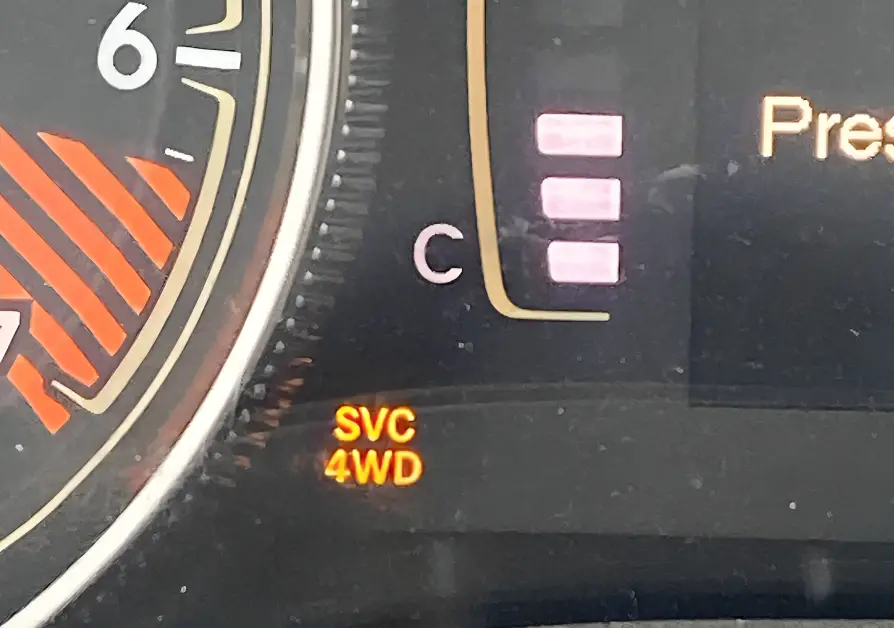
The Jeep Cherokee 4 Wheel Drive Service Light indicates a problem in the 4WD system, such as a faulty actuator, sensor, wiring issue, or transfer case problem. It may limit or disable 4WD to prevent drivetrain damage.
What the 4WD Service Light Means
When the 4WD Service Light turns on, it means there is a problem with your Jeep’s four-wheel drive system.
- It could be an electrical issue, like a bad sensor or loose wiring.
- It might also be a mechanical problem, such as a stuck transfer case or a failing actuator.
- Sometimes, the system will switch to 2WD automatically to protect the drivetrain.
Common Causes of Jeep Cherokee 4 Wheel Drive Service Light
The 4WD Service Light can turn on for a few common reasons:
Faulty 4WD Actuator
This part helps engage or disengage 4WD. If it fails, the light comes on, and the system may not switch correctly.
Wheel Speed Sensor Issues
These sensors monitor wheel rotation. If they give wrong readings, the system thinks something is wrong, turning on the light.
Transfer Case Problems
Low fluid, worn gears, or mechanical issues in the transfer case can stop 4WD from working and trigger the warning.
Wiring or Connector Problems
Loose or corroded wiring can send false signals, causing the light to appear even if nothing is mechanically wrong.
Software Glitches
Sometimes a minor electronic fault in the 4WD control system temporarily turns on the light. Restarting the Jeep may fix it.
Symptoms You Might Notice (Explained)
Understanding these symptoms is crucial because the 4WD system protects your Jeep in challenging conditions.
Ignoring warning signs can lead to serious drivetrain damage, expensive repairs, and unsafe driving situations. Always pay attention to noises, traction issues, or unusual behavior, and address them promptly.
Early action ensures your Jeep remains reliable both on-road and off-road.
4WD Won’t Engage
Even when you switch to 4WD, the system does not activate. This may be caused by a faulty actuator, sensor, or transfer case issue, leaving your Jeep unable to get extra traction.
Jeep Stuck in 2WD or 4WD
Sometimes the Jeep remains locked in one mode, limiting flexibility.
Being stuck in 2WD reduces off-road capability, while being stuck in 4WD can make steering on pavement harder and stressful on drivetrain parts.
Grinding or Clunking Noises
Unusual sounds from the transfer case indicate internal gears, actuators, or mounts may be damaged. Ignoring these noises can lead to severe mechanical failure.
Reduced Traction Off-Road
If 4WD is malfunctioning, your Jeep loses grip in mud, snow, sand, or steep terrain.
This makes off-road driving unsafe and increases the risk of getting stuck.
Warning Light Remains On After Restarting
Sometimes the light doesn’t turn off even after a restart, suggesting a persistent mechanical or electronic issue that requires diagnosis.
Difficulty Steering if 4WD Locks Unexpectedly
If the 4WD system locks while driving on pavement, steering becomes harder.
This puts strain on the drivetrain and increases accident risk, requiring immediate attention.
Tip: Recognizing these signs early can save thousands in repairs and prevent unsafe driving situations.
Is It Safe to Drive With the Light On?
Whether it’s safe to drive with the 4WD Service Light depends on road conditions, terrain, and load.
- City Driving on Dry Roads: If your Jeep defaults to 2WD, driving on normal streets is generally safe. You should avoid heavy loads and stop at the first sign of trouble.
- Off-Road or Slippery Conditions: Driving off-road, in snow, mud, or sand is unsafe without a functioning 4WD system. Loss of traction could lead to getting stuck or losing control.
- Towing or Heavy Loads: Avoid towing if the light is on. The system may not handle the extra stress, which can damage the transfer case or drivetrain.
Red Flags That Require Immediate Stop
Stop driving immediately if you notice any of the following:
- Loud grinding or clunking noises from the transfer case
- Burning smell, indicating overheating or friction damage
- Jeep stuck in 4WD mode, making steering difficult on pavement
- Failure to shift between drive modes, showing a serious mechanical or electronic fault
Ignoring these signs can destroy the transfer case, actuators, or internal gears, leading to very expensive repairs.
Immediate Actions to Take
When the 4WD Service Light turns on, taking quick action can prevent serious damage. Follow these steps:
- Shift to 2WD
Switching to 2WD reduces stress on the drivetrain and prevents further wear or damage to the transfer case. - Restart the Engine
Sometimes the light appears due to a minor electronic glitch. Restarting can reset the 4WD control system temporarily. - Drive Slowly on Dry Pavement
If you must continue driving, keep speeds low and stay on dry roads. Avoid slippery surfaces and off-road terrain until the issue is fixed. - Avoid Off-Road Use
Do not drive on mud, sand, snow, or uneven terrain. Malfunctioning 4WD can lead to loss of traction or stuck wheels. - Schedule a Diagnostic Scan
Take your Jeep to a certified mechanic to check the transfer case, actuators, sensors, and wiring for faults. Early diagnosis prevents bigger repairs.
Quick Reset Tip:
Disconnect the battery for 15 minutes to reset the 4WD control module. If the light comes back after restarting, a hardware repair is required.
How Mechanics Diagnose the Problem
Mechanics use tools and inspections to find the root cause:
- OBD2 Scanner: Reads 4WD control module codes for electronic issues.
- Actuator Check: Ensures the transfer case actuator moves properly.
- Sensor Verification: Checks wheel speed and other 4WD sensors.
- Wiring Inspection: Detects corrosion or loose connections.
- Transfer Case Fluid Check: Ensures fluid level and quality are correct.
Recommended Product: BlueDriver Bluetooth Pro OBD2 Scanner, Ideal for Jeep 4WD diagnostics.
Common Repair Costs
| Component Issue | Estimated Cost | Notes |
|---|---|---|
| Wheel Speed Sensor | $50-$150 | Labor included |
| 4WD Actuator | $200-$400 | Includes recalibration |
| Transfer Case Repair | $800-$2,000 | Depends on severity |
Tip: Early detection keeps repair costs low. Ignoring minor warnings can lead to expensive transfer case rebuilds.
Preventive Maintenance
Taking preventive measures reduces the chances of the 4WD Service Light appearing:
- Change Transfer Case Fluid: Keeps gears lubricated and reduces wear.
- Avoid 4WD on Dry Pavement: Prevents drivetrain binding.
- Inspect Wiring and Connectors: After off-road trips, clean and check for corrosion.
- Engage 4WD Monthly: Keeps actuators, gears, and sensors lubricated and operational.
Summary: Well-maintained Jeeps show fewer warning lights and experience fewer drivetrain failures, saving time and money.
Advanced Troubleshooting Tips
- Check Fluid Levels: Low or dirty fluid causes hard shifting and wear.
- Listen for Unusual Noises: Grinding or whining indicates actuator or gear issues.
- Scan for Fault Codes: Professional OBD-II scanners detect hidden electronic problems.
- Check Actuator Operation: Ensure smooth movement; replace if stiff or stuck.
- Clean Connectors and Wiring: Dirt and moisture can trigger false alerts.
Following these tips prevents sudden 4WD failures and reduces costly repairs.
When to Stop Driving Immediately
Stop driving if you notice:
- Loud grinding or clunking noises
- Burning smells
- Jeep stuck in 4WD mode
- Failure to switch between drive modes
Ignoring these signs can destroy the transfer case, actuators, or gear teeth, leading to very expensive repairs.
Off-Road Driving and the 4WD Light
- Always check the 4WD before challenging terrain.
- Engage 4WD only when needed to prevent drivetrain stress.
- Avoid deep mud, sand, or snow if the light is on.
- After off-road trips, inspect the Jeep for fluid leaks, dirt, or loose wiring.
Proper off-road habits extend 4WD system life and reduce warning light occurrences.
Conclusion
The Jeep Cherokee 4WD Service Light is an important warning that should never be ignored.
- Diagnose early to avoid costly transfer case or actuator damage.
- Perform preventive maintenance and follow troubleshooting tips.
- Seek professional help when needed to keep your Jeep safe and reliable.
Have you ever experienced the Jeep Cherokee 4WD Service Light? How did you fix it?