The Jeep Wrangler is an icon in the SUV world. Known for its rugged design, off-road skills, and strong fan base, the new Jeep Wrangler gets lots of attention. But one big question remains for buyers: Is the new Jeep Wrangler reliable? Let’s look at the facts, real-world experiences, and expert opinions to help you decide if this adventure-ready vehicle is a smart choice for daily life.
What Makes The New Jeep Wrangler Stand Out?
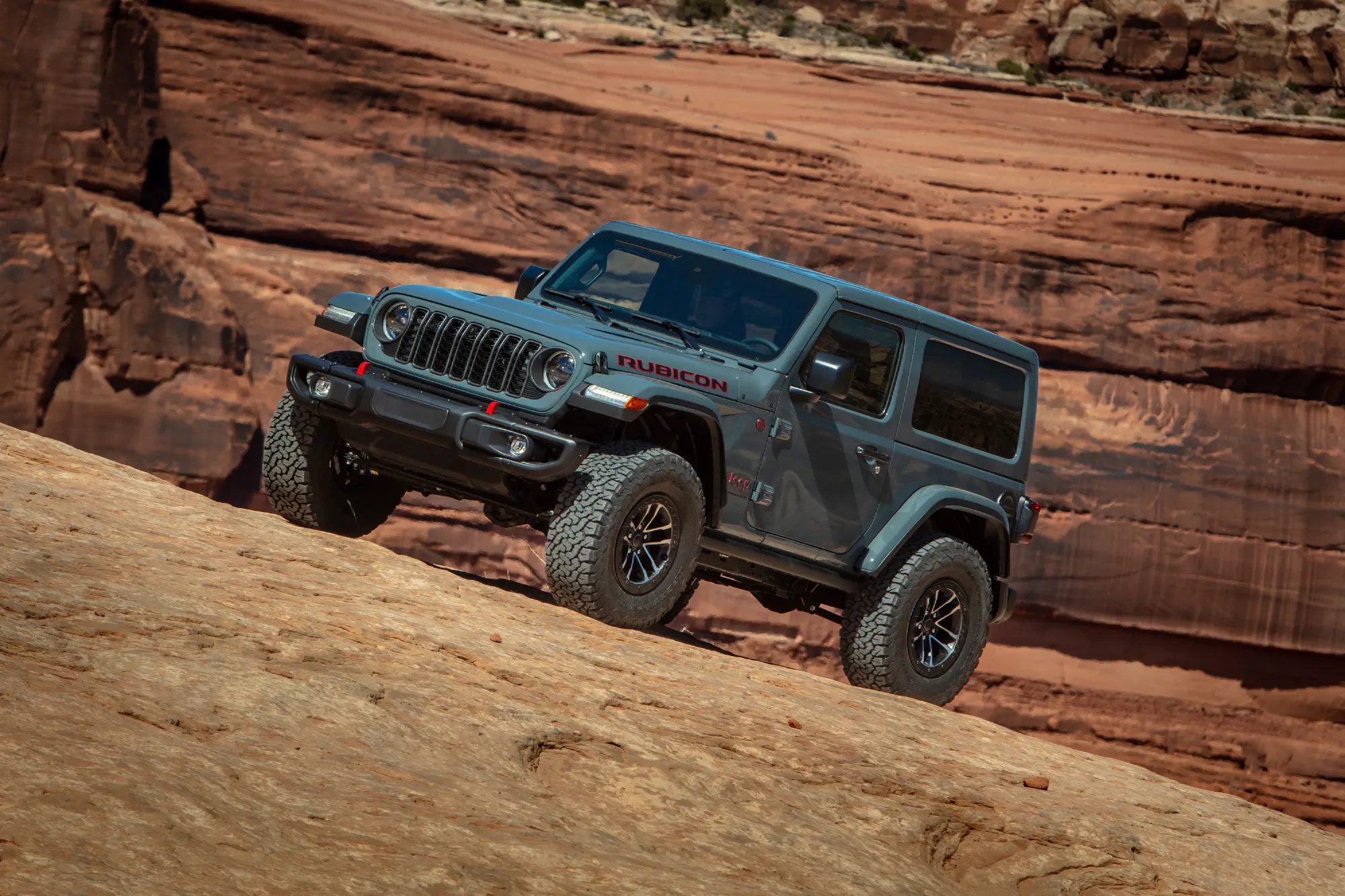
The latest Jeep Wrangler, especially the JL generation (2018 and newer), brings updates in technology, comfort, and safety. It’s still true to its roots, with solid axles and a body-on-frame build, but offers more modern features.
Key strengths:
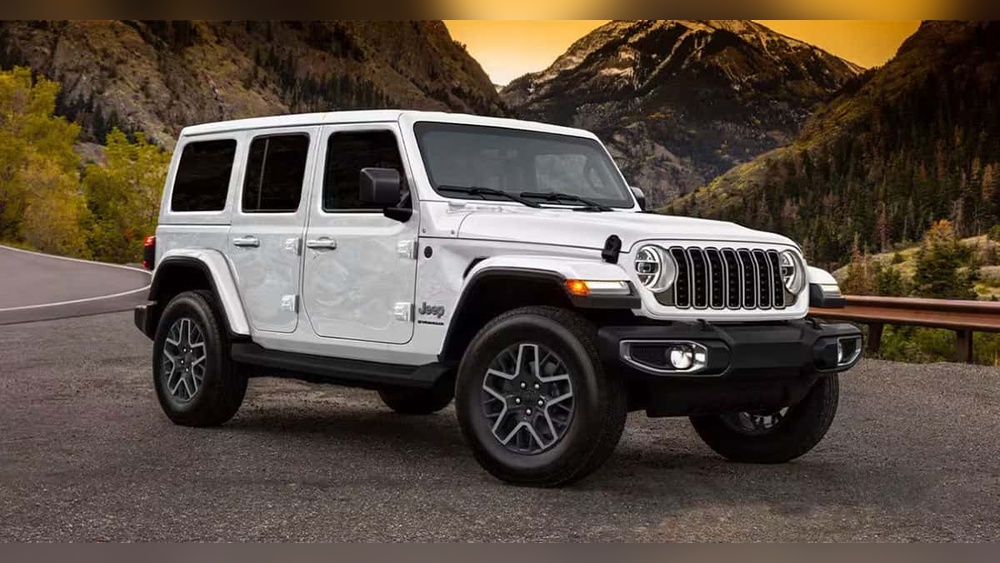
- Trail-rated capability: Handles tough terrain with ease.
- Removable doors and roof: Unique open-air experience.
- Multiple engine choices: Turbocharged four-cylinder, V6, and plug-in hybrid.
Yet, these upgrades raise questions about reliability. More features sometimes mean more things that could break.
Reliability Ratings And Owner Reports
To see how reliable the new Wrangler is, let’s check trusted sources and owner feedback.
| Year/Model | J.D. Power Score (out of 100) | Consumer Reports Reliability |
|---|---|---|
| 2023 Wrangler | 78 | 2/5 |
| 2022 Wrangler | 78 | 2/5 |
| 2021 Wrangler | 76 | 3/5 |
J.D. Power gives the new Wrangler a below-average reliability score. Consumer Reports also rates it lower than many rivals. Owners often love the driving experience but mention frequent visits to the dealership for repairs.
Common Problems And Real-world Issues
Wranglers are famous for their off-road strength, but that comes with trade-offs. Here are the most common problems:
- Electrical issues: Owners report problems with touchscreens, sensors, and wiring.
- Steering problems: Some Wranglers have “death wobble,” where the steering wheel shakes at highway speeds.
- Leaky roofs: The removable tops can sometimes let in water.
- Transmission quirks: Jerky shifting or early wear, especially in automatic models.
Even with these issues, some drivers never experience serious trouble. The Wrangler’s design means it’s more exposed to wear, especially if you go off-road often.
How Does The Wrangler Compare To Rivals?
If you want an SUV, you might wonder how the Wrangler stacks up next to alternatives like the Toyota 4Runner, Ford Bronco, or Jeep Grand Cherokee.
| Model | Predicted Reliability | Warranty (Basic/Powertrain) | Maintenance Cost (5 yrs) |
|---|---|---|---|
| Jeep Wrangler | Below Average | 3yr/36k mi, 5yr/60k mi | $6,500 |
| Toyota 4Runner | Above Average | 3yr/36k mi, 5yr/60k mi | $4,900 |
| Ford Bronco | Average | 3yr/36k mi, 5yr/60k mi | $6,100 |
The Toyota 4Runner is famous for lasting a long time with fewer repairs. The Wrangler has higher maintenance costs and more complaints about small issues. However, the Wrangler offers more customization and stronger off-road options.

What Do Long-term Owners Say?
Wrangler drivers often accept some repairs as part of the experience. Many say, “It’s a Jeep thing. ” The vehicle’s unique design means it can handle mud, rocks, and sand, but you may need to fix more things over time.
A few insights beginners usually miss:
- Frequent off-roading increases wear. The harder you use your Wrangler, the more likely you’ll need repairs.
- Customization may void warranty. Adding aftermarket parts can cause problems with Jeep’s coverage if not installed correctly.
Some owners keep their Wranglers for years, while others get frustrated by constant trips to the shop. The key is knowing what you want—adventure or a worry-free commute.
How To Improve Your Wrangler’s Reliability
If you want a Wrangler but worry about reliability, there are ways to protect your investment:
- Regular maintenance: Follow Jeep’s service schedule closely.
- Check recalls: Make sure all factory recalls are fixed.
- Choose the right trim: Simpler trims have fewer electronics and may have fewer problems.
- Avoid extreme modifications: Big lifts and tires look cool but can strain parts.
- Buy an extended warranty: This can help with repair costs if you plan to keep your Jeep for many years.
Here’s a quick look at how maintenance can help:
| Maintenance Task | Suggested Interval | Why It Matters |
|---|---|---|
| Oil Change | Every 5,000 mi | Prevents engine wear |
| Brake Inspection | Every 10,000 mi | Ensures safe stopping |
| Tire Rotation | Every 7,500 mi | Extends tire life |

When Is The Wrangler A Good Choice?
The new Jeep Wrangler is a great fit if you:
- Love outdoor adventures and off-roading.
- Want a vehicle with a strong community and high resale value.
- Don’t mind occasional repairs or higher upkeep.
It’s less ideal if you:
- Need a quiet, smooth ride every day.
- Want the lowest possible running costs.
- Prefer advanced tech features without worry.
For some, the fun and freedom are worth a few headaches. For others, the reliability trade-offs are a dealbreaker.
Frequently Asked Questions
Is The Jeep Wrangler Expensive To Maintain?
Yes, the Wrangler costs more to maintain than most midsize SUVs. Expect to pay around $6,500 over five years for regular maintenance and repairs, especially if you drive off-road often.
Does The New Wrangler Have Serious Mechanical Problems?
Most Wranglers have minor electrical or trim issues rather than major engine or transmission failures. However, some owners report steering problems (like “death wobble”) and water leaks.
How Long Does A Jeep Wrangler Last?
With good care, a Wrangler can last 200,000 miles or more. Off-road use and lack of maintenance can lower its lifespan, so regular checks are important.
Is The Jeep Wrangler Safe?
The Wrangler offers modern safety features but doesn’t score as high as some rivals in crash tests. Its design focuses on off-road ability rather than city safety.
Where Can I Find More Detailed Reliability Data?
You can find more data and owner reviews on the official Consumer Reports website.
The new Jeep Wrangler isn’t the most reliable SUV, but it offers a unique driving experience. If you value adventure over perfection, it might be the right choice for you.