Is The Jeep Trackhawk Reliable
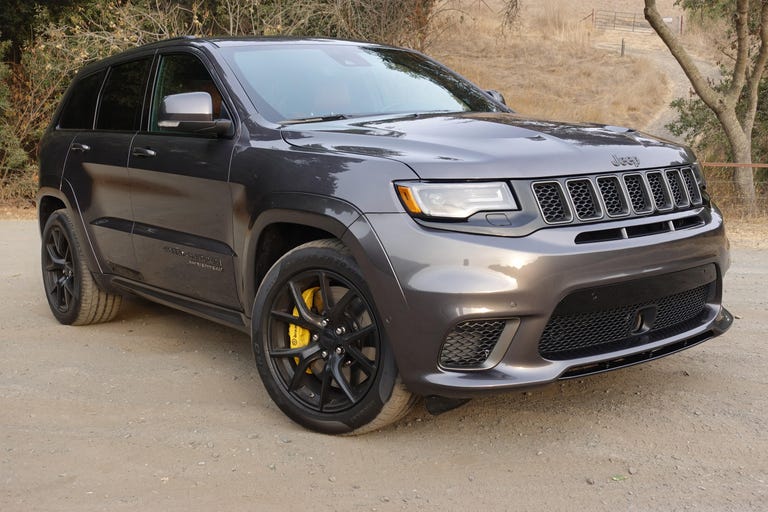
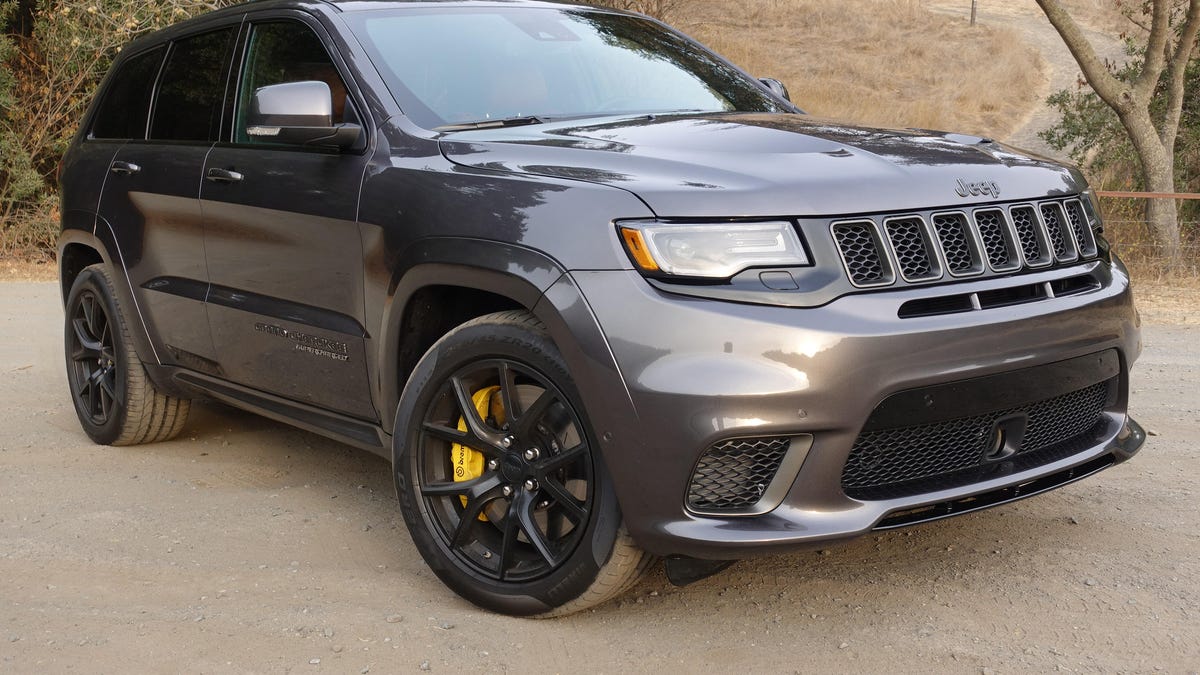
The Jeep Grand Cherokee Trackhawk is famous for its extreme power, luxury features, and unmistakable presence on the road. With a supercharged V8 engine borrowed from the Dodge Hellcat, it offers mind-blowing acceleration. But a common question among buyers and enthusiasts is: Is the Jeep Trackhawk reliable? Let’s break down real-world experiences, maintenance expectations, and expert opinions to give you a clear answer.
What Makes The Jeep Trackhawk Unique?
The Trackhawk stands out for more than just its speed. It combines luxury with off-road potential and muscle car performance. The heart of the Trackhawk is the 6.2-liter supercharged Hellcat V8, delivering 707 horsepower and 645 lb-ft of torque. This engine pushes the SUV from 0–60 mph in just 3.5 seconds.
But this high-performance focus raises questions about reliability. While the engine is a proven powerhouse, pushing any machine to such limits can have an impact on long-term durability.

Common Reliability Issues
The Trackhawk shares many parts with the standard Grand Cherokee, but the extra power changes stress on its components. Owners and mechanics often mention these areas as trouble spots:
- Transmission Strain: The 8-speed automatic gearbox is tough, but continuous hard launches or towing can lead to early wear.
- Cooling System: High temperatures from the supercharged engine sometimes lead to cooling system failures, such as radiator leaks or water pump issues.
- Electronics: Like other luxury SUVs, the Trackhawk has a complex infotainment system and advanced driver aids. Some owners report glitches or slow software updates.
- Suspension and Brakes: The extra weight and speed mean suspension bushings and brake pads need replacement more often than in standard SUVs.
- Fuel System: The supercharged engine requires premium fuel, and some users have seen issues with fuel injectors or pumps if lower-quality fuel is used.

Trackhawk Reliability Compared To Competitors
The Trackhawk is part of a rare group of high-performance SUVs. Here’s how it compares to other popular options in terms of reliability:
| Model | Engine | 0-60 mph | Reliability Score (out of 5) |
|---|---|---|---|
| Jeep Trackhawk | 6.2L Supercharged V8 | 3.5 sec | 3.0 |
| BMW X5 M | 4.4L Twin-Turbo V8 | 3.8 sec | 3.5 |
| Mercedes-AMG GLE 63 S | 4.0L Twin-Turbo V8 | 3.7 sec | 3.5 |
| Porsche Cayenne Turbo | 4.0L Twin-Turbo V8 | 3.7 sec | 4.0 |
While the Trackhawk is not the least reliable, it often sits behind European rivals. German SUVs tend to have slightly better reliability ratings, but the differences are not dramatic.
Owner Experiences
Many owners love the Trackhawk for its unique blend of muscle car power and SUV practicality. Here’s what stands out from real-world feedback:
- Engine Durability: Most owners report the engine itself is robust if maintained well. Some have reached over 100,000 miles with only basic care.
- Cost of Ownership: Parts and repairs are not cheap. High-performance parts like brakes or tires wear quickly and cost more than standard Grand Cherokee components.
- Daily Driving: The Trackhawk can be used as a daily driver, but expect higher fuel consumption (about 11–17 mpg) and a stiffer ride compared to regular SUVs.
- Unexpected Repairs: A few owners report rare but expensive issues, such as supercharger problems or transmission faults, often after heavy track use.
Maintenance And Running Costs
Owning a Trackhawk is not just about the purchase price. Here’s a breakdown of key ongoing costs:
| Service/Item | Typical Cost (USD) | Frequency |
|---|---|---|
| Oil Change (synthetic) | $100–$200 | Every 5,000 miles |
| Brake Pads/Rotors | $600–$1,200 | Every 20,000–30,000 miles |
| Supercharger Service | $700–$1,500 | Every 60,000 miles |
| Set of Tires | $1,200–$2,000 | Every 10,000–20,000 miles |
Insurance costs are also high due to the Trackhawk’s value and performance. Some owners report yearly premiums over $2,000.
What Affects Trackhawk Reliability Most?
Certain factors have a big impact on how reliable your Trackhawk will be:
- Driving Style: Aggressive driving, track use, and frequent towing put more stress on mechanical parts.
- Maintenance Habits: Sticking to the service schedule, using quality fluids, and replacing worn parts early helps avoid big problems.
- Climate: Hot climates can speed up wear on the cooling system and engine, while cold climates can affect battery and electronics.
- Previous Modifications: Many owners add performance mods, which can reduce reliability if not done properly.
Non-obvious Insights
- Cooling Upgrades: Many long-term owners recommend installing upgraded radiators or oil coolers, especially if you live in a hot area or plan to drive hard. This small investment can prevent major engine damage.
- Check Recall History: The Trackhawk and Grand Cherokee have had some recalls for things like electrical systems and brakes. Always check the VIN and service history before buying used.
- Resale Value: While the Trackhawk holds value better than most Jeeps, reliability concerns can impact resale, especially if maintenance records are missing.
Should You Buy A Trackhawk For Daily Use?
The Trackhawk can be a daily driver if you’re ready for higher running costs and accept that it’s not as smooth or quiet as a luxury-only SUV. It offers a rare combination of brute force and comfort. For people who want excitement every time they drive, the trade-offs are often worth it.
If you want a worry-free, low-cost ownership experience, something like a Jeep Grand Cherokee Limited or a Lexus RX may suit you better.
Frequently Asked Questions
Is The Jeep Trackhawk Expensive To Maintain?
Yes, the Trackhawk costs more to maintain than regular SUVs. Parts like brakes, tires, and the supercharged engine need more frequent and expensive service due to the vehicle’s performance.
How Long Can A Jeep Trackhawk Engine Last?
With proper care and regular maintenance, some owners have reported over 100,000 miles on the original engine. High-performance use or poor maintenance can shorten this lifespan.
Are There Any Common Recalls For The Jeep Trackhawk?
There have been recalls related to electrical systems, brakes, and software updates. Always check the official Jeep recall database or sites like NHTSA before buying.
Is The Trackhawk Reliable For Winter Driving?
With all-wheel drive and advanced traction systems, the Trackhawk handles well in snow. However, it’s important to use proper winter tires and maintain the battery and electronics for cold weather.
What Are The Main Weak Points Of The Trackhawk?
The main weak points include the cooling system, transmission (if abused), and electronic glitches. Following a strict maintenance routine and avoiding extreme driving help reduce these risks.
The Jeep Trackhawk is a special kind of SUV—fast, fun, and surprisingly practical. While it’s not perfect in terms of reliability, most issues can be managed with good care and smart ownership habits. If you’re drawn to its power and personality, and you’re ready for higher running costs, the Trackhawk offers a driving experience few vehicles can match.