Is The Jeep Gladiator Rubicon Worth It
The Jeep Gladiator Rubicon has turned heads since its launch. With its bold design, off-road skills, and pickup utility, it attracts both adventure seekers and daily drivers. But with a price tag often above $50,000, many wonder: is the Gladiator Rubicon truly worth it? This article takes a detailed, practical look at what you get for your money and who will benefit most from this unique truck.
What Makes The Gladiator Rubicon Different?
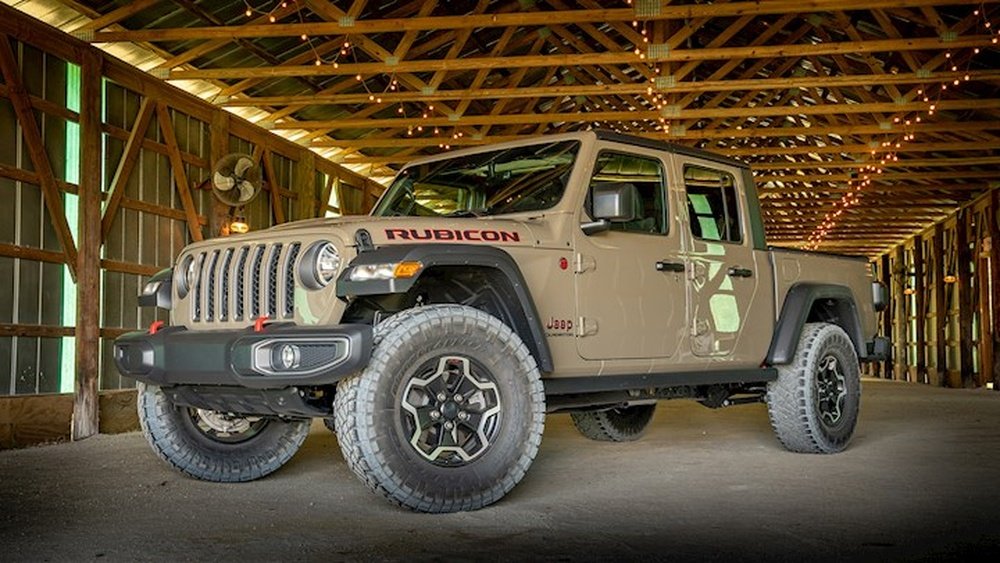
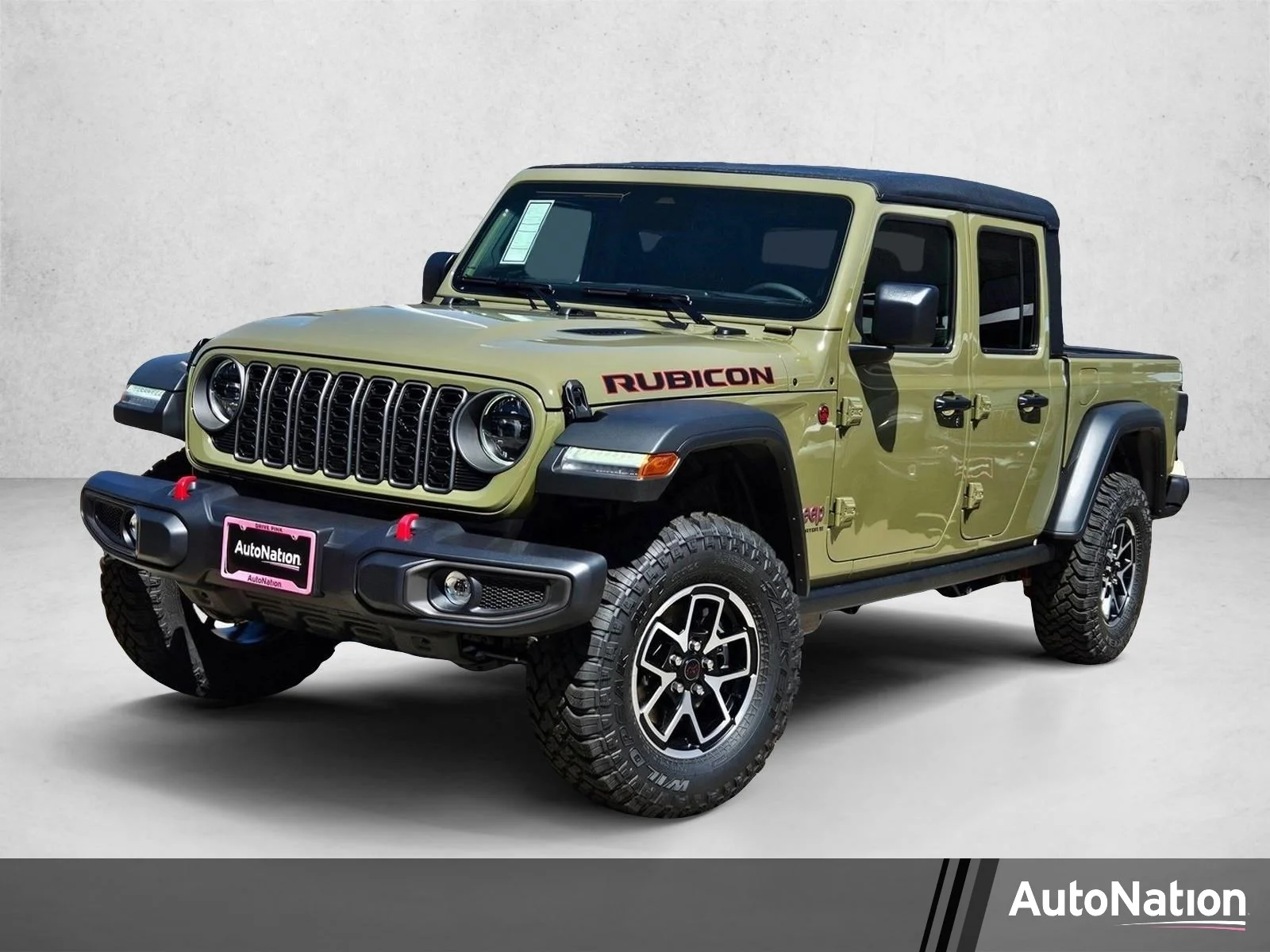
The Rubicon trim is the top-tier off-road version of the Jeep Gladiator lineup. While all Gladiators share the same four-door, five-foot bed layout, the Rubicon stands out for its rugged features.
- Rock-Trac 4×4 system: Better torque and control on rough terrain.
- Locking front and rear differentials: Improves grip in mud or rocks.
- Disconnecting front sway bar: Increases wheel travel for climbing obstacles.
- 33-inch all-terrain tires: Ready for trails straight from the factory.
- Heavy-duty Dana 44 axles: Built to handle tough conditions.
Most trucks in this price range are more focused on towing or comfort, not off-road adventure. Jeep keeps the Rubicon true to its roots.
On-road Comfort And Everyday Use
Many people worry that an off-road truck like the Rubicon will feel harsh on normal roads. In reality, it’s a mixed bag. The ride is firmer than a regular pickup, but the cabin has many comfort features:
- Heated seats (optional)
- Large touchscreen with Apple CarPlay and Android Auto
- Multiple USB ports
- Optional leather trim
Noise levels are higher than in a Ford Ranger or Toyota Tacoma, especially with the soft top. The Gladiator’s long wheelbase helps stability on highways but can make tight city parking tricky.
Let’s compare the Rubicon with two popular midsize trucks:
| Feature | Jeep Gladiator Rubicon | Toyota Tacoma TRD Pro | Ford Ranger Tremor |
|---|---|---|---|
| Base Price (2024) | $53,620 | $48,035 | $44,500 |
| Horsepower | 285 hp | 278 hp | 270 hp |
| Max Towing | 7,000 lbs | 6,400 lbs | 7,500 lbs |
| Payload | 1,160 lbs | 1,155 lbs | 1,610 lbs |
| Ground Clearance | 11.1 in | 9.4 in | 9.7 in |
Off-road Performance: Where It Shines
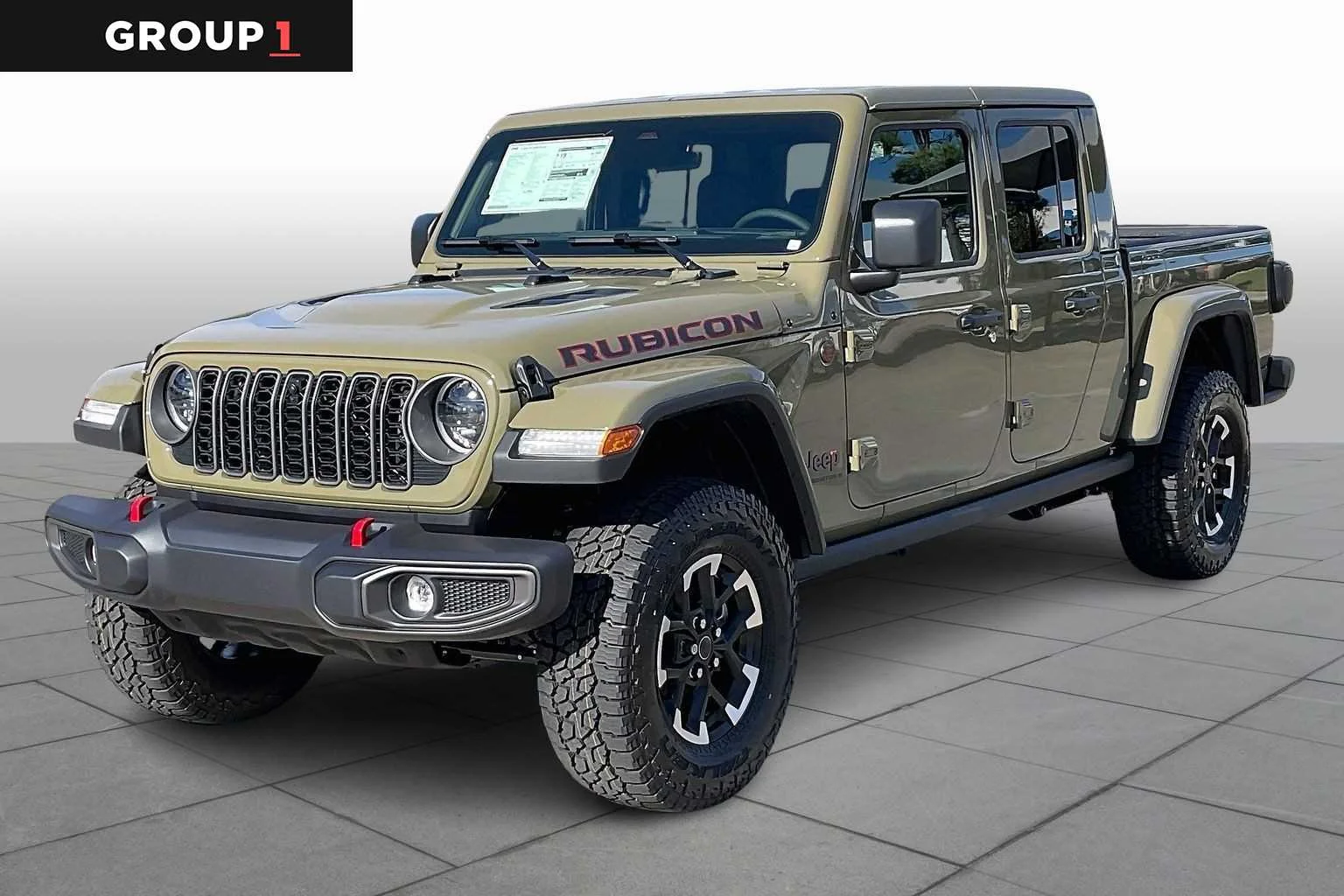
The Rubicon’s biggest strength is off the beaten path. No other midsize pickup offers the same combination of factory rock rails, skid plates, and low-range gearing. Jeep even gives the Gladiator the ability to ford water up to 30 inches deep.
Two non-obvious advantages:
- Removable doors and roof: Only Jeep lets you get an open-air experience while off-roading in a pickup. It’s a unique feeling, especially in summer.
- Trail Rated badge: Not just marketing—Jeep tests Rubicons on tough trails like the Rubicon Trail in California. This means you can trust its abilities out of the box.
However, the Gladiator is long for a trail vehicle. The extra length can make turning on tight trails more difficult compared to the Wrangler.
Practicality: Truck Utility Vs. Suv Fun
The Gladiator Rubicon blends Jeep fun with pickup practicality. You can tow a small boat, haul camping gear, or carry building supplies. The five-foot bed fits mountain bikes, dirt bikes, and more.
But there are trade-offs:
- The bed isn’t as long as other midsize trucks.
- The rear seat is roomy for adults, more than most rivals.
- Fuel economy is average, with 17 mpg city and 22 mpg highway.
Here’s a quick look at cargo and bed specs:
| Model | Bed Length | Bed Width | Rear Legroom |
|---|---|---|---|
| Jeep Gladiator | 5 ft | 56.8 in | 38.3 in |
| Toyota Tacoma | 5 ft | 53.4 in | 32.6 in |
| Chevy Colorado | 5 ft | 57.8 in | 35.8 in |
Cost Of Ownership: What To Expect
The Rubicon’s starting price can grow quickly with options like the diesel engine, LED lighting, or advanced safety features. Insurance is also higher than average due to its cost and off-road focus.
Common costs to consider:
- Scheduled maintenance is similar to other midsize trucks but can be pricier if you add special parts.
- Resale value is strong. Gladiators hold their value well, especially Rubicons.
- Aftermarket upgrades are popular—lift kits, bumpers, winches—but these can add thousands more to your total cost.
Be aware: The Gladiator’s unique design means some repairs or parts can cost more than for a typical pickup.
Who Should Buy The Gladiator Rubicon?
The Gladiator Rubicon is not for everyone. It’s best for:
- Off-road fans who want the best in factory hardware.
- Jeep lovers who want pickup utility.
- Drivers who value open-air adventure.
- Owners who plan to modify their truck for serious trails.
It’s not ideal for:
- Buyers who just need a truck for work.
- People who want a quiet, luxury ride.
- Those who rarely leave paved roads.
A small group of owners get the most from the Rubicon’s talents. For the right person, it’s a vehicle you’ll want to keep for years.
Frequently Asked Questions
How Does The Gladiator Rubicon Compare To The Wrangler Rubicon?
The Gladiator shares most of the Wrangler’s off-road features but has a longer wheelbase and a pickup bed. This gives it more cargo space but makes it less agile on tight trails.
Is The Gladiator Rubicon Reliable?
Overall reliability is average. Most issues are minor, like electronics or trim. The powertrain and 4×4 systems are proven, but regular maintenance is important.
Can You Daily Drive A Gladiator Rubicon?
Yes, but expect a firmer ride and more road noise than normal trucks. It’s fine for commuting, but not as quiet or smooth as a Honda Ridgeline or Ford Ranger.
What Are Common Mistakes When Buying?
Many buyers pick the Rubicon for its looks, then rarely use its off-road features. If you won’t use the locking diffs or disconnecting sway bar, a lower trim like the Sport S may save money.
Where Can I Find More Technical Details?
The official Jeep Gladiator page has specs, feature lists, and up-to-date pricing.
The Jeep Gladiator Rubicon is a unique truck. For drivers who love adventure and want true off-road ability, it is worth the money. For everyone else, a cheaper trim or another midsize truck may make more sense. Decide what you value most—and buy the truck that fits your life, not just your dreams.