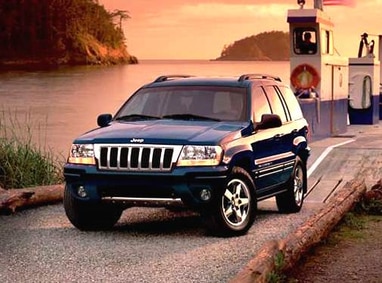
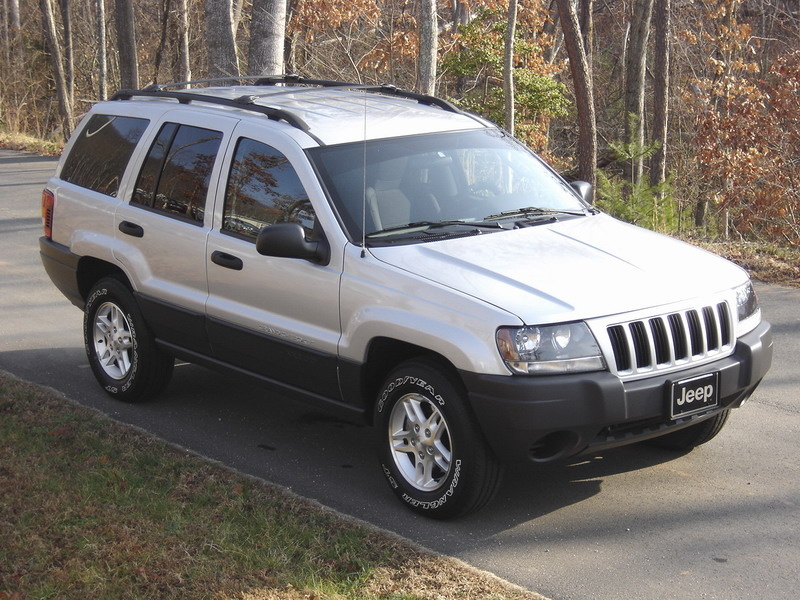
Buying a used SUV can feel risky, especially when you’re looking at older models like the 2004 Jeep Grand Cherokee. Some say it’s a tough, reliable ride. Others warn of repairs and high costs. So, what’s the real story? Let’s take a closer look at the 2004 Grand Cherokee’s reliability, break down common problems, and see how it stands against similar vehicles.
Key Reliability Factors
The 2004 Jeep Grand Cherokee is part of the second generation (WJ), known for its off-road skills and strong engines. But reliability depends on more than just engine power.
Engine And Transmission
This model offers two main engines:
- 4.0L Inline-6 (195 hp)
- 4.7L V8 (235 hp)
Both engines have reputations for lasting a long time if serviced well. The 4.0L Inline-6 is especially famous for running well over 200,000 miles.
The main weak spot is the transmission. Many owners report issues with rough shifting or failure, especially after 100,000 miles. Still, regular fluid changes can help avoid bigger problems.
Suspension And Steering
Owners often mention worn-out suspension parts like ball joints, tie rods, and shock absorbers. These can cause clunking noises or poor handling. Replacing these parts is common after 80,000–120,000 miles.
Electrical Problems
The 2004 Grand Cherokee sometimes has electrical gremlins. Common complaints include:
- Power window failures
- Dashboard lights flickering
- Issues with the keyless entry
These problems are usually annoying rather than dangerous, but repairs can add up over time.
Common Issues And Costs
It’s important to know what might go wrong and what repairs could cost. Here’s a quick breakdown:
| Problem Area | Common Issue | Average Repair Cost (USD) |
|---|---|---|
| Engine | Oil leaks, cooling fan failure | $200–$600 |
| Transmission | Slipping, rough shifts | $1,500–$3,000 |
| Suspension | Worn ball joints, bushings | $300–$800 |
| Electrical | Window regulator failure | $200–$400 |
Non-obvious tip: Many electrical problems can be traced to a faulty body control module or poor ground connections. Checking these first can save time and money.

Owner Satisfaction And Longevity
What do real owners say? Reviews are mixed, but many praise the comfort, power, and off-road ability. Some drivers have clocked over 250,000 miles on their Grand Cherokees.
However, there’s a pattern: happy owners usually keep up with maintenance and fix problems early. Neglect leads to bigger, more expensive repairs.
One insight beginners miss: the 4.0L engine is more reliable than the V8 for long-term use. Also, models with all-wheel drive (Quadra-Drive) have more parts to service, but offer better handling in snow and off-road.
How The 2004 Grand Cherokee Compares
Is the 2004 Jeep Grand Cherokee more reliable than similar SUVs? Let’s see how it stands next to a few competitors:
| Model | Reliability Score (out of 5) | Common Issues | Engine Longevity |
|---|---|---|---|
| 2004 Jeep Grand Cherokee | 3.0 | Transmission, electrical | 180,000–250,000 mi |
| 2004 Toyota 4Runner | 4.5 | Rust, suspension | 250,000+ mi |
| 2004 Ford Explorer | 2.5 | Timing chain, transmission | 150,000–200,000 mi |
The Grand Cherokee offers more power and off-road skill than some rivals, but Toyota’s 4Runner is the clear leader for long-term reliability.
Maintenance Tips For Longer Life
If you buy a 2004 Jeep Grand Cherokee, smart care can make a big difference:
- Change engine oil every 3,000–5,000 miles.
- Check transmission fluid and service every 30,000–60,000 miles.
- Inspect suspension and steering parts yearly.
- Fix small electrical issues early to avoid bigger failures.
- Use quality parts—cheap replacements often fail sooner.
Another insight: Rust can be a problem, especially in colder climates where salt is used on roads. Check the frame and underbody for rust before buying.
Is It Worth Buying Today?
The 2004 Grand Cherokee can be a good choice if you want:
- A strong engine (especially the 4.0L)
- Off-road ability
- Lower price than newer SUVs
But it isn’t the best if you want:
- Low maintenance costs
- High fuel economy
- A “set it and forget it” car
If you’re comfortable doing some repairs or know a good mechanic, this Jeep offers solid value. Still, always get any used Grand Cherokee checked by a trusted technician before buying.
Frequently Asked Questions
Is The 2004 Jeep Grand Cherokee A Good Family Car?
The Grand Cherokee has a roomy interior and good crash test scores for its time. However, fuel economy is low (around 14–18 mpg), and repair costs can be higher than smaller SUVs.
What Is The Most Reliable Engine For This Model Year?
The 4.0L Inline-6 engine is the most reliable option. It’s known for long life and fewer major problems compared to the 4.7L V8.
How Much Should I Pay For A Used 2004 Grand Cherokee?
Prices vary by condition, mileage, and location. Most sell for $2,000–$5,000. Avoid very cheap examples, as they may need expensive repairs.
Are Replacement Parts Expensive?
Parts are usually affordable because the Grand Cherokee was popular in the US. Some items, like window regulators and suspension pieces, are easy to find. However, transmission repairs can be costly.
Where Can I Find More Detailed Specs Or Recalls?
For official information, check the National Highway Traffic Safety Administration.
Finding the right used SUV is always a balance. The 2004 Jeep Grand Cherokee rewards careful owners but can frustrate those who skip maintenance. If you do your homework and inspect before buying, this Jeep can serve you well for years.