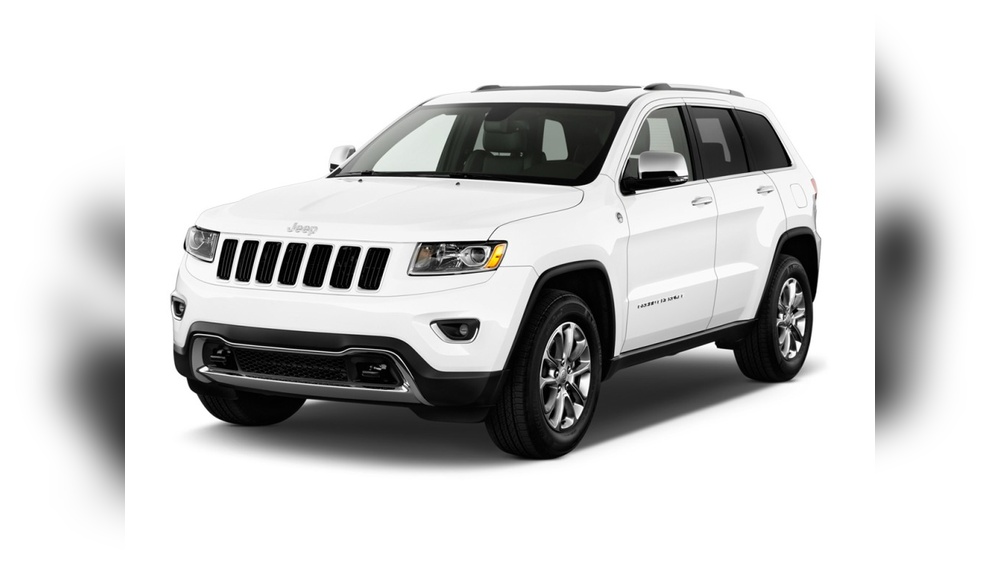
Buying a used car is always a big decision, especially when it comes to models like the Jeep Liberty. Known for its rugged looks and off-road abilities, the Liberty often attracts drivers who want a mix of adventure and daily usefulness.
But is this SUV really a smart choice as a used car? Let’s look at the facts, real-life experiences, and expert advice so you can decide if the Jeep Liberty fits your needs.
What Makes The Jeep Liberty Stand Out?
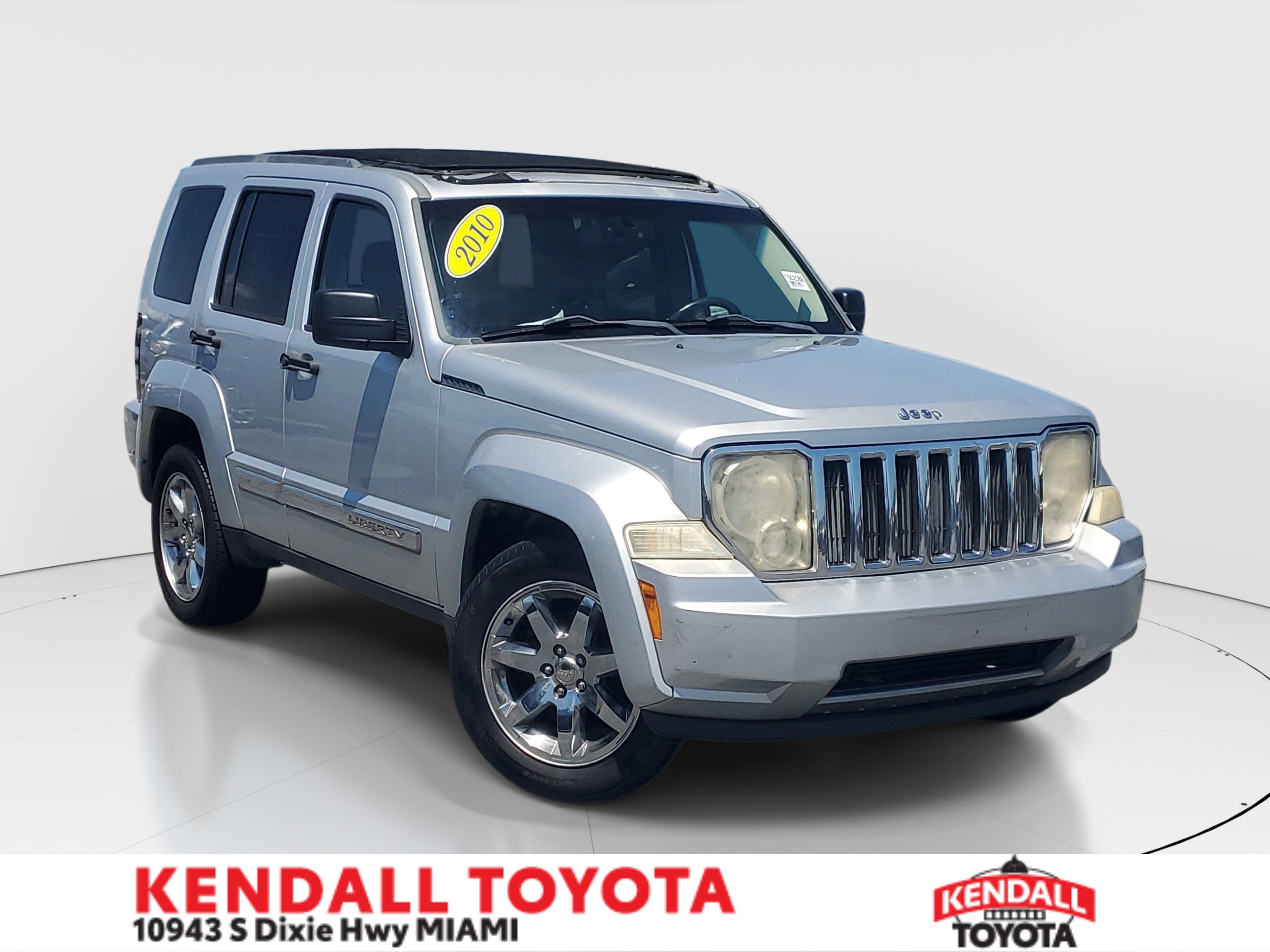
The Jeep Liberty was produced from 2002 to 2012. It sits in the compact SUV segment, offering more space than a typical small SUV, but less than a Jeep Grand Cherokee. Its main appeal is the classic Jeep design—boxy, tough, and ready for off-roading.
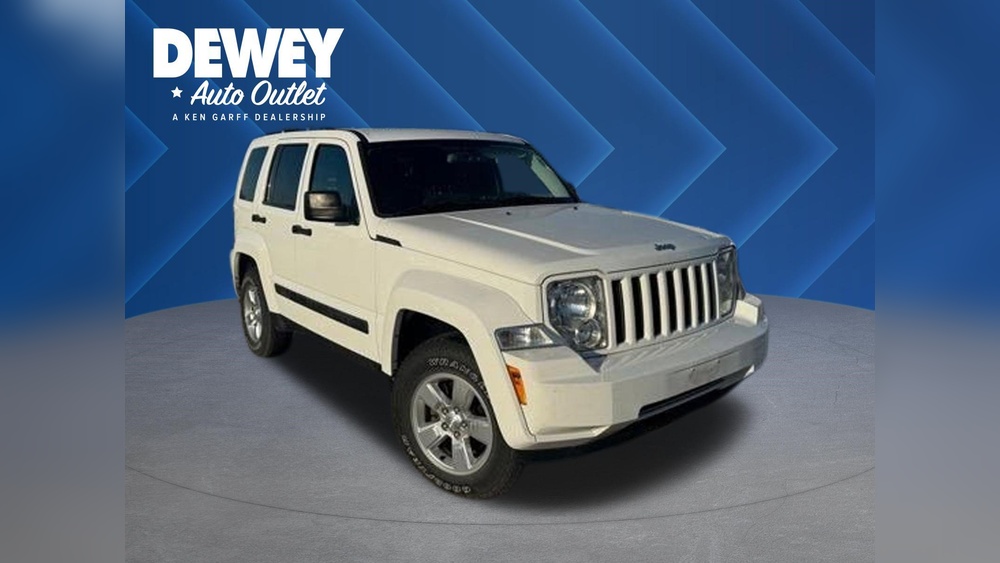
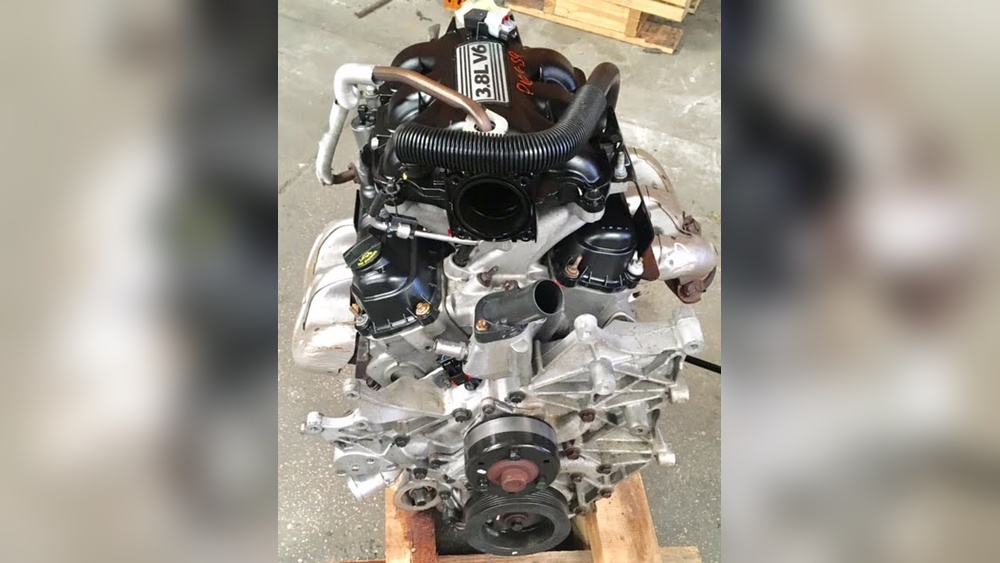
Most Libertys come with either a 3.7L V6 gasoline engine or a rare 2.8L diesel (available in some years). Buyers often like the Liberty’s high seating position, good ground clearance, and the option for four-wheel drive.
Here’s a quick look at some key specs and options:
| Feature | Details |
|---|---|
| Engine | 3.7L V6 (most common) |
| Transmission | 4-speed automatic, 6-speed manual (early years) |
| Drivetrain | Rear-wheel or four-wheel drive |
| Seating | 5 passengers |
| Fuel Economy | 15-22 mpg (varies by year/model) |
Reliability And Common Issues
Reliability is a huge factor when buying any used vehicle. The Jeep Liberty has a mixed reputation here. While some owners report years of trouble-free driving, others face several repairs.
Known Problems
- Window regulators: Many Libertys have issues with power windows failing.
- Transmission problems: Some models, especially older ones, can develop shifting issues.
- Suspension wear: Ball joints and control arms may wear out faster than average.
- Rust: In regions with snow, rust can affect the underbody and doors.
- Electronics: Sensors and warning lights sometimes malfunction.
A key insight: Early models (2002-2007) are more likely to have electrical and suspension problems, while 2008-2012 models solved some issues but introduced new ones, like airbag recalls.
Repair Costs
Owning a used Jeep Liberty means planning for repairs and maintenance. Here’s a basic cost comparison:
| Repair Type | Average Cost |
|---|---|
| Window regulator | $250 – $400 |
| Transmission rebuild | $1,500 – $3,500 |
| Suspension repair | $300 – $900 |
| Brake job | $200 – $400 |
Non-obvious tip: If you’re buying a Liberty, check if the window regulators and ball joints have been replaced. These repairs are common and can add up.
Driving Experience
The Liberty feels solid on the road. Its high ride and strong frame make it good for bad weather and light off-roading. However, it’s not as smooth or quiet as newer crossovers. Handling is truck-like, with more body roll in corners.
The V6 engine offers decent power but is not very fuel-efficient. Expect about 15-17 mpg in the city and up to 22 mpg on the highway.
Noise from the engine and wind is higher than in many modern SUVs. The ride can feel bumpy, especially over rough roads. Still, for drivers who want a real SUV feel, the Liberty delivers.
Safety And Features
Safety ratings for the Jeep Liberty are average. It has basic features like front airbags, anti-lock brakes, and electronic stability control (after 2007). Side airbags and advanced safety tech are limited or missing, especially in older models.
Here’s how the Liberty compares to a similar SUV, the Honda CR-V (2008):
| Feature | Jeep Liberty | Honda CR-V |
|---|---|---|
| Overall Safety Rating | Average | Good |
| Standard Airbags | Front only | Front & side |
| Stability Control | 2007+ | Standard |
| Fuel Economy (mpg) | 15-22 | 20-27 |
A less-known fact: Because the Liberty has a higher center of gravity, it’s more likely to roll over than a typical car or crossover. Drive carefully, especially in wet or icy conditions.
Ownership Costs And Value
The Jeep Liberty is affordable to buy used. Prices range from $4,000 to $10,000 depending on the year, condition, and mileage. Insurance costs are moderate, but fuel and repairs are higher than some rivals.
Libertys don’t hold value as well as Toyota or Honda SUVs. Resale prices drop faster, especially if the vehicle has high miles or needs repairs soon.
Here’s what matters most when choosing a used Liberty:
- Service history: Look for regular maintenance and recent repairs.
- Accident check: Avoid cars with major crash damage.
- Rust inspection: Especially important in snowy regions.
- Test drive: Check for shifting issues, noises, and working electronics.
Common mistake: Choosing a Liberty just because it’s cheap. Cheap repairs add up quickly. Pay more for a well-cared-for example.
Who Should (and Shouldn’t) Buy A Used Jeep Liberty?
The Jeep Liberty is a good fit if you:
- Want a real off-road capable SUV
- Drive in bad weather or rough areas
- Don’t mind lower fuel economy
- Can handle higher repair costs
It’s less ideal if you:
- Need top reliability and low costs
- Want a smooth, quiet ride
- Prefer advanced safety features
Drivers looking for a basic, reliable commuter should consider other options. But if you want classic Jeep style and adventure, the Liberty can make sense—if you buy carefully.