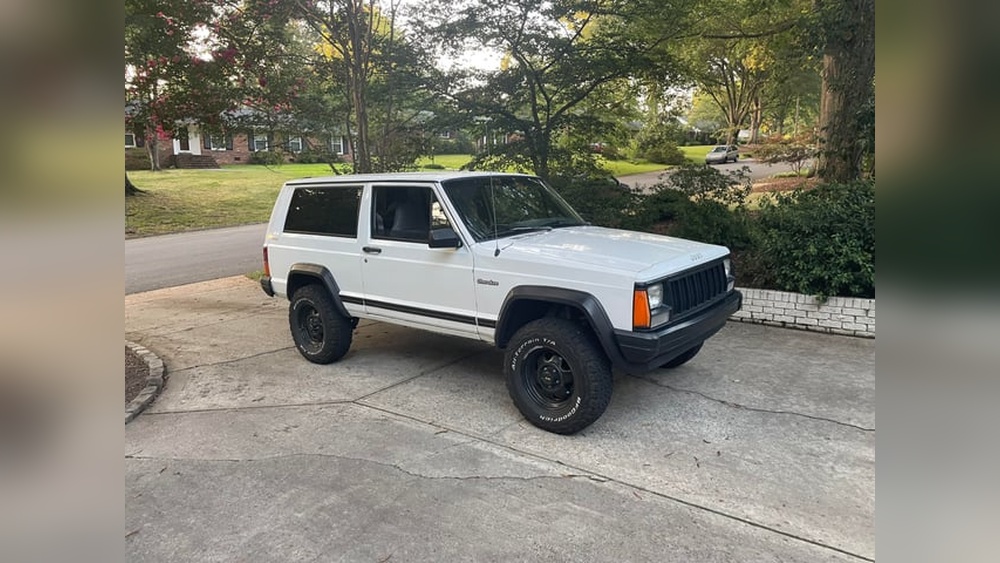
Is Jeep Diesel Reliable?
If you love adventure and off-road driving, you probably know the Jeep brand well. Many people ask, “Is Jeep diesel reliable? ” This question is important, especially for buyers looking for vehicles that last, perform well, and are not too expensive to maintain.
Choosing a diesel engine can be a big decision, especially with Jeeps, because their reputation varies from model to model and year to year. In this article, you’ll find honest, clear answers based on real data, owner stories, and expert analysis.
Understanding Jeep Diesel Engines
Jeep started offering diesel engines in several models, including the Grand Cherokee and the Wrangler. Diesel engines are popular because they offer better fuel economy and more torque, which is useful for towing and rough terrain. However, diesel Jeeps have a unique story compared to their gasoline counterparts.
Key Models And Engines
Most Jeep diesel engines in the U.S. market are:
- 3.0L EcoDiesel V6 (found in Grand Cherokee and Wrangler)
- 2.8L VM Motori (found in earlier Libertys)
- 2.2L MultiJet II (offered in some international models)
Each engine has its own strengths and weaknesses, and reliability often depends on how the vehicle is used and maintained.
Reliability Data And Owner Experiences
Real-world reliability can be measured by how often a Jeep diesel needs repairs and how serious those repairs are.
Common Reliability Ratings
Here’s a look at how the Jeep Wrangler and Grand Cherokee diesel models compare to their gasoline siblings based on owner surveys and automotive studies.
| Model | Diesel Engine | Reliability Score (1-5) | Gasoline Reliability Score (1-5) |
|---|---|---|---|
| Wrangler (JL) | 3.0L EcoDiesel | 3.5 | 4.0 |
| Grand Cherokee (WK2) | 3.0L EcoDiesel | 3.2 | 3.8 |
| Liberty (KJ) | 2.8L VM Motori | 2.8 | 3.3 |
Most diesel Jeeps score slightly lower than their gasoline versions, but not by a huge margin.
What Owners Report
Many owners love the torque and fuel economy of Jeep diesels. However, some report issues with:
- Emissions systems (like the DEF and EGR components)
- Turbocharger problems
- Expensive repairs after 100,000 miles
One non-obvious insight: short city trips can harm diesel Jeeps more than long highway drives. Diesel engines need to reach full temperature to keep emissions systems clean.

Common Problems With Jeep Diesel
No vehicle is perfect. Jeep diesels have some recurring problems, especially in models built between 2014 and 2020.
Most Frequent Issues
- Exhaust System Failures: Diesel engines use DPF (Diesel Particulate Filter) and EGR (Exhaust Gas Recirculation) systems. These can clog or fail, especially with frequent short trips.
- Turbocharger Wear: Some owners report turbo failures, often due to oil quality or lack of maintenance.
- Electrical Issues: Sensors in diesel models can be sensitive. Sometimes, check engine lights appear for minor problems.
- DEF System Problems: The DEF (Diesel Exhaust Fluid) system is needed to meet emissions standards. If it fails, repairs can be costly.
Repair Cost Comparison
How Do Repair Costs Compare To Gasoline Models?
| Repair Type | Diesel Avg. Cost | Gasoline Avg. Cost |
|---|---|---|
| Turbo Replacement | $2,000 – $3,500 | Not applicable |
| DPF Cleaning/Replacement | $1,200 – $2,000 | Not applicable |
| Engine Sensor | $250 – $400 | $200 – $350 |
| Routine Service (per year) | $400 – $700 | $300 – $600 |
Diesel models usually cost more to repair, especially when dealing with emissions systems.
Long-term Durability And Maintenance
A major reason people choose diesel is for long engine life. In trucks, diesel engines often last much longer than gas engines. But does this hold true for Jeep?
Mileage Expectations
With good maintenance, Jeep diesels can last over 200,000 miles. However, this is not a guarantee. The secret is regular oil changes and using the right fluids.
Maintenance Tips
To keep a Jeep diesel reliable:
- Use only approved engine oils and change them often (every 5,000–7,500 miles)
- Drive longer distances regularly to keep emissions systems clean
- Service the DPF and EGR systems as recommended
- Don’t ignore warning lights—fix small problems early
One insight: Many problems start when owners skip service or use the wrong fluids. Always follow the Jeep manual, and if possible, use a diesel specialist for repairs.

Jeep Diesel Vs. Other Diesel Suvs
How does Jeep diesel reliability stack up against other diesel SUVs like the Chevrolet Tahoe Diesel or Land Rover Discovery Diesel?
| Model | Average Reliability Score | Typical Major Repair Cost |
|---|---|---|
| Jeep Grand Cherokee EcoDiesel | 3.2 | $2,500 |
| Chevrolet Tahoe Diesel | 3.7 | $2,200 |
| Land Rover Discovery Diesel | 2.9 | $3,000 |
Jeep diesel reliability is about average for the class. It does not lead, but it is also not the least reliable.
Should You Buy A Jeep Diesel?
A Jeep diesel may be a good choice if you:
- Drive long distances or tow heavy loads often
- Want better fuel economy than a gas Jeep
- Are willing to follow a strict maintenance schedule
If you mostly drive short distances or want lower repair costs, a gasoline Jeep might be a better fit. Always check the service history before buying a used Jeep diesel.
For more technical background, you can read about diesel engine technology on Wikipedia.

Frequently Asked Questions
Is Jeep Diesel More Reliable Than Gasoline?
No, Jeep diesel models are not more reliable than gasoline versions. They offer better torque and fuel economy but have higher maintenance needs and costs.
How Long Do Jeep Diesel Engines Last?
With proper care, most Jeep diesel engines can last over 200,000 miles. Regular service is key to reaching high mileage.
What Is The Biggest Problem With Jeep Diesel?
The most common issues are with the emissions systems, like the DPF and EGR. These parts can fail if the vehicle is not driven enough or maintained correctly.
Is A Used Jeep Diesel A Good Buy?
A used Jeep diesel can be a good deal if it has a full service history and has been driven regularly on highways. Avoid models with unclear maintenance records.
Are Jeep Diesels Expensive To Maintain?
Yes, Jeep diesels usually cost more to maintain than gasoline Jeeps, especially when it comes to emissions-related repairs. Regular service helps avoid bigger problems.
A Jeep diesel can be a reliable partner if you understand its needs and are ready to care for it. For the right driver, it offers strength, efficiency, and a unique driving feel.