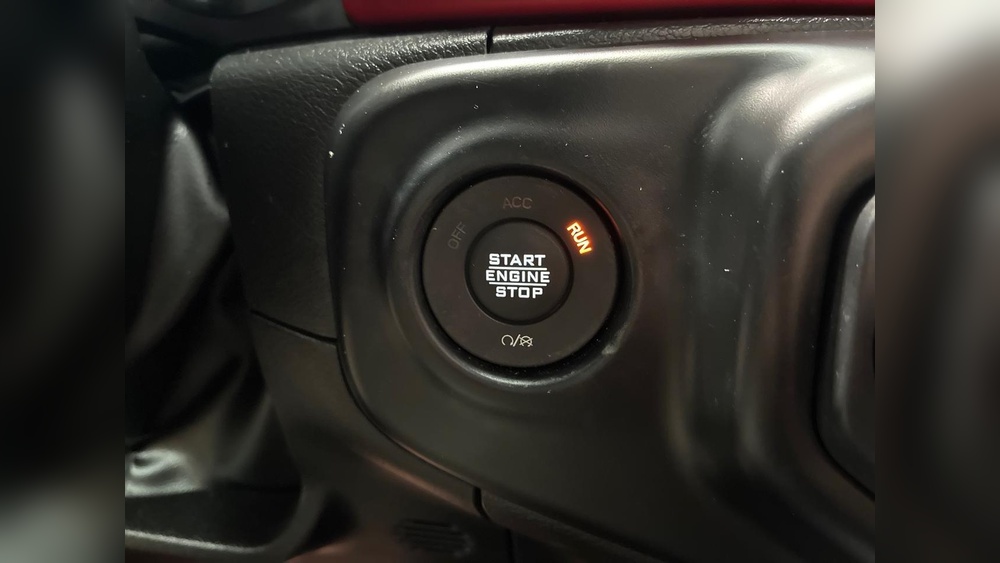
The Jeep Commander is a name that often brings images of rugged terrains and off-road adventures. Many people wonder if the Commander is always in 4×4 mode, ready to tackle any road at any time.
The answer is more detailed than a simple yes or no.
Understanding how the Jeep Commander’s drivetrain works helps drivers use their vehicle more effectively, avoid unnecessary wear, and get the best performance in all conditions.
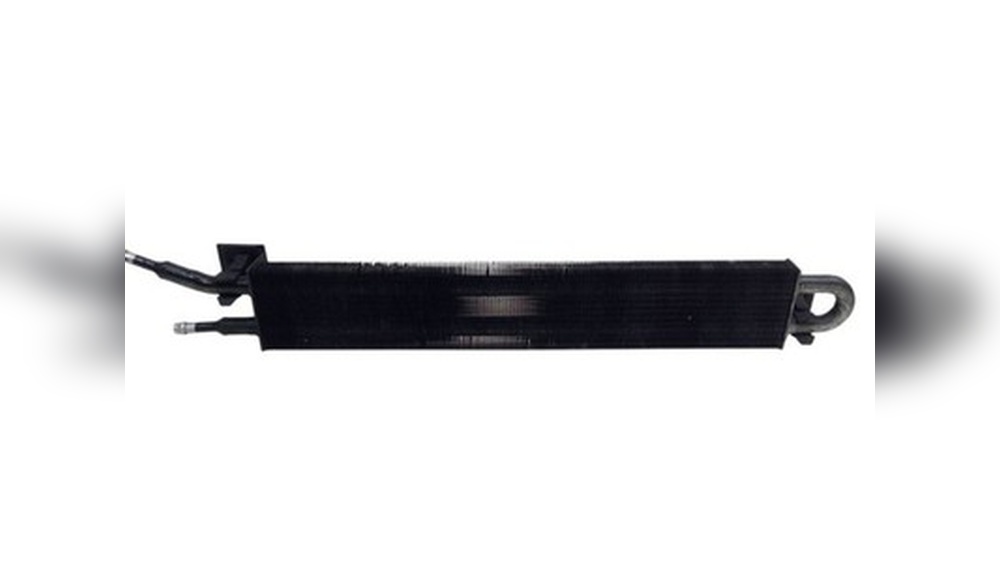
Jeep Commander 4×4 Systems Explained
The Jeep Commander has used several 4×4 systems over its production years, especially in the US market from 2006 to 2010. The most common systems are Quadra-Trac I, Quadra-Trac II, and Quadra-Drive II. Each works differently, which affects whether the Commander is “always” in 4×4.
Quadra-trac I
This system is a full-time 4WD setup. The driver does not need to select 4WD; the system automatically sends power to all four wheels all the time. There is no “2WD” mode. Power is split between the front and rear axles as needed for traction.
Quadra-trac Ii
Quadra-Trac II is also a full-time 4WD system but more advanced. It uses sensors and a two-speed transfer case to shift power. In normal driving, most power goes to the rear wheels, but if the system senses wheel slip, it can send more power to the front instantly. Drivers can also select a low-range gear for tough off-road situations.
Quadra-drive Ii
This is the most advanced option. Quadra-Drive II uses electronic limited-slip differentials to send torque to the wheels with the most grip. It is always in 4WD, adjusting power automatically.
| System | Mode | Driver Control | Low Range |
|---|---|---|---|
| Quadra-Trac I | Full-time 4WD | No | No |
| Quadra-Trac II | Full-time 4WD | Yes (Low Range) | Yes |
| Quadra-Drive II | Full-time 4WD | Yes (Low Range) | Yes |
Is Jeep Commander Always In 4×4?
If your Commander has one of these full-time 4WD systems, then yes, it’s always in some form of 4×4. There is no “2WD” mode to switch to, unlike some older or simpler SUVs. The system automatically manages power flow for you.
However, it’s important to know:
- “Always in 4×4” does not mean the vehicle is locked in the same power split all the time.
- These systems adjust torque as needed for safety and efficiency.
- The vehicle can still be driven on dry pavement without causing damage.
Some early Commanders sold outside the US had part-time 4WD or even 2WD options. Always check your owner’s manual or the shifter labels to be sure about your specific model.
Why Full-time 4×4 Matters
Full-time 4WD systems like those in the Jeep Commander bring several benefits:
- Safety in All Weather: Power automatically shifts to the wheels that need it, giving more control in rain, snow, or mud.
- No Guesswork: Drivers don’t need to stop and change modes when the road changes.
- Less Wear on Parts: Modern systems are designed to avoid the old problems of binding or stress on dry pavement.
But there are a few trade-offs:
- Fuel Economy: Full-time 4WD systems can lower miles per gallon because all four wheels are engaged more often.
- Tire Wear: All tires should be kept at equal tread depth to prevent stress on the drivetrain.
- Maintenance: These systems have more moving parts than simple 2WD, so regular maintenance is important.
Common Misunderstandings
Many new Jeep owners confuse AWD (all-wheel drive) and 4WD (four-wheel drive). While both send power to all wheels, Jeep’s 4×4 systems are built for tough off-road use and can handle severe conditions better.
Another common mistake is using mismatched tires. On a full-time 4×4 like the Commander, this can cause drivetrain issues or warning lights. Always use four tires of the same size and type.
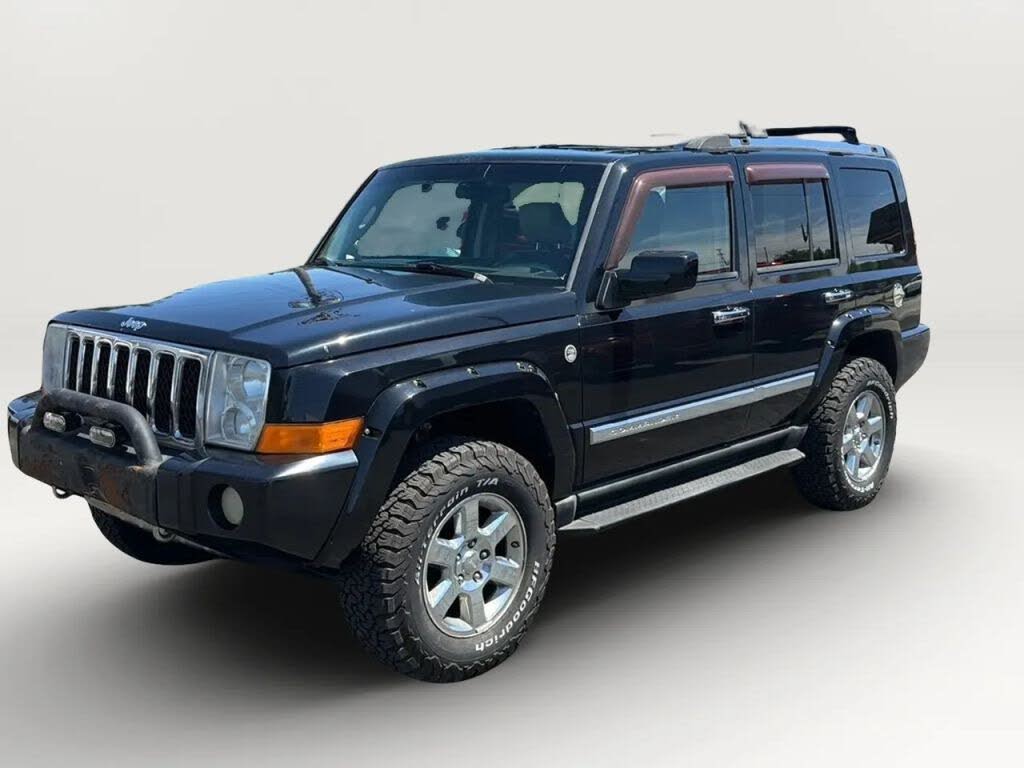
Real-world Example
Imagine driving a 2008 Jeep Commander with Quadra-Trac II. On a dry highway, most power goes to the rear wheels for better fuel economy. Suddenly, you hit a patch of ice. The system senses slip and shifts power to the front wheels in milliseconds.
You stay in control without touching any buttons. This is the true benefit of a full-time 4×4 system.
How Jeep Commander Compares
To see how the Commander’s system stacks up, compare it with other SUVs from the same era.
| Vehicle | 4WD System | Selectable 2WD? |
|---|---|---|
| Jeep Commander | Full-time 4WD (most trims) | No |
| Toyota 4Runner | Part-time 4WD | Yes |
| Ford Explorer (2008) | Full-time AWD | No |
As you can see, the Commander’s full-time system is more similar to the Explorer’s AWD, but with stronger off-road abilities.
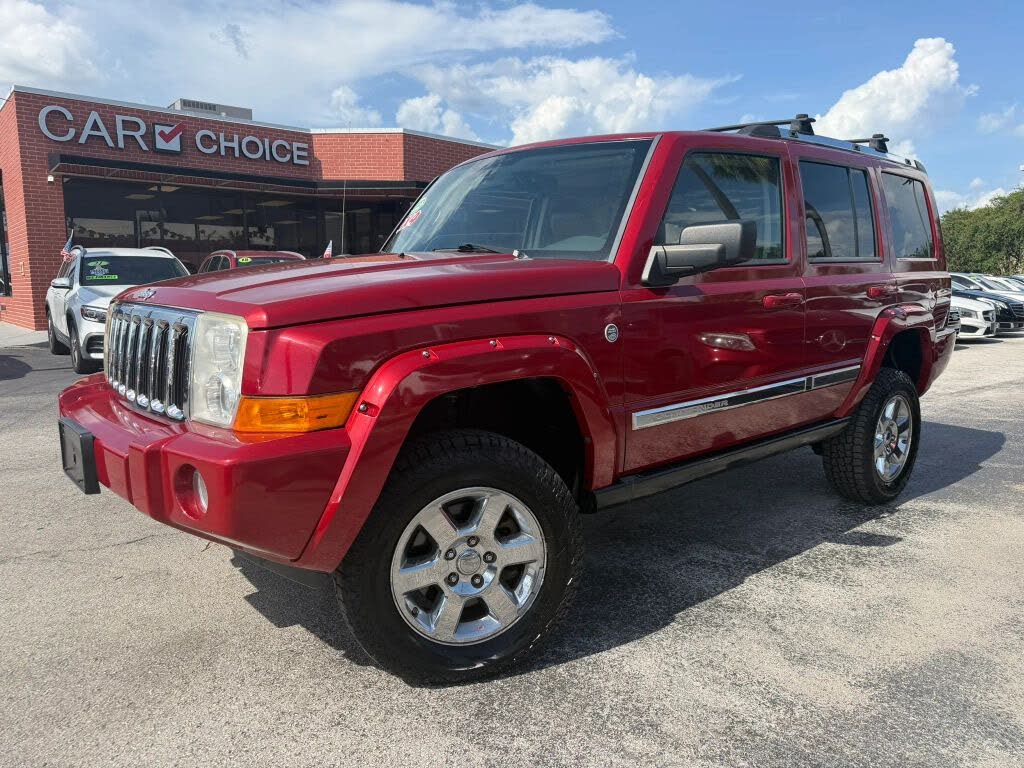
Practical Tips For Jeep Commander Owners
- Check Your System: Look at your shifter or owner’s manual to know which 4×4 system you have.
- Tire Maintenance: Rotate tires every 6,000–8,000 miles and keep all four the same.
- Fluid Service: Change transfer case and differential fluids on schedule.
- Know Low Range: Only use low-range gearing for very rough terrain, not regular roads.
- Don’t Tow with Mismatched Tires: This can damage the 4×4 system.
A surprising fact: Even with full-time 4WD, the Commander can still get stuck if tires are worn or pressure is uneven. Traction depends on tire condition as much as on the 4×4 system.
For more detailed technical info, check the official Jeep Commander Wikipedia page.
Frequently Asked Questions
Is The Jeep Commander Always In 4×4 Mode?
Most US models are always in full-time 4×4. The system manages power automatically. There is no 2WD mode to select.
Can I Switch My Jeep Commander To 2wd?
No, if your Commander has Quadra-Trac I, II, or Quadra-Drive II. Some export versions may have part-time 4WD, but these are rare.
Does Full-time 4×4 Hurt Fuel Economy?
Yes, full-time 4WD usually means lower fuel efficiency compared to 2WD SUVs. You may lose 1–2 mpg, but gain much better traction and safety.
Can I Drive The Commander On Dry Pavement In 4×4?
Absolutely. The system is designed for use on all surfaces, including dry roads. It will not damage the drivetrain.
How Do I Know Which System My Commander Has?
Check the transfer case shifter, look for system badges, or read your owner’s manual. The build sheet (VIN info) also tells you the system.
The Jeep Commander’s full-time 4×4 system offers simplicity and confidence for drivers in all conditions. Understanding how your system works helps you get the most from your vehicle, avoid common mistakes, and keep your Commander running strong for years.