The Jeep Cherokee Trailhawk often appears on lists of top off-road SUVs. It looks bold, promises adventure, and has features that attract outdoor lovers. But when you look for a car, reliability is just as important as excitement. Is the Jeep Cherokee Trailhawk reliable enough for daily use and tough trails? Let’s dig into facts, owner experiences, and expert opinions to help you decide.
What Makes The Trailhawk Special?
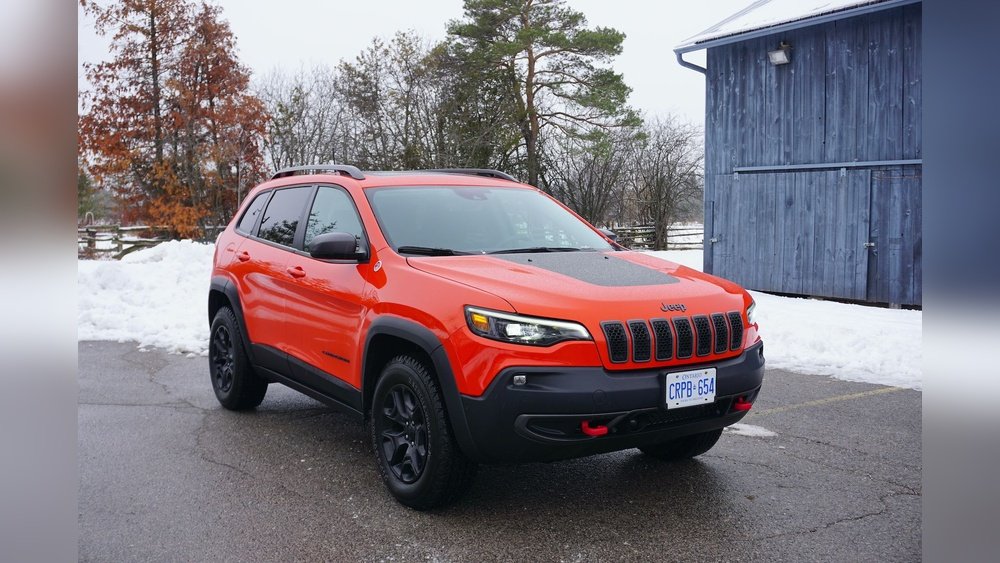
The Trailhawk is not just a trim level. It’s built for serious off-roading. You get Jeep’s Active Drive Lock 4×4 system, a locking rear differential, skid plates, and all-terrain tires. The Trailhawk also sits higher than regular Cherokees for better ground clearance.
Inside, the Trailhawk offers practical comfort. The seats are durable and easy to clean. The infotainment system is straightforward and supports Apple CarPlay and Android Auto. But do these features mean it’s a reliable vehicle for years, or do they just add complexity?
Reliability Ratings And Owner Feedback
Car reliability is more than one person’s story. We need to look at statistics and expert ratings. Here’s how the Trailhawk compares with other compact SUVs:
| Model | 2023 Reliability Score (out of 100) | Predicted Reliability |
|---|---|---|
| Jeep Cherokee Trailhawk | 78 | Average |
| Toyota RAV4 Adventure | 81 | Above Average |
| Subaru Forester Wilderness | 80 | Above Average |
| Ford Bronco Sport | 76 | Average |
According to J.D. Power and Consumer Reports, the Cherokee Trailhawk sits in the middle for reliability. It’s not at the bottom, but it isn’t at the top either.
Many owners report that their Trailhawk handles rough roads well and stays comfortable. However, some mention electrical issues, especially with the infotainment system and sensors. Also, a few owners say repair costs can be higher than expected if something breaks.

Common Reliability Concerns
Let’s look at the main issues owners and mechanics have noticed:
- Transmission problems: Some Trailhawk models (especially 2014–2019) had reports of shifting delays, rough gear changes, or warning lights. Jeep improved the transmission in later models, but early years may need updates or repairs.
- Electronics and infotainment: Touchscreens freezing or backup cameras failing are common complaints. These problems are annoying but not usually dangerous.
- Engine issues: The 3.2L V6 is generally solid, but the 2.4L Tigershark engine (in non-Trailhawk Cherokees) had oil consumption problems. The Trailhawk’s V6 is more reliable.
- Suspension and steering: Some Trailhawks develop rattles or squeaks after heavy off-road use. Regular checks help spot these issues before they grow.
| Problem Area | How Common? | Repair Cost (Approx.) |
|---|---|---|
| Transmission | Moderate (2014–2019) | $1,500–$4,000 |
| Infotainment | Occasional | $300–$1,000 |
| Suspension | Rare | $400–$1,200 |
Non-obvious Insights
Many buyers overlook two important facts:
- The Trailhawk’s off-road features (like locking differentials) can make repairs pricier than base models.
- Regular off-road use can speed up wear on components like bushings, shocks, and tires. Owners who mostly drive on pavement often report fewer problems.
Maintenance And Ownership Costs
Reliability also depends on how much time and money you spend keeping your Trailhawk running. Here’s a quick comparison of annual maintenance costs:
| Model | Average Yearly Maintenance Cost |
|---|---|
| Jeep Cherokee Trailhawk | $520 |
| Toyota RAV4 Adventure | $400 |
| Subaru Forester Wilderness | $470 |
The Trailhawk’s costs are a bit higher, but not extreme. Skipping oil changes or ignoring warning lights increases problems, so regular maintenance is key.

Real-world Reliability: What Owners Say
Reviews from real owners often tell more than numbers. Many Trailhawk drivers praise its confidence in snow, mud, and steep hills. They feel safe and in control.
However, some owners warn about long waits for parts and repairs. This happens more often in smaller towns or regions with fewer Jeep dealerships. It’s wise to check local service options before buying.
A few owners also point out that fuel economy is lower than rivals—especially if you use off-road modes often. But for people who want true off-road skill, this is a tradeoff they accept.
When Is The Trailhawk A Good Choice?
The Jeep Cherokee Trailhawk is a solid option if you:
- Want a mix of daily driving and real off-road ability
- Value features like hill descent control and skid plates
- Are ready for average reliability and slightly higher maintenance
It’s not the best fit if you:
- Need the most reliable, worry-free SUV
- Plan to keep costs as low as possible
- Rarely leave paved roads
One practical tip: If you choose a used Trailhawk, look for models from 2020 or newer. These have fewer transmission complaints and improved electronics.

Frequently Asked Questions
Is The Jeep Cherokee Trailhawk Good For Long-term Ownership?
The Trailhawk can last over 150,000 miles with proper maintenance. However, owners should expect occasional repairs, especially as the vehicle ages. Paying attention to service schedules helps avoid bigger problems.
How Does The Trailhawk’s Reliability Compare To Other Jeeps?
The Trailhawk is more reliable than the Jeep Renegade or Compass, but not as strong as the Grand Cherokee. It sits in the middle of Jeep’s lineup for dependability.
Are Repairs For The Trailhawk Expensive?
Some repairs, like transmission or 4×4 components, can cost more due to the Trailhawk’s off-road features. Basic maintenance (oil, brakes, filters) is similar to other compact SUVs. Always budget for unexpected repairs.
Does Off-roading Make The Trailhawk Less Reliable?
Frequent off-roading can increase wear on suspension and drivetrain parts. Light off-roading usually causes no major issues if you do regular checks and maintenance.
Where Can I Find More Reliability Data On The Trailhawk?
You can find detailed reliability ratings and owner reviews on sites like Consumer Reports for more information.
The Jeep Cherokee Trailhawk is reliable enough for many owners, especially those who want to explore beyond the pavement. It’s not perfect, but with regular care, it’s a strong partner for both adventure and daily life.