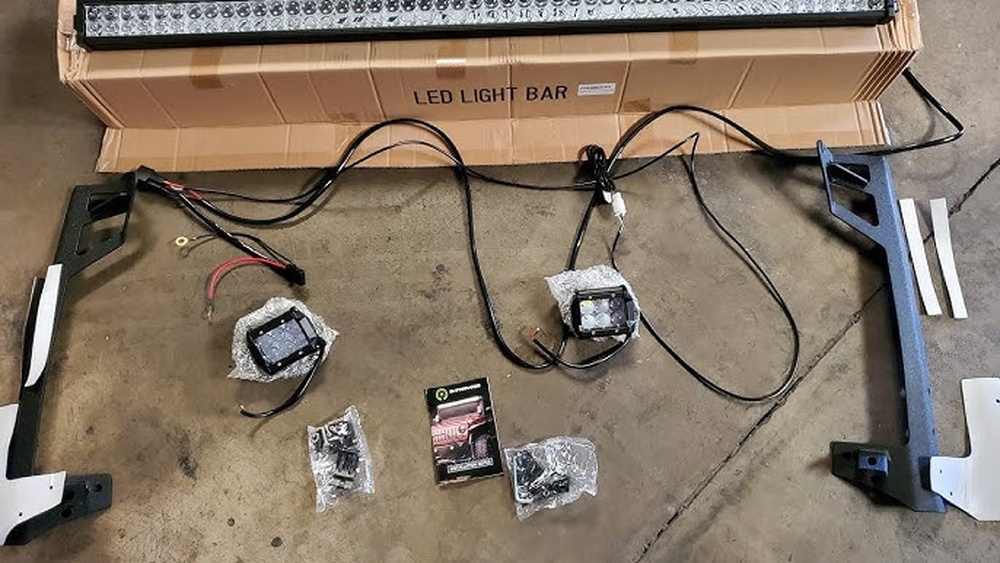
Buying a car is a big decision, and the Jeep Wrangler stands out as a unique choice. It’s a symbol of adventure, freedom, and rugged style. But is getting a Jeep Wrangler really worth it for you? Let’s take a closer look at the strengths, weaknesses, and real costs of owning this popular SUV.
What Makes The Jeep Wrangler Special?
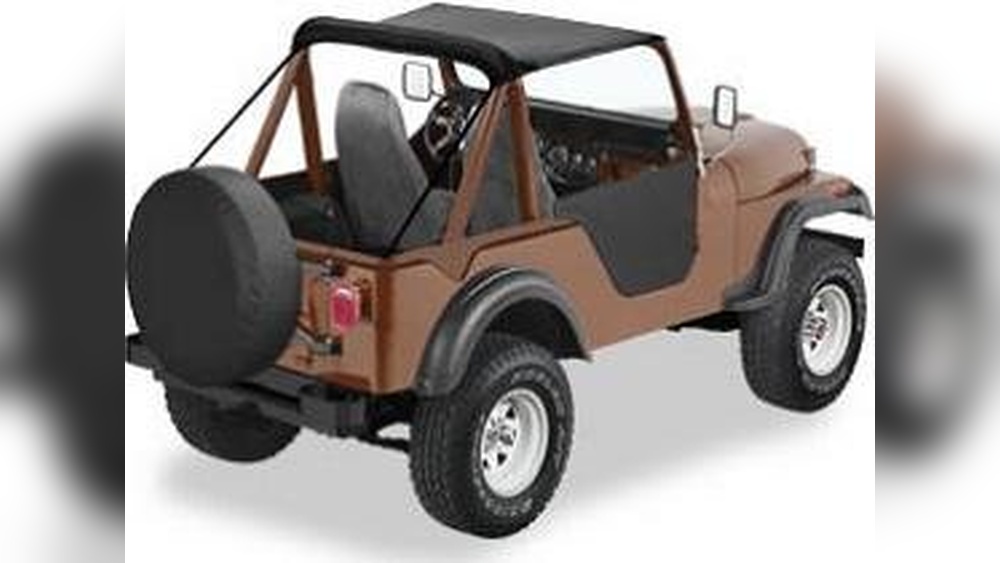
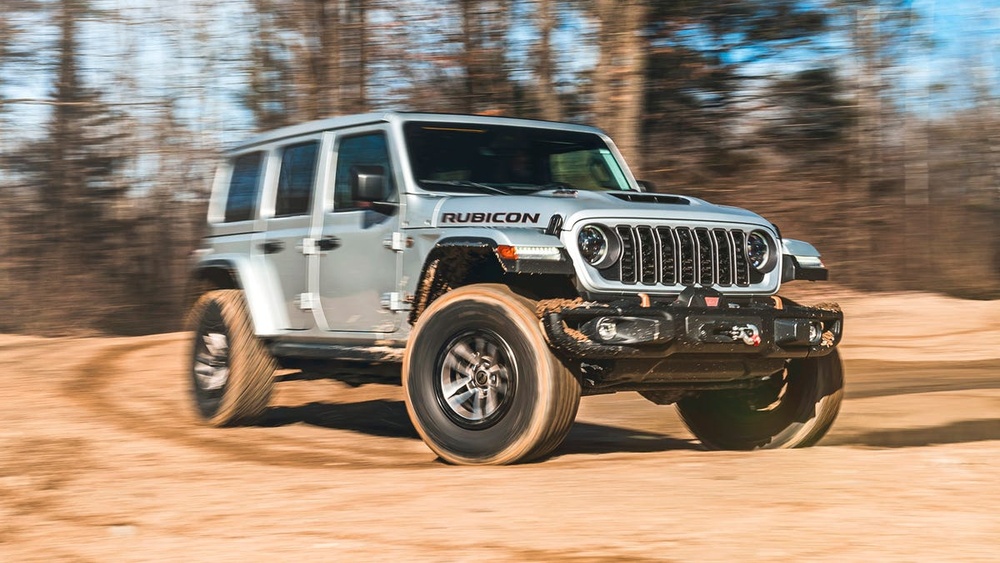
The Jeep Wrangler has built a reputation as an off-road legend. Its design goes back to World War II army vehicles, and it has stayed true to its roots. People love its boxy shape, high ground clearance, and ability to handle rough terrain. With removable doors and roof, you can feel the wind and sunshine in ways few vehicles allow.
Many Jeep fans talk about the Jeep wave—a friendly gesture shared between Wrangler drivers. There’s a sense of community and belonging that comes with owning one.
Pros Of Owning A Jeep Wrangler
Why do people choose a Wrangler? Here are the main advantages:
1. Exceptional Off-road Ability
The Wrangler shines where roads end. It comes with four-wheel drive, solid axles, and strong suspension. You can cross rocky trails, mud, sand, or snow with confidence.
2. Customizable Design
Few vehicles offer as many aftermarket options. From lift kits to custom bumpers and colorful lights, you can build your Wrangler to fit your personality.
3. Open-air Experience
No other SUV lets you remove the roof and doors so easily. This makes summer drives and beach trips more exciting.
4. Strong Resale Value
Wranglers often hold their value better than other SUVs. According to Kelley Blue Book, the Wrangler was one of the top vehicles for resale in 2023.
5. Community And Culture
Jeep events, clubs, and online forums are everywhere. You’ll find support, tips, and new friends.

Cons To Consider
Wranglers aren’t perfect for everyone. Here are the main drawbacks:
1. Ride Comfort
The Wrangler’s suspension is made for off-roading, not smooth city streets. It can feel bumpy and noisy on highways.
2. Fuel Efficiency
Most Wranglers get only 17-22 miles per gallon. This is less than many other SUVs, so fuel costs can add up.
3. Interior Space And Features
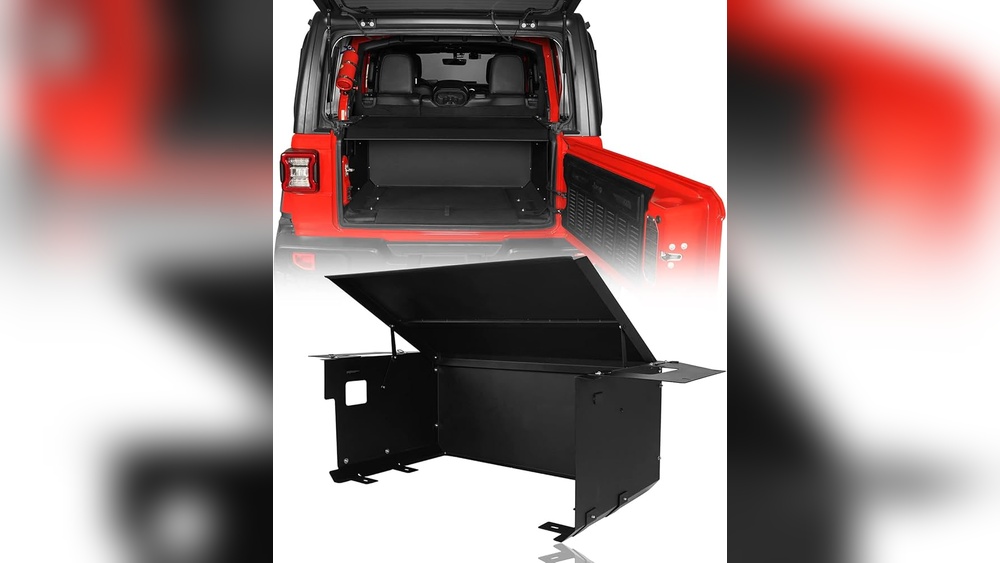
Older models feel basic inside. Even new Wranglers don’t have as much cargo room or tech as some rivals.
4. Wind And Road Noise
The boxy shape creates more noise at higher speeds, especially with a soft top.
5. Higher Maintenance Costs
Off-roading can lead to wear and tear. Repairs and upgrades may cost more than with a standard car.
Comparing The Jeep Wrangler To Other Suvs
How does the Wrangler stack up against its closest competitors? Here’s a quick look:
| Model | Starting Price | MPG (City/Hwy) | Off-Road Rating | Resale Value (5 yrs) |
|---|---|---|---|---|
| Jeep Wrangler | $32,990 | 17/25 | 10/10 | High |
| Ford Bronco | $34,890 | 20/22 | 9/10 | Medium |
| Toyota 4Runner | $40,155 | 16/19 | 8/10 | Medium |
| Subaru Outback | $28,895 | 26/33 | 6/10 | Medium |
Key insight: The Wrangler leads in off-road ability and resale value, but falls behind in fuel economy and comfort.

Real-world Costs Of Ownership
Buying the vehicle is only part of the story. Let’s break down some typical Wrangler ownership costs:
| Expense | Annual Cost (Estimate) | Notes |
|---|---|---|
| Fuel | $2,200 | Based on 15,000 miles/year |
| Insurance | $1,300 | Varies by driver and location |
| Maintenance/Repairs | $650 | Higher if used off-road |
| Depreciation | $1,400 | Holds value well |
Important tip: Using your Wrangler for regular off-roading can increase maintenance costs. Many owners set aside extra savings for repairs.
Who Should (and Shouldn’t) Buy A Jeep Wrangler?
A Wrangler is a great fit if:
- You love outdoor adventures and off-roading
- You want a vehicle with a strong community
- You don’t mind a firmer ride or extra noise
- You plan to keep your car for many years
It may not be right if:
- You need a quiet, smooth daily driver
- You care about top fuel economy
- You have a large family or need lots of cargo space
Non-obvious insight: Many first-time buyers are surprised by how much modifications and accessories add to total costs. Upgrading tires, lights, or suspension can quickly add thousands of dollars. Also, check your local climate—a soft top is less practical in cold or rainy regions.
Tips Before You Buy
1. Test Drive On Different Roads
Take the Wrangler on both highways and rough roads. Notice the comfort and noise level.
2. Research Trim Levels
The base Sport model is basic. The Rubicon and Sahara offer more features, but cost more.
3. Consider Hardtop Vs. Soft Top
Hardtops are quieter and more secure, but harder to remove. Soft tops are easier for open-air driving but allow more noise.
4. Check Insurance Rates
Wranglers are sometimes more expensive to insure due to theft rates and repair costs.
5. Look At Used Models
A well-kept used Wrangler can offer much of the same value at a lower price.
Frequently Asked Questions
What Is The Jeep Wave?
The Jeep wave is a tradition where Jeep drivers wave to each other on the road. It’s a sign of respect and community among owners.
Is The Wrangler A Good Daily Driver?
The Wrangler can be a daily driver, but the ride is firmer and noisier than most SUVs. It’s best for people who value style and off-road ability over comfort.
How Reliable Is The Jeep Wrangler?
Recent Wranglers are more reliable than older models, but they may need more repairs if used heavily off-road. Regular maintenance is important.
Are Jeep Wranglers Expensive To Maintain?
Maintenance costs are higher than average, especially with off-road use. Parts and labor for upgrades or repairs can add up quickly.
Where Can I Learn More About Off-roading With A Wrangler?
A great place to start is the official Jeep Wrangler website, which has tips, guides, and links to Jeep clubs.
The Jeep Wrangler is not for everyone, but for the right person, it’s more than just a vehicle—it’s a lifestyle. If you value adventure, community, and customization, it could be well worth the investment. If comfort and efficiency matter most, you might want to look elsewhere. Choose wisely, and enjoy the ride.