Driving a Jeep Wrangler feels adventurous, but some drivers wonder if this popular SUV weighs more than 6000 pounds. This question matters for tax deductions, towing, and even garage space.
Understanding the real weight of the Jeep Wrangler can help you make smarter decisions, whether you’re buying, leasing, or planning upgrades. Many buyers want to be sure that their chosen vehicle meets their personal or business needs, and weight is more important than most people realize.
Jeep Wrangler Weight: What You Need To Know
The Jeep Wrangler is famous for its rugged build, off-road abilities, and customizable options. But its weight depends on the model, trim, and features. Most Wranglers fall far below the 6000 lbs mark, but let’s look at the details. If you are new to Jeeps, you might be surprised at how much difference there is between models, and how changes like adding four doors or choosing a different engine can affect the overall weight. It’s easy to assume that a tough-looking SUV is heavy, but with the Wrangler, that’s not always the case.
Common Jeep Wrangler Models And Their Weight
Here are the main Wrangler models and their typical curb weights:
- Jeep Wrangler Sport (2-door): Around 3,970 lbs
- Jeep Wrangler Sahara (4-door): Around 4,439 lbs
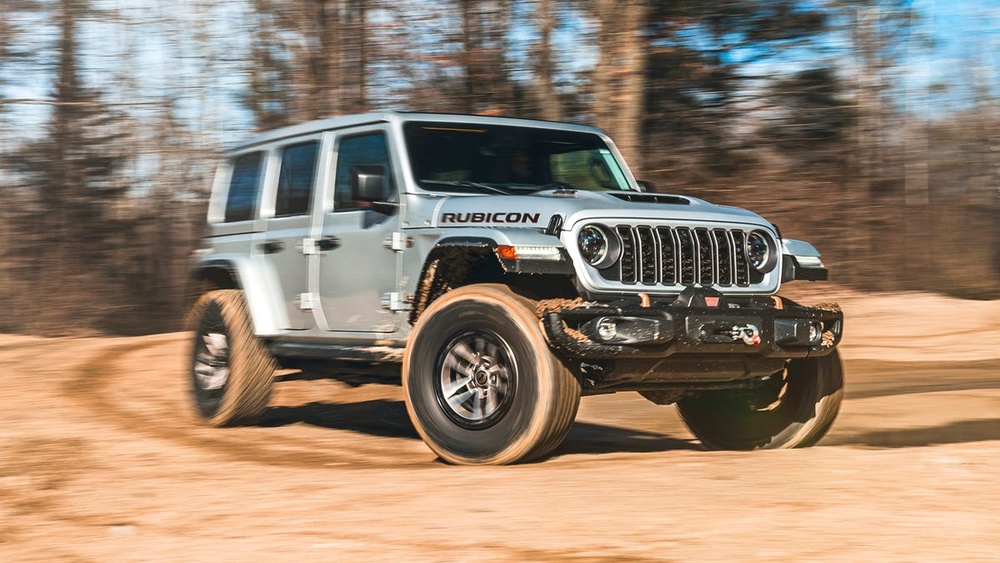
- Jeep Wrangler Rubicon (4-door): Around 4,439 lbs
- Jeep Wrangler Unlimited (4-door): Around 4,500 lbs
These weights are for standard models without heavy upgrades. Even the largest, the Wrangler Unlimited, stays under 5,000 lbs. It’s worth noting that certain limited editions or special packages might add a bit more, but not enough to break the 6000 lbs barrier. Some buyers mistakenly believe that adding factory features—like hard tops, bigger wheels, or special sound systems—will make the Wrangler much heavier. In truth, these extras only increase weight slightly.
Why Weight Matters
If you need your vehicle to weigh over 6000 lbs for business tax deductions (like Section 179), the Wrangler’s weight is usually too low. It’s important to check the curb weight, which means the vehicle with all fluids, but no passengers or cargo. Curb weight is the most realistic number for understanding what the vehicle actually weighs on the road, before you add people or gear. For example, if you plan to use your vehicle for work and hope to take a tax deduction, the Wrangler’s lighter weight could affect your eligibility. Many people overlook this detail until tax season arrives.
Comparison With Other Suvs
The Wrangler is lighter than many full-size SUVs. Here’s a quick comparison:
| Model | Curb Weight (lbs) |
|---|---|
| Jeep Wrangler Unlimited | 4,500 |
| Chevrolet Suburban | 5,800 |
| Ford Expedition | 5,600 |
| Toyota Land Cruiser | 5,800 |
You can see that the Wrangler is much lighter than bigger SUVs. If you need a vehicle above 6000 lbs, you might consider models like the Suburban or Land Cruiser. Larger SUVs are designed for heavier loads, which is why their curb weights are much higher. The Wrangler’s lighter build makes it easier to maneuver off-road, and it’s less likely to get stuck in deep mud or snow compared to the heavier models. Some families also find that parking and city driving are easier with a lighter SUV.
Factors That Affect Jeep Wrangler Weight
Several factors influence the weight of a Wrangler:
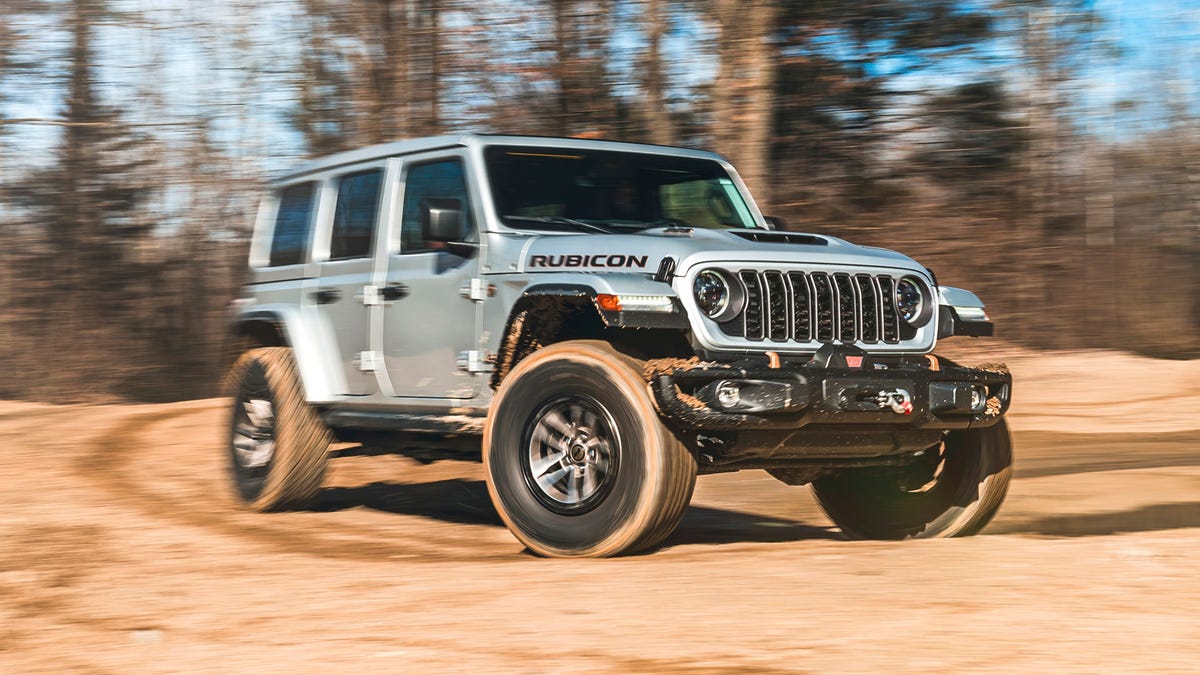
- Trim Level: Higher trims like Rubicon are heavier due to more features.
- Doors: Four-door models weigh more than two-door models.
- Engine Type: Diesel and hybrid engines can add weight.
- Aftermarket Upgrades: Large tires, winches, or steel bumpers increase weight but rarely push the Wrangler above 6000 lbs.
Extra details to consider: some owners add rooftop tents, extra storage racks, or even water tanks for camping. While these can add several hundred pounds, they still won’t push a Wrangler past the 6000 lbs line. For people who regularly carry lots of gear, it’s smart to add up all aftermarket parts and cargo to understand the true total weight.
Example: Upgrading A Wrangler
Let’s say you add steel bumpers (150 lbs), a winch (100 lbs), and large tires (100 lbs). Total added weight: 350 lbs. Even with these, a Wrangler Unlimited would reach about 4,850 lbs—still well below 6000 lbs. If you go further and add a roof rack and rooftop tent (another 200 lbs), you get closer to 5,000 lbs, but there’s still a big gap. You’d have to make extreme changes, like heavy armor or carrying unusually heavy loads all the time, to approach the 6000 lbs mark.
Jeep Wrangler Weight Ratings
Jeep Wranglers have different ratings:
| Model | GVWR (lbs) | Curb Weight (lbs) |
|---|---|---|
| Wrangler Sport 2-door | 5,000 | 3,970 |
| Wrangler Unlimited 4-door | 5,500 | 4,500 |
| Wrangler Rubicon 4-door | 5,600 | 4,439 |
GVWR (Gross Vehicle Weight Rating) is the maximum safe weight including passengers and cargo. Even the GVWR for Wranglers is below 6000 lbs. If you fill the Wrangler with people and gear, you need to stay below the GVWR to be safe and legal. Some users overlook GVWR and only think about curb weight, but both numbers matter for safety and vehicle performance.
Common Misconceptions
Some believe that heavy upgrades or loaded Wranglers can cross 6000 lbs. In reality, even with significant modifications, most Wranglers stay well under that limit. This is a key insight for anyone thinking about using the Wrangler for tax purposes or heavy-duty tasks.
Another non-obvious tip: The weight listed in brochures is usually the curb weight—not the total loaded weight. Always check the exact model and configuration before making decisions. Even between the same model years, different trims or added features can change the weight. It’s always best to check the sticker on your specific Jeep or ask the dealership for the precise numbers.
What If You Really Need Over 6000 Lbs?
If your business or tax needs require a vehicle above 6000 lbs, look for full-size SUVs or pickup trucks. Some examples:
- Ford F-250
- Chevrolet Tahoe
- Toyota Sequoia
These vehicles are designed to carry more, and their curb weights usually meet the 6000 lbs requirement. They also offer more cargo space and higher towing capacities. For example, a Ford F-250 can tow heavy trailers and handle large work loads, which makes it a better fit for contractors or businesses with heavy equipment.
Remember, heavier vehicles often use more fuel and can be harder to park in tight spaces.
Jeep Wrangler In Real Life
Most owners use the Wrangler for daily driving, off-roading, or adventure trips. The lighter weight is actually a benefit—it means better fuel economy and easier handling. If you’re worried about garage space or towing, the Wrangler’s lower weight makes things simpler.
Some people also find that lighter vehicles are easier to recover if you get stuck on a trail. Plus, lower weight puts less strain on the suspension and brakes, which can mean fewer repairs over time. If you need official data, you can find Jeep’s weight specifications at the Jeep Official Site. It’s always smart to check your owner’s manual or contact a dealer for the most accurate numbers for your exact vehicle.
Frequently Asked Questions
Is Any Jeep Wrangler Model Over 6000 Lbs?
No, standard Jeep Wrangler models are all under 6000 lbs. Even with heavy upgrades, most stay below this mark. Custom builds for special purposes might exceed it, but these are very rare and not typical for daily drivers.
Does The Jeep Wrangler’s Gvwr Ever Exceed 6000 Lbs?
No. The highest GVWR for Wranglers is around 5,600 lbs. This includes passengers and cargo, not just the vehicle. This means you should never load your Wrangler with enough weight to go over this limit, for safety and legal reasons.
Can Modifications Push A Wrangler Above 6000 Lbs?
Most modifications, even heavy ones, will not increase a Wrangler’s curb weight above 6000 lbs. Only extreme custom builds might get close, but these are rare. Typical upgrades like larger tires, steel bumpers, or camping gear just don’t add enough weight.
Why Do People Ask About The 6000 Lbs Weight?
Many business owners ask because IRS tax rules allow deductions for vehicles above 6000 lbs. Wranglers do not qualify. If you want to maximize your tax benefits, you’ll need to consider a heavier SUV or pickup.
Is A Jeep Wrangler Too Light For Heavy Towing?
Wranglers are lighter than many trucks, so their towing capacity is lower. For heavy towing, consider larger SUVs or pickup trucks. The Wrangler is best for lighter trailers, boats, or small campers.
The Jeep Wrangler is a strong, fun SUV, but it’s not as heavy as some might think. Its weight keeps it agile and efficient, even with upgrades. If you need a vehicle above 6000 lbs, the Wrangler is not the answer, but it remains a top choice for off-road adventures and daily driving.
Always check official specs before buying, and remember—lighter can be better for many drivers. When in doubt, ask a professional or check Jeep’s official resources for the latest information.