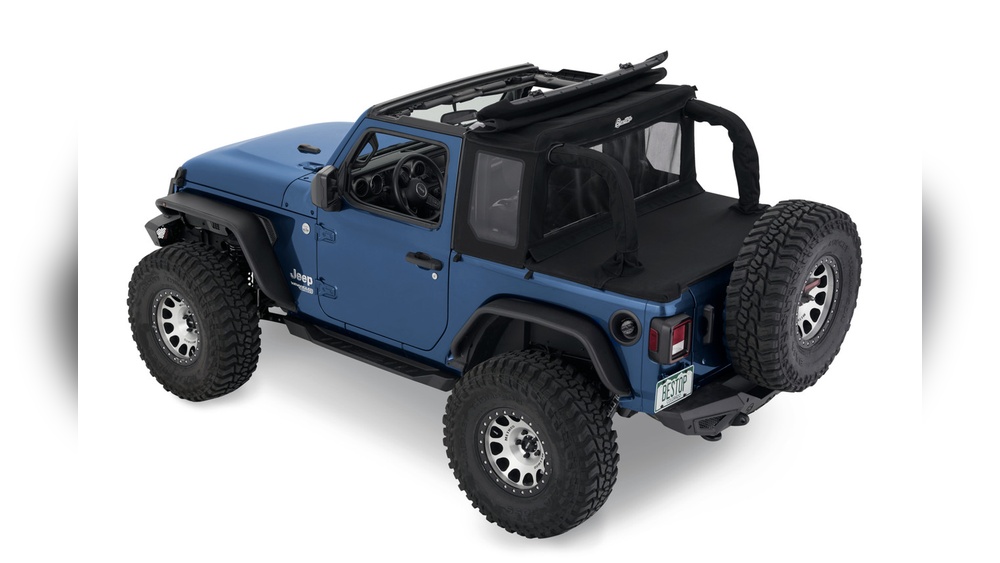
The 2007 Jeep Wrangler is a legend among off-road enthusiasts, but reliability is a big question for many buyers. With its rugged look and promise of adventure, it attracts drivers who want more than just a regular SUV. However, owning a used Wrangler, especially from 2007, can be a different experience than driving a modern family car.
If you’re thinking about buying one, understanding its strengths and weaknesses is key to making a smart decision.
2007 Jeep Wrangler At A Glance
The 2007 model year was a milestone. Jeep introduced the JK generation, which brought bigger size, new features, and a fresh design. The Wrangler kept its famous removable doors and roof, but now offered more comfort and space. It came with a 3.8-liter V6 engine, replacing the older inline-six. Buyers could choose between 2-door and 4-door (Unlimited) models.
Key Specs
- Engine: 3.8L V6, 202 hp, 237 lb-ft torque
- Transmission: 6-speed manual or 4-speed automatic
- Drivetrain: Standard 4WD
- MPG: 15 city / 19 highway (EPA estimate)
Common Reliability Issues
No vehicle is perfect, and the 2007 Wrangler is known for some problems. Here are the main ones to consider:
1. Engine Concerns
The 3. 8L V6 is not the most powerful or efficient. It’s also known for using oil, especially as it ages. Some owners report having to add oil between changes.
2. Transmission Problems
Both manual and automatic gearboxes can develop issues. The automatic is sometimes slow to shift or can fail early. Manual owners report clutch problems, especially if the Jeep is used heavily off-road.
3. Electrical Gremlins
Some Wranglers have trouble with electrical systems. Common complaints include faulty sensors, dashboard warning lights, and problems with the Totally Integrated Power Module (TIPM). This can lead to trouble starting or random accessory failures.
4. Leaks And Rust
Water leaks are common, especially around the removable top and doors. Over time, this moisture can cause rust, especially on the frame and underbody.
5. Suspension And Steering
The “death wobble”—a violent shaking of the steering wheel at certain speeds—is a known issue. This is often caused by worn front suspension parts or steering components.
Highs And Lows: Owner Experiences
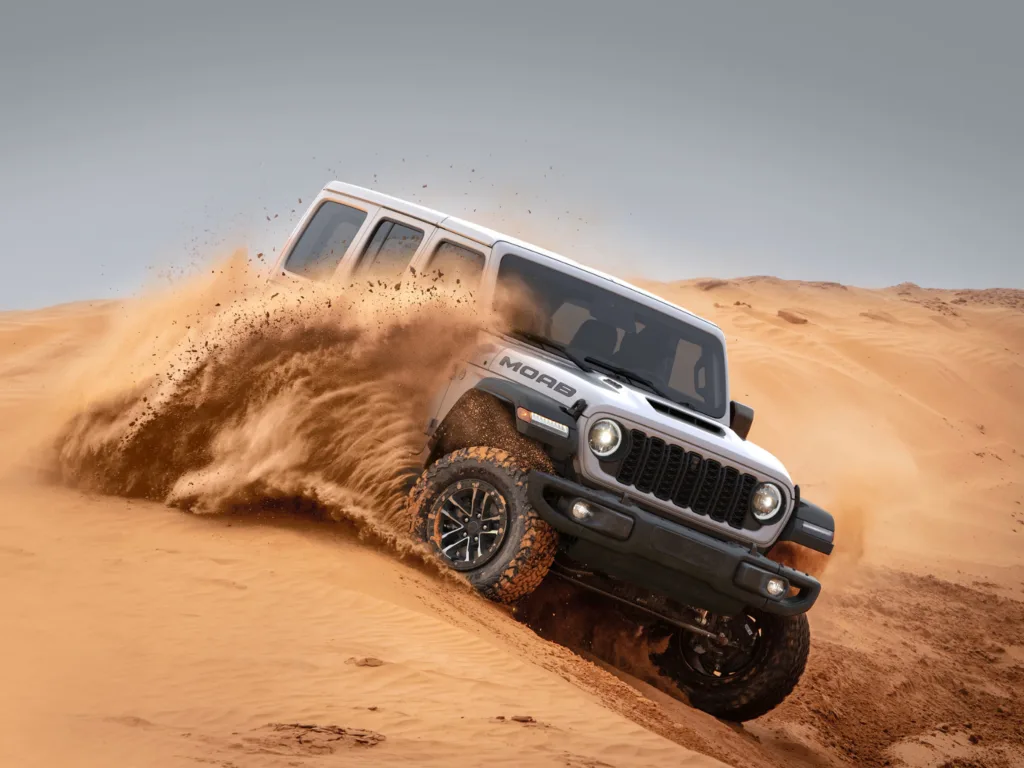
Many Jeep fans love their Wranglers despite the problems. The strong resale value and the feeling of driving a “real” off-roader are big pluses. Here are some insights from real owners:
- Off-road ability is unmatched for the price.
- Customization options are endless.
- Some owners reach over 200,000 miles with good maintenance.
- Others report expensive repairs as early as 80,000 miles.
Real-world Data
In a recent survey by J.D. Power, the 2007 Wrangler scored below average for dependability, especially in body and interior quality. RepairPal gives it a reliability rating of 3 out of 5. Annual repair costs average around $700, higher than many compact SUVs.
How The 2007 Wrangler Compares
It helps to see how the 2007 Wrangler stacks up against similar vehicles in reliability and ownership costs.
| Model | Annual Repair Cost | Reliability (out of 5) | Common Issues |
|---|---|---|---|
| Jeep Wrangler 2007 | $700 | 3.0 | Oil usage, leaks, electrical |
| Toyota FJ Cruiser 2007 | $510 | 4.0 | Rust, suspension |
| Nissan Xterra 2007 | $470 | 3.5 | Radiator failure, timing chain |
Cost Of Ownership
Buying any used vehicle means planning for repairs. The 2007 Wrangler is no exception. Here’s a look at some typical repair costs:
| Component | Average Cost |
|---|---|
| Engine Oil Leak Repair | $350–$600 |
| Clutch Replacement | $1,100–$1,500 |
| TIPM Replacement | $800–$1,200 |
| Front Suspension Repair | $400–$900 |
Two Non-obvious Insights
First, many buyers overlook the importance of previous owner habits. A Wrangler that has spent its life off-road or in salty climates will likely have more issues than one used gently. Always check for service records and signs of heavy use.
Second, the aftermarket support for Wranglers is huge. While this makes repairs and upgrades easier, it also means some vehicles have been modified in ways that hurt reliability. Ask about any changes to suspension, drivetrain, or electronics before buying.

Tips For Buying A 2007 Wrangler
1. Inspect For Rust
Check under the vehicle, around the frame, and in the trunk area. Rust can mean costly repairs.
2. Test All Electrical Functions
Try every switch, light, and accessory. Faulty electronics can be tricky to fix.
3. Look For Oil Leaks
Check the engine and ground under the car. Even small leaks can get worse.
4. Drive At Highway Speeds
Listen for shakes or steering wobble. These can signal suspension problems.
5. Review The Maintenance History
A well-documented service record is a good sign.
Is The 2007 Jeep Wrangler Reliable For Daily Use?
If you need a vehicle for daily city driving, the 2007 Wrangler may not be the best fit. Its ride is rough, handling is loose, and fuel economy is below average. However, for weekend adventures or as a second car, it’s hard to beat.
Reliability is fair—better than some expect, worse than many hope.

Should You Buy A 2007 Wrangler?
Buyers who value fun, off-road ability, and style often forgive the Wrangler’s flaws. If reliability and low costs are your top priorities, consider other options. If you love the Jeep experience, do your homework, get a good inspection, and budget for repairs.
For more details on the 2007 Jeep Wrangler, you can visit the official Jeep website.
Frequently Asked Questions
What Are The Most Common Problems With The 2007 Jeep Wrangler?
The top issues are engine oil leaks, electrical faults (TIPM), water leaks, and steering “death wobble.” Regular inspections can help catch these early.
How Many Miles Can A 2007 Jeep Wrangler Last?
With good maintenance, many Wranglers reach 150,000–200,000 miles or more. Heavy off-road use or poor care can lower this lifespan.
Is The 2007 Wrangler Expensive To Repair?
Repair costs are higher than average, especially for engine, clutch, and electrical issues. Budget at least $700 per year for upkeep.
Does The 2007 Wrangler Have Safety Concerns?
Crash ratings are lower than most SUVs. Side airbags were not standard. Stability control helps, but rollover risk is higher due to the tall design.
Is The 2007 Jeep Wrangler A Good First Car?
It’s not ideal for new drivers. The ride is rough, handling can be tricky, and safety features are basic compared to newer vehicles.