Buying an older car is a big decision, especially when you’re looking at something like a 1998 Jeep Wrangler. These vehicles are popular for their rugged looks, off-road abilities, and fun driving experience. But many people ask: Is a 1998 Jeep Wrangler reliable? Let’s look deeper at what you can expect, what owners say, and what matters most before you buy one.
What Makes The 1998 Jeep Wrangler Unique
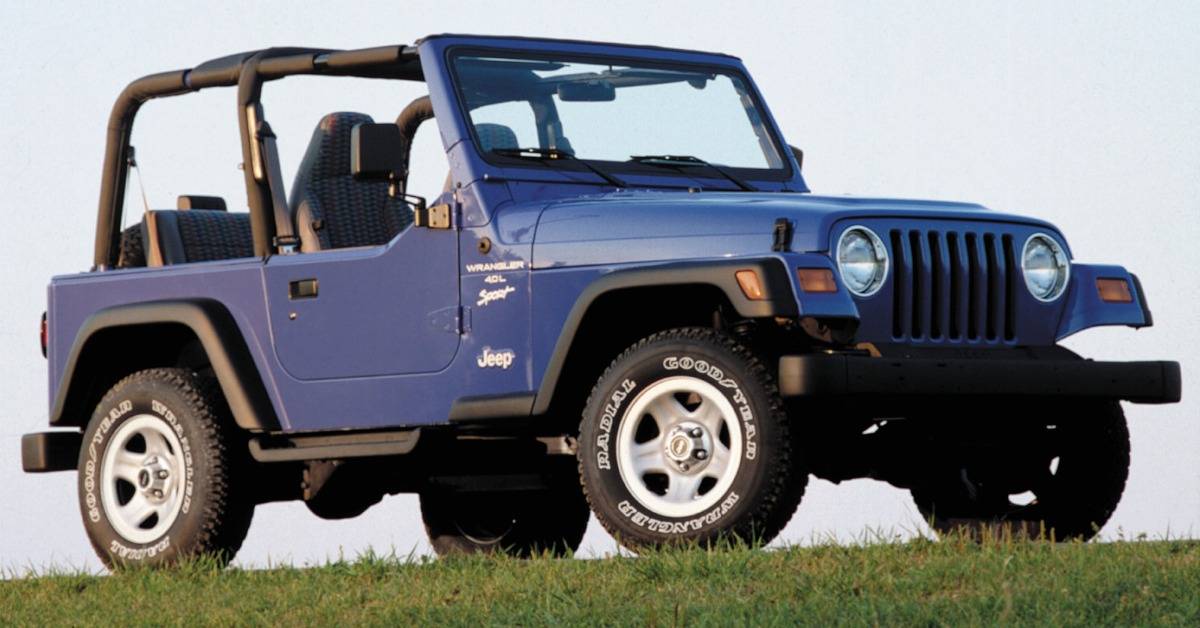
The 1998 Jeep Wrangler (TJ) introduced coil spring suspension, which improved ride comfort compared to older models. Its classic round headlights and removable roof made it stand out. Under the hood, you’d find either a 2.5L 4-cylinder or a 4.0L 6-cylinder engine. Most buyers prefer the 4.0L version for its power and durability.
The Wrangler’s design focuses on simplicity. There are fewer electronics, which means fewer things that can break. It’s easy to fix, and parts are still widely available.
Reliability: How Does It Hold Up?
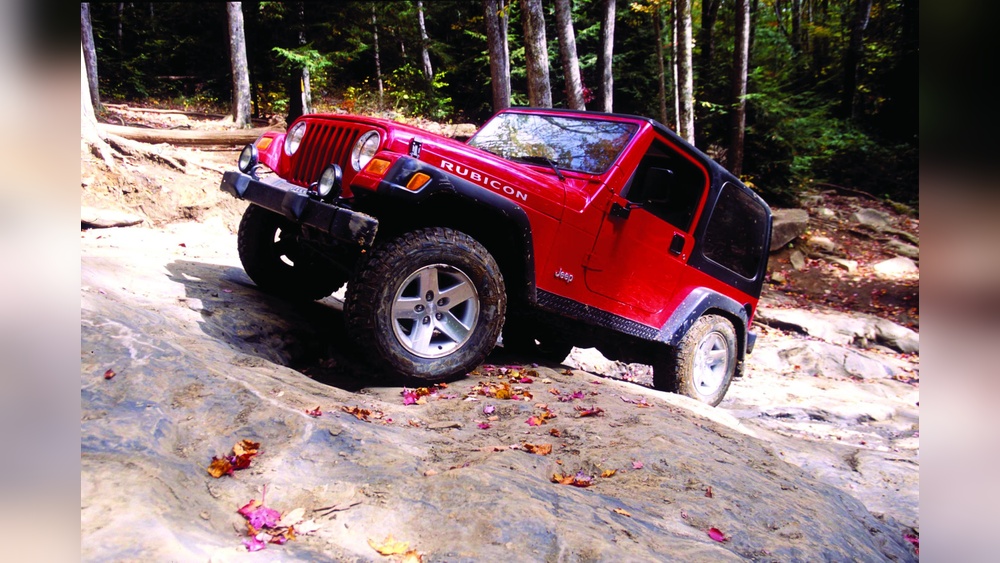
Wrangler owners often praise the 4.0L engine for lasting over 200,000 miles with regular maintenance. The manual transmission is also known for being tough and dependable. However, the Wrangler is not perfect. Some areas need more care:
- Rust: The frame and floorboards can rust, especially if the Jeep was used in snowy areas.
- Suspension: Bushings and joints wear out over time, leading to rough rides.
- Electrical: The Wrangler’s simple wiring is a plus, but old connectors may corrode.
Most reliability issues happen because of age, not bad design. A well-maintained 1998 model can be surprisingly reliable, but neglected Jeeps can be trouble.
Common Problems And Costs
Here are some typical issues you might face:
- Rust repairs: $500–$2,000 depending on severity.
- Suspension parts: $150–$600 for replacement.
- Engine sensors: $50–$200 each.
- Soft top replacement: $300–$800.
These costs are average; some owners fix problems themselves and save money.
Real Owner Experiences
Many Wrangler fans enjoy their 1998 models for years. One owner in Michigan drove his Jeep through harsh winters, only needing minor repairs. Another in California used hers for off-road trips and daily driving, reaching 230,000 miles before major engine work.
A non-obvious insight: Wranglers used mainly off-road wear out faster, but street-driven ones age better. Also, Jeeps with regular oil changes and rust protection last much longer than neglected ones.
Comparing The 1998 Jeep Wrangler To Other Used Suvs
Let’s see how the Wrangler stacks up against other vehicles from the same era.
| Vehicle | Average Reliability Score | Common Problems | Cost to Own (10 yrs) |
|---|---|---|---|
| 1998 Jeep Wrangler | 7/10 | Rust, Suspension | $8,000 |
| 1998 Toyota 4Runner | 9/10 | Frame Rust | $7,500 |
| 1998 Ford Explorer | 6/10 | Transmission | $10,000 |
The Wrangler’s reliability is good, but not the best. Still, its simple design and community support make maintenance easier.

Maintenance Tips For Better Reliability
To get the most from a 1998 Jeep Wrangler, follow these simple steps:
- Check for rust: Inspect under the Jeep every few months. Early treatment is cheaper than major repairs.
- Use quality fluids: Change oil every 3,000–5,000 miles. Use the correct gear oil for axles and transmission.
- Keep suspension healthy: Listen for noises and replace worn bushings.
- Protect soft top and seals: Clean and treat regularly to avoid leaks.
- Fix small problems fast: Catching issues early can prevent expensive repairs.
A second non-obvious tip: Many owners ignore differential fluid changes, but this can lead to costly axle repairs. Schedule these every 30,000 miles.
Is The 1998 Jeep Wrangler A Good Investment?
Wranglers hold value well. According to Kelley Blue Book, a clean 1998 model can sell for $5,000–$10,000, depending on condition and upgrades. The market for these Jeeps is strong because they are fun, simple, and customizable.
If you plan to use the Jeep for off-road adventures, expect higher maintenance costs. For city driving, repairs are usually less frequent.
Here’s a simple comparison of maintenance costs:
| Usage Type | Annual Maintenance Cost | Expected Issues |
|---|---|---|
| Off-Road | $900 | Suspension, Body Damage |
| City/Highway | $600 | Rust, Engine Sensors |

How To Choose A Reliable 1998 Jeep Wrangler
If you’re shopping for a used Wrangler, keep these points in mind:
- Check for service records. A Jeep with regular oil changes, rust treatment, and minor repairs will be more reliable.
- Inspect the frame and underbody for rust. Surface rust is normal, but deep rust is a warning sign.
- Test drive the Jeep. Listen for suspension noises, check steering, and watch for leaks.
- Review the soft top and seals. Water leaks can lead to mold and electrical problems.
- Look for upgrades. Some modifications, like heavy lifts or big tires, can stress the drivetrain.
Avoid common mistakes: Don’t buy a Jeep just for its looks. Reliability depends on maintenance history, not just age or mileage.
Frequently Asked Questions
How Many Miles Can A 1998 Jeep Wrangler Last?
With good care, many Wranglers reach 200,000 miles or more. The 4.0L engine is especially durable.
Is The 1998 Jeep Wrangler Expensive To Fix?
Repairs are usually cheaper than modern SUVs. Many parts are affordable and easy to find.
Does The 1998 Jeep Wrangler Rust Easily?
Yes, especially in wet or snowy areas. Regular rust checks and treatment are important.
Is The 4-cylinder Or 6-cylinder Engine Better?
The 4.0L 6-cylinder is more reliable and powerful. The 2.5L engine is good for basic driving but struggles off-road.
Where Can I Learn More About Jeep Wrangler Reliability?
Visit Wikipedia’s Jeep Wrangler page for detailed history and specifications.
The 1998 Jeep Wrangler is reliable when properly cared for. It stands out for its simple design and strong community support. If you’re ready for regular maintenance and understand its quirks, it can be a dependable vehicle for years to come.