For many car fans, the 1998 Jeep Wrangler is a classic. But is this model a TJ? This question matters for anyone considering buying, restoring, or simply understanding Jeep history. Let’s dive into what makes a Jeep Wrangler a TJ, why the 1998 model is special, and how it compares to other Wranglers.
What Is A Tj Jeep Wrangler?
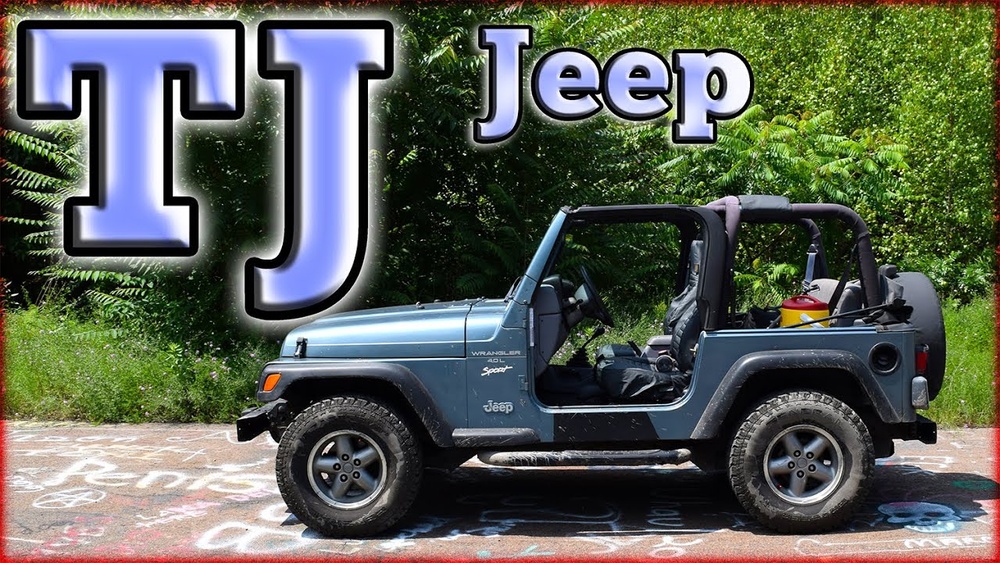
Jeep Wranglers have different generation codes, and TJ is one of them. The TJ Wrangler was produced from 1997 to 2006. This means the 1998 Jeep Wrangler is, without doubt, a TJ. The TJ replaced the earlier YJ generation (1987–1995), which had square headlights. TJ models brought back the round headlights and introduced several improvements.
One of the biggest changes with the TJ was its focus on better ride quality and off-road ability. Jeep engineers listened to what drivers wanted and made the TJ more comfortable without losing the rugged feel.
For example, many drivers immediately noticed the difference in how the TJ handled bumps and rough roads compared to the YJ.
Families and daily drivers found the TJ easier to live with, while serious off-roaders enjoyed the extra flexibility on trails.
Key Features Of The 1998 Tj Wrangler
The 1998 TJ Wrangler stands out for a few reasons:
- Coil spring suspension: Unlike the leaf springs in the YJ, TJ models use coil springs. This gives a smoother ride and better off-road performance. The change also allows for more suspension travel, which means the wheels can move up and down more easily over rocks and uneven ground.
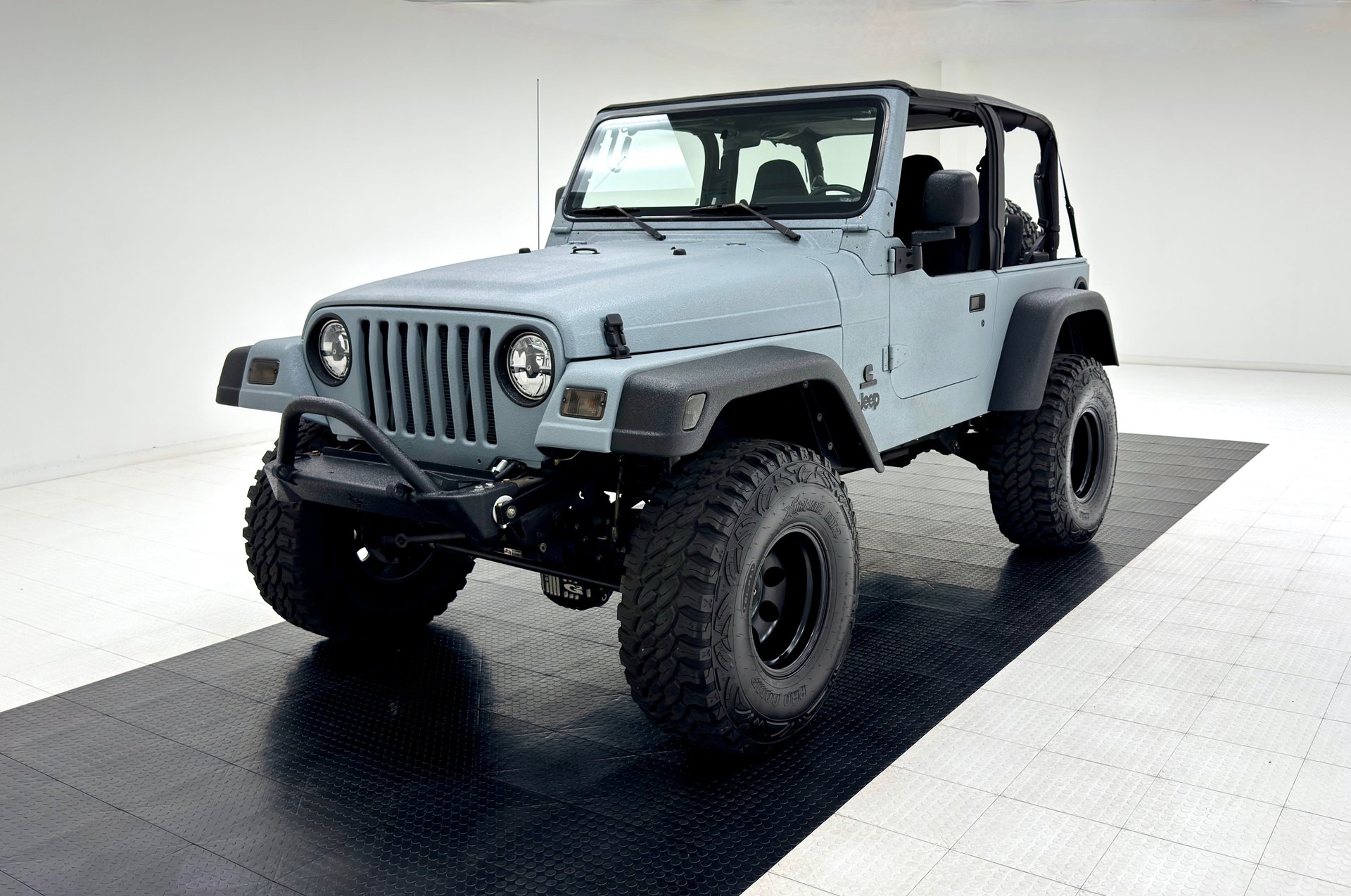
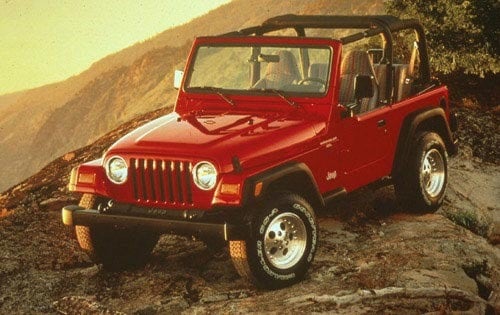
- Round headlights: The return to round headlights is a signature TJ look. For many Jeep fans, this was a welcome return to the classic Jeep style. The round headlights not only look good, but are also a quick visual clue to tell a TJ apart from other generations.
- Improved interior: The 1998 TJ has a more comfortable cabin, with updated seats and controls. The dashboard layout was redesigned to be more user-friendly, and materials were improved to withstand outdoor use. Some trims even offered extra features like air conditioning, which was not always standard on older models.
- Engine choices: Most 1998 TJs came with either a 2.5L 4-cylinder or a 4.0L 6-cylinder engine. The 4-cylinder is lighter and a bit more fuel-efficient, while the 6-cylinder offers more power for towing and off-roading.
- Removable top and doors: Like other Wranglers, the TJ lets you remove the top and doors for open-air driving. This is a big part of the Jeep experience, especially in warm weather or on the trail.
- Solid front and rear axles: These make the TJ rugged and ideal for off-road adventures. Solid axles are strong and simple, which means they can take a lot of punishment. Off-roaders love them because they are easy to repair and upgrade.
Another feature worth mentioning is the TJ’s short wheelbase. This makes it easier to maneuver in tight spots, which is useful both in the city and on narrow trails.
Differences Between Tj And Other Wrangler Generations
To understand the TJ better, it helps to compare it with other Jeep Wrangler generations. Here is a simple table showing key differences:
| Generation | Years | Headlights | Suspension |
|---|---|---|---|
| YJ | 1987–1995 | Square | Leaf springs |
| TJ | 1997–2006 | Round | Coil springs |
| JK | 2007–2018 | Round | Coil springs |
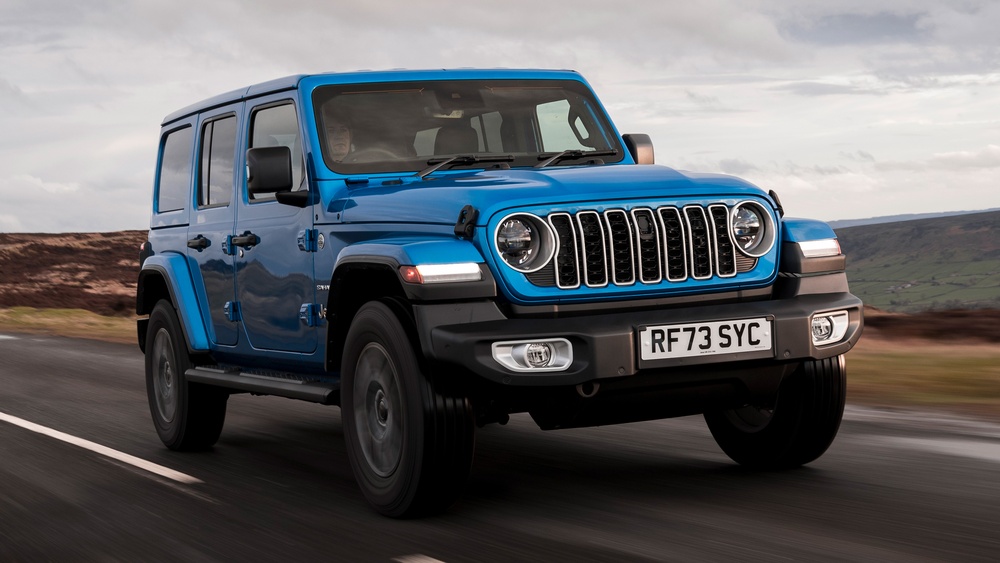
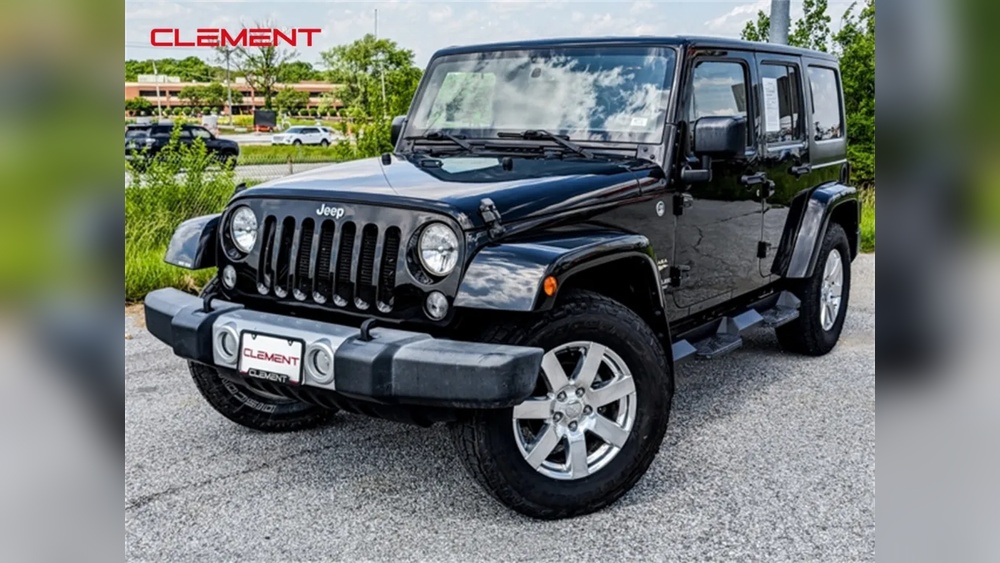
The TJ’s coil spring suspension is a major upgrade over the YJ. This change brought the Wrangler in line with modern SUVs in terms of comfort and stability. JK models, which came later, are larger and offer more luxury features, like more comfortable seats and advanced electronics. The JK also introduced four-door options, which changed how people used their Jeeps—many families found the JK more practical.
If you’re looking at used Jeeps, the YJ’s square headlights make it easy to spot, while the TJ and JK both have round headlights.
To tell the TJ and JK apart, look at the size the JK is noticeably wider and longer, and the fenders and grille look different.
1998 Jeep Wrangler Tj: Specs And Data
The 1998 TJ comes in several trims: SE, Sport, Sahara, and Rubicon. Here’s a quick look at their specs:
| Trim | Engine | Horsepower | Transmission | Fuel Economy |
|---|---|---|---|---|
| SE | 2.5L I4 | 120 hp | 5-speed manual | 19/21 mpg |
| Sport | 4.0L I6 | 181 hp | 5-speed manual/3-speed auto | 15/19 mpg |
| Sahara | 4.0L I6 | 181 hp | 5-speed manual/3-speed auto | 15/19 mpg |
Most buyers prefer the 4.0L I6 engine because it is strong and reliable. This engine has a reputation for lasting well over 200,000 miles if properly maintained. The fuel economy is not great, but the TJ is built for fun and adventure, not saving gas.
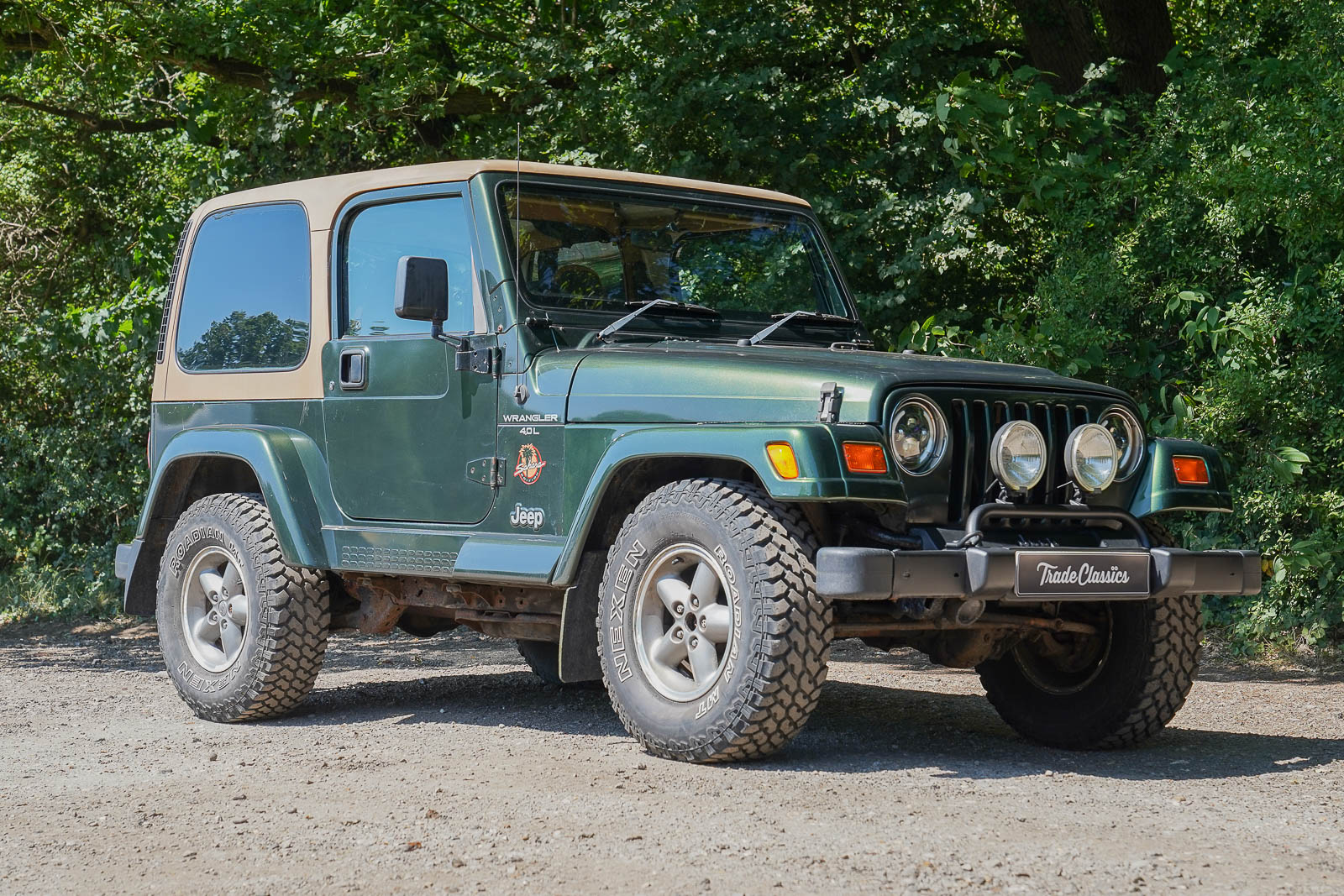
There are also differences in appearance and features between the trims. For example, the Sahara often comes with two-tone seats, special badges, and upgraded wheels, while the Sport is more basic.
The Rubicon, which appeared in later years, is even more off-road focused, with locking differentials and heavy-duty axles.
Why The 1998 Tj Matters
The 1998 TJ is popular with off-roaders and collectors. Here’s why:
- Easy modifications: The TJ’s frame and design make it easy to add bigger tires, lifts, and other upgrades. Even beginners can usually install a basic lift kit with common tools.
- Strong aftermarket support: Many companies sell parts for the TJ, so repairs and upgrades are simple. You can find everything from soft tops to bumpers and rock sliders—often with detailed instructions.
- Classic design: The round headlights and small size give the TJ a timeless look. Many Jeep fans say the TJ captures the “real Jeep” feeling better than newer, larger models.
Another important reason for the TJ’s popularity is its balance between old-school toughness and modern comfort. It can be used as a daily driver or a trail toy, and it’s easy to find advice and parts for almost any project.
Common Mistakes When Identifying A Tj
Many beginners confuse TJ with other Wrangler models. Here are some mistakes to avoid:
- Mixing up years: Remember, TJ Wranglers are from 1997–2006. If you see a 1998 Wrangler, it’s a TJ. Some sellers might list a Jeep as a TJ just because it has round headlights, so always check the year.
- Looking at headlights only: While TJ models have round headlights, later JK models do too. Check the year and features. The TJ is smaller and has a simpler, more boxy body compared to the JK.
- Ignoring suspension: Coil spring suspension is a key TJ feature. YJs have leaf springs. If you can, look underneath the Jeep—coil springs are easy to spot as large, spiral-shaped pieces above the axles.
Also, check the dashboard. TJs have a more rounded dash compared to the flat, almost square dash of the YJ.
Non-obvious Insights For Jeep Fans
- TJ chassis is unique: The TJ frame is lighter than the JK, but stronger than the YJ. This balance helps with off-road performance. The TJ also has a better approach and departure angle than the JK, making it easier to climb over obstacles.
- Parts interchangeability: Many TJ parts fit other Jeep models, but some, like the coil spring mounts, are TJ-specific. For example, wheels and some axles can fit both TJs and YJs, but suspension parts are often not interchangeable.
- Rust-prone areas: The 1998 TJ often rusts near the frame and fenders. Checking these spots before buying can save money. Pay special attention to the rear frame near the control arm mounts and under the door sills. Rust repair can be expensive, so a careful inspection is always worth the time.
Also, the TJ’s electrical system is simpler than later models, making repairs easier for DIY mechanics.
Comparison: Tj Vs. Jk For Off-roading
Here’s another helpful table comparing the TJ and JK for off-road use:
| Feature | TJ (1998) | JK |
|---|---|---|
| Turning radius | Smaller | Larger |
| Weight | Lighter | Heavier |
| Aftermarket parts | Abundant | Abundant |
| Price (used) | Lower | Higher |
The TJ’s smaller size and lighter weight make it more nimble on the trail. The JK offers more comfort, but at a higher price. The TJ is easier to maneuver between rocks and trees, and some off-roaders prefer its “back to basics” feel.
However, if you want space for more passengers and cargo, the JK’s four-door option is hard to beat.
Wrapping Up
The 1998 Jeep Wrangler is a TJ. This makes it part of a beloved generation known for its round headlights, coil spring suspension, and easy upgrades. If you want a classic, rugged, and customizable Jeep, the 1998 TJ is a great choice. Always check the year, suspension, and body features to confirm you have a TJ.
For more in-depth Jeep history, see the Jeep Wrangler Wikipedia page.
Frequently Asked Questions
Is A 1998 Jeep Wrangler A Tj?
Yes, the 1998 Jeep Wrangler is a TJ. TJ models were made from 1997 to 2006.
How Can I Tell If My Jeep Is A Tj?
Look for round headlights, coil spring suspension, and check the VIN for the model year between 1997 and 2006. The dashboard design and overall body style are also good clues.
What Engines Are In The 1998 Tj?
The 1998 TJ came with either a 2.5L 4-cylinder or a 4.0L 6-cylinder engine. Both engines are known for their durability, but the 4.0L is especially popular for its power.
Are Tj Parts Easy To Find?
Yes, TJ parts are very common. Many aftermarket companies supply parts for upgrades and repairs. Even older original parts are still widely available.
Is The Tj Good For Off-roading?
Absolutely. The TJ’s coiled suspension, strong axles, and light body make it excellent for off-road adventures. Many Jeep clubs and groups still use the TJ as their favorite trail Jeep due to its simple and tough nature.