An image that looks different when upside down can be surprising, fun, and thought-provoking. When it comes to the Jeep logo and vehicle design, this visual trick has fascinated car enthusiasts, graphic designers, and curious minds alike. Why do some images, especially those related to Jeeps, change so much when flipped? Let’s explore the science, examples, and creative uses behind these upside-down illusions.
The Science Behind Upside-down Images
Our brains are wired to recognize familiar shapes and patterns. When we see something like a Jeep front grill, we instantly know what it is because of its unique features. But when that same image is turned upside down, our brain struggles to process the new orientation. This happens for a few reasons:
- Pattern recognition: We are trained to recognize faces and objects right side up. Upside-down images break that pattern.
- Feature confusion: Key details, like headlights or the Jeep grill slots, may look like something else when flipped.
- Gestalt principles: Our minds try to fill in missing pieces, but upside-down versions disrupt this process.
This visual confusion is similar to classic “ambiguous images” or optical illusions. The famous “Thatcher Effect” shows how faces look normal upside down until you focus on details like the eyes or mouth, which may be inverted. Jeep-related images use a similar trick to play with our expectations.
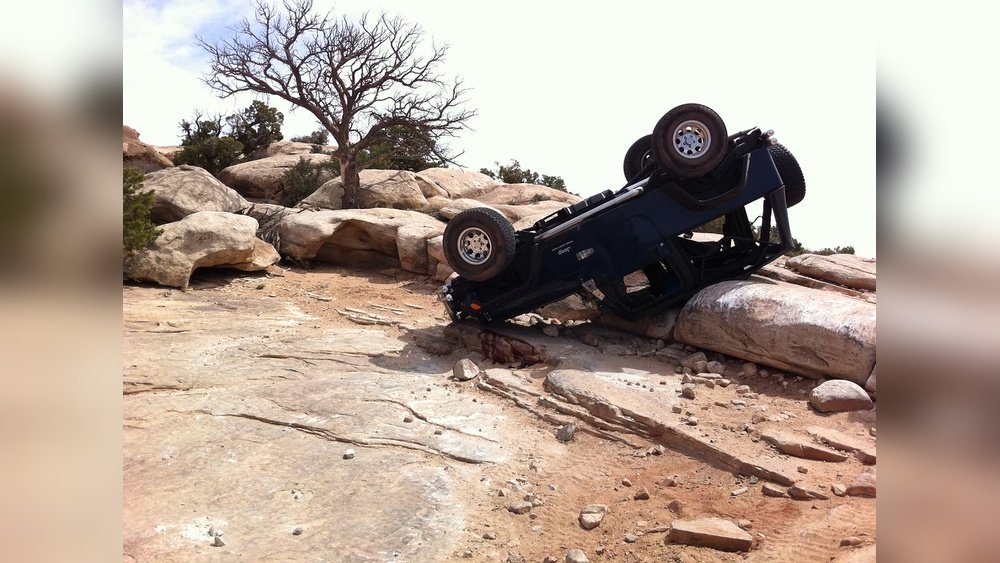
Jeep Images That Transform When Flipped
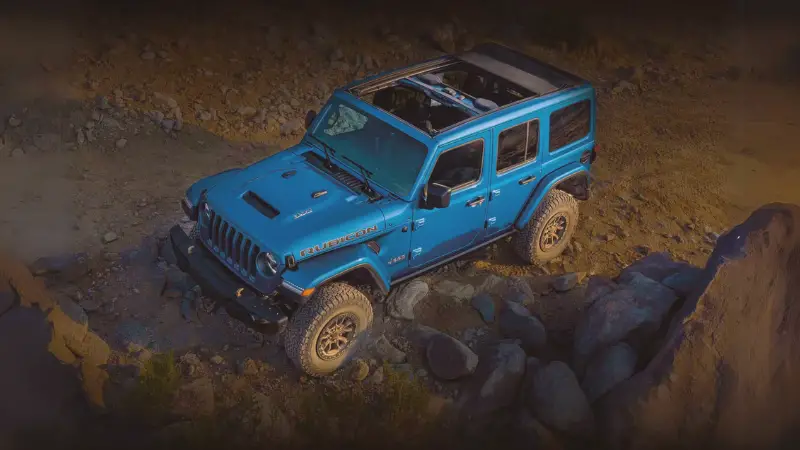
Jeeps have a very recognizable front end. The vertical grill slots, round headlights, and bold shape are iconic. Some clever artists and designers have used this to create images that seem normal at first glance but change completely when turned upside down.
Here are a few types of Jeep images that work with this illusion:
- Logo mashups: Some Jeep logos are designed so that when you flip them, they look like a surprised face or a different vehicle. For example, a grill and headlights can become eyes and a mouth.
- Ambigram art: Ambigrams are designs that read the same way upside down. Some Jeep stickers use this style, spelling “Jeep” both right side up and upside down.
- Optical illusions: Some Jeep images use hidden shapes. For example, the headlights may look like wheels when flipped, or the grill becomes a smile.
- License plates and decals: Creative Jeep owners use upside-down images on their plates or rear windows, adding a playful twist for people following behind.
These illusions are not just clever—they highlight the power of visual perception.

Real-world Examples And Analysis
Let’s look at how these images work in practice, and what makes them memorable.
| Type of Image | Normal View | Upside-Down Effect |
|---|---|---|
| Standard Jeep Grill | Recognizable vehicle front | Can resemble a surprised face |
| Ambigram “Jeep” Decal | Spells “Jeep” | Still spells “Jeep” when flipped |
| Custom License Plate | Personalized text | Sometimes forms a new word when flipped |
One interesting example is the “Jeep face” illusion. Some artists draw a Jeep’s front end with exaggerated features. When flipped, the headlights become cartoon eyes, and the grill becomes a mouth. This simple trick can make the vehicle appear animated or expressive.
Another clever use is in Jeep club stickers. Some groups design logos that reveal a hidden message or mascot only when viewed upside down. This creates a sense of community and “insider knowledge” for those who notice.
Why Jeep Is Perfect For This Illusion
Not every car brand works well with upside-down images. Jeep’s design is special for a few reasons:
- Symmetry: The Jeep’s front is very symmetrical, with evenly spaced slots and headlights.
- Simple shapes: The basic circles (headlights) and rectangles (grill slots) are easy to reinterpret.
- Strong brand identity: Most people know what a Jeep looks like, so changes are more noticeable.
This makes the Jeep an ideal subject for ambigrams and visual tricks. In fact, the Jeep’s simple shapes make it a favorite for graphic designers creating memorable stickers, ads, and social media posts.

Creating Your Own Upside-down Jeep Image
You don’t need to be a professional artist to make your own illusion. Here’s how you can try:
- Start with a photo or drawing of a Jeep’s front.
- Simplify the features: Focus on the headlights and grill.
- Sketch the flipped version: Turn the image upside down and see what new shapes appear.
- Add or remove details to enhance the illusion. Maybe the headlights become eyes, and the grill forms a smile.
- Test with friends: Show both versions and see if they notice the difference.
Some online tools let you flip and edit images easily. There are also apps that help create ambigrams or mirrored designs.
Fun Facts And Surprising Insights
Here are a few things most beginners miss about upside-down Jeep images:
- Not all images work: For the effect to be strong, the original image must be simple and symmetrical. Busy or complex designs lose the impact.
- Cultural differences matter: In some cultures, upside-down images may have different meanings or may not be recognized as easily.
- Jeep community loves these tricks: Many Jeep clubs share upside-down images as inside jokes or for social media posts.
Another little-known fact: the original Jeep design from World War II was chosen for its simple, functional look. This simplicity is part of why it works so well for visual illusions today.
Comparing Jeep Illusions To Other Brands
How does Jeep compare to other brands when it comes to upside-down image tricks?
| Car Brand | Symmetry | Effectiveness for Illusions |
|---|---|---|
| Jeep | High | Very effective |
| Toyota | Medium | Somewhat effective |
| BMW | Low | Rarely effective |
As you can see, Jeep stands out due to its iconic, simple, and symmetrical design.
The Lasting Appeal Of Upside-down Jeep Images
Images that look different when turned upside down remind us that perception can be playful. Jeep owners and fans use this illusion to show creativity, start conversations, and even express a bit of humor. Whether you see a Jeep face or a clever ambigram, these images highlight the power of simple design and imagination.
If you want to learn more about visual perception and image illusions, you can explore the “Thatcher Effect” and similar phenomena at Wikipedia.
Frequently Asked Questions
Why Do Jeep Images Look So Different Upside Down?
The combination of symmetrical features and simple shapes makes Jeep images easy to reinterpret. Our brains are not used to seeing familiar objects in unusual positions, so we notice new patterns.
Can Other Car Brands Use This Illusion?
Yes, but the effect is usually weaker. Brands with complex or asymmetrical designs do not transform as well when flipped. Jeep’s basic shapes make it ideal for this trick.
Where Can I Find Examples Of These Images?
You can find upside-down Jeep images on car forums, social media, and in some Jeep club stickers. Many artists share their designs online for fun.
Do Upside-down Jeep Images Have Any Meaning?
Most of the time, these images are made for fun or artistic expression. Sometimes, they show community spirit or act as a playful “secret” among Jeep fans.
Are There Risks In Using Upside-down Images On My Jeep?
As long as your design does not block important details like the license plate or safety markings, there is no problem. Always follow local laws about decals and modifications.