Using a Jeep’s Selec-Trac system can make your driving experience much better, especially if you love exploring different terrains. But many drivers are unsure how to use it correctly. If you want to get the most out of your Jeep, it’s important to understand what Selec-Trac does and how to use each mode for safe and confident driving.
What Is Jeep Selec-trac?
Selec-Trac is a 4×4 drivetrain system found in some Jeep models, like the Grand Cherokee and Wrangler. It lets you easily switch between different drive modes for changing road conditions. Unlike older 4WD systems, Selec-Trac is designed to give you both off-road capability and smooth driving on paved roads.
The heart of the system is a transfer case that directs power to the front and rear wheels as needed. This helps you handle rain, snow, mud, or rocky trails with ease.
Main Selec-trac Modes Explained
Understanding each Selec-Trac mode is key to using it safely. Here’s what each mode does:
| Mode | When to Use | Key Benefit |
|---|---|---|
| 2WD (Two-Wheel Drive) | Dry, paved roads | Better fuel economy |
| 4WD Auto | Mixed or changing conditions | Automatic traction adjustment |
| 4WD High | Snow, mud, sand | Increased grip and control |
| 4WD Low | Steep hills, deep mud, towing | Maximum power and control |
| Neutral | Towing Jeep (flat towing) | Disconnects drivetrain |
How To Switch Between Selec-trac Modes
Switching modes is easy, but you must do it correctly for safety and to avoid damage.
- From 2WD to 4WD Auto: Shift while driving under 55 mph. The switch is seamless—great for rain or light snow.
- From 4WD Auto to 4WD High: You can usually switch while moving. Make sure your wheels are straight and your speed is below 55 mph.
- From 4WD High to 4WD Low: Stop the Jeep, shift into Neutral, then move the Selec-Trac lever to 4WD Low. This is only for tough off-road situations.
- Neutral: Only use Neutral for flat towing (when your Jeep is being pulled behind another vehicle).
Never force the lever or switch. If a mode doesn’t engage, gently move the Jeep forward or backward a few feet and try again.
When To Use Each Selec-trac Mode
Picking the right mode can make a big difference in safety and comfort.
- 2WD: Best for everyday driving on dry highways. Keeps your Jeep running efficiently.
- 4WD Auto: Ideal for unpredictable weather like rain or light snow. The system decides when to send power to all four wheels.
- 4WD High: Use this for loose surfaces—sand, gravel, or heavy snow. Both axles get power for better traction.
- 4WD Low: Only for extreme conditions—steep climbs, deep mud, or when you need to pull something heavy.
- Neutral: Needed for towing with all four wheels on the ground.
One mistake many beginners make is leaving their Jeep in 4WD High on dry roads. This can cause drivetrain wear and reduce fuel efficiency.

Selec-trac Vs. Other Jeep 4×4 Systems
Selec-Trac is just one of Jeep’s 4×4 options. Here’s how it compares to others:
| System | Main Feature | Best For |
|---|---|---|
| Selec-Trac | Automatic 4WD selection | Mixed driving, ease of use |
| Command-Trac | Manual 4WD control | Off-road, simple terrain |
| Rock-Trac | Low-range crawl ratio | Serious off-roading |
A key advantage of Selec-Trac is its 4WD Auto mode, which adjusts to changing conditions without you needing to stop and shift. For city drivers who face sudden rain or snow, this is a big plus.
Common Mistakes To Avoid
Many new Jeep owners make these errors:
- Using 4WD High on dry pavement: This can cause parts to bind and wear out.
- Forgetting to switch back to 2WD: This wastes fuel and puts extra strain on the drivetrain.
- Trying to shift to 4WD Low while moving: Always stop and shift to Neutral first.
One non-obvious tip: if you hear clunking noises after shifting, roll slowly forward or backward. Sometimes the gears need to move a little to fully engage.

Practical Tips For Using Selec-trac
- Practice shifting modes in a safe place before you need them in real conditions.
- If you plan to tow something, always check your owner’s manual for the right mode.
- Clean mud and dirt from the undercarriage after off-roading to keep the system working smoothly.
Experienced drivers suggest testing 4WD modes in a parking lot after heavy snow so you feel confident before hitting the road.
Maintenance For Selec-trac Systems
A well-maintained Selec-Trac system lasts longer and works better.
- Check transfer case fluid every 30,000 miles or as recommended.
- Watch for warning lights on the dashboard. These can signal a problem with the 4×4 system.
- Have a mechanic inspect the system if you notice odd noises or difficulty shifting.
It’s smart to get a full 4×4 check before winter or a big off-road trip. For official maintenance info, visit the Jeep Maintenance page.
Frequently Asked Questions
How Do I Know Which Selec-trac Mode I Am In?
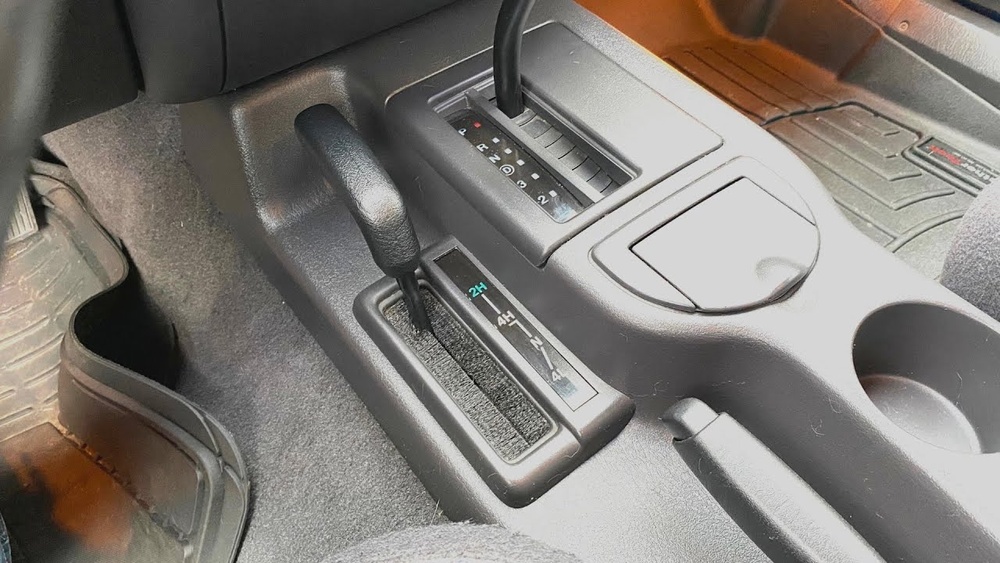
Most Jeeps with Selec-Trac have a display showing the current mode. Some have a lever with clear markings. Always check before changing conditions.
Can I Switch From 2wd To 4wd Auto While Driving?
Yes, you can switch between 2WD and 4WD Auto at speeds below 55 mph. It’s designed to be easy and safe.
Is Selec-trac Good For Towing?
Selec-Trac works well for towing, especially in 4WD Low on steep or slippery surfaces. Always use Neutral when flat towing your Jeep.
What Happens If I Use The Wrong Mode?
Using the wrong mode—like 4WD High on dry roads—can wear out parts and lower fuel efficiency. Stick to the recommended modes for each surface.
How Is Selec-trac Different From Quadra-trac?
Selec-Trac lets you choose 2WD or Auto 4WD, while Quadra-Trac is always in 4WD Auto. Selec-Trac gives you more control for fuel savings.
Learning how to use Jeep Selec-Trac puts you in control, whether you’re commuting or heading off-road. With a little practice, you’ll drive safer, save money on repairs, and enjoy your Jeep’s full potential.