Using a Hi Lift Jack can make your Jeep adventures safer and more efficient. Whether you’re off-roading, changing tires, or recovering from mud, this tool offers strong lifting power.
But using it wrong can be dangerous. Many Jeep owners struggle with Hi Lift Jacks because they look simple but need careful handling.
This guide will show you how to use a Hi Lift Jack on your Jeep, step by step, with practical advice and real-world examples.
What Is A Hi Lift Jack?
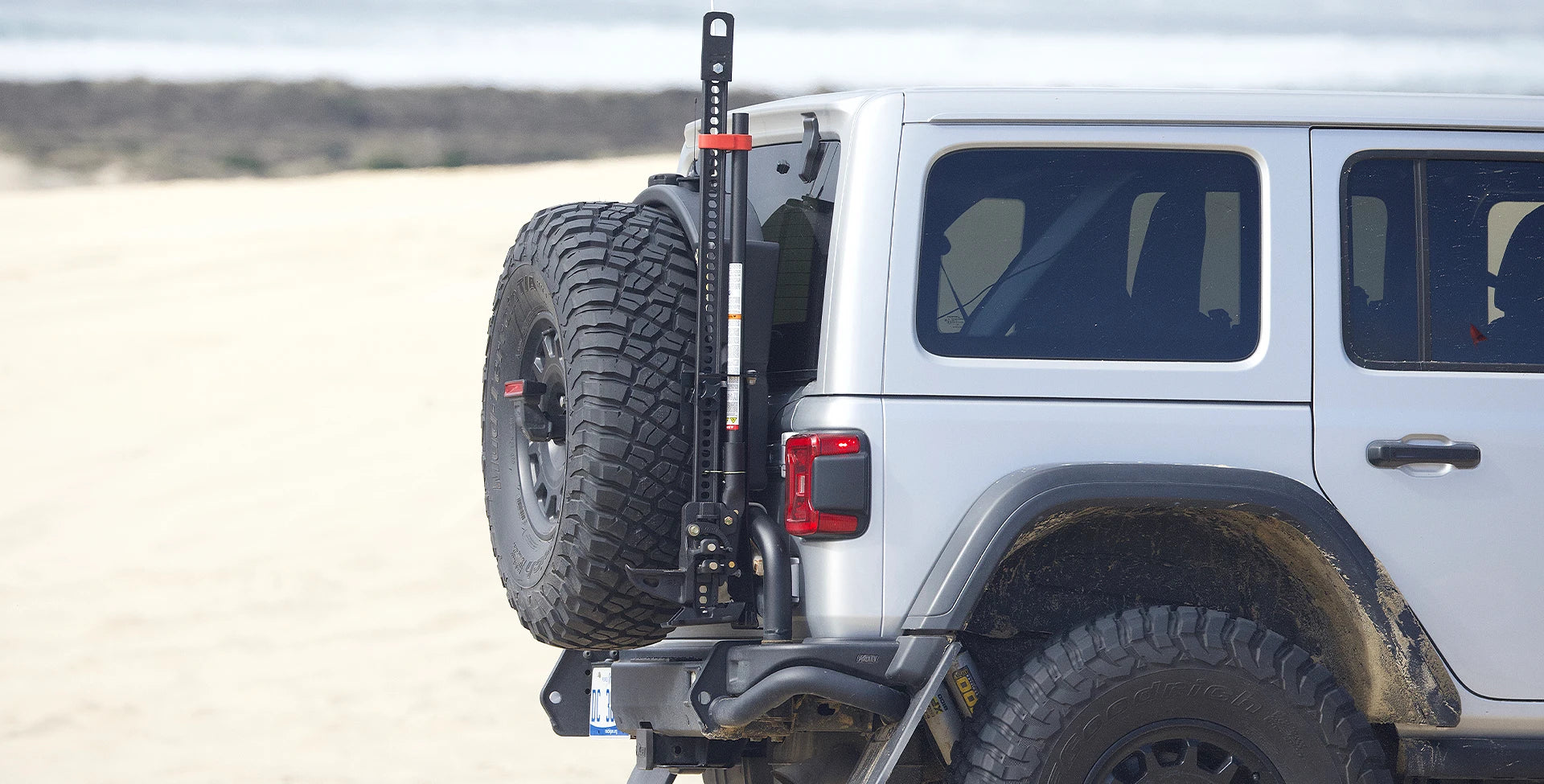
A Hi Lift Jack is a tall, mechanical jack designed for lifting vehicles with high ground clearance. Unlike regular jacks, it works well with lifted Jeeps, trucks, and off-road vehicles. It can lift, push, pull, and even winch.
Here’s how a Hi Lift Jack compares to other jacks:
| Jack Type | Max Lift Height | Weight Capacity | Best For |
|---|---|---|---|
| Hi Lift Jack | Up to 48 inches | Up to 4,660 lbs | Off-road vehicles |
| Bottle Jack | 12-18 inches | Up to 12,000 lbs | Heavy vehicles, garages |
| Scissor Jack | 10-15 inches | Up to 3,000 lbs | Compact cars |
Preparing To Use The Hi Lift Jack
Before lifting your Jeep, you need to plan and check your tools. This prevents accidents and damage.
- Inspect the Jack: Make sure it’s clean and not rusty. Check the pins and moving parts.
- Check Your Jeep’s Lift Points: Many Jeeps have strong points like bumpers or rock sliders. Do not lift from weak areas (doors, body panels).
- Wear Safety Gear: Use gloves and sturdy boots. Eye protection helps if you’re working in dusty conditions.
- Park on Solid Ground: Avoid soft soil or mud unless you have a base plate. The jack can sink or tip.
A common mistake: Many users lift from the wrong point or use the jack on uneven ground. This can cause the vehicle to slip.
Step-by-step: How To Use Hi Lift Jack On Jeep
Here’s the safest way to use a Hi Lift Jack. Follow each step carefully.
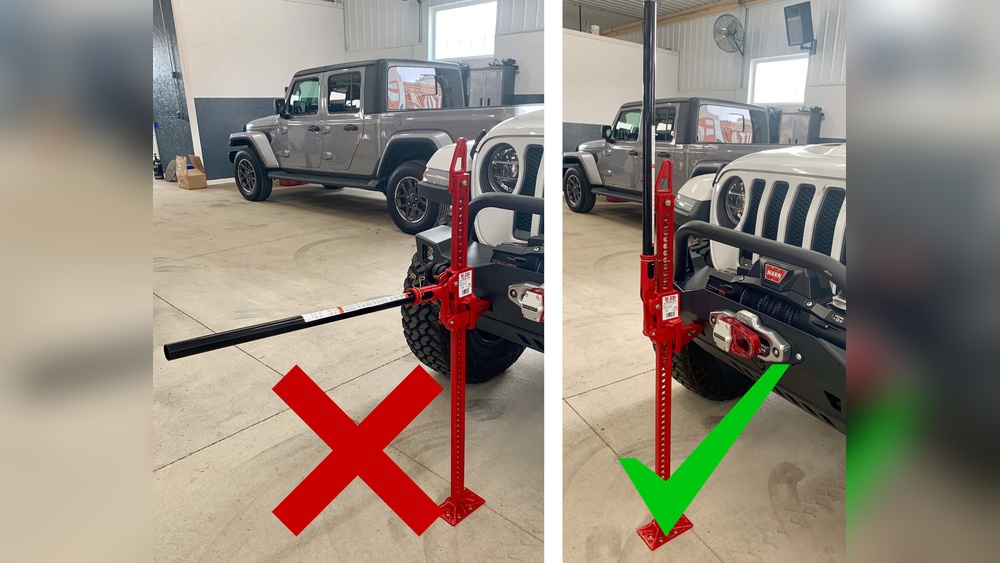
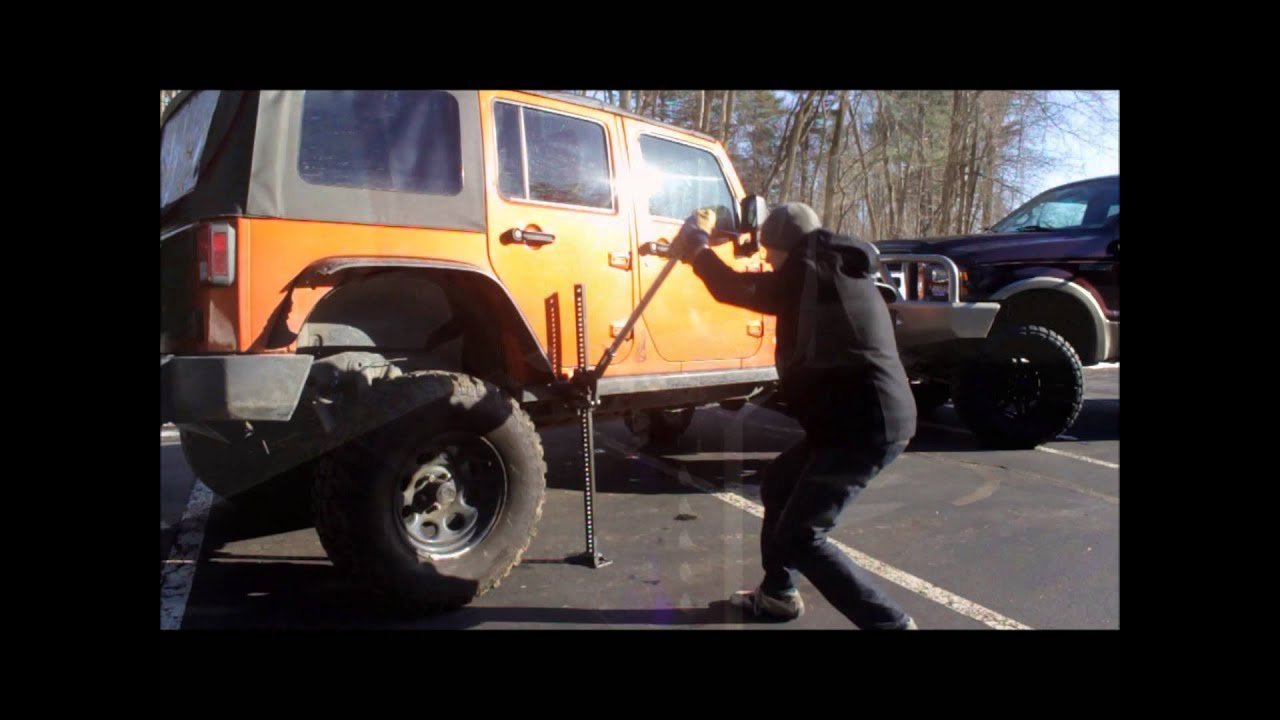
- Position the Jack: Place the jack under your Jeep’s lift point. Make sure the foot is flat on the ground.
- Secure the Handle: Keep the jack’s handle upright and locked. This avoids accidental movement.
- Start Lifting: Pump the handle up and down. The climbing pins will raise the Jeep slowly. Watch for any shifting.
- Stop at Desired Height: Once the wheel is off the ground, stop pumping. Don’t go higher than necessary.
- Work Quickly: Change tires or clear obstacles fast. The jack is not meant to hold weight for long.
- Lower the Jeep: Reverse the process. Lower the handle slowly. Keep fingers clear of moving parts.
Here’s a quick comparison of lifting methods:
| Lifting Point | Safety | Ease | Risk |
|---|---|---|---|
| Front Bumper | High | Easy | Low |
| Rock Slider | Medium | Moderate | Medium |
| Axle | Low | Hard | High |
Practical Tips For Jeep Owners
Many beginners overlook these tips, but they make a big difference.
- Use a Base Plate: On sand or mud, a base plate prevents sinking. Some people use a piece of wood.
- Keep the Handle Clear: The handle can spring back. Always keep your face and hands away.
- Lubricate the Jack: A dry jack is hard to use. Spray with light oil before trips.
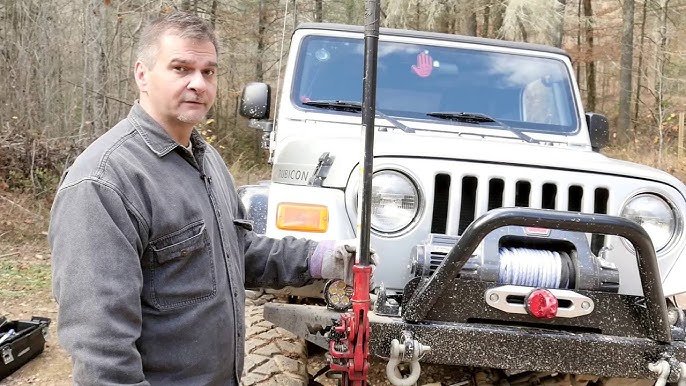
- Carry Recovery Gear: Hi Lift Jacks can pull or winch. Keep straps and shackles handy.
An advanced insight: You can use the Hi Lift Jack to push your Jeep sideways if stuck. This is called “Hi Lift winching.” Attach a strap and use the jack’s climbing action to pull.
Common Mistakes To Avoid
Even experienced Jeep owners make mistakes. Here’s what you should watch for:
- Lifting from Weak Points: Only use strong steel parts. Never lift from plastic or aluminum.
- Ignoring Ground Conditions: If the ground is soft, always use a base plate.
- Overlifting: Going too high increases risk. Lift only as much as needed.
- Not Locking the Handle: The handle can move fast and cause injury. Always lock it after each pump.
- Leaving Vehicle Unattended: Never leave your Jeep on the jack while you walk away.
For more details on Hi Lift Jack safety, you can check Hi Lift’s official safety guide.
Hi Lift Jack Maintenance
Keeping your Hi Lift Jack in good shape is key. Regular maintenance extends its life and keeps you safe.
- Clean After Use: Dirt and mud can jam the pins. Wash and dry after every trip.
- Check for Rust: If you see rust, sand it and apply oil.
- Store Properly: Keep it inside your Jeep or garage, away from rain.
Here’s a simple maintenance checklist:
| Task | Frequency | Tools Needed |
|---|---|---|
| Clean Jack | After each use | Brush, water |
| Lubricate Pins | Monthly | Light oil |
| Inspect for Damage | Before trips | Visual check |
Frequently Asked Questions
How High Can A Hi Lift Jack Lift My Jeep?
Most Hi Lift Jacks lift up to 48 inches. This is much higher than regular jacks. But you should only lift as much as needed for your task.
Can I Use A Hi Lift Jack On Uneven Ground?
Yes, but you must use a base plate or something flat under the jack. Without it, the jack can sink or tip, causing accidents.
What Are The Best Lift Points On A Jeep?
The safest lift points are steel bumpers, rock sliders, and sometimes tow hooks. Avoid lifting from axles unless you are experienced.
How Do I Safely Lower My Jeep With A Hi Lift Jack?
Always lower slowly, keeping your hands and feet away. Use the handle carefully, as it can move quickly. Double-check your Jeep’s stability as you lower.
Can A Hi Lift Jack Be Used For Recovery Situations?
Yes. Many Jeep owners use Hi Lift Jacks to pull, winch, or push their vehicles out of mud or obstacles.
Always use proper straps and follow safety guidelines.
Using a Hi Lift Jack is a valuable skill for Jeep owners. With the right steps and safety habits, you can handle tough situations confidently.
Remember to practice before you need it, and keep your jack maintained. This tool can make your off-road adventures safer and more enjoyable if used correctly.