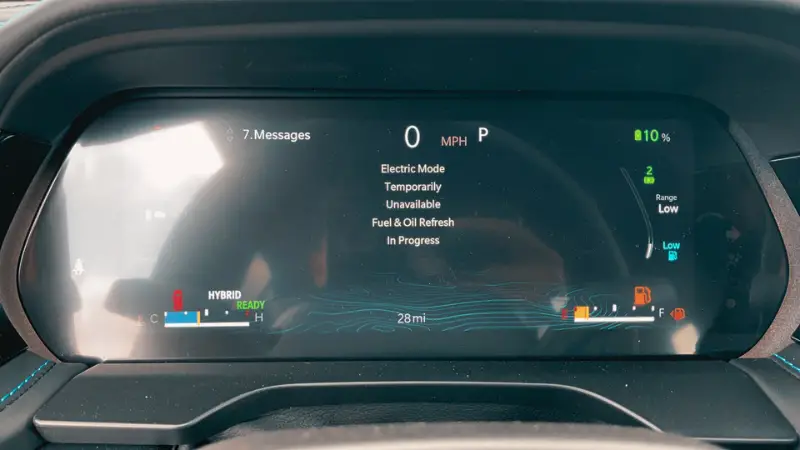
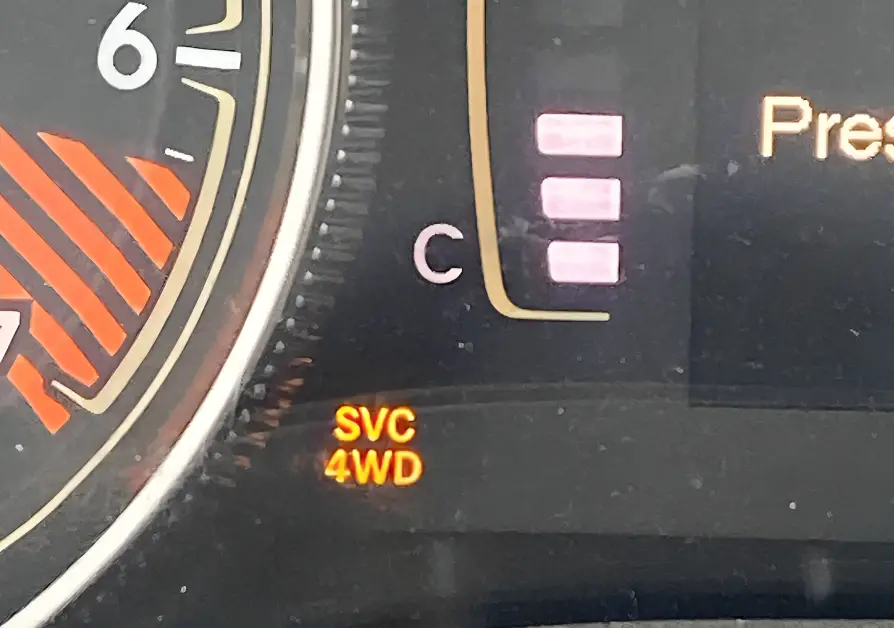
Driving a Jeep Wrangler is exciting, especially when you have four wheel drive (4WD). This feature lets your vehicle handle tough roads, mud, snow, and rocky trails.
But many new owners feel unsure about how to use 4WD correctly. Using it the wrong way can damage your Jeep, waste gas, or even make you stuck.
With the right steps, though, you can enjoy everything the Wrangler offers, from city streets to mountain paths.
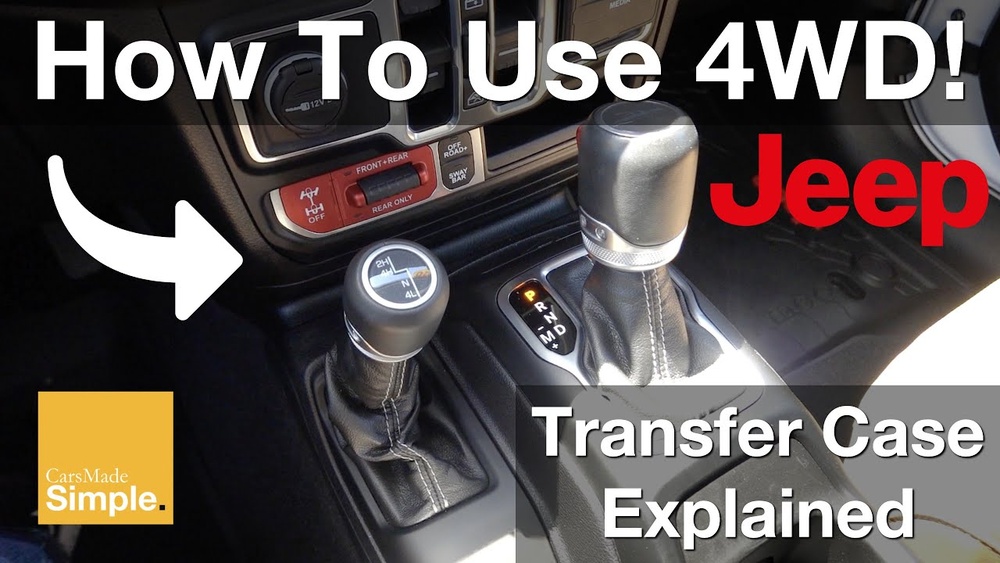
Understanding Four Wheel Drive Modes
The Jeep Wrangler comes with several 4WD modes. Each mode has its own purpose and works best in specific situations. Knowing when and how to use each one is key.
| Mode | Best Use | Speed Range |
|---|---|---|
| 2H (Two Wheel Drive) | Normal roads, dry pavement | Any speed |
| 4H (Four Wheel Drive High) | Rain, snow, sand, light off-road | Up to 55 mph |
| 4L (Four Wheel Drive Low) | Deep mud, steep climbs, heavy off-road | Below 25 mph |
- 2H uses only the rear wheels. It’s for everyday driving.
- 4H powers all wheels and is good for slippery roads or mild off-road.
- 4L gives maximum torque for slow, tough conditions like rocks or deep mud.
Many beginners forget that 4WD is not for dry pavement. Using 4H or 4L on normal roads can cause tire damage or stress the drivetrain.
How To Engage Four Wheel Drive
Switching between the modes is simple, but you must follow the correct steps.
1. Starting In 2h
Always begin driving in 2H unless you expect poor road conditions.
- Switching to 4H
- Slow down to under 55 mph.
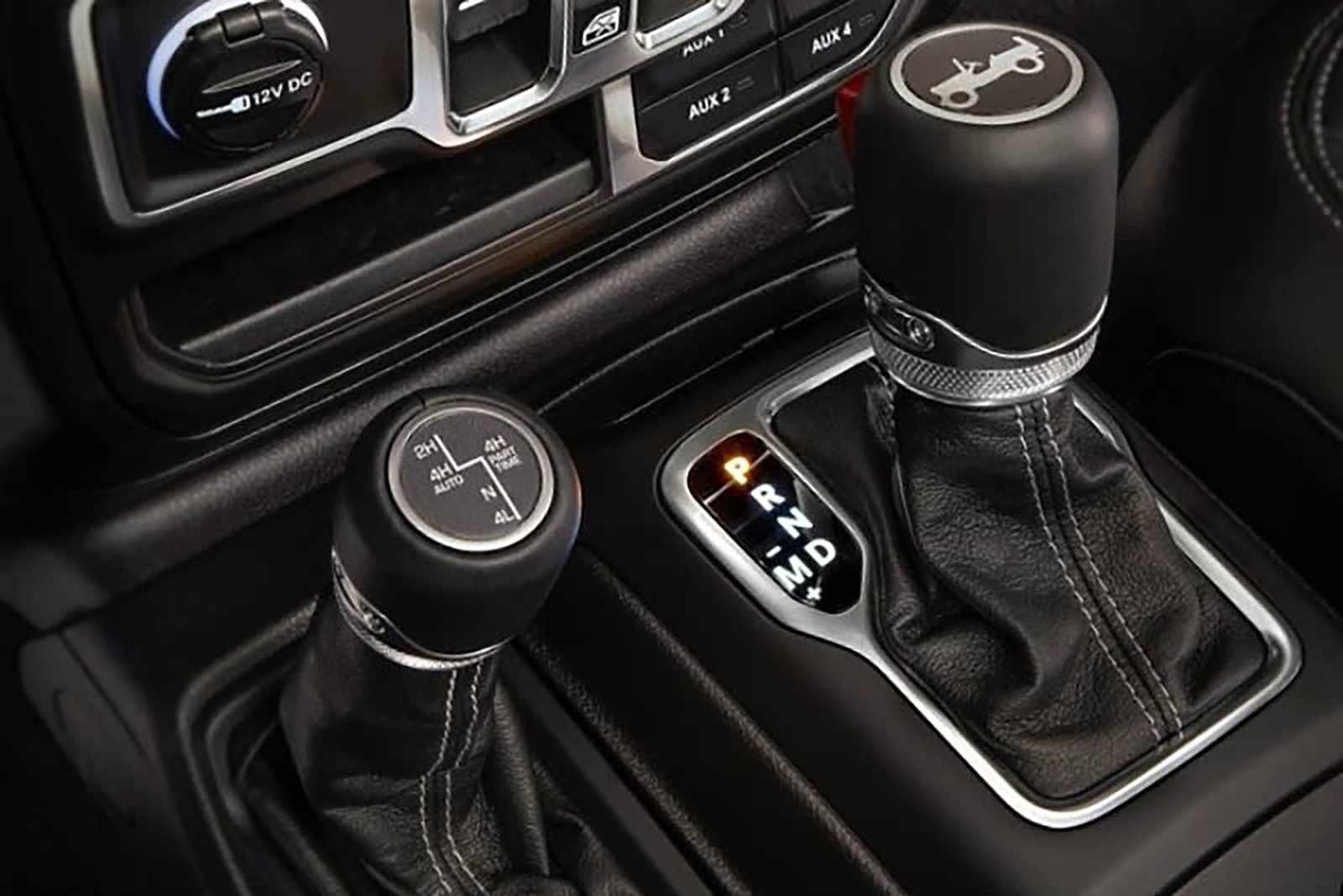
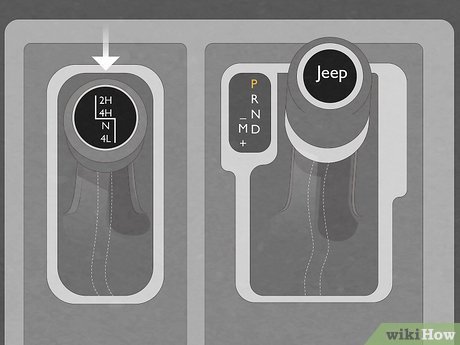
- Move the lever or press the button for 4H (depends on your model).
- You can shift into 4H while moving, but avoid sudden acceleration.
- Shifting to 4L
- Stop the vehicle completely.
- Put the transmission in Neutral.
- Move the lever to 4L.
- Wait for the indicator light on the dashboard.
- Shift back to Drive and continue at low speeds.
Here’s a quick comparison of the shifting process:
| Mode | Can Shift While Moving? | Transmission Position |
|---|---|---|
| 4H | Yes, below 55 mph | Drive |
| 4L | No, must be stopped | Neutral |
Pro tip: If you hear grinding or the indicator light doesn’t turn on, don’t force the lever. Try rolling forward slowly or reversing a bit.
When To Use Each Mode
Many drivers use 4WD too often or not enough. Here are examples to help you decide:
- 2H: City driving, highways, dry conditions.
- 4H: Wet roads, loose gravel, shallow snow.
- 4L: Deep snow, thick mud, rocky trails, steep hills.
If you’re stuck or need more pulling power, always switch to 4L. It gives you better control and prevents wheel spin.
Common Mistakes To Avoid
New owners often make these errors:
1. Using 4wd On Dry Roads
This increases tire wear and stresses the vehicle.
2. Switching To 4l While Moving
Always stop and shift to Neutral first.
3. Ignoring Dashboard Indicators
If lights blink or stay off, 4WD may not be engaged.
4. Not Practicing Shifts
Try switching modes in a safe area before hitting tough trails.
Practical Tips For Off-road Driving
Driving off-road is different from regular roads. Here are tips to keep you safe and protect your Jeep Wrangler:
- Check terrain before driving. If the ground looks muddy or rocky, switch to 4H or 4L early.
- Use steady speed. Don’t gun the engine; go slow and steady in 4L.
- Lower tire pressure. For sand or mud, reduce pressure by 5–10 PSI for better grip.
- Keep distance. In groups, leave space between vehicles to avoid collisions.
- Bring recovery gear. Always carry a tow strap, shovel, and gloves.
Off-road accidents are rare but often happen because drivers rush or don’t know their Jeep’s limits. For safety, always let someone know your route and expected return time.

Maintenance And 4wd Care
Regular maintenance keeps your 4WD system working. Here’s what to watch:
- Check transfer case fluid every 30,000 miles.
- Inspect tires for uneven wear.
- Grease U-joints regularly.
- Listen for noises after using 4WD. Clicking or grinding needs a mechanic.
Using 4WD often? Service the system more frequently. Neglecting maintenance can lead to expensive repairs.
Real-world Example: Snowy Mountain Trip
Imagine you’re driving up a snowy mountain in Colorado. Roads are icy and steep.
You start in 2H, but notice slipping. You slow down and shift to 4H.
Traction improves, and you climb safely. At a steep section, you stop, shift to Neutral, and move to 4L.
Now you have extra torque to climb. After reaching clear roads, you switch back to 2H.
This simple use of 4WD keeps you safe and prevents damage.
Frequently Asked Questions
How Fast Can I Drive In 4h Or 4l?
4H is safe up to 55 mph. 4L should be used below 25 mph. Driving faster risks damage.
Can I Use Four Wheel Drive On Pavement?
No. Only use 4WD on slippery, loose, or rough surfaces. Dry pavement causes tire and drivetrain problems.
How Do I Know If 4wd Is Working?
Look for indicator lights on your dashboard. If the light blinks or stays off, check your manual or visit a mechanic.
What Should I Do If I Get Stuck?
Switch to 4L, use gentle throttle, and avoid spinning tires. If stuck, try rocking the Jeep or use recovery gear. Get help if needed.
How Often Should I Service The 4wd System?
Check fluids and parts every 30,000 miles or after heavy off-road use. Early maintenance prevents costly repairs.
Driving a Jeep Wrangler with four wheel drive opens up many possibilities, from exploring wild trails to staying safe on snowy roads. With the right steps, you’ll protect your Jeep and enjoy smooth, confident driving. For more in-depth details, see the official Jeep Wrangler guide. Always remember: practice in safe areas first, and never force the system. Soon, you’ll master every road and trail with ease.