If you own a Jeep Grand Cherokee, understanding how to use its four-wheel drive (4WD) system is essential for safety, performance, and vehicle care. Many owners are unsure when to engage 4WD, which setting to use, or how to avoid common mistakes. This guide will help you use 4WD in your Jeep Grand Cherokee confidently, whether you face snow, mud, or rocky trails.
Understanding Jeep Grand Cherokee 4wd Systems
Jeep Grand Cherokees come with different 4WD systems depending on the model and year. The main systems are Quadra-Trac I, Quadra-Trac II, and Quadra-Drive II. Each offers unique features, but all are designed to give you better traction and control in challenging conditions.
Here’s a quick comparison to help you identify your system:
| System Name | Type | Main Feature |
|---|---|---|
| Quadra-Trac I | Full-time 4WD | Automatic power distribution |
| Quadra-Trac II | Active 4WD | 2-speed transfer case with low range |
| Quadra-Drive II | Active 4WD | Electronic limited-slip differentials |
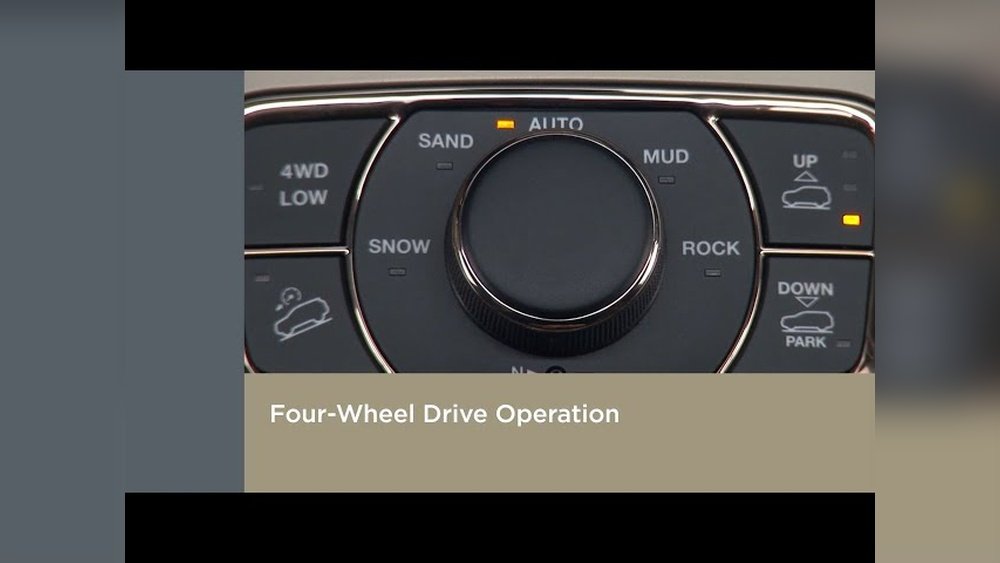
Quadra-Trac I is always engaged, so you don’t need to switch modes. Quadra-Trac II and Quadra-Drive II allow you to choose between 4WD Auto, 4WD Low, and sometimes Neutral.
When To Use 4wd In Jeep Grand Cherokee
Knowing when to activate 4WD helps you avoid damage and get the best traction. Use 4WD in these situations:
- Snowy or icy roads
- Muddy or sandy terrain
- Off-road trails with rocks or steep hills
- Wet, slippery surfaces
Avoid using 4WD on dry pavement. This can cause drivetrain stress and increase tire wear.
How To Engage 4wd
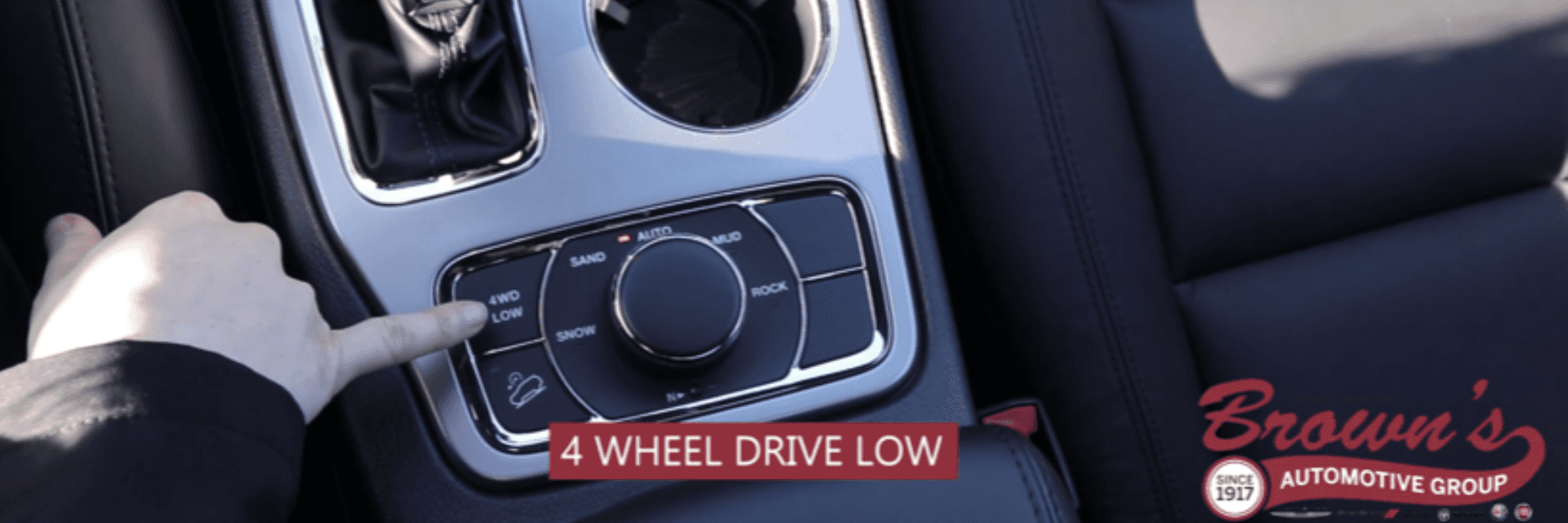
The method to use 4WD depends on your Grand Cherokee’s system. Most models use a rotary knob or lever near the gear shift.
Using Quadra-trac Ii Or Quadra-drive Ii
- 4WD Auto: The system decides when to send power to all wheels. Select this for daily driving in changing conditions.
- 4WD Low: For deep mud, sand, or steep climbs. Always stop the vehicle and shift to Neutral before selecting 4WD Low.
- Neutral: Used for flat towing only.
Steps to Shift to 4WD Low:
- Stop your Jeep completely.
- Place the transmission in Neutral (N).
- Turn the 4WD control to “4WD Low”.
- Wait until the indicator light stops blinking.
Using Quadra-trac I
You don’t need to do anything. The system is always active and adjusts automatically.
Selec-terrain Traction Management
Many Grand Cherokees have a Selec-Terrain dial. This lets you pick modes like Snow, Sand/Mud, Rock, or Auto. Choose the mode that matches your road or trail.
| Selec-Terrain Mode | Best For | Effect |
|---|---|---|
| Auto | General use | Automatic adjustment |
| Snow | Snow/Ice | Gentle throttle, less wheel spin |
| Sand/Mud | Loose surfaces | More wheel spin for traction |
| Rock | Off-road rocky trails | Maximum traction, slow speed |
Common Mistakes To Avoid
Many drivers make simple errors with 4WD that can damage the vehicle or reduce safety.
- Engaging 4WD Low while moving: Always stop first.
- Using 4WD on dry pavement: Causes drivetrain binding.
- Not switching back to Auto after tough terrain: Can reduce fuel efficiency.
- Ignoring warning lights: If the 4WD light blinks or stays on, check your manual or visit a mechanic.
- Forgetting maintenance: 4WD systems need regular fluid checks and servicing.
Non-obvious tip: The system will not engage 4WD Low if any door is open or the vehicle is not fully stopped.

Practical Tips For Using 4wd
- Plan ahead: If you see challenging terrain ahead, switch to the right 4WD mode before you get stuck.
- Use steady throttle: Don’t slam the gas; let the system do its work.
- Don’t mix tires: All four tires should match in size and tread for the system to work well.
- Practice: Try your 4WD system in a safe, empty lot to get comfortable.
- Know your limits: Even with 4WD, avoid water crossings or deep mud beyond your Jeep’s clearance.
4wd Maintenance Essentials
Keeping your 4WD system in good shape ensures it works when you need it.
- Check transfer case fluid every 30,000 miles or as recommended.
- Inspect tires for even wear.
- Watch for leaks under the vehicle.
- Listen for odd noises: Clicking or grinding can signal issues.
- Test 4WD regularly: Don’t wait for an emergency to discover a problem.
According to Jeep’s official off-road driving tips, regular checks help prevent costly repairs and keep the system ready for adventure.

Troubleshooting Common 4wd Issues
Sometimes, the system might not engage, or you notice warning lights. Here’s what to do:
- 4WD won’t engage: Check if the vehicle is fully stopped and in Neutral. Try again.
- Warning light stays on: The system may have detected a fault. Visit a qualified mechanic.
- Strange noises: Don’t ignore grinding or clunking. This can lead to major damage.
If you often drive in extreme conditions, have the system inspected more often.
Frequently Asked Questions
How Do I Know Which 4wd System My Grand Cherokee Has?
Check your owner’s manual or the label near the gear shift. You can also find this information on Jeep’s official website or by asking your dealer.
Can I Shift Into 4wd Low While Driving?
No. Always bring the vehicle to a complete stop and shift the transmission to Neutral before engaging 4WD Low.
This protects the transfer case and other components.
Is 4wd Necessary In The Rain?
4WD can help in heavy rain, especially if roads are slick. However, for light rain, 4WD Auto is usually enough.
Remember, 4WD helps with traction but doesn’t shorten stopping distance.
What Happens If I Use 4wd On Dry Roads?
Using 4WD on dry pavement can cause drivetrain binding, which leads to extra wear and possible damage. Only use 4WD when needed for poor traction.
How Often Should I Service The 4wd System?
Check the transfer case and differential fluids every 30,000 miles or as your manual suggests. If you off-road often, check more frequently to prevent problems.
Using 4WD in your Jeep Grand Cherokee is simple once you understand your system and follow these tips. With the right knowledge, you’ll enjoy safer and more confident driving on any surface.